Key Takeaways
-
BluHalo inflatable vest and Blufano active fan system are top-rated solutions offering on-demand and continuous cooling for law enforcement and military personnel working 12+ hour shifts in extreme heat.
-
Body armor traps heat by design, causing core temperature to climb quickly and impairing focus and safety; wearable cooling technology directly addresses this critical issue for tactical professionals.
-
Battery-powered fan vests with adjustable 3-speed systems provide 8-32 hours of cooling and are reusable long-term investments, while evaporative vests work best in dry climates and PCM vests require pre-shift refrigeration planning.
-
Hybrid systems combining active fans with 3D mesh ventilation panels maximize air circulation while minimizing bulk, offering flexibility for operators whose exertion levels change during tactical operations.
-
Scientific research from CDC and CarbonCool studies confirms that active cooling vests improve sweat evaporation and reduce thermal strain, making them safety tools rather than comfort upgrades for personnel in protective gear.
-
On-demand inflatable air-gap systems like BluHalo weigh under 7 ounces and create 1.5-inch separation between body and armor, enabling instant deployment and deflation without bulky permanent modifications to existing gear.
If you’ve ever finished a hot shift soaked in sweat under 20 pounds of body armor, you already know the problem. Heat gets trapped. Moisture builds up. Your focus slips right when you need it most. The good news? Wearable cooling technology has come a long way, and there’s now a solid lineup of gear built to keep you cooler, drier, and sharper on the job.
Whether you’re a patrol officer baking in a squad car, a soldier moving through desert heat, or a security pro standing post for hours, this guide breaks down the best wearable cooling options for 2026. We’ll cover fan-powered vests, evaporative gear, phase-change technology, and inflatable air-gap systems. You’ll also get real facts, honest comparisons, and answers to the questions people ask most. Let’s find the cooling setup that actually works for you.
What Is Wearable Cooling Technology in Ventilation Vests?
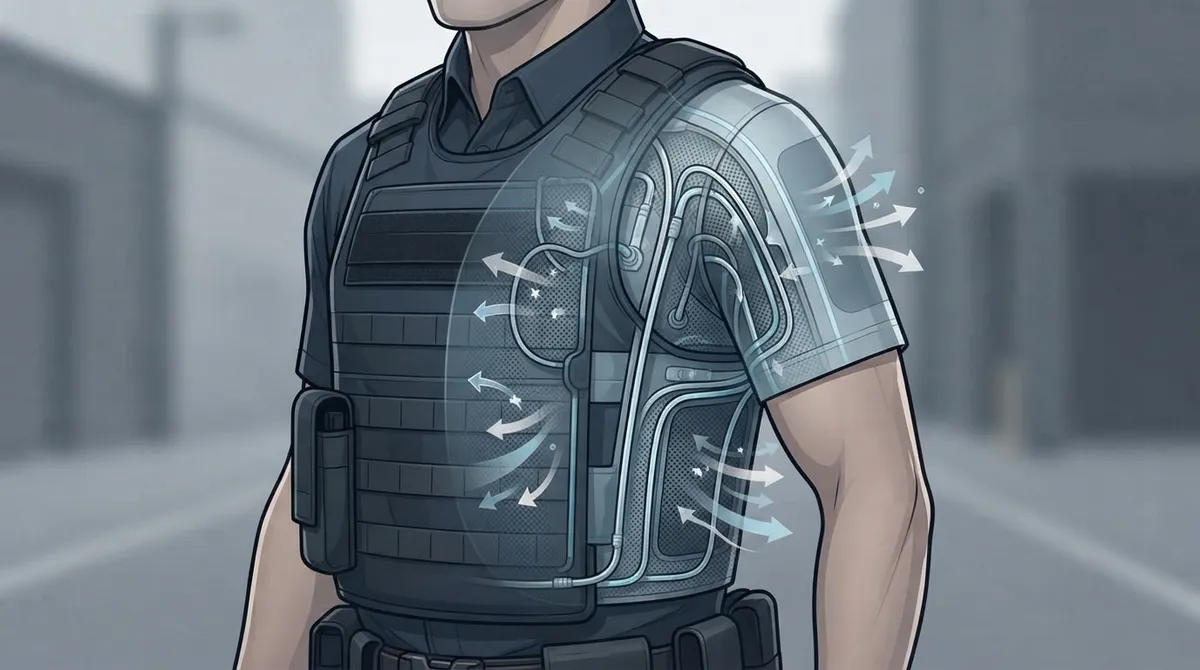
Wearable cooling technology refers to garments and devices that actively or passively manage heat around your body. In the ventilation vest world, this usually means moving air under or through your armor so sweat and heat escape instead of piling up against your skin.
These systems fall into a few main categories. Some use battery-powered fans to push fresh air across your torso. Others rely on evaporative fabrics, phase-change materials, or simple air-gap designs that create breathing room between you and your gear. You can learn more about how active cooling systems work in ventilation vests if you want the full technical breakdown.
Why This Matters for People Wearing Body Armor
Body armor traps heat by design. It’s built to stop threats, not let air through. That’s exactly why body armor ventilation has become such a big deal for law enforcement, military, and security teams. Without airflow, your core temperature climbs fast, and that puts real strain on your body and your brain.

1. BluHalo Inflatable Ventilation Vest
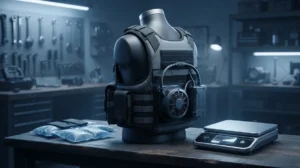
BluHalo tops our list for good reason. This lightweight vest was created by a Chicago police officer who got tired of sweating through 12-hour shifts in 95-degree heat. It weighs under 7 ounces and lies flat when deflated, so you barely notice it’s there.
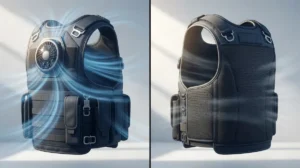
When you need relief, a quick pump inflates it and lifts your vest up to 1.5 inches off your body. That gap lets air circulate freely underneath. Press a button and it deflates instantly, so you’re never stuck with bulky gear you don’t need. Officers describe it as a game changer during brutal summer patrols. You can browse the full shop to see current pricing and options.
2. Blufano Active Fan Ventilation System
If you want continuous airflow instead of an on-demand boost, Blufano is worth a serious look. This self-contained unit uses a patented air-redirect spout that slides under any style of body armor. It delivers adjustable fan-driven airflow for 8 to 32 hours depending on your chosen setting.
It also packs a 10,000mAh power bank that charges your phone or other devices, plus a forward-facing light for low-light situations. Users report faster cooling, less sweat, and better focus during long, hot shifts. Check out the videos section to see it in action before you decide.
3. Battery-Powered Fan Vests
Battery-powered fan vests are one of the most popular active cooling solutions on the market. Some models use 3-speed fan systems to increase air circulation directly around your torso, giving you control based on conditions and workload.
These vests work well for extended wear during shifts or outdoor duty. They’re reusable, which makes them a smarter long-term investment than single-use cold packs.
4. Evaporative Cooling Vests
Evaporative vests use water-soaked fabric that cools as moisture evaporates against your skin. Manufacturer data from 2026 shows some models can drop temperature by up to 15°C below ambient conditions, with cooling lasting 4 to 8 hours depending on activation and humidity.
Keep in mind that evaporative cooling performs best in dry climates. High humidity slows evaporation, which reduces effectiveness. That’s an important factor when comparing ventilation versus phase change cooling vests.
5. Phase-Change Material (PCM) Vests
PCM vests use special packs that you pre-charge in a refrigerator or freezer before wearing. Manufacturer data from 2026 shows these typically provide 2 to 4 hours of steady cooling after charging.
The downside is planning ahead. You need access to refrigeration before every shift, which isn’t always practical for mobile teams or extended missions.
6. Vortex-Tube Compressed Air Vests
Vortex-tube systems use compressed air to create a personal air conditioning effect. Vortec, a well-known name in this space, offers body cooling vests that connect to a compressed air source for continuous, adjustable cooling.
This technology works great in industrial or stationary settings, but it’s less practical for mobile law enforcement or field military use since you need a compressed air line nearby.
7. 3D Mesh Ventilation Panel Vests
Modern ventilation vest product lines increasingly emphasize 3D mesh and airflow channels as a core design feature. These panels wick moisture and let heat escape through structured air channels built right into the fabric.
Mesh designs pair well with other cooling technology since they add passive airflow without extra bulk or batteries.
8. Inflatable Air-Gap Systems
Inflatable air-gap vests create physical separation between your body and your armor. This improves passive airflow without needing cold packs or liquid coolant. BluHalo is the standout example of this approach, and it’s built specifically for quick, on-demand comfort.
9. Hybrid Fan and Mesh Combination Vests
Some of the best-performing gear combines active fans with mesh airflow channels. This hybrid approach maximizes circulation while keeping the setup lightweight. Teams looking into passive versus active tactical vest ventilation often find hybrids offer the best of both worlds.
10. USB-Rechargeable Vest Fans
USB-rechargeable fans have grown popular because they’re easy to charge overnight and last a full shift. They’re compact, quiet, and simple to attach to almost any vest carrier.
11. Cooling Neck Wraps Paired with Vest Ventilation
While not a vest technology itself, cooling neck wraps often pair well with ventilation vests. Combining the two targets multiple heat zones at once, which some officers find boosts overall comfort during long shifts.
12. Moisture-Wicking Base Layers with Active Airflow
Moisture-wicking shirts worn underneath an active ventilation vest can pull sweat away from skin faster. Paired with fan-driven airflow, this combo tackles both heat and moisture buildup at once.
13. Adjustable Multi-Speed Cooling Systems
Adjustable systems let you dial cooling intensity up or down based on activity level. This flexibility matters during tactical operations where exertion levels change quickly, from sitting in a vehicle to sprinting during a call.
14. Solar-Assisted Backup Cooling Fans
A newer entry into the space, solar-assisted cooling fans extend battery life during long outdoor shifts. While still niche, this technology is worth watching as it develops further in 2026 and beyond.
How These Cooling Technologies Compare
| Technology | Cooling Duration | Best For | Setup Effort |
|---|---|---|---|
| BluHalo Inflatable Vest | On-demand, all shift | Patrol, security, daily wear | Low |
| Blufano Fan System | 8-32 hours | Long shifts, extended duty | Low |
| Evaporative Vest | 4-8 hours | Dry climates | Medium |
| PCM Vest | 2-4 hours | Short, planned shifts | High (needs freezer) |
| Vortex-Tube Vest | Continuous | Industrial/stationary work | High (needs air line) |
Does the Research Support Wearable Cooling Technology?
Science backs up what officers and soldiers already feel on the job. A CarbonCool half-body cooling vest clinical evaluation from 2020 found the vest was safe and tolerable for participants wearing PPE, though researchers noted larger trials were needed to fully measure endurance and heat-stress outcomes.
A CDC-hosted evaluation of portable cooling vests also reported improved sweat evaporation in at least one vest design. This supports the basic idea that active cooling helps your body manage heat better during hard work in protective gear.
That said, effectiveness always depends on the specific technology, ambient humidity, your workload, and how well the vest fits. According to the OSHA Heat Stress Guide, heat-related illness remains a serious risk for workers in protective clothing, which makes proper cooling gear more than just a comfort upgrade. It’s a safety tool.
Choosing the Right System for Your Role
For Law Enforcement Officers
If you’re on patrol all day, you need something reliable and low-maintenance. Check out our guide on how to choose the best police vest ventilation system for a deeper breakdown tailored to daily duty needs.
For Military Personnel
Deployed troops need gear that survives rough conditions and long missions. Battery life and durability matter more than fancy features. Our piece on why soldiers need tactical vest ventilation covers this in detail.
For Security Professionals
Standing post for hours means you need quiet, discreet cooling that won’t draw attention. Learn more in our article on body armor accessories for security professionals.
For Tactical and SWAT Teams
High-intensity operations demand cooling that keeps up with adrenaline and heavy exertion. Adjustable, fast-response systems work best here.
For Emergency Response Personnel
Firefighters and hazmat teams face some of the harshest heat conditions. Our resource on how to choose emergency responder gear that keeps you cool is built specifically for this group.
Quick Buying Checklist
- Decide if you need on-demand cooling or all-day continuous airflow.
- Check compatibility with your specific body armor or plate carrier style.
- Consider battery life if you’re choosing a fan-powered system.
- Think about climate. Evaporative works better in dry heat.
- Check the weight and profile so it doesn’t add bulk under your gear.
Body armor itself must meet strict safety benchmarks, and reviewing body armor standards can help you understand how cooling accessories fit alongside protective requirements. Pairing certified armor with the right ventilation system gives you both safety and comfort.
Real Feedback from the Field
- Officers report noticeable comfort improvements during 12-hour shifts in extreme heat.
- Security teams mention reduced sweat and better focus during long stationary posts.
- Military users highlight faster cooling when combined with vehicle air conditioning breaks.
- Tactical teams value adjustable settings that match changing activity levels during operations.
You can read more firsthand experiences on our reviews page, where real users share how these systems performed on the job.
Final Thoughts on Wearable Cooling Technology
Heat under body armor isn’t just uncomfortable. It affects your focus, your energy, and your safety during long shifts. Thankfully, wearable cooling technology has matured into a reliable, practical solution for everyday heroes across law enforcement, military, and security work.
Whether you go with the quick, on-demand relief of BluHalo or the continuous airflow of Blufano, you’re investing in comfort that pays off every single shift. Both products can also be bundled together for maximum cooling performance under your gear.
Ready to find the right cooling setup for your job? Get in touch with our team today and we’ll help you choose the best option for your needs.
FAQs
Q: What is wearable cooling technology in ventilation vests?
A: It’s any garment or device that moves air, wicks moisture, or actively cools your body while you wear protective gear. Think fan-powered vests, evaporative fabrics, or inflatable designs like BluHalo that create an air gap under your armor. The goal is simple: keep heat and sweat from building up against your skin.
Q: How do ventilation vests cool the body?
A: Most ventilation vests work by creating airflow between your skin and your armor. Some use small fans to push fresh air through, while others use mesh channels or inflatable panels to lift the vest slightly and let air move freely. This helps sweat evaporate and heat escape instead of getting trapped.
Q: Do fan-powered cooling vests really work?
A: Yes, they genuinely help! Battery-powered fans like the Blufano system increase air circulation around your torso, and users consistently report feeling cooler and less sweaty during long shifts. Research also supports that active airflow reduces thermal strain, especially when paired with proper hydration and breaks.
Q: Are ventilation vests effective under body armor or PPE?
A: Absolutely, that’s exactly what they’re designed for. Products like BluHalo and Blufano slide right under your existing armor or PPE without changing how your gear fits or functions. They simply add a layer of airflow management so you stay more comfortable during extended wear.
Q: How long do battery-powered cooling vests last?
A: It really depends on the system and setting you choose. Some fan-driven units, like Blufano, can run anywhere from 8 to 32 hours depending on fan speed, which is perfect for double shifts or extended missions. Always check the specific battery specs before your shift so you’re never caught without power.