Key Takeaways
-
Body armor traps heat and sweat, blocking evaporation; wearable cooling like vests and air-cooled garments is a recognized way to reduce heat exposure for PPE wearers.
-
Passive spacer vests need no power but rely on movement and dry air, while active fan systems keep air moving even when standing or seated in a vehicle.
-
Test any cooling device with your full kit on: move, sit, drive, and reach for gear to confirm it doesn't shift, bunch up, or block access.
-
Prioritize compatibility, comfort, and weight, since small extra bulk and chafing add up over a 10- to 12-hour shift.
-
Plan upkeep and backup power in advance, including how to clean and dry the gear and what happens if the battery dies or ice packs warm up.
-
A cooling device is a comfort tool, not ballistic protection; it must never replace armor, and water, breaks, and heat-illness awareness still matter most.
If you wear body armor for a living, you already know the feeling. Your shirt is soaked, your back is hot, and the vest feels like a heavy blanket on a summer day. Heat does not just make you uncomfortable. It wears you down, pulls your focus, and makes long shifts feel even longer.
The good news is that you have options. The not-so-good news is that there are a lot of them, and they work in very different ways. Learning how to choose a body armor cooling device can save you money, time, and a lot of sweat.
In this guide, we will walk through the main types of cooling gear, the features that matter, and the mistakes to avoid. We will keep it simple and practical, so you can pick the right tool for your duty, your armor, and your climate.
Why Body Armor Traps So Much Heat
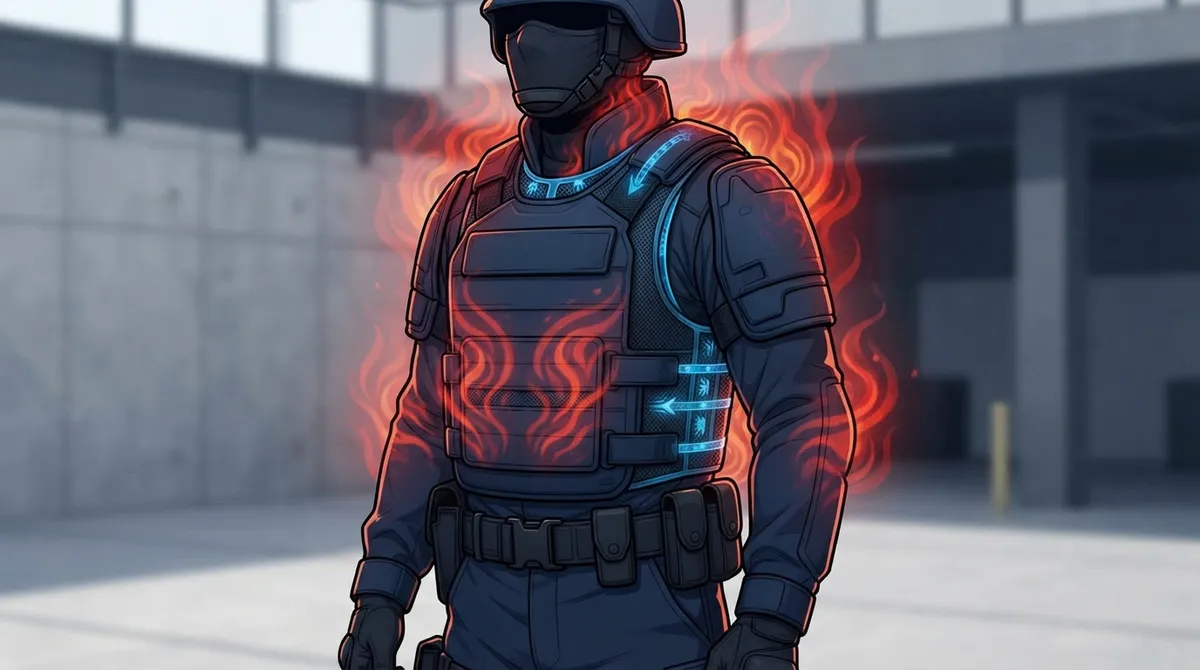
Body armor sits tight against your torso. That blocks airflow and traps both heat and sweat. Sweat cannot evaporate well, so your body cannot cool itself the way it normally does.
According to the CDC/NIOSH guidance on PPE heat burden, protective clothing and gear can raise the risk of heat illness. NIOSH also lists wearable cooling options, such as cooling vests and air-cooled garments, as auxiliary ways to reduce heat exposure. A NIOSH research summary reported that workers wearing PPE showed fewer signs of heat stress when they used cooling vests.
If you want a deeper look at the problem, check out our post on how hot body armor really gets.
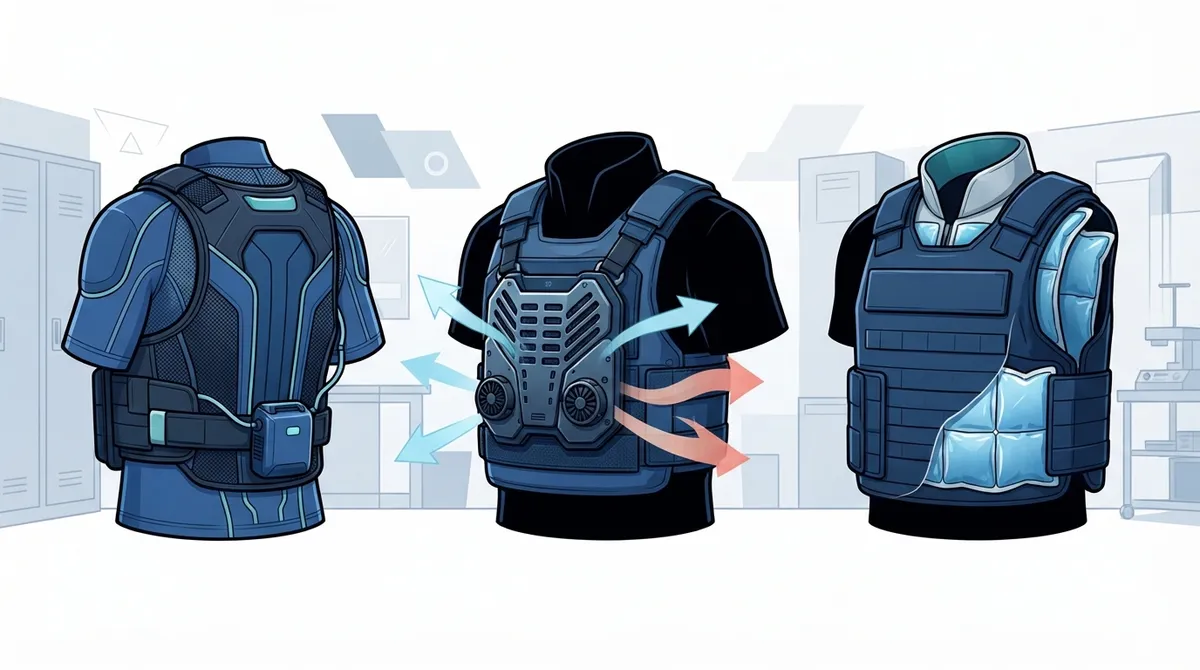
Know the Main Types of Body Armor Cooling Devices
Before you shop, it helps to understand the big categories. Each one cools in a different way, and each has trade-offs.
Passive Ventilation Layers
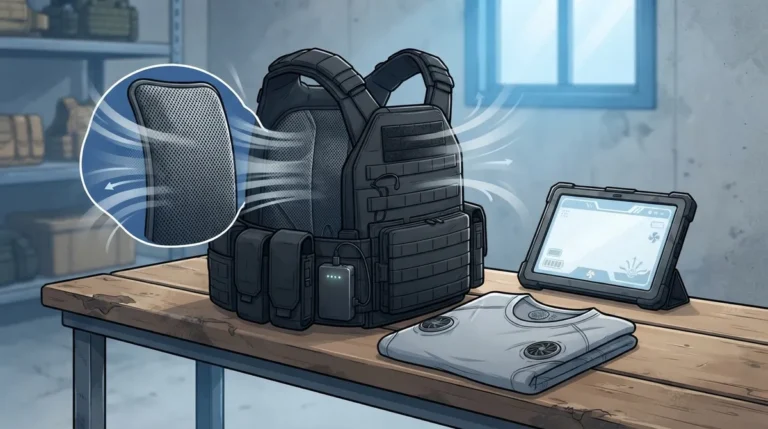
These are spacer-mesh vests or panels worn between your undershirt and your armor. They create a gap so air can move and sweat can escape. They do not make you colder on their own. They help your body cool itself.
They are simple, quiet, and need no power. The downside is that they depend on air movement and evaporation, so they work best when you are moving or in dry air.
Active Air-Cooled Systems
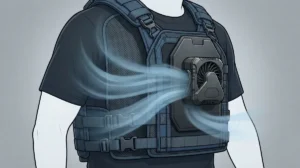
These use a small fan to push air under your armor. Fan-driven airflow helps move heat and moisture out faster, even when you are standing still or sitting in a vehicle. The trade-off is that you must manage a battery and a small bit of extra gear.
Ice, Phase-Change, and Water-Circulating Vests
These use frozen packs, special materials, or circulating water to draw heat away from the body. They can feel very cold at first. But they can add weight and bulk, and the cooling does not last forever. You also need a way to freeze, recharge, or replace the cooling packs.
Quick Comparison
| Type | How It Cools | Needs Power or Refill? | Best For |
|---|---|---|---|
| Passive spacer vest | Air gap and evaporation | No | Simple, low-maintenance comfort |
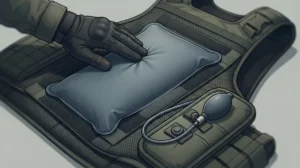
| Inflatable air-gap vest | Lifts armor to create airflow space | Small pump, no battery drain during wear | Cooling on demand with low bulk |
| Active fan system | Forced air under armor | Yes, battery | Long shifts, vehicle time, high heat |
| Ice or phase-change vest | Cold packs draw heat away | Yes, freezing or swapping packs | Short, high-heat bursts |
For a head-to-head look at two popular approaches, read passive vs. active body armor ventilation.
Step-by-Step: How to Choose the Right Device
Here is a simple process you can follow. Take your time with each step, and you will land on the right choice.
- Define your duty and heat level. A patrol officer in a car all day has different needs than a SWAT operator on a hot entry. Think about how long you wear armor and how hot it gets.
- Check your armor setup. Look at your carrier style, plate size, and gear layout. Your cooling device must fit under or around it without messing up your fit.
- Pick a cooling method. Decide if you want passive airflow, active fans, ice, or an air-gap system. Match it to how much bulk and upkeep you will accept.
- Test the fit with your full kit. Try it with your full setup on, not just the cooling layer by itself. Move, sit, drive, and reach for your gear.
- Look at upkeep. Ask how you clean it, how fast it dries, and how long it lasts.
- Plan for backup. Ask what happens if power runs out or a pack warms up. Always have a simple plan B.
Features That Matter Most
Compatibility With Your Armor
This is the big one. Check the coverage beneath your armor, the added thickness, and how the device stays in place. It should not shift, bunch up, or press into your skin. It also should not block quick access to your gear.
Comfort and Fit
A good device should feel almost forgotten after a few minutes. Look for adjustable straps, smooth edges, and a size that matches your torso. Chafing and pressure points add up fast over a 10- or 12-hour shift.
Weight and Bulk
Every ounce counts when you already carry a lot. Lighter gear is easier to wear all day. Some passive and air-gap options are very light, while ice-based systems can feel heavy.
Durability and Cleaning
Duty gear takes a beating. Look for tough materials and easy cleaning. Gear that holds sweat and takes forever to dry can get smelly fast.
Power, Runtime, and Noise (For Active Systems)
- Battery life: Check how many hours you get on each setting.
- Charging: Make sure you can charge it easily at work or in your vehicle.
- Fan noise: Quiet matters, especially for covert or quiet-duty roles.
- Airflow control: Adjustable speed lets you save power when you do not need full blast.
- Failure plan: Know how the device behaves if the battery dies.
Where BluHalo and Blufano Fit In
If you want a simple way to cool down on demand, the BluHalo ventilation vest is a great place to start. It was created by a Chicago police officer who got tired of overheating under his armor. It weighs under 7 ounces, lies flat when deflated, and can lift your vest up to about 1.5 inches off your body when inflated. That creates an air gap for heat and moisture to escape. You attach it to a clean vest with Velcro, inflate it with a small pump, and deflate it with a button when you do not need it.
If you want ongoing airflow, the Blufano fan system is built for that job. It slides under any style of body armor and uses an air-redirect spout to move fresh air across your torso. The maker reports 8 to 32 hours of runtime depending on the setting. It also has a built-in 10,000mAh power bank, so you can charge a phone, plus a forward-facing light for low-light moments. Please confirm current specs on the product page before you buy, since runtime depends on how you use it.
Many people pair the two. BluHalo creates the air gap, and Blufano keeps the air moving through it. You can learn more in our comparison of BluFano vs BluHalo, or browse the full shop to see bundle options.
Match the Device to Your Job
Different roles face different heat challenges. Here is a quick guide to help you think it through.
- Patrol and law enforcement: Long shifts and vehicle time call for something low-profile you can use on demand, plus airflow while seated.
- Military personnel: Heavy loads and long missions favor durable, adjustable, and power-flexible options.
- Security professionals: Hours of standing in the sun call for quiet, steady airflow and easy upkeep.
- Tactical and SWAT teams: High intensity means you want fast cooling, low bulk, and no snag points.
- Emergency responders: Mixed gear and extreme heat need flexible, easy-to-clean options.
For more ideas by role, see our guide on choosing a police vest ventilation system.
A Safety Note You Should Not Skip
A cooling device is a comfort and heat-management tool. It is not ballistic protection. It must never replace your armor, and you should not assume it keeps your armor’s protective performance unchanged. Always follow the armor maker’s and the device maker’s instructions. You can read more about armor standards through the National Institute of Justice body armor resources.
Cooling gear is also only one piece of heat safety. The OSHA heat exposure guidance stresses work-rest cycles, water, time to get used to the heat, and watching for signs of heat illness. Learn the warning signs, and look out for your partners too. Our post on preventing heat stress while wearing body armor covers more.
Be Careful With Big Cooling Claims
Marketing pages love big numbers. But real results change with weather, activity, clothing, and your armor setup. A number from one test may not match your day on duty.
Look for clear test methods or independent testing before you trust a specific cooling claim. When in doubt, read honest feedback from real users. Our reviews page is a good place to see how others use their gear on the job.
Common Mistakes to Avoid
- Buying on price alone. The cheapest option may not fit your armor or last a full season.
- Skipping the full-kit fit test. A device that feels fine alone may bunch up under your carrier.
- Ignoring upkeep. Gear you cannot clean and dry easily will let you down.
- Forgetting the power plan. If you pick a fan system, know how you will charge it.
- Relying on gear alone. Water, breaks, and rest still matter most.
For more on this, see 7 mistakes to avoid when choosing a cooling vest under body armor.
Final Thoughts: Pick What Works for Your Shift
Choosing a body armor cooling device comes down to a few simple things: how it cools, how it fits with your armor, how much upkeep you can handle, and how it holds up on a real shift. Start with your duty and climate, test with your full kit, and stay honest about what you will actually use.
If you want a proven, officer-designed way to beat the heat, BluHalo and Blufano are built for exactly this. Use one on its own, or bundle them for the most cooling under your gear. Have a question about fit or which option suits your role? Please get in touch with our team, and we will be glad to help you find the right setup. Stay cool and stay safe out there.
FAQs
Q: What is the difference between a passive ventilation vest and an active cooling system?
A: A passive vest creates an air gap under your armor so heat and sweat can escape on their own. An active system adds a fan to push air through that space, so you get airflow even when you are standing or sitting still. Active systems cool more steadily but need a battery.
Q: Will a cooling device fit under my body armor or plate carrier?
A: Most are made to fit under standard armor, but fit varies by carrier and setup. Always test the device while wearing your full kit, and check that it does not shift, bunch up, or block access to your gear. If you are unsure, our team is happy to help you check compatibility.
Q: Do ventilation vests actually keep you cooler?
A: They help your body cool itself by letting air move and sweat evaporate, which can make a big difference in comfort on long shifts. Results depend on the weather, your activity, and your gear. A vest is one tool, so keep up with water, rest, and heat-safety habits too.
Q: Can a cooling device change how my body armor protects me?
A: A cooling device is a comfort accessory, not ballistic protection, and it should never replace your armor. Do not assume it leaves your armor’s protective performance unchanged. Follow both the armor maker’s and the device maker’s instructions, and have your full setup checked where required.
Q: How do I clean and care for a body armor cooling device?
A: Follow the maker’s cleaning steps, and let the device dry fully before you wear or store it. Wiping it down after a sweaty shift helps cut down on odor and wear. For fan systems, also keep the battery and charging ports clean and dry.