Key Takeaways
-
Retrofit kits and ventilation add-ons let you upgrade existing body armor without replacing entire vests, saving money while improving airflow and comfort during long shifts.
-
Active cooling systems like inflatable vests and fan-driven designs outperform passive mesh alone, with some products claiming temperature reductions up to 14.5°F during high-intensity activity.
-
Proper fit and customization are critical—look for gear with multiple shoulder and side strap adjustment points to prevent shifting and bunching during movement.
-
Different professions have different cooling needs: patrol officers need sustained airflow for 10-12 hour shifts, while SWAT teams prioritize stabilizer straps to prevent bounce during rapid movement.
-
Custom ventilation works year-round, not just in summer—moisture control in cold weather prevents sweat from cooling against your skin and making you feel colder.
-
Lightweight ventilation products (typically under 9 ounces) minimize fatigue on all-day shifts while delivering measurable comfort gains compared to standard body armor.
If you wear body armor for a living, you know the struggle. Sweat pools. Heat gets trapped. By hour six of your shift, your vest feels like a wet, heavy blanket. The good news? You don’t have to just live with it anymore. Custom tactical gear built for airflow can change everything about how you feel on the job, whether you’re a cop, soldier, security guard, or first responder.
Think of your body armor like a car with the windows rolled up on a hot day. No airflow means no relief, no matter how good the air conditioning outside might be. Custom ventilation solutions act like cracking those windows just enough to let fresh air in and stale, hot air out. This guide walks you through everything you need to know about customizing your tactical gear for better airflow, less sweat, and more comfort during long shifts.
What Is Custom Tactical Gear in the Ventilation World?
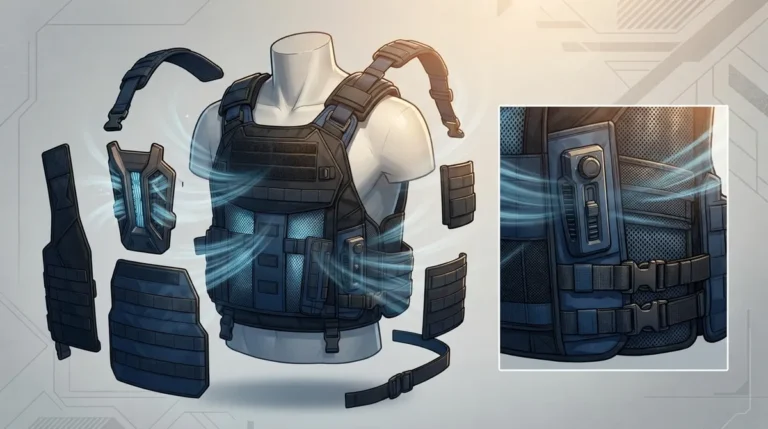
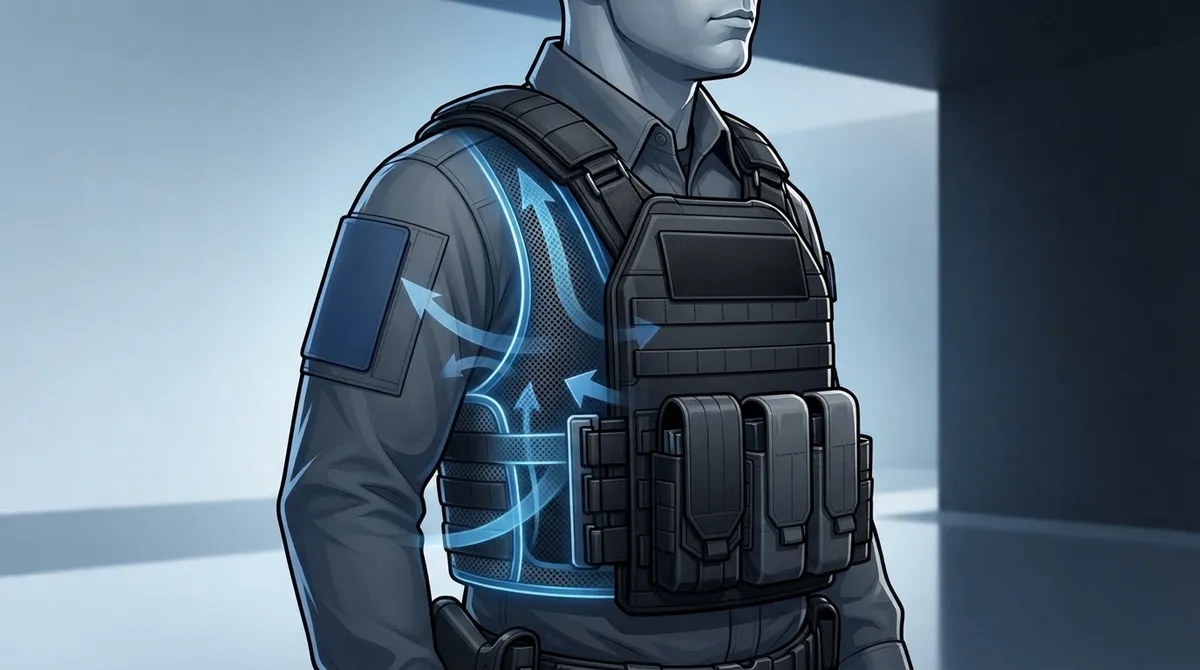
Custom tactical ventilation gear means modular, adjustable cooling add-ons that work with your existing body armor, plate carriers, or chest rigs. Instead of buying a whole new vest, you add a ventilation layer that fits your specific setup and body type.
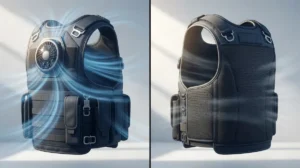
These products create a small air gap between your skin and your armor. That gap lets heat and sweat escape instead of getting trapped against your body all day. Many people confuse this with a brand-new cooling vest, but it’s really about upgrading what you already wear.
According to the Body Armor Standards established by federal researchers, protective gear must balance safety with wearability. That’s exactly where ventilation customization comes in. You keep your protection level. You just add comfort on top of it.
Why Fit and Customization Matter So Much
No two bodies are the same. A patrol officer built like a linebacker needs different adjustment points than a smaller-framed security guard. That’s why the best custom tactical gear focuses heavily on adjustability.
Look for these adjustment features when shopping:
- Multiple shoulder strap adjustment points for a snug, secure fit
- Side straps that let you tighten or loosen the vest without shifting armor plates
- Removable stabilizer straps to reduce bounce during high-movement tasks
- Low-profile designs that don’t add bulk under your uniform
- Compatibility with plate carriers, concealed body armor, chest rigs, and thigh rigs
For example, the MILITAUR adjustable ventilation vest offers 4 points of adjustment, including 2 shoulder straps, 2 side straps, and 2 removable Velcro stabilizer straps. That kind of flexibility helps the gear mold to your body instead of the other way around.
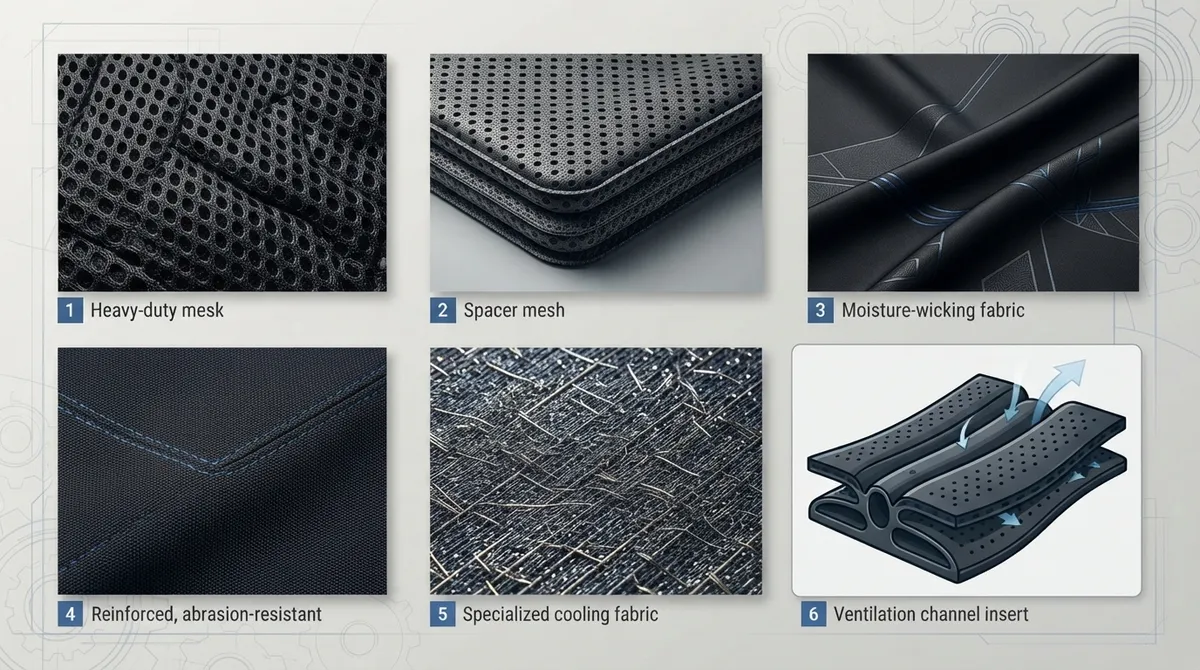
Common Materials Used in Custom Ventilation Gear
Not all cooling materials work the same way. Some rely on passive airflow. Others use active fan systems to push air where you need it most. Here’s a quick breakdown of what you’ll typically find on the market.
| Material Type | How It Works | Best For |
|---|---|---|
| Breathable mesh | Allows air to pass through fabric layers | Lightweight, everyday wear |
| Spacer fabric | Creates a small 3D gap for airflow | Moderate cooling with low bulk |
| Foam-filled channels | Directs air along built-in pathways | Structured, consistent airflow |
| Perforated thermoplastic | Rigid design with airflow holes | Durability and shape retention |
| Inflatable air gap systems | Lifts vest off the body on demand | Maximum cooling-on-demand relief |
Each material has tradeoffs between weight, durability, and cooling power. If you want the most noticeable temperature drop, inflatable systems tend to outperform passive mesh alone.
How to Choose the Right Custom Tactical Gear for Your Role
Different jobs bring different heat challenges. A SWAT operator doing a two-hour raid has different needs than a security guard standing at a post for eight hours. Here’s how to think through your choice step by step.
Step-by-Step Selection Process
- Identify your typical shift length. Longer shifts mean you need gear built for sustained airflow, not just a quick burst of cooling.
- Consider your climate. Hot, humid regions need stronger moisture control, while cooler climates still benefit from sweat management.
- Check compatibility with your current armor. Make sure the ventilation product fits your specific plate carrier or vest style.
- Decide between passive and active cooling. Passive mesh is lighter, but active fan systems like Blufano provide continuous airflow for hours.
- Test the adjustment system. Try on the gear with your full loadout to confirm it doesn’t shift or bunch up during movement.
Taking these steps seriously can save you from buying gear that looks good on paper but fails in real-world conditions. If you’re not sure where to start, our guide to choosing the right ventilation vest breaks it down further.
Retrofit Kits: Upgrade Without Replacing Your Gear
Here’s some good news for anyone on a budget. You don’t need to replace your entire vest to get better airflow. Custom-fit retrofit kits let you add ventilation to gear you already own and trust.
One popular option offers B-24 custom fit kits in three sizes: full sheet, half sheet, and quarter sheet. This lets you choose exactly how much coverage you need based on your armor’s shape and size. It’s a smart way to modernize older gear without starting from scratch.
Retrofitting also makes sense if your department or agency has strict rules about approved armor models. Instead of swapping out your whole carrier, you simply add a ventilation layer underneath. This keeps you compliant while still solving the overheating problem.
Comparing Popular Ventilation Options by Weight and Price
Weight matters when you’re wearing gear for 8, 10, or even 12 hours straight. Even a few extra ounces can add up to noticeable fatigue by the end of a shift. Here’s how some common options stack up.
| Product Type | Approximate Weight | Approximate Price |
|---|---|---|
| MaxxDri Vest 3.0 | 9 oz. | $100 |
| Body Armor Vent | Varies by kit size | $85 |
| TacVent | 9 oz. | $35 |
| SKD Tactical Pontoons | Varies | $20 |
| IceVents Classic Pontoons | Under 1 oz. | Varies |
| BluHalo Ventilation Vest | Under 7 oz. | $60 |
Notice how lightweight some of these products are. That’s intentional. The goal is to add cooling power without adding a burden. BluHalo, for instance, was built by a Chicago police officer specifically to stay light while still delivering real relief.
Active vs. Passive Cooling: Which Should You Pick?
This is one of the biggest decisions when customizing your tactical gear. Passive systems rely on natural airflow through mesh or spacer fabric. Active systems use fans or inflatable mechanisms to push air more aggressively.
Passive gear tends to be lighter and cheaper. But it may not do enough during extreme heat or high-intensity activity. Active systems, like BluHalo’s inflatable design or Blufano’s fan-driven airflow, offer stronger performance when you need it most.
Marketing claims from TacVent suggest their design can lower body surface temperatures by at least 14.5°F, though this is a vendor-reported figure rather than an independently verified industry standard. Still, it shows how much of a difference active airflow can make compared to doing nothing at all.
BluHalo takes this a step further with true cooling-on-demand. The vest sits flat and unnoticeable when deflated, then inflates in seconds using a small pump to lift your armor up to 1.5 inches off your body. That gap creates instant airflow exactly when you need it. You can read more about how it works in our guide to using the BluHalo ventilation vest.
For those who want continuous airflow rather than on-demand bursts, Blufano offers a self-contained fan system with a patented air-redirect spout. It slides under any style of body armor and delivers adjustable airflow for 8 to 32 hours depending on your chosen setting. It even includes a 10,000mAh power bank that can charge your phone or other devices during a shift.
Custom Tactical Gear for Different Professionals
Let’s break down how different roles benefit from customized ventilation setups.
Law Enforcement Officers
Patrol officers often wear body armor for 10 to 12 hour shifts, sometimes in extreme summer heat. Custom ventilation vests reduce sweat buildup and chafing, which matters when you’re sitting in a patrol car for hours then suddenly need to move fast. Check out our breakdown of why officers need ventilation vests for more details.
Military Personnel
Soldiers in hot, dusty environments face some of the toughest conditions for body armor use. Heat stress can affect focus and reaction time during critical moments. Customizable gear that fits under plate carriers helps manage this without compromising protection.
Security Professionals
Standing guard duty for long stretches means less movement but still plenty of heat buildup. Lightweight, low-profile ventilation options work well here since bulk isn’t ideal for professional appearances.
Tactical and SWAT Teams
High-intensity operations demand gear that won’t shift or bounce. Stabilizer straps and secure adjustment points become critical for these teams, especially during rapid movement or extended standoffs.
Emergency Response Personnel
Firefighters and hazmat teams already deal with extreme heat from their environment. Adding ventilation under protective gear helps prevent additional heat exhaustion risk, a concern outlined in the OSHA Heat Stress Guide for workplace safety.
Cold Weather Customization Too
Here’s something people often miss. Custom ventilation gear isn’t just for summer. Moisture control matters in cold weather too. Sweat trapped against your skin in cold conditions can actually make you colder once it cools down. Good airflow systems pull that moisture away, keeping you more comfortable no matter the season.
Tips for Getting the Best Fit With Custom Gear
Once you’ve picked your ventilation product, take a few extra steps to make sure it performs its best.
- Attach ventilation panels to a clean, dry vest surface for the strongest hold
- Adjust straps while wearing your full duty belt or loadout, not just the vest alone
- Test inflation and deflation mechanisms before your first full shift
- Check for any bunching or shifting during simulated movement, like sitting or bending
- Keep a spare pump or charging cable handy if your gear uses active components
Small adjustments like these can make a big difference in how well your custom gear performs when it matters most. You can explore more helpful comparisons in our passive versus active ventilation comparison.
Bringing It All Together
Customizing your tactical gear for airflow isn’t a luxury anymore. It’s becoming a standard part of staying safe, focused, and comfortable during demanding shifts. Whether you choose a passive mesh insert, a retrofit kit, or an active system like BluHalo or Blufano, the goal is the same: less heat, less sweat, more comfort.
We built BluHalo and Blufano because we understand what it feels like to sweat through a long shift in heavy armor. These products were designed by people who’ve lived it, not just marketed it. If you’re ready to feel the difference, browse our full shop or check out real experiences in our customer reviews page.
Still have questions about which setup fits your needs best? Our team is happy to help you find the right custom ventilation solution for your gear. Reach out to our team today and let’s get you cooler, drier, and more comfortable on your next shift.
FAQs
Q: What is a custom tactical ventilation vest?
A: It’s a modular cooling add-on that fits under or with your existing body armor to create an air gap for better airflow. Instead of buying a whole new vest, you upgrade what you already wear with breathable materials or active fan systems like BluHalo and Blufano.
Q: How does ventilation gear improve comfort under body armor?
A: It creates space between your skin and your armor so heat and sweat can escape instead of building up. This reduces fatigue, chafing, and that heavy, wet feeling you get after hours in heavy gear.
Q: Can ventilation inserts be added to an existing plate carrier?
A: Yes, absolutely! Many retrofit kits, like the B-24 custom fit kits, are designed specifically to add ventilation to armor you already own. You don’t need to replace your whole setup to feel the difference.
Q: Are custom ventilation vests useful in hot weather only?
A: Not at all. Moisture control matters year-round because trapped sweat can make you feel colder once temperatures drop. Good airflow keeps you comfortable whether it’s summer patrol or a chilly winter shift.
Q: What’s the difference between BluHalo and Blufano?
A: BluHalo is an inflatable vest that lifts your armor up to 1.5 inches off your body for instant cooling-on-demand, weighing under 7 ounces. Blufano is an active fan system that delivers continuous airflow for 8 to 32 hours, plus it charges your devices too.