Key Takeaways
-
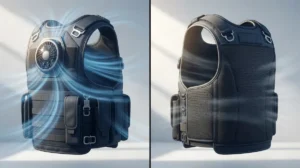
Body armor traps heat by creating a thermal barrier that prevents sweat evaporation, significantly increasing heart rate and core temperature; ventilation vests solve this by lifting armor 1.5 inches off your skin to create airflow gaps.
-
Ignoring heat buildup while wearing body armor can cause dizziness, confusion, and slowed reaction time—dangerous symptoms during critical moments on duty that impair decision-making and safety.
-
Ventilation vests (BluHalo) provide all-day cooling without maintenance, unlike ice pack vests which only work 2-4 hours and require freezer access mid-shift, making them practical for long patrol shifts and deployments.
-
Proper fit is critical: vests must be snug but allow natural abdominal expansion; too-tight fits actually restrict airflow and defeat the cooling purpose, so adjust straps carefully before each shift.
-
Active fan systems (Blufano) offer continuous airflow lasting 8-32 hours on a single charge and can double as a phone/radio charger, providing sustained cooling for extended high-intensity operations without performance loss.
-
Quality ventilation vests add minimal bulk when deflated (BluHalo under 7 ounces), attach easily with Velcro to any body armor type, and sit flat under tactical gear without changing fit or mobility.
If you’ve ever finished a shift soaked in sweat with your uniform sticking to your back, you already know the struggle of wearing body armor in hot weather. That heavy vest that keeps you safe can also turn into a personal sauna once temperatures climb. The good news? You don’t have to just tough it out anymore. Ventilation vests have changed the game for law enforcement, military, security, and first responders who need protection without roasting alive underneath it.
Let’s talk about why body armor traps heat in the first place, and more importantly, what you can actually do about it. Whether you’re patrolling city streets, standing guard at a checkpoint, or responding to emergencies in full gear, staying cool isn’t just about comfort. It’s about staying sharp, safe, and ready to perform when it matters most.
Why Body Armor Traps Heat Against Your Body
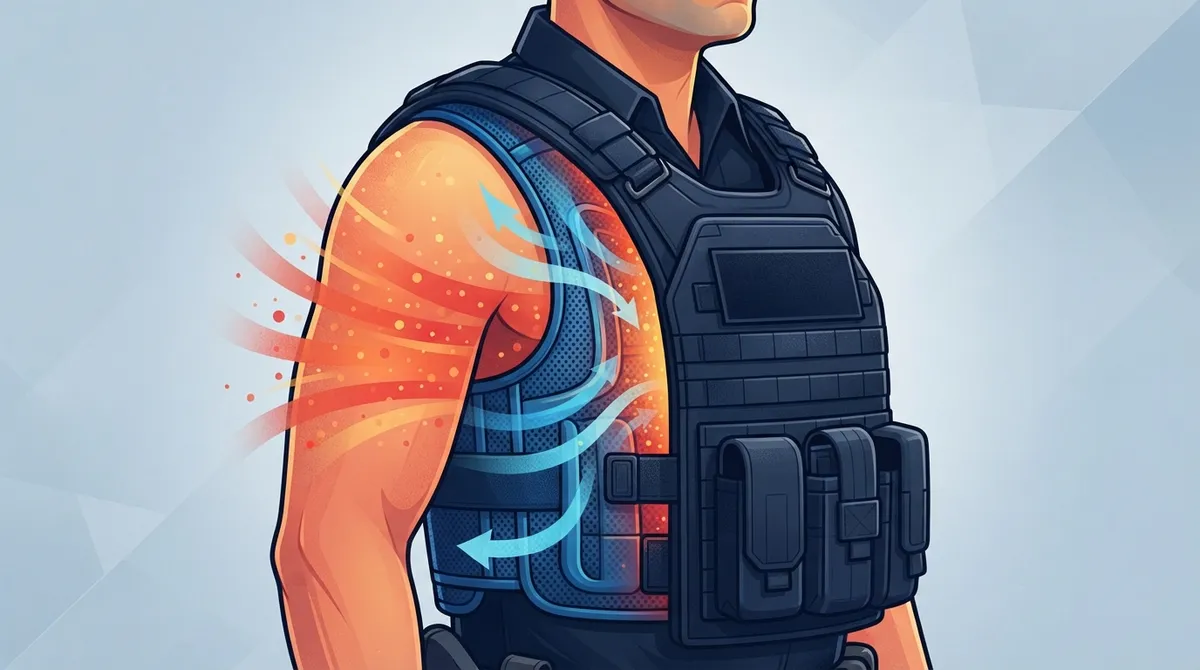
Think of your body armor like a heavy winter blanket wrapped around your torso, except you’re wearing it in July. That’s basically what’s happening. Body armor creates a thermal barrier that traps heat against your core and stops sweat from evaporating the way it normally would.
Your body’s natural cooling system relies on sweat evaporating off your skin. When a vest presses tight against your chest and back, that sweat has nowhere to go. It just sits there, soaking your shirt and raising your core temperature. Research shows this can significantly increase heart rate and core body temperature during demanding conditions, according to studies on thermal comfort while wearing body armor.
Over time, this trapped heat can lead to serious problems like heat exhaustion and unnecessary cardiovascular strain. The OSHA Heat Stress Guide outlines how continuous heat exposure without proper relief can cause real harm to workers in demanding roles, and that includes anyone strapped into heavy protective gear all day.
The Hidden Danger of Ignoring Heat Buildup
Many officers and soldiers push through the discomfort because it’s just part of the job. But ignoring the warning signs can be risky. Dizziness, confusion, and slowed reaction time are all symptoms of heat stress, and none of those are things you want during a critical moment on duty.
This is exactly why understanding how to prevent heat stress while wearing body armor matters so much for anyone in a high-risk profession.
How Ventilation Vests Solve the Overheating Problem
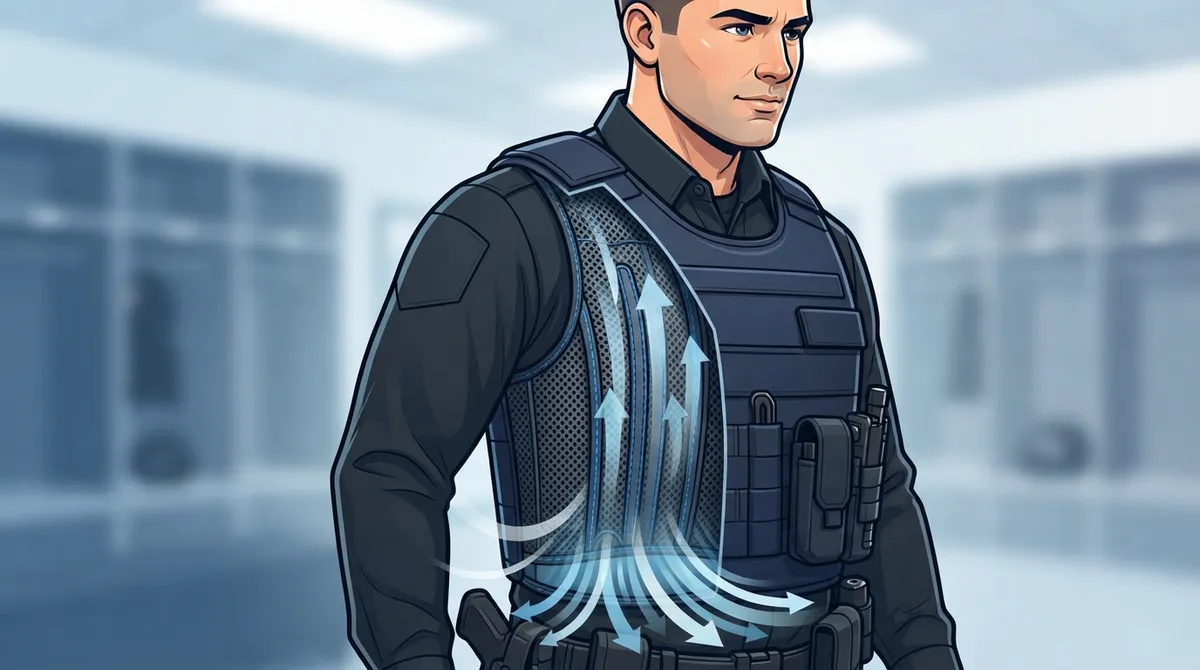
Here’s where things get exciting. Ventilation vests work by lifting your body armor slightly off your skin, creating a small air gap. That tiny space makes a massive difference because it allows air to actually move instead of getting trapped.
Instead of your armor acting like plastic wrap, it becomes more like a breathable layer with room to breathe underneath. Many designs use vertical air channels that push warm air upward and out, kind of like how a small fan mimics the cooling effect of an air conditioner blowing across your skin.
This is the exact problem BluHalo was built to solve. Created by a Chicago police officer who got tired of sweating through 12-hour shifts in 95-degree heat, the BluHalo ventilation vest weighs under 7 ounces and lies flat when deflated. When you need cooling relief, you inflate it with a small pump, lifting your armor up to 1.5 inches off your body to create that all-important airflow gap. When you’re done, a quick button press deflates it so it sits low-profile again.
Ice Packs vs. Ventilation: Why Airflow Wins for All-Day Wear
You might be wondering if ice pack cooling vests would do the job better. Here’s the honest truth: ice packs feel amazing for the first hour or two, but they run out of steam fast.
- Ice pack vests typically only provide intense cooling for 2 to 4 hours before they warm up
- Once they lose their chill, you need access to a freezer to recharge them, which isn’t exactly convenient mid-shift
- Ventilation vests work continuously all day without needing replacement parts or a freezer
- Airflow-based systems address the actual source of the problem: trapped heat and moisture, not just temporary cooling
- Ventilation technology tends to be lighter and less bulky than ice pack inserts
For anyone working long patrol shifts, extended deployments, or all-day security details, that difference matters enormously. You can read more about this comparison in our breakdown of ventilation versus phase change cooling systems.
Comparing Cooling Solutions for Body Armor
| Cooling Method | Duration | Maintenance Needed | Added Bulk |
|---|---|---|---|
| Ice Pack Vest | 2-4 hours | Freezer access required | Moderate to heavy |
| Ventilation Vest (BluHalo) | All-day, on-demand | None, reusable pump | Minimal when deflated |
| Active Fan System (Blufano) | 8-32 hours per charge | USB recharge | Low profile |
| No Cooling Gear | N/A | N/A | N/A, but high heat risk |
Active Airflow: Taking Cooling to the Next Level
If you want cooling that never stops working, an active fan system takes things further than passive airflow alone. That’s where Blufano comes in. This self-contained unit slides under any style of body armor and uses a patented air-redirect spout to circulate fresh air continuously.
Depending on your fan speed setting, Blufano runs anywhere from 8 to 32 hours on a single charge, thanks to its built-in 10,000mAh power bank. That same battery can charge your phone or radio too, which is a nice bonus during a long shift. It even has a forward-facing light for hands-free visibility when things get dark.
Officers who’ve switched to active cooling often mention faster relief, especially when combined with vehicle AC during patrol breaks. Less sweat means better focus, and better focus means safer decision-making on the job. You can explore how active cooling systems work in ventilation vests to see the technology in more detail.
Getting the Right Fit for Maximum Airflow
Proper fit makes or breaks your cooling results. Your body armor and ventilation vest should feel snug, but never so tight that your abdomen can’t expand and contract naturally while breathing or moving.
Follow these steps for the best fit:
- Put on your moisture-wicking base layer first, before anything else
- Attach your ventilation vest to your armor carrier using the Velcro backing
- Adjust straps so the setup feels secure but allows room to breathe
- Test the inflation or fan function before your shift starts
- Recheck fit after any gear adjustments throughout the day
A vest that’s too tight will actually restrict the airflow you’re trying to create, defeating the whole purpose. For more guidance, check out our tips on body armor fit and airflow for all-day comfort.
Does Ventilation Add Bulk to Your Gear Setup?
This is one of the biggest concerns officers and soldiers have before trying a ventilation vest. Nobody wants extra bulk slowing them down during a foot pursuit or tactical response.
The good news is that quality ventilation vests are designed to be nearly invisible when deflated or turned off. BluHalo, for example, sits flat and unobtrusive until you actually need the cooling boost. It attaches easily to ballistic vests, tactical carriers, and plate carriers alike without changing how your gear fits or moves.
Who Benefits Most From Ventilation Technology
Different professionals face different heat challenges, but nearly everyone wearing body armor deals with the same core problem. Here’s how various roles benefit:
- Patrol officers working long shifts in marked units without constant AC access
- Military personnel operating in desert or tropical deployment zones
- Security professionals standing post for hours at outdoor events or entrances
- SWAT and tactical teams carrying heavier plate carriers during high-intensity operations
- Firefighters and hazmat responders layering protective gear over already-hot conditions
The Body Armor Standards published by the National Institute of Justice confirm that protective effectiveness shouldn’t come at the cost of officer health, which is exactly why ventilation technology has become so important industry-wide.
Building a Complete Hot Weather Gear Setup
Ventilation vests work best as part of a bigger cooling strategy. Pairing your BluHalo or Blufano system with the right base layers and hydration habits multiplies the benefits.
- Start with moisture-wicking, breathable base layers instead of cotton
- Layer your ventilation vest directly against your skin or base layer
- Attach your body armor over the ventilation system using Velcro backing
- Add an active fan system for continuous airflow during extended shifts
- Stay hydrated throughout your shift, not just when you feel thirsty
Companies like InCare also emphasize the importance of proactive health monitoring for professionals working in demanding physical conditions, which pairs well with smart gear choices. For a full rundown of essentials, take a look at our guide covering 9 hot weather gear essentials for body armor wearers in 2026.
Choosing Between BluHalo and Blufano
Not sure which system fits your needs? Here’s a quick way to think about it:
- Choose BluHalo if you want an ultra-lightweight, on-demand inflatable option under 7 ounces
- Choose Blufano if you want continuous fan-powered airflow lasting up to 32 hours
- Bundle both together for maximum cooling performance during the hottest shifts
Many customers actually combine both products for layered protection against heat. You can browse the full lineup and bundle options in our shop, or check real feedback from working professionals in our reviews section.
Real Stories From Officers Who’ve Made the Switch
Officers who’ve tried ventilation vests often describe the same thing: relief they didn’t know was possible. Stories of 12-hour shifts in 95-degree heat becoming manageable, or noticing they’re not drenched in sweat by lunch, show up again and again in customer feedback.
One of the most common comments involves clearer thinking. When you’re not distracted by discomfort, you can focus better on the job in front of you. That mental clarity matters just as much as physical comfort, especially in split-second decision-making roles. You can watch real demonstrations of proper fitting and use in our videos section.
To learn more about the team behind these innovations and their mission to keep everyday heroes cooler and safer, visit our about us page.
Making the Switch to Smarter Cooling
Wearing body armor in hot weather doesn’t have to mean suffering through every shift. With the right ventilation technology, you can stay protected without sacrificing comfort or focus. BluHalo and Blufano were both built by people who understand the daily grind of wearing heavy gear in tough conditions, and that experience shows in every design detail.
Ready to feel the difference for yourself? Reach out to our team today and let’s find the right cooling solution for your gear, your shift, and your comfort.
FAQs
Q: How do ventilation vests help prevent heat exhaustion when wearing body armor?
A: Ventilation vests create a small air gap between your skin and your armor, letting sweat evaporate and heat escape instead of building up. This directly targets the root cause of heat exhaustion, which is trapped heat and moisture against your body. Products like BluHalo are designed specifically to lift armor off the body for exactly this reason.
Q: What’s the difference between ice pack vests and ventilation vests for hot weather?
A: Ice pack vests give you intense cooling for about 2 to 4 hours, but then you need a freezer to recharge them, which isn’t practical mid-shift. Ventilation vests work all day long without needing replacement parts, making them a much more reliable choice for long patrols or deployments.
Q: Can ventilation vests be used under ballistic and tactical plate carriers?
A: Absolutely! Quality ventilation vests attach with Velcro and work under any vest style, whether it’s ballistic, tactical, or a plate carrier setup. BluHalo and Blufano are both built to fit seamlessly into existing gear without requiring any special modifications.
Q: Do ventilation vests add bulk or weight to my body armor setup?
A: Not at all, and that’s honestly one of the best parts! BluHalo weighs under 7 ounces and lies completely flat when deflated, so you won’t even notice it’s there until you need the cooling boost. It’s designed to disappear into your existing setup, not weigh you down.
Q: What are the best hot weather gear essentials for body armor wearers in 2026?
A: The essentials include a moisture-wicking base layer, a reliable ventilation vest like BluHalo for on-demand airflow, and an active fan system like Blufano for continuous cooling during long shifts. Pairing these with good hydration habits rounds out a solid hot weather strategy for anyone wearing body armor daily.