Key Takeaways
-
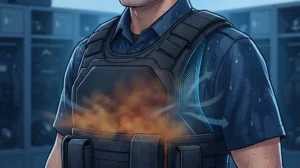
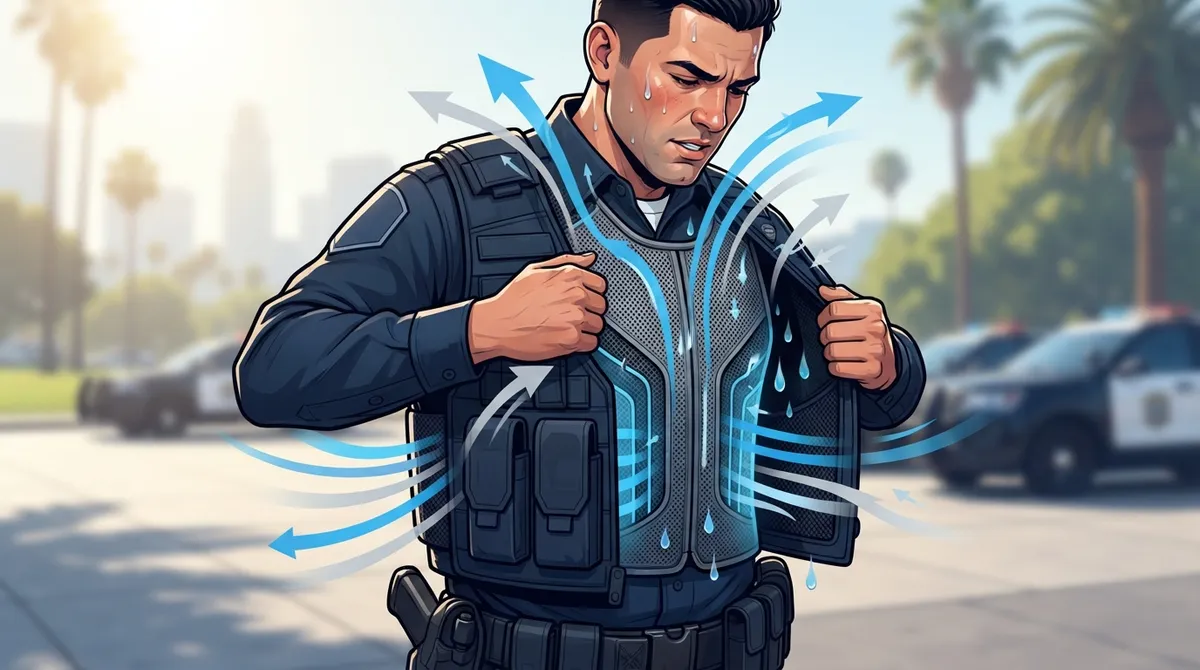
Body armor traps heat against your skin and prevents sweat evaporation, creating a dangerous insulating layer that raises core temperature during summer shifts, especially in direct sun for 8-12 hours.
-
Heat stress under body armor causes serious health risks including heat exhaustion, heat stroke, dehydration, and impaired cognitive function that directly compromises job performance and safety during critical moments.
-
Early warning signs like sudden cessation of sweating, dizziness, headaches, rapid heartbeat, and muscle cramps require immediate cooling action; ignoring these signals can escalate to medical emergencies.
-
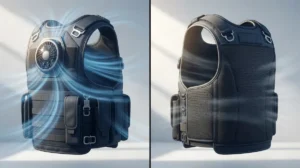
Active ventilation systems like inflatable vests or fan-powered cooling create air gaps between skin and armor, allowing proper heat escape and sweat evaporation—addressing the root cause rather than just managing symptoms.
-
A consistent summer heat safety routine combining moisture-wicking base layers, continuous hydration with electrolytes, frequent cooling breaks, and ventilation vests significantly reduces heat illness risk across all professions.
-
Law enforcement, military, security, and tactical professionals face disproportionate heat stress due to extended shifts in heavy gear; those in high-risk roles should prioritize active cooling solutions to maintain performance.
Summer heat and body armor make a rough combination. If you wear a vest for work, you already know that feeling of sweat pooling under your gear by 9 a.m. But the dangers of wearing body armor in summer go way beyond feeling sticky and uncomfortable. They can affect your health, your focus, and even your safety on the job. The good news? You don’t have to just tough it out every shift.
Whether you’re a patrol officer, a soldier, a security guard, or part of a tactical team, your body armor traps heat close to your skin. That trapped heat has nowhere to go, and your body pays the price. In this guide, we’ll break down exactly what happens when you wear heavy gear in high temperatures, why it matters, and what you can actually do about it. Let’s get you cooler, safer, and more comfortable this summer.
Why Body Armor Turns Into a Heat Trap
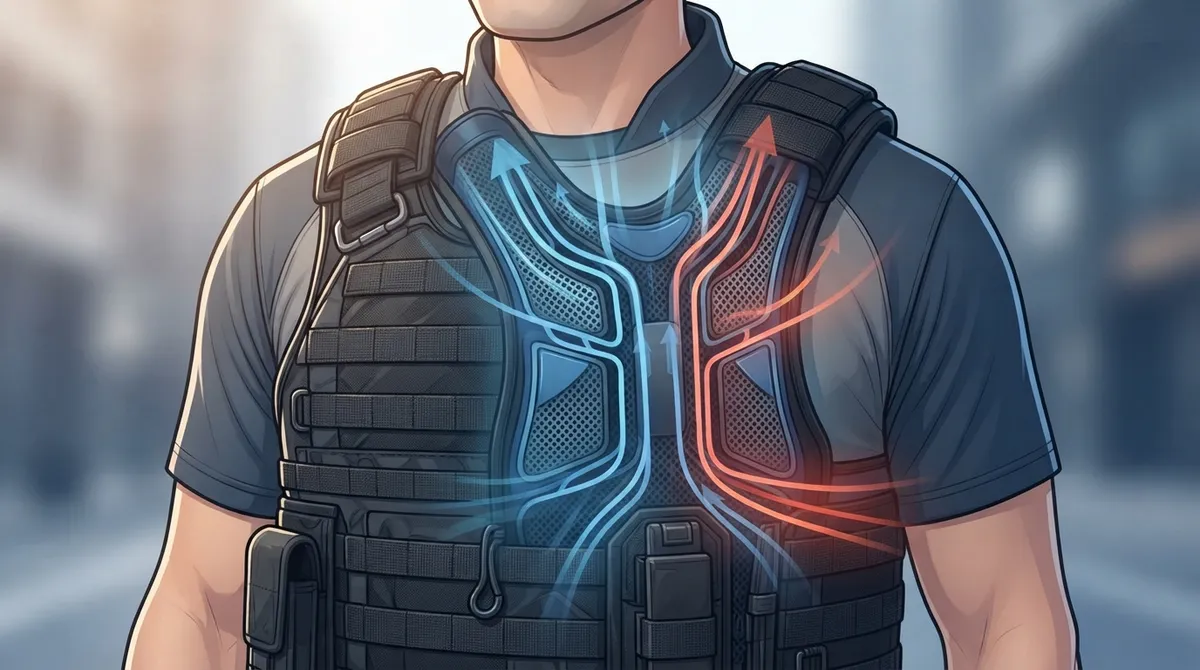
Body armor is built to protect you, not to breathe. Most vests use dense layers of ballistic material that block airflow almost completely. This is great for stopping threats but terrible for letting heat escape.
When you add summer temperatures, humidity, and hours of movement, your body has three problems working against it at once. Your skin can’t release heat properly, sweat can’t evaporate the way it should, and your core temperature keeps climbing with nowhere to vent. This combination is exactly why so many officers and soldiers describe body armor in summer as wearing a personal sauna strapped to their chest.
The Science Behind Heat Buildup
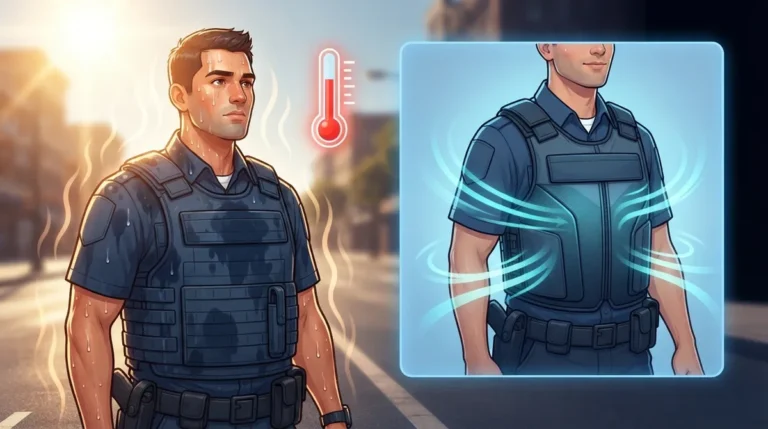
Your body naturally cools itself through sweat evaporation. But when a vest presses tightly against your skin, sweat gets trapped instead of evaporating. This creates a damp, warm layer that actually insulates your body even more, making things worse instead of better.
According to the OSHA Heat Stress Guide, workers wearing protective clothing face a much higher risk of heat-related illness than those in regular clothes. Body armor falls squarely into this high-risk category, especially during long shifts in direct sun.
Top Health Risks of Wearing Body Armor in Hot Weather
Let’s talk about what’s really at stake. These aren’t just minor annoyances. They’re real health risks that can sideline you or put you in danger.
- Heat exhaustion: Heavy sweating, weakness, dizziness, and nausea are early warning signs your body is struggling to cool itself.
- Heat stroke: This is a medical emergency. Your body temperature spikes dangerously high, and you may experience confusion, rapid heartbeat, or loss of consciousness.
- Dehydration: Excessive sweating without proper fluid replacement drains your energy and slows your reaction time.
- Skin irritation and rashes: Trapped moisture against skin for hours can lead to chafing, heat rash, and even fungal infections.
- Reduced cognitive function: Overheating makes it harder to think clearly, react quickly, or make sound decisions under pressure.
These risks aren’t rare or exaggerated. Anyone who has spent a 12-hour shift in 95-degree heat wearing a bullet-resistant vest knows exactly how real they are. Understanding how hot does body armor get can help you appreciate just how quickly these risks escalate.
How Heat Affects Job Performance
Beyond health, overheating hurts your ability to do your job well. Your grip weakens, your patience shortens, and your focus drifts. For law enforcement and tactical teams, this can mean slower response times during critical moments. For military personnel, it can mean reduced endurance on long missions.
The Body Armor Standards set by national research agencies focus heavily on protection, but comfort and heat management are just as important for real-world performance. A vest that keeps you safe from a threat but leaves you dizzy from heat isn’t doing its full job.
Who Faces the Highest Risk?
Not everyone experiences these dangers equally. Some professionals are more exposed to extreme heat and long wear times than others.
| Profession | Typical Exposure | Main Heat Risk |
|---|---|---|
| Law Enforcement Officers | 8-12 hour patrol shifts, often outdoors | Heat exhaustion, dehydration, fatigue |
| Military Personnel | Extended missions in extreme climates | Heat stroke, reduced endurance |
| Security Professionals | Long stationary or walking shifts | Skin irritation, chronic discomfort |
| Tactical/SWAT Teams | High-intensity operations with heavy gear | Rapid overheating, impaired performance |
| Emergency Response Personnel | Extreme heat environments, physical exertion | Heat stroke, exhaustion, dizziness |
If you fall into any of these categories, you’re not alone in feeling the strain. Many professionals have shared their experiences, and you can read real accounts in our Reviews section from officers who found relief with better ventilation.
Warning Signs You Should Never Ignore
Your body gives you signals before things get serious. Learning to spot them early can prevent a minor issue from becoming a major emergency.
- Excessive sweating that suddenly stops (a dangerous sign your body can’t cool itself anymore)
- Headache, dizziness, or confusion during your shift
- Rapid heartbeat or shallow breathing
- Muscle cramps in your legs or abdomen
- Pale, clammy skin despite the heat
- Nausea or vomiting
If you or a coworker notice these signs, stop activity immediately and cool down. Waiting it out is not worth the risk. For more on this topic, check out our article on heat stress effects on police performance.
How to Reduce the Dangers of Wearing Body Armor in Summer
You can’t skip wearing your vest, but you can absolutely reduce the risks. Here’s a step-by-step approach that works for real professionals in real conditions.
Step 1: Stay Ahead of Hydration
Don’t wait until you’re thirsty. Drink water consistently throughout your shift, not just during breaks. Electrolyte drinks can help replace what you lose through heavy sweating.
Step 2: Take Cooling Breaks When Possible
Even five minutes in shade or air conditioning can help your body reset. Use vehicle AC or indoor spaces whenever your schedule allows.
Step 3: Choose Moisture-Wicking Base Layers
What you wear under your armor matters. Breathable, moisture-wicking shirts help pull sweat away from your skin instead of trapping it.
Step 4: Add Active Ventilation Under Your Vest
This is where real change happens. A ventilation vest creates a gap between your skin and your armor, allowing air to circulate and heat to escape. This single change addresses the root problem instead of just managing symptoms.
This is exactly why BluHalo was created by a Chicago police officer who understood the problem firsthand. The BluHalo vest weighs under 7 ounces and lifts your body armor up to 1.5 inches off your skin when inflated, creating an instant air gap. It attaches to any clean vest with Velcro and deflates flat with the push of a button when you don’t need it. For anyone dealing with 12-hour shifts in 95-degree heat, this kind of on-demand cooling can be a genuine game changer.
Step 5: Consider Active Fan-Powered Cooling
For even more relief, an active airflow system takes things further. Blufano is a self-contained fan system that slides under any body armor style and delivers adjustable airflow for 8 to 32 hours depending on your settings. It even includes a 10,000mAh power bank that can charge your phone and a built-in light for low-visibility situations. Many officers report faster cooling, less sweat, and sharper focus during long, hot shifts after switching to this kind of system.
Comparing Cooling Solutions for Body Armor
| Solution | How It Works | Best For |
|---|---|---|
| BluHalo Ventilation Vest | Inflatable air gap lifts armor off skin | Quick, lightweight, on-demand cooling |
| Blufano Fan System | Active fan circulates fresh air continuously | Extended shifts needing constant airflow |
| Moisture-Wicking Base Layer | Pulls sweat away from skin | Everyday comfort improvement |
| Frequent Hydration Breaks | Replaces lost fluids and electrolytes | General heat illness prevention |
Many professionals choose to combine both BluHalo and Blufano for maximum cooling performance, and bundling them together often comes at a discount through the Shop.
Building a Summer Heat Safety Routine
Consistency matters more than any single trick. Here’s a simple routine you can build into your daily prep.
- Check the forecast before your shift and plan hydration accordingly.
- Wear a moisture-wicking base layer every time you suit up.
- Attach your ventilation vest before putting on body armor.
- Take short cooling breaks whenever your schedule allows.
- Watch yourself and your teammates for early warning signs of heat stress.
Small habits like these add up over a full season of hot shifts. You can also browse our Videos section to see exactly how these ventilation systems work in real-world conditions.
Why This Matters for Every Role
Every profession we mentioned earlier faces its own version of this challenge. Law enforcement officers need to stay sharp during traffic stops and foot pursuits. Military personnel need endurance during extended missions. Security professionals need stamina through long stationary shifts. Tactical teams need peak performance during high-stress operations. Emergency responders need clear thinking in already chaotic situations.
No matter which category you fall into, the dangers of wearing body armor in summer are real, but they’re also manageable. The right combination of hydration, smart layering, and active ventilation can make a dramatic difference in how you feel and perform.
Take Control of Your Comfort This Summer
Nobody should have to choose between safety and comfort. You deserve gear that protects you without cooking you alive during a long summer shift. Thousands of officers, soldiers, and security professionals have already discovered how much better their days go with proper ventilation under their armor.
If you’re ready to stop dreading hot shifts and start feeling like yourself again, our team is here to help you find the right fit. Reach out to our team today and let’s talk about which cooling solution makes sense for your specific needs. You’ve got a demanding job to do. Let’s make sure the heat isn’t working against you while you do it.
FAQs
Q: What are the biggest dangers of wearing body armor in summer?
A: The biggest dangers include heat exhaustion, heat stroke, dehydration, and reduced focus on the job. Your armor traps heat and sweat against your skin, making it harder for your body to cool down naturally, especially during long shifts in high temperatures.
Q: How can I tell if I’m experiencing heat stress under my vest?
A: Watch for dizziness, headache, sudden stopping of sweat, muscle cramps, or confusion. These are early warning signs that your body is struggling, and it’s important to cool down right away rather than pushing through your shift.
Q: Do ventilation vests actually help with the dangers of wearing body armor in summer?
A: Absolutely! Ventilation vests like BluHalo create an air gap between your skin and your armor, letting heat escape and sweat evaporate properly. Many officers say it makes a huge difference during long, hot shifts.
Q: Can I wear a ventilation vest with any type of body armor?
A: Yes, most ventilation vests, including BluHalo and Blufano, are designed to fit under any style of body armor. They attach easily with Velcro or a strap, so you don’t need special gear to use them.
Q: How long does the cooling effect last with an active fan system like Blufano?
A: Blufano offers adjustable airflow that can last anywhere from 8 to 32 hours depending on your fan setting, so it’s built to last through even the longest, hottest shifts without needing a recharge.