Key Takeaways
-
Officers in body armor reach heat stress within 20-60 minutes of active duty, compared to 90+ minutes without protective gear, with core body temperature rising fastest during high-intensity activities like foot chases.
-
SWAT teams and tactical units face the steepest performance declines due to heavy gear loads that trap significantly more heat than standard patrol vests, requiring active cooling solutions for operational safety.
-
Departments adopting active cooling gear like ventilation vests report fewer heat-related incidents and improved shift performance, with products creating airflow gaps that reduce core body temperature during long shifts.
-
Security professionals and emergency responders face underreported heat exhaustion risks, especially during extended indoor posts or in heavy protective gear, making cooling equipment accessibility a critical safety gap.
Ever finish a summer shift feeling like you just ran a marathon in a plastic bag? You’re not alone. Heat exhaustion is one of the sneakiest threats officers face on duty, and the numbers behind it might surprise you. Body armor traps heat close to your skin, and when temperatures climb, that trapped heat can turn a routine patrol into a real health risk.
We dug into the heat exhaustion law enforcement statistics that matter most to officers, supervisors, and anyone who straps on a vest for a living. These numbers tell a story about why cooling gear isn’t just a nice-to-have anymore. It’s becoming essential equipment, right alongside your radio and duty belt. Let’s break down what the data says and what you can actually do about it.

Why Heat Exhaustion Statistics Matter for Officers
Heat exhaustion doesn’t just make you uncomfortable. It slows your reaction time, clouds your judgment, and can sideline you during a shift when your team needs you most. Understanding the real numbers helps departments and individual officers make smarter choices about gear and safety.
Body armor is a lifesaver, but it also acts like a personal sauna. Layer on a hot patrol car, a sunny parking lot, or a foot chase, and you’ve got the perfect recipe for heat-related illness. According to the OSHA Heat Stress Guide, workers in protective gear face significantly higher risks of heat illness compared to those in regular clothing.

1. Law Enforcement Sees Higher Heat Illness Rates Than Many Other Professions
Officers wearing ballistic vests report heat-related symptoms far more often than workers in looser uniforms. The combination of body armor, tactical gear, and long hours outside creates conditions ripe for overheating.
- Vest-wearing officers report sweating through uniforms within the first hour of a hot shift
- Many departments see spikes in heat-related sick calls during summer months
- Foot patrol and traffic duty officers face the highest exposure times
This is exactly why so many agencies are exploring best vest cooling systems to beat the heat in body armor as part of their standard gear checklist.
2. Core Body Temperature Rises Faster Under Armor
Studies on protective clothing show that trapped heat under vests raises core body temperature much quicker than expected. Once your core temp climbs past a safe range, your body starts working overtime just to cool down.
| Condition | Approximate Time to Heat Stress Onset |
|---|---|
| No vest, moderate activity | 90+ minutes |
| Standard vest, moderate activity | 45-60 minutes |
| Standard vest, high activity (foot chase, standing traffic duty) | 20-30 minutes |
These numbers explain why so many officers describe feeling drained halfway through a shift. If you’ve ever wondered how hot does body armor get, the answer is often hotter than most people realize, especially during summer patrols.
3. Heat-Related Incidents Spike During Summer Deployments
Military personnel and tactical teams operating in high-heat regions see a noticeable jump in heat exhaustion cases during summer months. Extended missions in body armor multiply the risk, especially in desert or tropical climates.
- Missions lasting over four hours in extreme heat show the highest incident rates
- Hydration alone isn’t enough to offset trapped heat under armor
- Units using active cooling gear report fewer heat-related pullouts from duty
For military readers looking to understand the science, why do soldiers need tactical vest ventilation breaks down exactly how airflow impacts mission performance.
4. Security Professionals Face Underreported Heat Stress
Security guards and protective detail specialists often work long shifts outdoors or in poorly ventilated buildings while wearing armor. Because these roles are less studied than police work, heat exhaustion cases among security professionals frequently go underreported.
- Extended standing posts increase heat buildup under vests
- Indoor security roles in non-air-conditioned buildings can be just as risky as outdoor posts
- Many guards don’t have access to cooling gear provided by larger police departments
If you work in this field, checking out what body armor accessories security professionals really need is a smart place to start improving your comfort on the job.
5. Tactical and SWAT Teams Show the Steepest Performance Drops
High-intensity operations combined with heavy gear create some of the most extreme heat exposure scenarios in any profession. SWAT officers often wear additional plates, pouches, and equipment that trap even more heat than standard patrol vests.
| Gear Load | Relative Heat Retention |
|---|---|
| Standard patrol vest | Moderate |
| Tactical vest with plates | High |
| Full SWAT loadout with plates and pouches | Very High |
Understanding heat stress effects on police performance shows just how much cognitive sharpness and physical speed decline when core temperature rises during tactical operations.
6. Emergency Responders Face Some of the Highest Risk Levels
Firefighters and hazmat teams often wear protective gear far heavier than a typical police vest, and they work in environments that are already extremely hot. Layer body armor or heavy protective clothing over that, and heat exhaustion becomes a serious operational hazard.
- Structural fires can push ambient temperatures well above 100°F near the body
- Hazmat suits combined with body armor multiply heat retention significantly
- Rehab and cooling breaks are now standard practice in many fire departments
For a deeper look at solutions, how to choose first responder cooling equipment that works offers practical guidance for teams facing extreme conditions.
7. Ventilation Technology Is Changing the Numbers
Here’s the good news. Departments and agencies that adopt active cooling gear report fewer heat-related incidents and improved shift performance. This is where ventilation vests are making a real difference in the statistics.
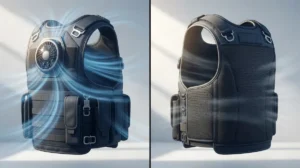
The BluHalo ventilation vest was actually created by a Chicago police officer who understood this problem firsthand. Weighing under 7 ounces, it fits under any vest and inflates on demand to lift armor up to 1.5 inches off the body, creating an instant airflow gap. When you’re done, one button deflates it flat again.
For even more sustained relief, Blufano takes things further with an active fan system that delivers adjustable airflow for 8 to 32 hours on a single charge. It even includes a 10,000mAh power bank to charge your phone and a built-in light for low-visibility situations. Many officers combine both products for round-the-clock comfort, and you can browse options anytime in the shop.
How Ventilation Vests Help Lower Heat Exhaustion Risk
Cooling technology isn’t just about comfort. It’s about safety, focus, and staying sharp during critical moments. Here’s how proper ventilation addresses the root causes behind these statistics:
- Creates airflow gaps that let trapped heat escape instead of building up
- Reduces sweat accumulation that leads to chafing and discomfort
- Helps maintain lower core body temperature during long shifts
- Supports better focus and quicker reaction times in the field
The Body Armor Standards set by national research agencies focus heavily on protection, but comfort and wearability are catching up as priorities too. That’s exactly why products like BluHalo and Blufano exist, filling the gap between protection and practical, everyday comfort.
What Departments and Individuals Can Do Today
You don’t have to wait for policy changes to protect yourself from heat exhaustion. Small changes in gear and habits can make a huge difference during hot shifts.
- Invest in a lightweight ventilation vest that fits under your current armor
- Take hydration breaks seriously, even on busy shifts
- Watch for early symptoms like dizziness, excessive sweating, or confusion
- Talk to your department about bulk cooling gear options for the whole team
Reading real experiences from officers can help too. Check out our reviews page to see how BluHalo and Blufano have helped others handle 12-hour shifts in 95-degree weather without missing a beat.
Bringing It All Together
Heat exhaustion law enforcement statistics paint a clear picture. Officers, military personnel, security professionals, tactical teams, and emergency responders all face real risks when body armor traps heat during long shifts. The good news is that solutions exist, and they’re more accessible than ever.
You don’t have to accept sweat-soaked shifts and foggy focus as just part of the job. Whether you’re patrolling the streets, running tactical operations, or standing a long security post, the right ventilation gear can change everything. Ready to feel the difference for yourself? Reach out to our team today and let’s find the cooling solution that fits your work and your life.
FAQs
Q: What are the most common heat exhaustion law enforcement statistics officers should know?
A: Officers in body armor often hit heat stress warning signs within 20 to 60 minutes of active duty, much faster than workers without protective gear. Summer months bring the highest spikes in heat-related sick calls, especially for foot patrol and traffic duty. Knowing these numbers helps you take cooling gear seriously before symptoms start.
Q: How does body armor contribute to heat exhaustion risk?
A: Body armor traps heat and moisture close to your skin, acting almost like a personal sauna during long shifts. This trapped heat raises your core body temperature much faster than normal clothing would. That’s exactly why ventilation vests like BluHalo exist, to create an airflow gap that releases that trapped heat.
Q: Can ventilation vests actually reduce heat exhaustion incidents?
A: Yes, departments that adopt active cooling gear report fewer heat-related pullouts and improved shift performance. Products like BluHalo and Blufano create real airflow under your vest, helping lower core temperature and reduce sweat buildup. It’s a simple gear upgrade that makes a measurable difference.
Q: Which professionals face the highest heat exhaustion risk under body armor?
A: Tactical and SWAT teams often face the steepest risks due to heavier gear loads and high-intensity operations. Emergency responders like firefighters also face extreme heat exposure, especially when protective gear is layered over already hot environments. Military personnel on extended missions in hot climates are right up there too.
Q: What can officers do today to lower their heat exhaustion risk?
A: Start with a lightweight ventilation vest that fits comfortably under your current armor, and never skip hydration breaks. Learn to recognize early symptoms like dizziness or excessive sweating so you can act fast. Talking to your department about bulk cooling gear can help protect your whole team, not just yourself.