Key Takeaways
-
Heat exposure measurably impairs officer cognitive performance including reaction time, judgment, and decision-making quality; a Texas study found arrests made on hot days were more likely to be dismissed in court, indicating decline in decision quality.
-
Body armor traps heat and accelerates core temperature rise, speeding up cognitive decline; officers need ventilation systems designed to work under protective gear, not just hydration or occasional air-conditioned breaks.
-
On the hottest days, officers face a dangerous double challenge: violent crime increases by approximately 9% for every 18°F temperature rise, while their cognitive capacity simultaneously declines due to heat stress.
-
Active ventilation vests that move air beneath body armor are the most effective heat mitigation tool available; they preserve mental sharpness by preventing the energy drain of thermoregulation.
-
Heat stress affects different roles in the justice system unevenly; street-level officers directly exposed to elements are most vulnerable, while prosecutors’ decisions remained relatively heat-insensitive in research studies.
-
Simple heat mitigation strategies like consistent hydration, acclimatization training before summer, rest rotation breaks, and strategic vehicle cool-down periods can reduce cognitive decline when layered together systematically.
Picture this: It’s a sweltering summer afternoon. A patrol officer is suiting up for a 10-hour shift. The body armor goes on, the heat starts building immediately, and within an hour, the officer’s mind begins to fog. Sound familiar? If you wear a badge, this is probably your reality every summer — and the cognitive effects of heat on law enforcement are more serious than most people realize.
Heat doesn’t just make you uncomfortable. It changes the way your brain works. It slows your reaction time, clouds your judgment, and chips away at your ability to make good decisions. For officers who face high-stakes situations daily, that mental slowdown can have real consequences — for them, for the public, and for the justice system as a whole. Let’s break this down together and talk about what you can do about it.
What Does Heat Actually Do to Your Brain?
Your brain is incredibly sensitive to temperature. When your core body temperature rises, your cognitive performance begins to drop. Research summarized by health and safety sources links heat stress to slower reaction times, impaired judgment, confusion, and reduced vigilance — all of which are critically important for police work. This isn’t just discomfort. It’s a measurable decline in mental ability.
Here’s what officers commonly experience when working in extreme heat:
- Slower reaction time — you take longer to respond to threats or changes in a situation
- Reduced attention span — it becomes harder to stay focused during long patrols or investigations
- Impaired judgment — decision-making becomes less accurate under thermal stress
- Increased irritability and aggression — heat affects your emotional regulation too
- Mental confusion — complex tasks like report writing become harder and take longer
According to the TSI Heat Stress Health Impacts resource, these effects are especially dangerous for first responders whose jobs demand peak alertness. And the OSHA Heat Stress Guide confirms that heat-related cognitive decline is a documented occupational hazard that requires active mitigation strategies.

The Research Is Eye-Opening — Heat Changes Officer Behavior
This isn’t just theoretical. A landmark study using about 10 million arrests in Texas from 2010 to 2017 found measurable effects of heat on police and judicial decisions. The findings are worth knowing.
On hotter days, officers made fewer arrests per reported crime. But here’s the twist — the arrests they did make on those hot days were more likely to be dismissed later in court. That means the quality of arrest decisions declined with rising temperatures. Officers weren’t necessarily slacking. Their brains were simply running at a lower capacity due to heat stress.
The effects didn’t stop with officers. Judges were impacted too:
| Temperature Condition | Judicial Outcome Change |
|---|---|
| Mean temperature above 90°F | Case dismissals fell by just under 5% |
| Days above 32°C (89.6°F) | Sentence length increased by 6.5% |
| Hotter days | Fines rose by around 4% |
Interestingly, the Texas study found that heat did not meaningfully affect prosecutors’ charging decisions — suggesting that some roles in the justice system are more heat-sensitive than others. Officers on the street, directly exposed to the elements, are among the most vulnerable.
Heat, Crime, and the Vicious Cycle
Here’s another layer that makes the cognitive effects of heat on law enforcement even more pressing. Research cited by Qore Performance shows that an 18°F increase in temperature is associated with a 9% increase in violent crime across studies worldwide. A Los Angeles study found crime increased by almost 2% on days when maximum temperatures exceeded 90°F.
So on the hottest days, officers face more crime and more aggression — while simultaneously experiencing reduced cognitive performance. That’s a double challenge that demands serious attention. You can read more about 6 heat stress effects on police performance to understand the full scope of the problem.
This is also why the question of overheating vs. clear thinking in officer decision-making is so important. On a hot day, your mind and body are already stretched thin before anything happens.
Why Body Armor Makes the Heat Problem Worse
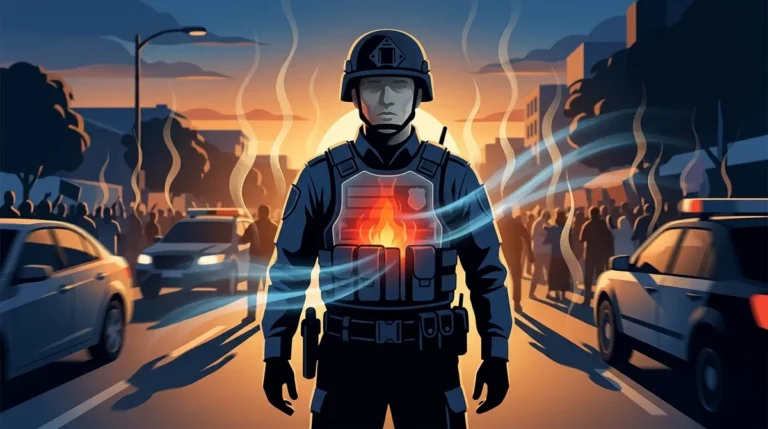
Law enforcement officers don’t just work in the heat — they work in the heat while wearing body armor. That changes everything. Body armor traps heat and moisture against the body, creating a microclimate under the vest that can be significantly hotter than the outside air temperature. The NIJ Body Armor Standards focus on ballistic protection, but thermal comfort under armor remains a critical and often overlooked issue.
When heat gets trapped under a vest, core body temperature rises faster. That speeds up the cognitive decline we’ve been talking about. Here’s a quick look at how heat builds up under armor compared to open air:
| Condition | Heat Buildup Rate | Cognitive Impact |
|---|---|---|
| Open air (no armor) | Moderate | Gradual decline over time |
| Wearing body armor, no ventilation | High | Faster decline, earlier onset |
| Wearing body armor with ventilation vest | Low to moderate | Reduced and delayed decline |
If you want to learn more about why this happens, check out this helpful guide on why police officers struggle with heat under body armor.
The Cognitive Demands of Police Work — Why This Matters So Much
Let’s be real about what officers are asked to do mentally during a single shift. The list is long and demanding:
- Traffic stops — rapid assessment of risk, communication, and situational awareness
- Foot pursuits — physical exertion combined with real-time decision-making
- Crowd control — reading group dynamics, managing de-escalation under pressure
- Investigations — careful observation, memory retention, and logical reasoning
- Report writing — detailed, accurate documentation of complex events
Every single one of these tasks requires a sharp, functioning mind. Heat degrades performance across all of them. That’s why law enforcement officers need cooling vests as part of their standard duty setup — not as a luxury, but as operational equipment.
What Are the Best Heat Mitigation Strategies for Officers?
The good news? There are practical steps that agencies and individual officers can take right now to reduce the cognitive effects of heat. Here’s what works:
- Hydration — drinking water consistently throughout a shift helps regulate core temperature
- Acclimatization — gradually exposing the body to heat before peak summer conditions helps build tolerance
- Rest and rotation — shorter stints in high-heat environments, with cool-down breaks in between
- Air-conditioned vehicle time — using patrol vehicles as a cool-down station strategically
- Cooling gear and ventilation vests — active airflow systems under body armor are among the most effective tools available
Agencies looking for structured guidance on managing these risks can explore law enforcement heat management gear options that are built specifically for duty use. There’s also solid advice available on how to prevent heat stress while wearing body armor.
How Ventilation Vests Directly Support Cognitive Performance
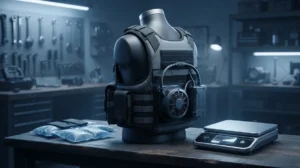
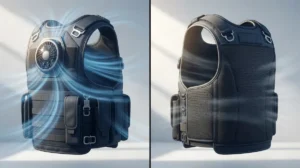
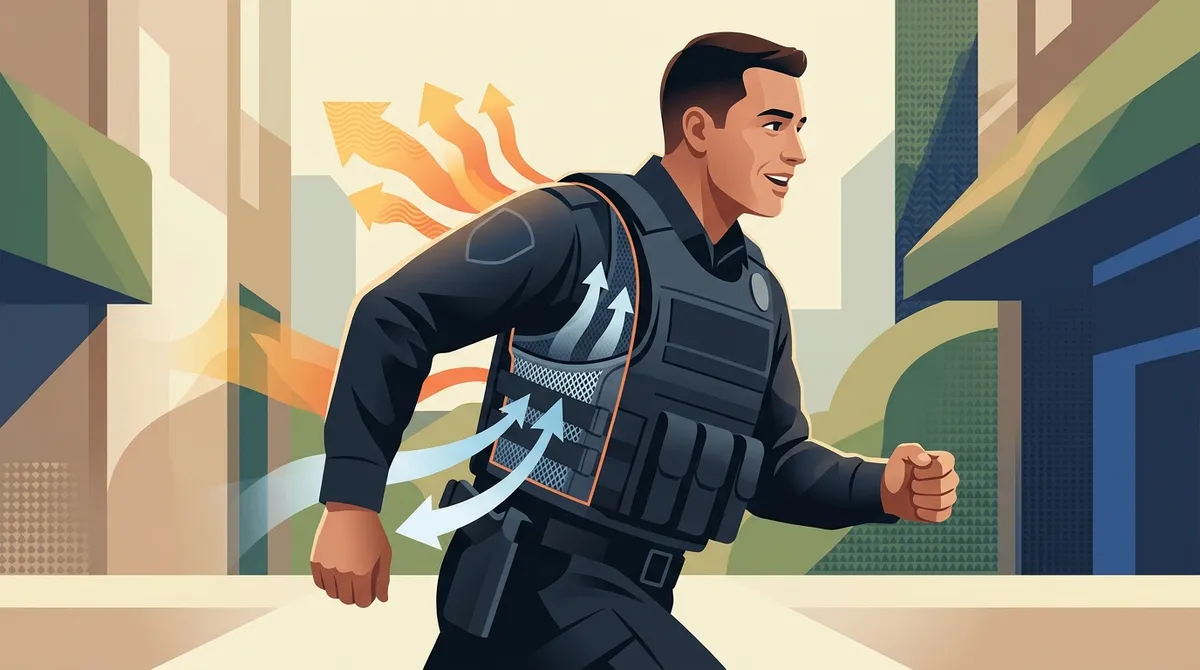
This is where things get really practical and exciting. Ventilation vests are designed to do exactly what the name says — ventilate. By moving air beneath body armor, they reduce the heat and moisture buildup that drives up core body temperature. And by keeping core temperature lower, they help preserve the mental sharpness that officers depend on.
Think of it as giving your brain a fighting chance in hot conditions. When your body isn’t working overtime to cool itself, your mind has more resources to focus on what matters — making safe, sound decisions in the field.
Here’s a comparison of key cooling approaches and how they support cognition:
| Cooling Method | Ease of Use on Duty | Cognitive Benefit | Works Under Armor |
|---|---|---|---|
| Hydration alone | Easy | Moderate | N/A |
| Vehicle AC breaks | Situational | Moderate | No |
| Phase-change cooling vests | Moderate (requires prep) | Good | Partial |
| Active ventilation vest (fan-driven) | Very easy | Excellent | Yes |
For officers who want to understand their options further, this guide on passive vs. active law enforcement cooling gear is a great starting point.
Meet BluHalo and BluFano — Built for Officers Who Think Under Pressure
BluHalo was literally created by a Chicago police officer who understood this problem firsthand. The result is a lightweight ventilation vest — under 7 ounces — that sits flat under body armor and can be inflated on demand to lift the vest up to 1.5 inches off the body. That air gap is everything. It lets heat escape, lets moisture evaporate, and keeps your core temperature from spiking during long, hot shifts.
The BluFano takes it a step further with an active fan-driven system. It delivers adjustable airflow for 8 to 32 hours depending on the setting, includes a built-in 10,000mAh power bank, and even has a forward-facing light for low-light situations. Together, BluHalo and BluFano give officers a complete cooling system that supports both physical comfort and mental clarity throughout the entire shift. You can see what real officers are saying on the reviews page.
If you’re ready to explore your options, head over to the shop to see what’s available. And if you have questions about which system is right for your duty setup, don’t hesitate to reach out to the BluHalo team — they’re happy to help you find the best fit.
Conclusion: A Cooler Officer Is a Sharper Officer
The cognitive effects of heat on law enforcement are real, well-documented, and operationally significant. From slowed reaction times to impaired judgment to riskier arrest decisions, heat is silently undermining officer performance every hot shift. The research is clear, the stakes are high, and the solutions are available.
The best thing you can do is take the heat problem seriously before it affects your decisions in the field. Hydrate, plan rest periods, and most importantly, invest in gear that actively manages heat under your armor. A ventilation vest isn’t a comfort toy — it’s a tool that helps protect your most important asset: your ability to think clearly when it counts.
Ready to take the next step toward cooler, sharper shifts? Get in touch with the BluHalo team today and find out which ventilation solution is the right fit for your duty gear and your department.
FAQs
Q: How does heat affect police decision-making?
A: Heat reduces attention, slows reaction time, and impairs judgment — all of which affect the quality of decisions officers make in the field. A major Texas study found that on hotter days, police made fewer arrests per reported crime, and the arrests they did make were more likely to be dismissed later in court. Staying cool isn’t just about comfort — it’s about making better, safer decisions every shift!
Q: Can a ventilation vest really improve cognitive performance for officers?
A: Yes, and here’s why that makes total sense! By reducing heat buildup under body armor, ventilation vests help keep core body temperature lower, which directly supports mental clarity and alertness. When your body isn’t burning energy fighting off overheating, your brain has more capacity to focus on the job at hand.
Q: What cognitive symptoms should officers watch for in extreme heat?
A: Watch for slower reaction times, difficulty concentrating, increased irritability, mental confusion, and trouble making decisions — all classic signs of heat stress affecting the brain. If you notice these symptoms during a shift, prioritize cooling down immediately. Hydrate, get to an air-conditioned space, and consider investing in active cooling gear under your vest.
Q: Do body armor and tactical gear make heat-related cognitive decline worse?
A: Absolutely — body armor traps heat and moisture against the body, which raises core temperature much faster than working in open air without gear. That accelerated heat buildup speeds up cognitive decline, meaning officers in armor on a hot day are at greater mental risk than they might realize. Ventilation systems designed to fit under body armor are the most effective way to tackle this problem directly.
Q: What are the best heat mitigation strategies for law enforcement agencies?
A: The best strategies combine hydration, planned rest breaks, acclimatization training, and active cooling gear under body armor. Agencies should also consider equipping officers with ventilation vests like BluHalo and fan systems like BluFano, which are purpose-built to manage heat under protective gear throughout a full shift. A layered approach always works better than relying on any single strategy alone!