Key Takeaways
-
Heat stress under body armor impairs cognitive function and reaction time, creating a critical safety risk during high-pressure situations where split-second decisions matter most.
-
Active fan-driven cooling systems like Blufano deliver 8-32 hours of continuous cooling on a single charge, significantly outlasting passive alternatives and making them ideal for extended shifts.
-
Ventilation vests create a physical air gap (up to 1.5 inches) between your body and armor, allowing trapped heat and moisture to escape and reducing body surface temperature by over 14.5°F.
-
Moisture-wicking base layers pull sweat away from skin faster than cotton, and pairing them with ventilation vests provides noticeably better cooling than using either solution alone.
-
Both BluHalo (passive) and Blufano (active) cooling systems attach without modifying existing armor, using Velcro or slide-in designs for compatibility with any body armor style.
-
Strategic cooling pacing—using higher fan settings during intense activity and dialing back during quieter periods—extends battery life while maintaining performance throughout extended missions or double shifts.
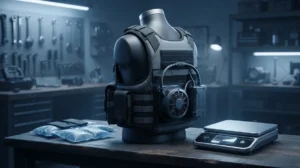
If you’ve ever finished a 12-hour shift drenched in sweat under your body armor, you already know the struggle is real. Heat stress wearing bulletproof vest gear isn’t just uncomfortable, it’s dangerous. It can slow your reaction time, cloud your judgment, and put you at risk right when you need to be sharpest. The good news? You don’t have to just tough it out anymore.
We’ve talked to officers, soldiers, and security pros who’ve felt that trapped, sweaty misery under their armor. That’s exactly why this guide exists. We’re breaking down six practical, proven ways to beat heat stress wearing bulletproof vest gear, so you can stay cool, focused, and ready for whatever your shift throws at you. Let’s get into it, friend.

Why Heat Stress Under Body Armor Is a Bigger Deal Than You Think
Body armor is heavy, thick, and traps heat against your skin like a sauna you can’t escape. When your body can’t cool itself down, your core temperature climbs. That leads to excessive sweating, dizziness, fatigue, and in serious cases, heat exhaustion or heat stroke.
This isn’t just about comfort. According to the OSHA Heat Stress Guide, prolonged heat exposure can impair concentration and physical performance, both of which are critical when you’re wearing protective gear built to strict Body Armor Standards. When your brain is foggy from overheating, split-second decisions get harder. That’s a real risk for anyone in law enforcement, military service, or security work.
The Hidden Cost of Overheating on the Job
Think about it this way: your body armor is doing its job protecting you from physical threats. But if it’s cooking you alive in the process, it’s creating a different kind of danger. Cognitive fatigue from heat stress can slow your reflexes and cloud your thinking exactly when clarity matters most.
- Reduced focus during high-pressure situations
- Slower reaction times in critical moments
- Increased irritability and decision fatigue
- Higher risk of heat exhaustion or heat stroke
- Discomfort that distracts from the task at hand
6 Ways to Beat Heat Stress Wearing Bulletproof Vest Gear
1. Add a True Air Gap With a Ventilation Vest
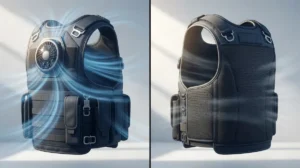
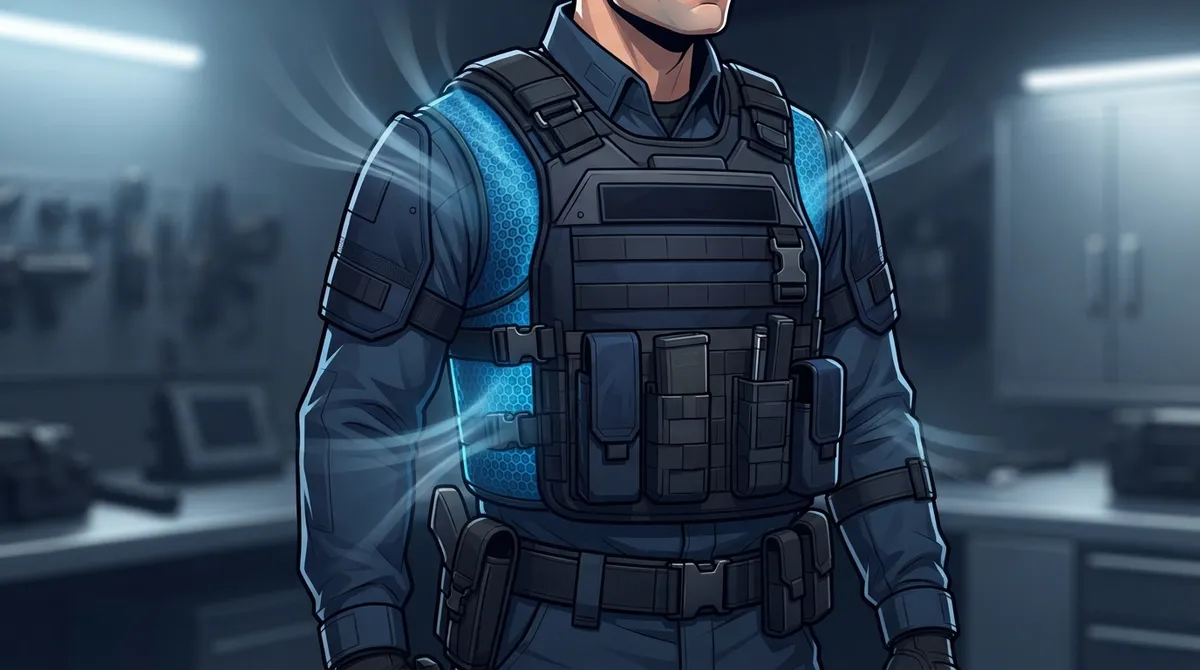
The single best fix for heat stress wearing bulletproof vest gear is creating physical space between your body and your armor. That’s exactly what a ventilation vest does. Instead of your armor sitting flush against your skin, it lifts the vest slightly so air and moisture can actually escape.
The BluHalo ventilation vest was designed by a Chicago police officer who got tired of sweating through 12-hour shifts. It weighs under 7 ounces and lifts your armor about 1.5 inches off your body when inflated, creating that crucial air gap. When you don’t need it, deflate it with a button and it lies flat and unnoticeable. That’s cooling-on-demand, exactly when you need it.
2. Upgrade to Active Fan-Driven Cooling
Passive airflow is great, but active cooling takes things to another level. Fan-driven systems actually circulate fresh air continuously beneath your armor instead of just creating a gap for air to move naturally.
The Blufano system is a great example. It’s a self-contained, active airflow unit with a patented air-redirect spout that slides under any style of body armor. With adjustable settings, it delivers 8 to 32 hours of continuous cooling on a single charge, and it even includes a built-in 10,000mAh power bank to charge your other devices. That kind of staying power matters when your shift runs long and hot.
3. Choose Body Armor With Built-In Ventilation Features
Not all body armor is created equal when it comes to airflow. Some vests include mesh panels and air channels strategically placed in high-sweat zones like your back, underarms, and chest. These passive features help air move naturally, even without added equipment.
If you’re shopping for new armor or accessories, look for these ventilation-friendly design elements. Pairing quality armor with a dedicated cooling system, like those found in our shop, gives you the best of both worlds.
4. Layer Smart With Moisture-Wicking Base Layers
Here’s a simple trick a lot of officers overlook: what you wear under your vest matters just as much as the vest itself. Cotton shirts soak up sweat and hold it against your skin, making things worse. Moisture-wicking fabrics pull sweat away from your body so it can evaporate faster.
Pairing a good base layer with a ventilation vest gives you noticeably better cooling than using either one alone. It’s a small change that makes a big difference over a long, hot shift.
5. Time Your Cooling Strategy Around Your Shift
Not every moment of your shift demands the same level of cooling. Smart officers and soldiers learn to use their gear strategically. Crank up the fan setting during intense physical activity, then dial it back during quieter stretches to extend battery life.
This kind of pacing is especially useful for extended missions or double shifts. Our guide on how to prevent heat stress while wearing body armor breaks down more timing strategies you can use on duty.
6. Maintain Your Cooling Gear So It Keeps Performing
Even the best ventilation vest won’t help you if it’s not properly maintained. Regular care keeps your equipment working at full strength when you need it most.
- Rinse evaporative components regularly to prevent buildup
- Check Velcro attachments for wear and secure fit
- Clean fan units to keep airflow strong and unobstructed
- Inspect seams and inflation points for any damage
- Charge power banks fully before each shift
- Store your gear flat and dry between uses
Comparing Cooling Methods for Heat Stress Wearing Bulletproof Vest Gear
Not all cooling solutions are built the same. Here’s how the main options stack up when it comes to how long they last and how they perform under pressure.
| Cooling Method | Duration of Cooling | Best For |
|---|---|---|
| Active Fan Systems (like Blufano) | 8–32 hours | Extended shifts, high-heat environments |
| Evaporative Cooling Vests | Up to 4 hours | Shorter shifts, mild climates |
| PCM (Phase Change Material) Vests | 1–3 hours | Short bursts of high heat |
| Passive Air Gap Vests (like BluHalo) | All-day, on-demand | Daily wear, low-profile comfort |
As you can see, active fan systems and passive air gap solutions offer the longest, most reliable relief. For a deeper breakdown, check out our comparison on passive vs. active body armor ventilation systems.
Who Benefits Most From Ventilation Vests?
Heat stress wearing bulletproof vest gear isn’t just a police problem. It touches nearly every profession that requires heavy protective equipment in the heat.
- Law Enforcement Officers: Daily patrol shifts in hot cars and outdoor pursuits demand consistent cooling relief.
- Military Personnel: Deployed troops in extreme climates need dependable thermal management for long missions.
- Security Professionals: Extended standing shifts in various climates make lightweight cooling essential.
- Tactical and SWAT Teams: High-intensity operations demand peak physical performance, which heat stress directly undermines.
- Emergency Response Personnel: Firefighters and hazmat teams face some of the most extreme heat conditions on the job.
Real Performance Numbers Worth Knowing
Some ventilation technologies have shown impressive results in independent testing. For example, certain active cooling systems have been shown to reduce body surface temperatures by more than 14.5°F. That’s the difference between pushing through a shift miserably and actually feeling in control of your comfort.
| Feature | BluHalo | Blufano |
|---|---|---|
| Weight | Under 7 ounces | Lightweight, self-contained unit |
| Cooling Type | Passive air gap (inflatable) | Active fan-driven airflow |
| Air Gap Created | Up to 1.5 inches | Continuous circulated airflow |
| Battery Life | N/A (manual pump) | 8–32 hours (10,000mAh power bank) |
| Best Use Case | On-demand comfort, low-profile | Long shifts, extended missions |
Many professionals choose to bundle both systems for maximum cooling performance. You can explore both options together in our shop and see real feedback from users in our reviews section.
How Ventilation Vests Fit Under Any Armor Style
One common worry we hear is whether these systems will work with existing gear. The good news is that both BluHalo and Blufano are designed to be compatible with any armor style. They attach with Velcro or slide under your vest without requiring modifications to your existing equipment.
This flexibility means you don’t have to replace your armor to get relief from heat stress wearing bulletproof vest gear. You simply add a layer of smart cooling technology underneath what you already trust and rely on. Curious how it all works? Check out our videos page for a closer look at these systems in action.
Making the Right Choice for Your Situation
Choosing between passive and active cooling really comes down to your specific needs. If you want something ultra-lightweight and simple, BluHalo’s inflatable design might be your best bet. If you’re facing long shifts or extended missions where consistent airflow matters most, Blufano’s fan-driven system could be the better fit.
Either way, you’re taking a meaningful step toward protecting your focus, your comfort, and honestly, your safety. Heat stress wearing bulletproof vest gear doesn’t have to be something you just accept as part of the job.
Ready to Stay Cooler on Your Next Shift?
You work hard to protect others. It’s time your gear worked a little harder to protect you, too. Whether you’re drawn to the simplicity of BluHalo or the extended power of Blufano, both options were built by people who understand exactly what you’re going through out there. If you have questions about which system fits your needs best, our team is happy to help you find the right solution. Reach out to our team today and take the first step toward beating heat stress wearing bulletproof vest gear for good. You’ve got a tough job to do. Let’s make it a little more comfortable, together.
FAQs
Q: How do ventilation vests prevent heat stress under bulletproof vests?
A: Ventilation vests work by creating a physical air gap between your body and your armor, letting trapped heat and moisture escape instead of building up. Systems like BluHalo lift your vest up to 1.5 inches off your body, while active systems like Blufano continuously circulate fresh air underneath. Together, these approaches tackle heat stress wearing bulletproof vest gear right at the source.
Q: What’s the best cooling solution for law enforcement wearing body armor in hot weather?
A: It really depends on your shift length and needs. For quick, on-demand relief, BluHalo’s lightweight inflatable design is fantastic. For all-day, extended cooling during long or intense shifts, Blufano’s active fan system with 8-32 hours of battery life is hard to beat.
Q: Do ventilation vests really reduce sweat and heat stress under armor?
A: Absolutely, and the results speak for themselves. Officers using these systems report noticeably less sweating and better comfort during long, hot shifts. Some active cooling technologies have even been shown to reduce body surface temperatures by more than 14.5°F, which is a huge relief when you’re stuck in armor all day.
Q: How long do active fan ventilation vests last compared to evaporative cooling vests?
A: Active fan systems like Blufano can run for 8 to 32 hours depending on your fan setting, which is a huge upgrade over evaporative vests that typically max out around 4 hours. That extra staying power makes a real difference during long shifts or extended missions.
Q: Can ventilation vests be used with any type of body armor?
A: Yes, that’s actually one of the best parts. Both BluHalo and Blufano are designed to work with any style of body armor without requiring modifications. You simply attach them underneath your existing gear using Velcro or a slide-in design, so there’s no need to replace your current setup.