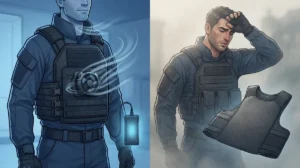
Key Takeaways
-
Use a dedicated ventilation vest like BluHalo that inflates to create a 1.5-inch cooling gap between your body and armor, allowing heat and moisture to escape effectively during long shifts.
-
Switch from cotton to moisture-wicking base layers made of polyester or merino wool, which pull sweat away from skin and allow faster evaporation instead of trapping heat.
-
Ensure your armor fits snugly but not tight—you should take full deep breaths without restriction, as proper fit allows ventilation systems to work effectively and prevents heat trapping.
-
Layer multiple cooling strategies together: combine a ventilation vest, mesh liner, active fan system, hydration, and shade breaks for maximum heat management rather than relying on a single solution.
-
Stay aggressively hydrated by drinking twice as much water as you think needed, since your body cools itself through sweat and dehydration prevents this natural cooling mechanism.
-
Ventilation vests and liners don’t compromise ballistic protection because they sit between your body and the carrier’s interior without interfering with the ballistic panels themselves.
If you wear body armor for work, you already know the struggle. The moment temperatures climb, your vest turns into a heat trap. Sweat builds up. Your core temperature rises. And suddenly, staying focused on the job becomes a lot harder. Whether you’re a patrol officer logging a 12-hour shift, a soldier on a hot deployment, or a security professional working outdoor events, learning how to wear body armor comfortably in heat is not just about comfort — it’s about safety and performance.
The good news? There are real, practical solutions. From choosing the right base layers to investing in active ventilation technology, you can stay cooler and drier all shift long. Let’s walk through 10 tips that actually work.
Why Heat Builds Up Under Body Armor
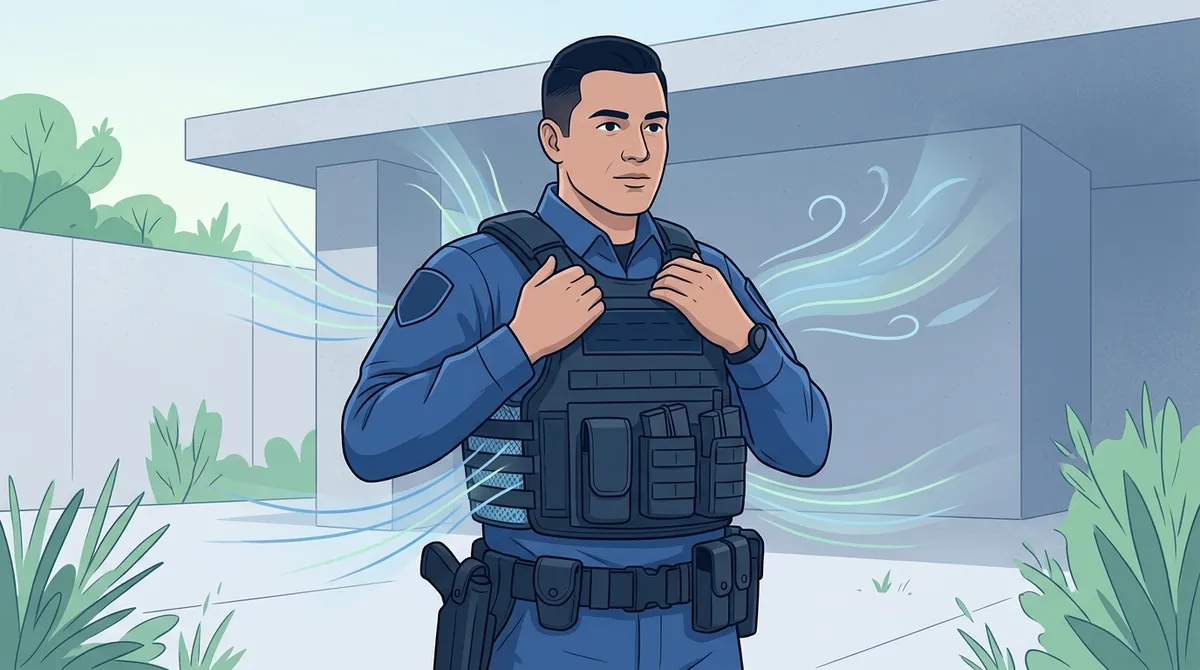
Body armor sits flush against your torso. It blocks the natural airflow your body needs to cool down. Sweat can’t evaporate, heat gets trapped, and your core temperature keeps climbing. According to the OSHA Heat Stress Guide, heat buildup in enclosed gear is a serious occupational hazard that can lead to heat exhaustion or worse.
Understanding why heat builds up helps you choose the right fix. The solution isn’t to remove your armor — it’s to improve airflow under body armor so heat and moisture have somewhere to go.
10 Tips for Wearing Body Armor Comfortably in Heat
1. Use a Dedicated Ventilation Vest
This is the single most effective change you can make. A ventilation vest sits between your body and your armor, creating an air channel that lets heat escape and fresh air circulate. Products like the BluHalo ventilation vest were designed specifically for this purpose. Weighing under 7 ounces, BluHalo inflates on demand to lift your armor up to 1.5 inches off your body, opening up a cooling gap that makes a massive difference during long, hot shifts.
The BluHalo was actually created by a Chicago police officer who experienced firsthand how brutal 12-hour shifts in 95-degree heat can be. That real-world experience shaped a product that genuinely solves the problem. You can browse the full shop to see both ventilation vest options available today.
2. Switch to Moisture-Wicking Base Layers
What you wear under your armor matters more than most people realize. Cotton might feel comfortable at first, but it soaks up sweat and holds it against your skin like a wet rag. That actually makes you hotter when you’re moving around.
Instead, choose base layers made from polyester or merino wool. These fabrics pull moisture away from your skin and allow it to evaporate faster. It’s a simple swap that delivers real comfort benefits. For more on this, check out our guide on moisture-wicking vests for body armor comfort.
3. Get the Fit Right — Snug, Not Tight
A poorly fitted vest makes everything worse. If your armor is too tight, it restricts your breathing and traps even more heat. The goal is a snug fit that allows your abdomen to expand and contract naturally as you breathe.
When adjusting your carrier, check that you can take a full deep breath without restriction. Your armor should move with you, not against you. Proper fit also ensures your ventilation vest or insert has enough room to do its job effectively. Learn more about body armor fit and airflow tips for all-day comfort.
4. Add a 3D Mesh Liner for Passive Airflow
If you want a low-tech boost, 3D mesh liners are a solid option. These perforated inserts sit inside your carrier and create small air channels through natural convection. As you move, air flows through the mesh and carries heat away from your body.
They won’t match the performance of an active fan system, but they’re lightweight and easy to add to almost any carrier. Think of them as a passive upgrade that works 24/7 without any battery required. For a full comparison, read about passive vs. active tactical vest ventilation.
5. Upgrade to Active Fan-Driven Cooling
For serious heat management, active cooling is the way to go. The BluFano fan system is a self-contained unit that slides under any style of body armor and delivers adjustable fan-driven airflow for 8 to 32 hours on a single charge. It features a patented air-redirect spout and a built-in 10,000mAh power bank that can also charge your USB devices.
That kind of continuous airflow is a game-changer for officers on extended shifts or soldiers in high-heat deployment zones. The active cooling system works by pushing fresh air beneath your armor constantly, so heat never gets a chance to build up. You can also compare BluFano vs BluHalo to find the right fit for your needs.
6. Stay Aggressively Hydrated
Your body cools itself through sweat — but only if you have enough fluids to sweat in the first place. Experts recommend drinking twice as much water as you think you need when wearing armor in the heat. By the time you feel thirsty, you’re already behind.
Keep a water bottle accessible throughout your shift. Set a reminder if you need to. Hydration is free, easy, and one of the most powerful tools you have for preventing heat stress while wearing body armor.
7. Take Smart Shade Breaks
Short breaks in a cool or shaded environment can significantly lower your core temperature. If you have access to an air-conditioned vehicle or building, even a 5-minute break can help your body reset. Unzipping your outer uniform shirt during these breaks speeds up the cooling process.
This tip pairs especially well with an active ventilation system. While you’re in your vehicle with the AC running, your BluFano fan system can rapidly pull that cool air under your armor for faster recovery. It’s a simple tactic that reduces core body temperature on patrol effectively.
8. Use Temporary Cooling Aids Strategically
Disposable ice packs tucked into your vest can provide quick cooling relief. They typically need to be swapped out every 20 minutes, so they’re best used during breaks or high-intensity moments rather than as an all-day solution. Cooling towels on the neck and wrists are another easy addition that helps your body offload heat quickly.
These temporary aids work best as a complement to your primary ventilation system, not a replacement. Think of them as emergency relief tools in your comfort toolkit. For more ideas, check out these hot weather gear essentials for body armor wearers.
9. Verify That Your Ventilation Doesn’t Compromise Protection
A common concern among professionals is whether adding a ventilation layer affects ballistic protection. The answer is no — when used correctly. Proper ventilation vests and liners sit between your body and the inside of your carrier. They don’t interfere with the ballistic panels themselves.
The Body Armor Standards from the National Institute of Justice are clear that ballistic performance is determined by the panels and carrier, not what sits between the carrier and your body. Always confirm compatibility with your specific armor setup, but rest assured that a well-designed ventilation vest doesn’t reduce your protection. Learn more about why breathable body armor matters for your safety.
10. Bundle Your Cooling Systems for Maximum Results
The most effective approach combines multiple strategies. Use a moisture-wicking base layer. Add a passive mesh liner inside your carrier. Wear a BluHalo ventilation vest for on-demand inflation. Pair it with a BluFano fan system for continuous active airflow. Stay hydrated. Take shade breaks. Each layer of protection stacks on top of the others.
You can bundle both the BluHalo and BluFano together at a discount to maximize your cooling performance under gear. It’s the complete system approach that professionals in extreme heat environments rely on. Visit the BluHalo home page to see bundle options and read real reviews from officers and soldiers who’ve made the switch.
Quick Comparison: Passive vs. Active Cooling Methods
| Method | Cooling Level | Duration | Best For |
|---|---|---|---|
| 3D Mesh Liner | Low | Continuous (passive) | Mild heat, everyday use |
| Ice Packs | Medium | ~20 minutes per pack | Short-term relief, breaks |
| BluHalo Ventilation Vest | Medium-High | On demand | Patrol, daily duty wear |
| BluFano Fan System | High | 8–32 hours per charge | Extended shifts, hot climates |
| Combined BluHalo + BluFano | Maximum | Full shift coverage | SWAT, military, emergency response |
Base Layer Fabric Comparison
| Fabric | Moisture Wicking | Heat Retention | Recommended Under Armor? |
|---|---|---|---|
| Cotton | Poor | High | No |
| Polyester Blend | Excellent | Low | Yes |
| Merino Wool | Very Good | Low | Yes |
| Nylon | Good | Low-Medium | Yes (lightweight options) |
Common Mistakes That Make Heat Worse
Knowing what NOT to do is just as important as knowing the right steps. Here are some common mistakes that make heat under armor worse:
- Wearing cotton undershirts — Cotton traps sweat and raises your skin temperature fast.
- Tightening your carrier too much — Overly tight armor restricts airflow and breathing.
- Skipping hydration — Without enough water, your body can’t sweat effectively to cool down.
- Ignoring early warning signs — Dizziness, nausea, and confusion are signs of heat illness. Stop and cool down immediately.
- Relying on a single cooling method — No single solution works perfectly alone. Layering strategies delivers the best results.
For a deeper dive, read about the most common heat release mistakes that make body armor unbearable.
Heat Management by Role
| Role | Primary Challenge | Recommended Solution |
|---|---|---|
| Law Enforcement / Patrol | Long shifts, vehicle transitions | BluHalo + moisture-wicking base layer |
| Military / Deployed Soldiers | Extreme heat, extended missions | BluFano fan system + shade breaks |
| Security Professionals | Outdoor exposure, variable climates | Mesh liner + hydration strategy |
| SWAT / Tactical Teams | High-intensity ops, heavy armor | Full BluHalo + BluFano bundle |
| Emergency Responders | Extreme environments, unpredictable conditions | Active fan cooling + ice pack backup |
Your Next Step Toward All-Day Comfort
Learning how to wear body armor comfortably in heat doesn’t require a complete gear overhaul. Start with your base layer. Adjust your fit. Add a ventilation vest. Then layer in active cooling if your role demands it. Small, consistent changes add up to a dramatically more comfortable and safer shift.
The professionals who designed the BluHalo and BluFano systems understand what it’s like to work in armor under extreme heat. These tools were built from real-world experience, not just engineering specs. They’re designed to help everyday heroes — officers, soldiers, security professionals, and first responders — do their jobs without suffering through the heat.
Ready to find the right cooling solution for your setup? Reach out to our team and we’ll help you figure out the best combination for your role, your armor, and your environment. You’ve already got the tough job handled — let us help you handle the heat.
FAQs
Q: How do I adjust my body armor vest to be comfortable in hot weather?
A: Set your carrier to a snug fit — not too tight. You should be able to take a full, deep breath without restriction. A properly fitted carrier paired with a ventilation vest like BluHalo creates space for airflow and makes a huge difference in hot conditions.
Q: What is the best shirt to wear under body armor for heat management?
A: Skip cotton entirely — it holds sweat against your skin and makes you hotter. Go with a polyester blend or merino wool base layer instead. These fabrics wick moisture away from your body and help sweat evaporate much faster, keeping you cooler and drier all shift long.
Q: Do ventilation vests compromise the ballistic protection of my armor?
A: Not at all! Ventilation vests like BluHalo sit between your body and the inside of your carrier without touching the ballistic panels. Your protection stays fully intact, and you get the added bonus of improved airflow and comfort during long, hot shifts.
Q: How long does the BluFano fan system run on a single charge?
A: The BluFano delivers 8 to 32 hours of continuous fan-driven airflow depending on the speed setting you choose. It also includes a built-in 10,000mAh power bank so you can charge your USB devices while staying cool — perfect for extended shifts or missions.
Q: Can I use ice packs inside my body armor vest safely?
A: Yes, disposable ice packs can be tucked into your vest for quick cooling relief, typically lasting around 20 minutes each. They work best as a short-term supplement during breaks or high-heat moments, not as a replacement for a proper ventilation system like BluHalo or BluFano.