Key Takeaways
-
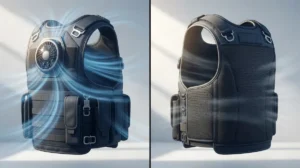
Use an active ventilation vest like BluHalo to create an air gap between your body and armor, lifting the vest 1.5 inches off your body to allow heat and moisture to escape effectively.
-
Wear moisture-wicking base layers made from polyester blends or merino wool instead of cotton, as they pull sweat away from skin and allow faster evaporation throughout your shift.
-
Pair a ventilation vest with an active fan system like Blufano for extended shifts, which delivers continuous airflow for 8-32 hours depending on settings for superior cooling.
-
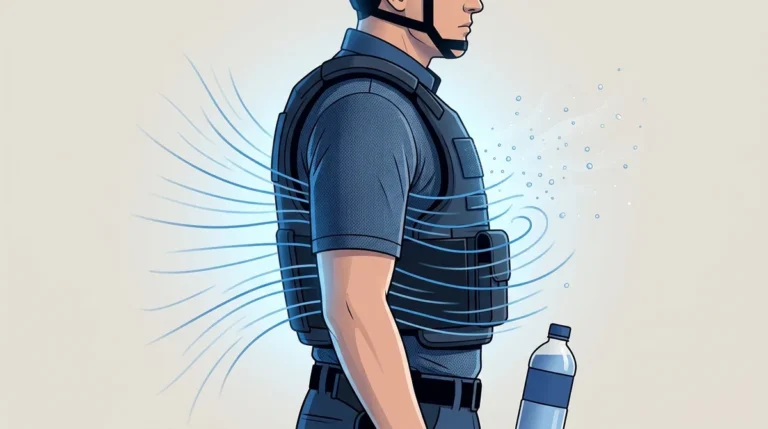
Stay consistently hydrated throughout your shift by drinking water proactively rather than waiting until thirsty, as proper hydration helps your body regulate temperature more efficiently.
-
Ensure your bulletproof vest fits correctly without being too tight or loose, as proper fit maintains natural airflow and allows ventilation products to work more effectively.
-
Clean and maintain your gear regularly, at least weekly if worn daily, to remove sweat buildup and bacteria that trap heat and cause skin irritation.
If you wear a bulletproof vest every day, you already know the struggle. Heat builds up fast. Sweat soaks through your shirt. By midshift, you feel like you’ve been sitting in a sauna. Learning how to reduce sweating under bulletproof vest gear is not just about comfort — it is about staying focused, safe, and effective on the job.
The good news? You do not have to just suffer through it. There are real, practical steps you can take today to stay cooler and drier no matter how long your shift runs. Whether you are a patrol officer, security professional, soldier, or first responder, these tips are designed with you in mind. Let’s get into it!

Why Sweating Under Body Armor Is Such a Big Problem
Body armor is designed to protect you — but it also traps heat like a greenhouse. The panels sit close to your body, blocking airflow and preventing sweat from evaporating. This creates a hot, humid environment against your skin that gets worse as the day goes on.
Excessive sweating under a vest is more than just uncomfortable. It leads to skin irritation, heat rash, and even heat exhaustion in extreme cases. According to the OSHA Heat Stress Guide, workers in hot environments face real health risks when heat cannot escape from the body efficiently. For those in body armor, that risk is even higher.
The Body Armor Standards from the National Institute of Justice focus on protection levels — but thermal comfort is a growing area of interest for professionals who wear armor for extended periods. Reducing sweat buildup is essential for long-term health and daily performance.

8 Proven Ways to Reduce Sweating Under Your Bulletproof Vest
1. Use an Active Ventilation Vest
This is the single most effective solution available in 2026. A ventilation vest fits between your body and your body armor. It creates an air gap that lets heat and moisture escape instead of building up against your skin. This is not a passive fix — it actively changes the airflow environment under your gear.
The BluHalo ventilation vest was actually created by a Chicago police officer who was tired of overheating on long shifts. It weighs under 7 ounces and inflates on demand to lift your vest up to 1.5 inches off your body. That small gap makes a massive difference in how much heat and sweat builds up during a shift. You can check out the full product lineup to find the right fit for your needs.
2. Add an Active Fan System for Continuous Airflow
If you want next-level cooling, pair your ventilation vest with an active fan system. The Blufano fan system slides under any style of body armor and delivers adjustable fan-driven airflow for 8 to 32 hours depending on your settings. That means you get real, consistent airflow throughout your entire shift — not just a brief cool-down.
Blufano includes a built-in 10,000mAh power bank, so it can even charge your devices while keeping you cool. It also has a forward-facing light for low-visibility situations. For a detailed side-by-side look, check out this BluFano vs BluHalo comparison to see which system fits your duty requirements best.
3. Wear Moisture-Wicking Undershirts
What you wear under your vest matters a lot. Cotton holds moisture against your skin. Moisture-wicking fabrics pull sweat away from your body and allow it to evaporate faster. This simple swap can make a noticeable difference in how comfortable you feel throughout a shift.
Look for lightweight, breathable fabrics like polyester blends or merino wool. These materials are designed for active use and work well under body armor. Check out the top picks for moisture-wicking vests for body armor comfort in 2026 for a curated list of options that work well with protective gear.
4. Ensure Your Vest Fits Correctly
A poorly fitted vest makes sweating worse. If your vest is too tight, it presses directly against your body and eliminates any natural airflow that might exist. If it is too loose, it shifts and rubs, creating friction and heat. The right fit allows your vest to sit securely without compressing your torso too aggressively.
Getting the fit right also helps ventilation products work better. An inflatable vest like the BluHalo needs a small amount of space to create its cooling air gap effectively. Visit our guide on body armor fit and airflow tips for all-day comfort to learn how to optimize your setup.
5. Take Advantage of Air Conditioning Strategically
If you have access to an air-conditioned vehicle or building during your shift, use those moments wisely. Briefly removing your vest when safely possible and allowing your body to cool down can reset your core temperature and reduce overall sweat output. Even a few minutes of relief adds up over a long shift.
Officers using the Blufano fan system have reported that sitting in their vehicle with the AC running while the fan circulates air under their vest dramatically speeds up the cooling process. That combination of external cooling and internal airflow is hard to beat. Learn more about staying cool under body armor with smart ventilation strategies.
6. Stay Hydrated Throughout Your Shift
Hydration plays a direct role in how your body manages heat. When you are well-hydrated, your body sweats more efficiently and regulates temperature better. When you are dehydrated, your core temperature rises faster and you feel hotter sooner. It sounds simple, but staying ahead of your fluid intake is one of the easiest ways to manage heat under your vest.
Aim to drink water consistently throughout your shift rather than trying to catch up all at once. Electrolyte drinks can also help during especially hot days or physically demanding operations. This is a free, zero-equipment strategy that every professional in body armor should be using every single day.
7. Clean and Maintain Your Gear Regularly
Sweat and bacteria build up in your carrier and undershirt over time. This buildup can actually make you feel hotter and cause skin irritation. Regular cleaning of your vest carrier and base layers removes odor-causing bacteria and helps the materials perform better. Think of it as maintenance for your comfort, not just hygiene.
For tips on keeping your gear fresh and functional, check out this resource on how to prevent heat stress while wearing body armor. Clean gear is comfortable gear — and comfortable gear performs better. Even small details like airing out your carrier between shifts can reduce moisture buildup significantly.
8. Choose the Right Combination of Cooling Solutions
No single solution works perfectly for every situation. The best results come from combining multiple strategies. Pair a moisture-wicking base layer with an active ventilation vest, add a fan system on especially hot days, stay hydrated, and maintain your gear regularly. That layered approach gives you the best chance of staying cool and dry no matter what your shift throws at you.
For a deeper look at how to build the right combo for your specific needs, explore the best vest cooling systems for beating the heat in body armor. You can also explore passive vs. active body armor ventilation comparisons to understand which approach delivers the most relief for your duty environment.
Quick Comparison: Cooling Strategies at a Glance
| Strategy | Cost Level | Effectiveness | Best For |
|---|---|---|---|
| Active Ventilation Vest (BluHalo) | Low ($60) | Very High | All-day comfort, all users |
| Fan System (Blufano) | Medium | Very High | Extended shifts, high-heat environments |
| Moisture-Wicking Base Layer | Low | Moderate | Everyday sweat reduction |
| Proper Vest Fit | Free | Moderate | All users, foundation strategy |
| Strategic AC Use | Free | Moderate | Vehicle-based officers |
| Hydration | Free | Moderate | All users, daily must-do |
| Regular Gear Cleaning | Free | Low-Moderate | Hygiene and skin health |
| Layered Cooling Combo | Varies | Highest | Maximum relief, all environments |
Who Benefits Most From These Strategies?
| Professional Type | Top Challenge | Best Solution |
|---|---|---|
| Law Enforcement Officers | Long patrol shifts in heat | BluHalo + moisture-wicking base layer |
| Military Personnel | Extended missions in high-heat zones | Blufano fan system + hydration |
| Security Professionals | Varied climates, outdoor exposure | Layered cooling combo |
| SWAT / Tactical Teams | High-intensity operations with heavy gear | Active ventilation + proper fit |
| Emergency Responders | Extreme heat with protective gear | Blufano + cooling strategy layering |
Signs You Need Better Cooling Under Your Vest
Not sure if your current setup is good enough? Here are some clear warning signs that it is time to upgrade your approach to managing heat and sweat under your bulletproof vest:
- You are soaked through your undershirt within the first hour of your shift
- You feel dizzy, lightheaded, or mentally foggy during hot days
- You notice heat rash or skin irritation where your vest contacts your body
- Your vest smells bad even after cleaning because bacteria keeps building up
- You find yourself dreading putting on your gear because of how hot it gets
If any of those sound familiar, you are not alone — and you do not have to accept that as the norm. These are solvable problems. For a full breakdown of how heat affects your performance and decision-making, read about the 6 heat stress effects on police performance that every officer should know about.
Common Mistakes to Avoid
Even with the best intentions, there are some easy mistakes people make when trying to reduce sweating under their vest. Avoid these to get better results from whatever cooling strategy you choose:
- Skipping hydration — Waiting until you are thirsty means you are already behind. Drink water proactively throughout your shift.
- Wearing cotton base layers — Cotton holds moisture against your skin and slows evaporation. Switch to moisture-wicking fabrics as soon as possible.
- Ignoring vest fit — A vest that is too tight blocks all potential airflow. Get a proper fitting if you have not had one recently.
- Relying on a single solution — One fix rarely solves the whole problem. Layer your strategies for best results.
- Neglecting gear maintenance — Dirty gear traps more heat and causes skin issues. Clean and air out your carrier regularly.
For an even deeper dive into what not to do, check out the guide on mistakes to avoid with a body armor ventilation system. Small errors can undercut even the best gear, so it pays to know what to watch out for.
How Ventilation Technology Has Changed the Game in 2026
The options available today are dramatically better than what officers and soldiers had to work with even a few years ago. Active ventilation systems have become lighter, longer-lasting, and more affordable. Products like the BluHalo and Blufano represent a new generation of gear that was designed specifically for professionals who wear body armor every day.
The difference between passive and active tactical vest ventilation has never been clearer. Passive solutions rely on fabric design and airflow that happens naturally — which is minimal when you are wearing a full ballistic vest. Active solutions create airflow on purpose, pushing or circulating fresh air under the armor where it is needed most. That is a fundamentally different approach, and the results speak for themselves.
If you are curious about the science behind how these systems work, visit this detailed explanation of how air circulation under a bulletproof vest actually works. It is a fascinating look at the engineering that goes into modern comfort solutions for body armor wearers.
It is also worth noting that comfort is not just a quality-of-life issue — it directly impacts your ability to do your job. Just like Segovia Orthodontics understands that physical comfort affects confidence and daily function, the same principle applies to professionals in body armor. When you feel good physically, you perform better mentally and respond faster when it counts.
Wrapping It All Up
Knowing how to reduce sweating under bulletproof vest gear is one of the most practical things you can do for your health and performance on duty. From active ventilation vests and fan systems to moisture-wicking fabrics and proper hydration, there are multiple layers of solutions available to you right now.
The best approach is always a combination: start with a great base layer, add an active ventilation system like the BluHalo, stay hydrated, and maintain your gear consistently. If your shifts are especially long or hot, adding the Blufano fan system will take your comfort to a whole new level. You can explore all available options by visiting the BluHalo home page and reading real reviews from officers and professionals who have already made the switch.
Ready to take control of your comfort and stop suffering through sweaty shifts? Get in touch with the BluHalo team today and find the right ventilation solution for your specific needs. You deserve to feel good while doing the important work you do every single day.
FAQs
Q: How does a ventilation vest help reduce sweating under a bulletproof vest?
A: A ventilation vest creates a small air gap between your body and the armor, which allows heat and moisture to escape instead of building up against your skin. Products like the BluHalo inflate on demand to lift your vest off your body and let fresh air circulate underneath. It is one of the most effective ways to reduce sweating under a bulletproof vest during long shifts.
Q: What is the best fabric to wear under a bulletproof vest to reduce sweating?
A: Moisture-wicking fabrics like polyester blends or merino wool are your best bet for reducing sweat buildup under body armor. These materials pull moisture away from your skin and allow it to evaporate much faster than cotton does. Swapping out your cotton undershirt for a moisture-wicking option is one of the easiest and most affordable changes you can make right now.
Q: Can a fan system really make a difference under body armor?
A: Absolutely! Active fan systems like the Blufano are designed specifically to circulate fresh air underneath body armor for 8 to 32 hours at a time. Officers who use them report feeling noticeably cooler, sweating less, and staying more focused throughout their shifts. When paired with a ventilation vest, the results are even more impressive.
Q: How often should I clean my body armor carrier to help with sweating?
A: Ideally, you should wash your vest carrier at least once a week if you wear it daily, or more often during hot seasons. Regular cleaning removes sweat residue and odor-causing bacteria that build up over time and can make heat issues worse. Airing out your carrier between shifts is also a great habit to get into.
Q: Is it safe to wear a ventilation vest under body armor without affecting protection?
A: Yes! Ventilation vests like the BluHalo are specifically designed to be worn under body armor without compromising its protective function. The vest is lightweight, low-profile, and sits flat when deflated, so it does not interfere with how the armor fits or performs. Always make sure your armor still meets fit and coverage requirements after adding any undergarment.