Key Takeaways
-
Replace cotton undershirts with moisture-wicking fabrics to prevent sweat from being trapped against your skin, which acts as insulation and worsens heat buildup under body armor.
-
Use ventilation vests that create an air gap of up to 1.5 inches between your body and armor to allow heat and moisture to escape freely instead of accumulating against your skin.
-
Pair passive ventilation with active fan systems like Blufano for extreme heat situations, as passive systems alone may be insufficient during long shifts or high-intensity operations in temperatures above 85°F.
-
Poor heat release directly degrades operational performance by reducing focus, slowing reaction time, and increasing fatigue—making thermal management a safety priority, not just a comfort issue.
-
Select modern vest materials like high-tensile polyethylene and phase change materials over heavy, absorbent fabrics that trap heat and sweat, which compromises both comfort and performance.
-
Customize your heat release approach based on your specific environment and shift duration—using different strategies for mild patrols versus extreme heat tactical operations ensures optimal cooling effectiveness.
If you wear body armor for a living, you already know the struggle. The heat builds up fast. Sweat soaks through your shirt. Your focus starts to slip. And by hour four of a twelve-hour shift, you’re wondering how much longer you can push through the discomfort. The culprit? Poor heat release under your vest.
Heat release isn’t just about comfort — it’s about performance and safety. When your body can’t shed heat efficiently, fatigue sets in faster, reaction time slows, and heat stress becomes a real risk. According to the OSHA Heat Stress Guide, prolonged heat exposure can lead to serious health complications, especially during high-intensity work. The good news? Most heat release problems are totally avoidable. Let’s walk through the six most common mistakes — and how to fix them.

What Heat Release Actually Means Under Body Armor
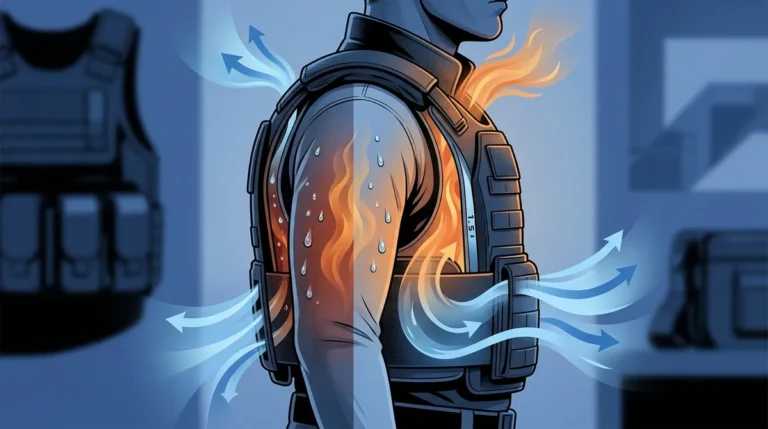
Before we dive into the mistakes, let’s get clear on what heat release means in the context of wearing a vest. Heat release is the process of allowing trapped body heat and moisture to escape from under your body armor. When you wear a vest, it sits flush against your body, cutting off airflow completely. Your body sweats to cool itself, but that sweat has nowhere to go. Heat builds. Moisture builds. Discomfort skyrockets.
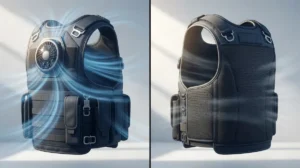
Effective heat release requires three things: separation between the vest and your body, airflow through that gap, and materials that move moisture away rather than trapping it. Vest ventilation tackles all three of these elements at once — and that’s exactly why it works so well for officers, soldiers, and security professionals alike.

Mistake #1: Relying Only on a Cotton Undershirt
This is probably the most common mistake people make. A standard cotton undershirt feels comfortable at first, but cotton absorbs moisture and holds onto it. Instead of helping with heat release, it becomes a wet, heavy layer stuck between your skin and your armor. That trapped moisture acts like insulation — keeping heat in rather than letting it out.
The fix is simple: swap cotton for moisture-wicking fabrics. These materials pull sweat away from your skin and allow it to evaporate, supporting better heat release throughout your shift. It’s a small change that makes a big difference, especially in hot weather operations.

Mistake #2: Wearing a Vest That Sits Flush Against Your Body
When your vest presses directly against your torso with zero air gap, heat has no escape route. This is one of the biggest barriers to effective heat release. No gap means no airflow. No airflow means no cooling. It’s that simple.
Products like the BluHalo ventilation vest are specifically designed to solve this problem. BluHalo lifts your vest up to 1.5 inches off your body, creating a channel for air to move through. That gap allows heat and moisture to escape freely instead of building up against your skin. It was created by a Chicago police officer who understood exactly what it feels like to sweat through a 12-hour shift in 95-degree heat — so it’s built around real-world needs.
| Vest Setup | Air Gap | Heat Release Effectiveness | Comfort Level |
|---|---|---|---|
| No ventilation system | 0 inches | Very Low | Poor |
| Cotton undershirt only | 0 inches | Low | Below Average |
| Passive ventilation panel | ~0.5 inches | Moderate | Average |
| BluHalo inflatable vest | Up to 1.5 inches | High | Excellent |
| BluHalo + Blufano fan system | Up to 1.5 inches + active airflow | Maximum | Superior |
Mistake #3: Ignoring Active Airflow Solutions
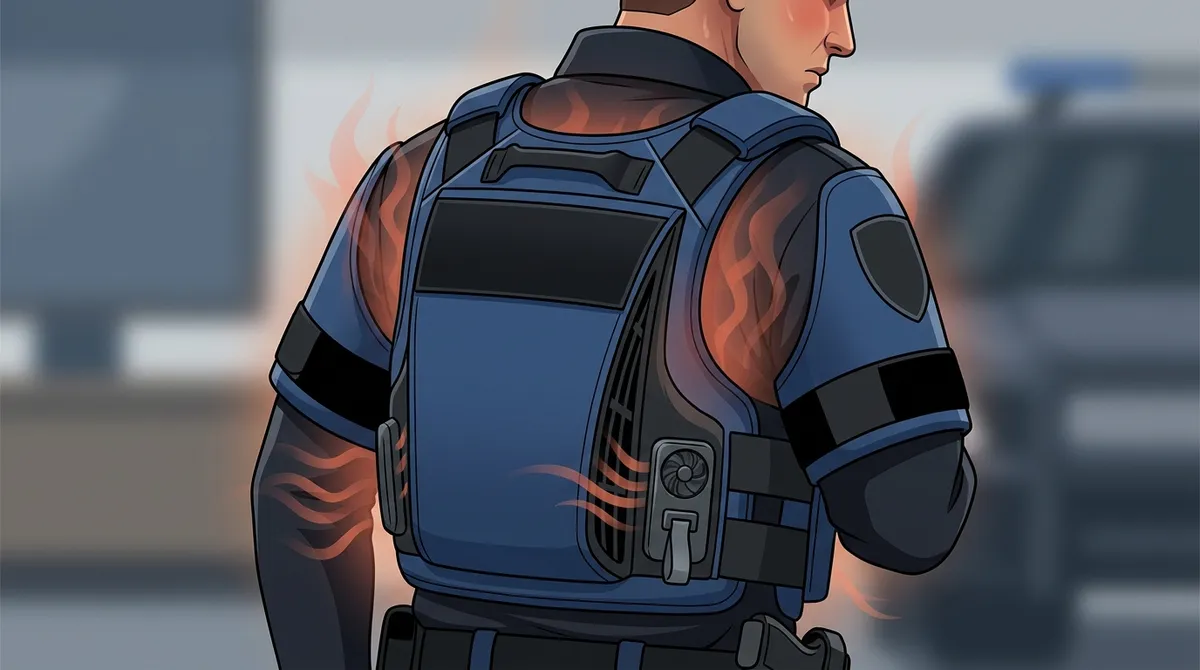
Passive ventilation helps. But if you’re working long shifts in extreme heat, passive systems alone may not cut it. Passive solutions create a gap and rely on natural air movement. Active systems use fans to push fresh air under your armor constantly — and that’s a game-changer for heat release.
The Blufano fan system takes active cooling to another level. It features a patented air-redirect spout that slides under any style of body armor. You can control airflow with a simple knob, and the built-in 10,000mAh battery powers the fan for 8 to 32 hours depending on your setting. It even doubles as a USB power bank and includes a forward-facing light for low-light situations. If you haven’t explored active airflow for heat release yet, you’re missing out on one of the most effective tools available in 2026.
Want to see how these systems compare side by side? Check out our guide on the best vest cooling systems for beating the heat in body armor for a deeper breakdown.
Mistake #4: Choosing Heavy or Absorbent Vest Materials
Not all vest materials are created equal when it comes to heat release. Heavy fabrics and foam-based insulators trap heat instead of letting it escape. They absorb sweat, add weight, and make the problem worse over time. This is especially true for older vest designs that weren’t built with thermal management in mind.
Modern ventilation vests use lightweight, high-performance materials that actively support heat release. Here’s what to look for:
- High-tensile polyethylene: Durable, lightweight, and does not absorb sweat or contaminants
- Hypoallergenic elastomers: Gentle on skin and resistant to moisture buildup
- Moisture-wicking mesh fabrics: Pull sweat away from the body and encourage evaporation
- Phase change materials (PCMs): Absorb and release heat to help regulate body temperature
- Ventilation channels: Built-in pathways that guide airflow across the torso for consistent heat release
Understanding what’s under your armor matters just as much as the armor itself. Learn more about what body armor ventilation is and why you need one.
Mistake #5: Thinking One Solution Fits Every Situation
Here’s a mistake even experienced officers and tactical professionals make: assuming one heat release method works for every environment. The truth is, different conditions call for different strategies. A passive ventilation panel might work fine on a moderate day. But during a high-intensity SWAT operation in summer heat, you need active airflow and superior moisture management working together.
| Environment / Situation | Recommended Heat Release Approach | Key Priority |
|---|---|---|
| Standard patrol shift (mild weather) | Moisture-wicking base layer + passive separation | Moisture management |
| Hot weather patrol (85°F+) | Ventilation vest with active fan system | Airflow and heat dissipation |
| Tactical/SWAT operation | Inflatable vest + active fan for max cooling | Performance and focus |
| Extended security shifts (8+ hours) | Long-battery fan system like Blufano | Sustained comfort |
| Emergency response in extreme heat | Full ventilation system with 360-degree separation | Heat stress prevention |
Knowing your environment helps you choose the right heat release setup before your shift starts — not halfway through when you’re already overheating. If you’re not sure where to start, this guide on choosing the right body armor ventilation vest in 2026 is a great resource.
Mistake #6: Underestimating the Impact of Heat Stress on Performance
This last mistake is the most dangerous one. Many professionals push through discomfort and chalk it up to “just part of the job.” But poor heat release doesn’t just make you sweaty and uncomfortable — it actively degrades your performance. Heat stress reduces focus, slows reaction time, and increases fatigue. In high-stakes situations, that’s a serious risk.
Research from Body Armor Standards highlights how armor design impacts officer health and performance over time. The takeaway is clear: thermal management isn’t optional. It’s a core part of staying effective in the field. Treating heat release as a priority — not an afterthought — is what separates professionals who perform well all shift long from those who are just surviving by the end.
Studies show that ventilation systems like TacVent can lower body surface temperatures by at least 14.5°F through true space separation. That kind of temperature drop translates directly into reduced fatigue, better alertness, and improved operational outcomes. You can read more about how to prevent heat stress while wearing body armor for practical steps you can start using right away.
How to Build the Ideal Heat Release System
Now that you know the six biggest mistakes, let’s put it all together. Here’s a simple step-by-step approach to building an effective heat release system under your body armor:
- Start with the right base layer. Choose a moisture-wicking, lightweight fabric that moves sweat away from your skin instead of holding onto it.
- Add a ventilation vest for separation. Use an inflatable or structured vest to lift your armor off your body and create an air gap for heat to escape.
- Consider an active fan system for hot conditions. If you work in heat or during long shifts, a fan-driven system like Blufano keeps fresh air moving continuously under your armor.
- Bundle your solutions for maximum results. BluHalo and Blufano are available as a bundle, combining passive lift with active airflow for superior heat release performance.
- Adjust based on conditions. Use more aggressive cooling on hot days and higher-intensity operations; dial it back when conditions are milder.
- Monitor how your body feels. Early signs of heat stress include headaches, nausea, and confusion. Catch them early and adjust your setup accordingly.
This layered approach gives you the best possible heat release at every level — from the fabric against your skin all the way to the active airflow system under your armor. For a closer look at what makes ventilation systems so effective for officers, visit body armor ventilation: a game-changer for officers.
Quick Comparison: Passive vs. Active Heat Release
| Feature | Passive Ventilation | Active Fan System (Blufano) |
|---|---|---|
| Airflow source | Natural movement | Fan-driven, continuous |
| Effectiveness in still air | Limited | Excellent |
| Battery required | No | Yes (10,000mAh built-in) |
| Runtime | Unlimited (passive) | 8–32 hours |
| Best for | Mild to moderate heat | Extreme heat, long shifts |
| Heat release quality | Good | Superior |
Small Changes, Big Comfort
You don’t have to accept suffering through every shift. Each of these six mistakes is fixable — and fixing even one of them can make a noticeable difference in how you feel on the job. Start with what’s most accessible, whether that’s switching to a moisture-wicking base layer or adding a ventilation vest like BluHalo. Then build from there.
If you’re ready to take heat release seriously, explore the full range of solutions at the BluHalo shop and find the right fit for your needs. Or browse real reviews from officers and professionals who’ve already made the switch. You deserve to be comfortable while doing an important job — and the right heat release system makes that possible.
Ready to take the next step toward a cooler, more comfortable shift? Reach out to the BluHalo team and let us help you find the perfect ventilation solution for your situation. You’ve already got enough to handle out there — staying cool shouldn’t be one more thing to worry about.
FAQs
Q: How do ventilation vests improve heat release under body armor?
A: Ventilation vests create a physical gap between your body and your armor — sometimes up to 1.5 inches — so heat and sweat can escape instead of building up against your skin. This separation, combined with moisture-wicking materials and optional fan systems, gives trapped heat a clear path out. It’s one of the simplest and most effective upgrades you can make for all-day comfort!
Q: Can a ventilation vest really make a difference in extreme heat?
A: Absolutely — and the numbers back it up! Passive ventilation systems have been shown to lower body surface temperatures by at least 14.5°F, and active fan systems like Blufano push fresh air continuously for 8 to 32 hours. Whether you’re on a hot patrol shift or a high-intensity tactical operation, the right vest setup can significantly reduce heat stress and keep you sharper throughout the day.
Q: What is the difference between passive and active heat release systems?
A: Passive systems — like an inflatable ventilation vest — create a gap that lets heat escape naturally as you move. Active systems, like the Blufano fan unit, use a battery-powered fan to push fresh air under your armor continuously, which is especially helpful in still or extremely hot air. For the best heat release performance, many professionals use both together as a bundle.
Q: Is the BluHalo ventilation vest comfortable to wear all day?
A: Yes! BluHalo weighs under 7 ounces, sits flat and unobtrusive when deflated, and can be inflated on demand whenever you need that cooling air gap. Officers who wear it report major comfort improvements even on 12-hour shifts in high heat — so it’s built for real-world, all-day use. Plus, it attaches with Velcro and deflates quickly with a button, making it super easy to manage on the job.
Q: How do I choose the right heat release solution for my situation?
A: It really comes down to your environment and shift length. For milder conditions, a moisture-wicking base layer plus a passive ventilation vest may be all you need. For hot weather, long shifts, or high-intensity operations, pairing BluHalo with the Blufano active fan system gives you maximum heat release performance. When in doubt, reach out to the BluHalo team — they’re happy to help you find the right fit!