Key Takeaways
-
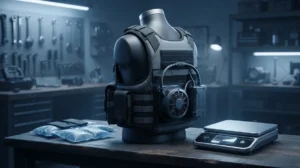
Proper ventilation underneath body armor is critical for officer safety and performance—heat stress reduces decision-making speed, reaction time, and alertness, directly impacting field effectiveness and health outcomes.
-
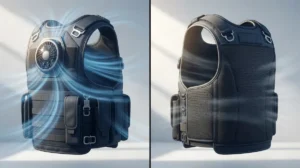
Three ventilation system types exist: passive mesh (no power needed, lightweight), active fan-powered (best for hot climates), and hybrid approaches—matching your system to your assignment and climate is essential for optimal cooling.
-
BluHalo’s inflatable vest weighs under 7 ounces and lifts armor 1.5 inches off the body for natural airflow, while the Maxx-Dri Vest offers 360° ventilation with lifetime warranty and anti-bacterial fabric treatment.
-
Standard cotton and athletic undershirts fail to address the core problem of insufficient airflow between body and armor—purpose-built ventilation systems create physical air gaps that cotton cannot replicate.
-
Proper fitting and daily maintenance are critical: measure chest circumference against manufacturer charts, test full range of motion before duty shifts, and machine wash on gentle cycle after each shift to extend vest lifespan.
-
Ventilation vest selection should prioritize weight (under 8 ounces), moisture-wicking capabilities, anti-bacterial treatment, adjustability, and warranty coverage—look for NIJ-tested and NTOA-recommended products for verified safety.
When Officer Mike Thompson collapsed from heat stroke during a routine patrol in Phoenix, his department discovered that even the best body armor becomes a liability without proper ventilation underneath. His story isn’t unique. Thousands of officers across the country face dangerous overheating every single shift. Most officers focus on armor protection ratings, but selecting the right ventilation system underneath can be the difference between staying alert through a 12-hour shift and experiencing dangerous heat exhaustion. The right law enforcement gear doesn’t stop at ballistic protection — it includes the cooling layer beneath it. In 2026, ventilation technology has advanced dramatically, giving officers real options for staying cool, dry, and focused on the job. This guide walks you through everything you need to know about choosing the best ventilation gear for your body armor setup, from understanding heat stress to maintaining your vest for long-term performance.

Understanding Heat Stress Under Body Armor
How Body Armor Traps Heat and Moisture
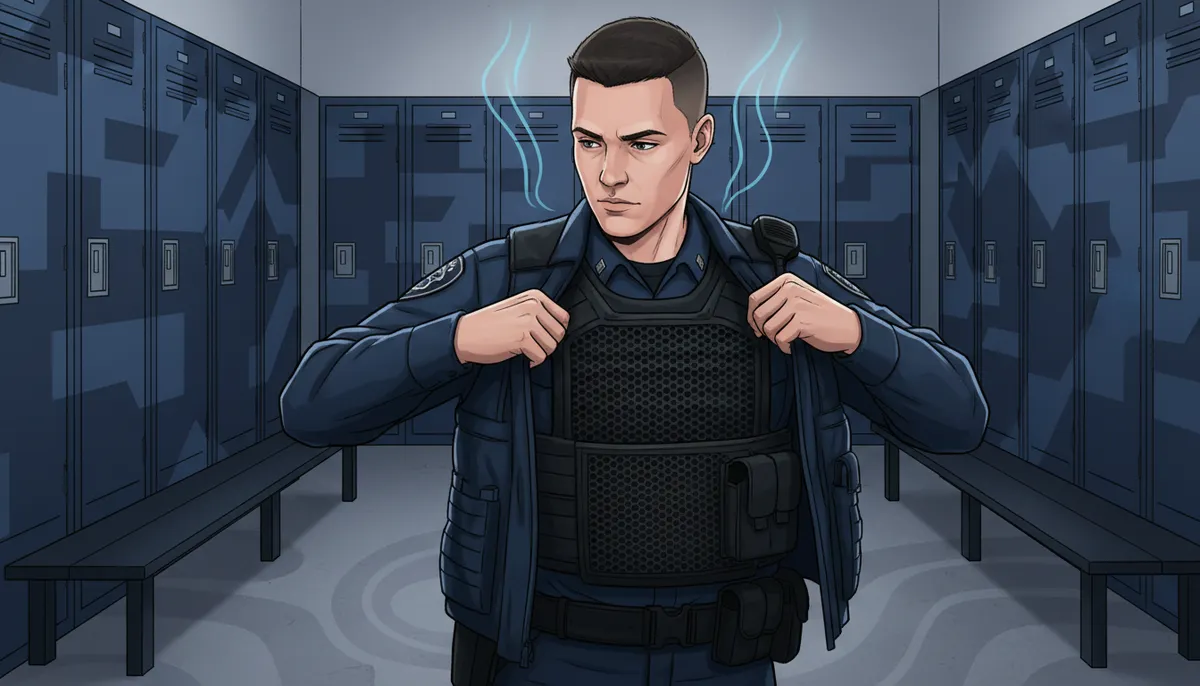
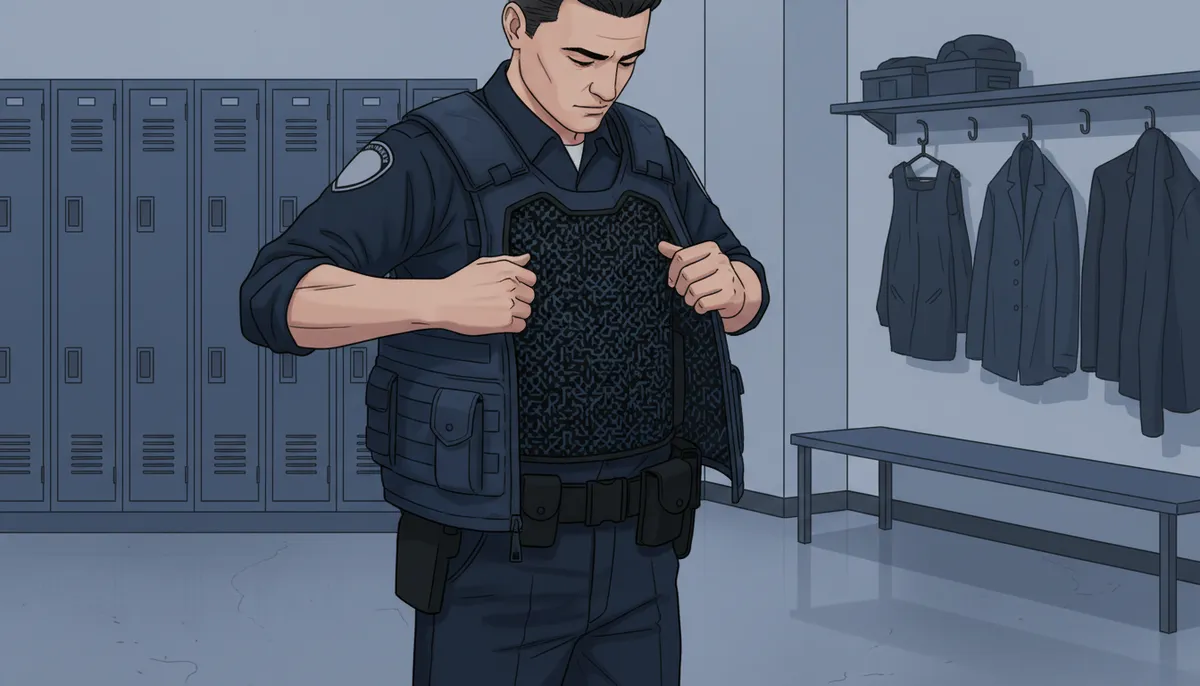
Body armor is designed to stop bullets — not breathe. The dense ballistic panels and carrier materials create an insulated layer that sits directly against your torso. This traps your body’s natural heat output and blocks the sweat evaporation that normally cools you down. Even on mild days, wearing armor for several hours turns into a real thermal challenge.
The OSHA Heat Stress Guide confirms that restricted airflow over the skin significantly raises core body temperature risk. Officers in full armor face this exact problem during every shift, especially in warm climates or while doing physical activity.
Physical Symptoms Officers Experience Daily
The symptoms start subtly. You might notice your shirt soaked through within the first hour. Then comes the itching and chafing where the armor presses against your skin. After a few hours, heat fatigue sets in — your concentration slips, your reaction time slows, and your energy drops. Left unchecked, this can escalate to heat exhaustion or even heat stroke, just like Officer Thompson experienced.
Performance Impacts from Overheating
Overheating doesn’t just feel bad — it directly impacts your performance. Studies show that elevated core body temperature reduces decision-making speed, physical strength, and alertness. For officers making split-second decisions in the field, that’s a serious safety risk. The right approach to preventing heat stress while wearing body armor can protect both your health and your effectiveness on duty.
Why Standard Undershirts Fail
Cotton undershirts absorb sweat but hold it against your skin. Moisture-wicking athletic shirts help a little but can’t create the air gap needed for real cooling. Neither solution addresses the root problem: the lack of airflow between your body and your armor. That’s exactly where purpose-built ventilation law enforcement gear steps in.
Types of Ventilation Systems Available
Knowing what’s on the market helps you make a smarter buying decision. Ventilation systems generally fall into three categories, each with its own strengths. Check out a full breakdown of the best vest cooling systems to see how they compare.
Passive Mesh Ventilation Designs
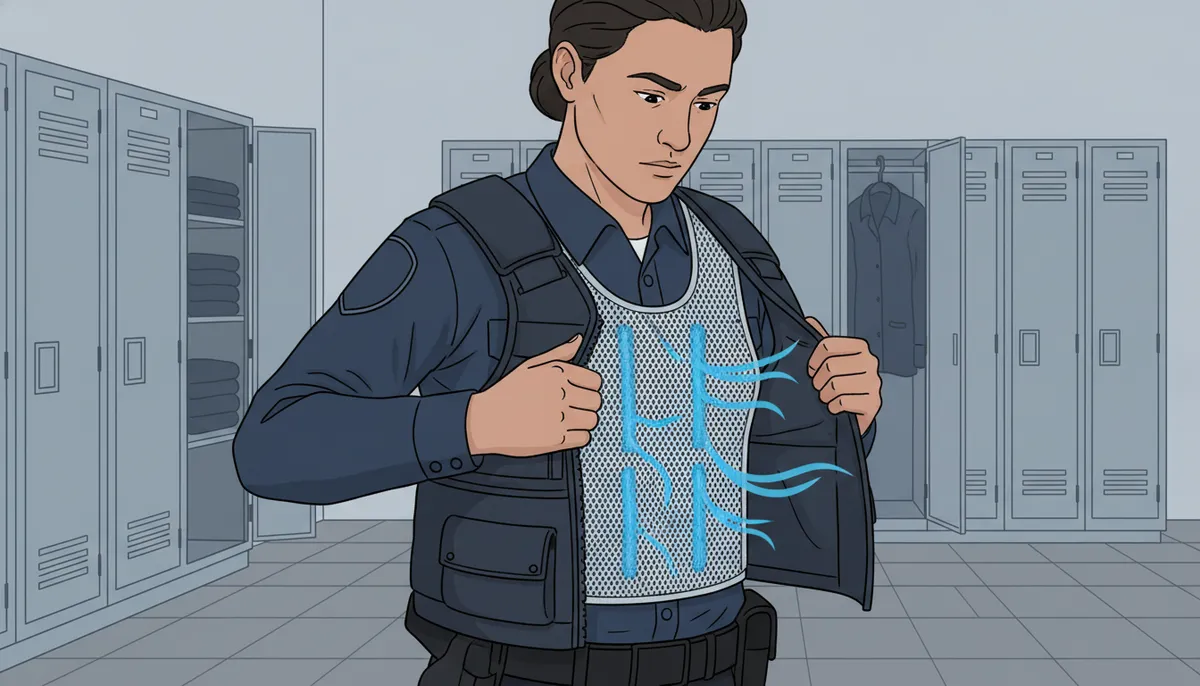
Passive systems use rigid or semi-rigid mesh panels to create a physical gap between your skin and your armor. Products like the Militaur Ventilation Vest use a lightweight honeycomb mesh design that lifts the armor slightly off the torso, allowing natural airflow to circulate. These designs reduce sweat, odor, and chafing without requiring any power source. They’re lightweight, simple, and always on.
Active Fan-Powered Cooling Systems
Active systems add powered fans to move air directly beneath your armor. The Singapore Police Force tested a Load Bearing Vest with four centrifugal fans and found it lowered lower back skin temperature by 1.86°C in 30°C/70% humidity conditions. Active systems deliver more consistent cooling, especially in hot or humid environments where passive airflow isn’t enough.
BluHalo’s Blufano active fan system is a standout example. It features a patented air-redirect spout that slides under any body armor style, delivers adjustable fan-driven airflow for 8–32 hours, and includes a built-in 10,000mAh power bank. That power bank also charges USB devices — a handy bonus on long shifts.
Hybrid Ventilation Approaches
Some officers combine a passive mesh vest with an active fan unit for layered cooling. This hybrid approach gives you the constant structural gap of a mesh vest plus the boosted airflow from a fan system. It’s particularly effective for tactical units, motorcycle officers, and anyone working in extreme heat.
Material Technologies and Certifications
Look for NIJ-tested products when shopping for ventilation law enforcement gear. The Maxx-Dri Vest, for example, showed a 9.9% reduction in backface deformation during NIJ lab testing and carries GSA approval for all U.S. military branches. NTOA-recommended gear adds another layer of confidence. You can review current Body Armor Standards from the NIJ to understand what certifications actually mean for your safety.
| System Type | Cooling Method | Power Required | Best For |
|---|---|---|---|
| Passive Mesh | Natural airflow gap | No | Daily patrol, mild climates |
| Active Fan | Powered airflow | Yes (battery) | Hot climates, long shifts |
| Hybrid | Gap + powered airflow | Yes (battery) | Tactical, extreme heat |
| Thermoplastic Panels | Passive temperature reduction | No | Budget-conscious officers |
Matching Ventilation Needs to Your Assignment
Not every officer has the same cooling needs. Your assignment, environment, and armor type all play a role in what ventilation system works best for you. Learn more about optimal cooling for tactical vests to find a solution tailored to your role.
Patrol Officer Requirements
Patrol officers spend hours in and out of vehicles, walking beats, and responding to calls. You need a ventilation system that stays in place during movement, doesn’t add bulk, and works without needing attention. A lightweight passive mesh vest or the BluHalo inflation vest — which weighs under 7 ounces and lifts armor up to 1.5 inches off the body — fits this role perfectly. Patrol officers benefit from simple, reliable gear that runs all shift without maintenance.
SWAT and Tactical Team Needs
Tactical operators wear heavier armor, move fast, and generate more heat. For SWAT officers, an active fan system or hybrid setup is often the better choice. You need powerful cooling that keeps up with high-intensity activity. Look for systems that won’t snag on gear, restrict movement, or create noise that could compromise an operation.
Motorcycle Unit Considerations
Motorcycle officers face a unique challenge. At speed, wind helps with cooling. But in traffic or stopped, heat builds up fast between the riding jacket, armor, and body. A low-profile passive vest that creates an air gap works well for riders. It should be thin enough to fit comfortably under riding gear without adding pressure points.
Climate and Seasonal Factors
Officers in Phoenix, Houston, or Miami need more cooling power than those working in Seattle or Minneapolis. In high-heat, high-humidity climates, passive systems alone may not cut it. Active fan systems shine in these environments. In cooler climates or winter months, a simple mesh vest may be all you need to prevent the moderate overheating that still occurs under armor even in cold weather.
| Assignment | Recommended System | Priority Features |
|---|---|---|
| Patrol Officer | Passive mesh or inflatable vest | Lightweight, low-profile, stays in place |
| SWAT / Tactical | Active fan or hybrid | Powerful cooling, no gear interference |
| Motorcycle Unit | Thin passive mesh | Slim fit, no pressure points |
| Hot Climate Duty | Active fan system | High airflow, long battery life |
Key Features to Evaluate Before Purchase
Shopping for ventilation law enforcement gear means knowing what actually matters. Here’s what to look for before you commit to a product. You can also browse the full ventilation vest shop to compare options side by side.
Weight and Bulk Considerations
Every ounce matters when you’re wearing armor all day. The best ventilation vests weigh just a few ounces. The Maxx-Dri Vest, for example, weighs only ounces while delivering 360° ventilation. BluHalo’s inflatable vest weighs under 7 ounces and collapses flat when deflated — ideal for officers who want cooling on demand without permanent bulk. Avoid anything that adds noticeable weight or makes your armor fit uncomfortably.
Moisture-Wicking Capabilities
A good ventilation vest should actively move moisture away from your skin. Look for fabrics rated for moisture management, not just passive gap creation. The combination of airflow and moisture-wicking materials keeps you drier through the whole shift. This also reduces chafing and skin irritation from prolonged armor wear.
Anti-Bacterial Properties
You’re sweating in this vest every single day. Anti-bacterial fabric treatment isn’t a luxury — it’s a hygiene necessity. Products like the Maxx-Dri Vest use proprietary anti-bacterial fabric that resists odor-causing bacteria even after extended use. This keeps the vest fresher longer between washes and prevents skin irritation.
Adjustability and Sizing Options
A poorly fitting ventilation vest won’t stay in place during active duty. Look for adjustable closures, stay-put grip features, and multiple size options. The Maxx-Dri 3.0 and 5.0 both feature adjustable closures and dual-chamber designs for a customizable fit. BluHalo’s vest attaches via Velcro directly to your armor carrier, so it stays positioned correctly all shift long.
Durability and Warranty Coverage
Law enforcement gear takes a beating. Your ventilation vest should be built tough enough to last years of daily use. Look for products backed by strong warranties. The Maxx-Dri Vest comes with a lifetime warranty. BluHalo is constructed from double-layer high-strength polyethylene for exceptional durability. Reading verified officer reviews is one of the best ways to gauge real-world durability before buying.
| Feature | Why It Matters | What to Look For |
|---|---|---|
| Weight | Comfort over long shifts | Under 8 ounces |
| Moisture Wicking | Keeps skin dry and reduces chafing | Rated moisture-management fabric |
| Anti-Bacterial | Hygiene and odor control | Built-in treatment, not a coating |
| Adjustability | Secure fit during movement | Adjustable straps, Velcro, grips |
| Warranty | Long-term value protection | Lifetime or multi-year warranty |
Installation and Proper Fitting Techniques
Even the best ventilation vest won’t perform well if it’s installed incorrectly. Follow these steps to get the perfect fit and maximize your cooling comfort. Check out BluHalo’s instructional videos for a visual walkthrough.
Measuring for Correct Vest Size
Start by measuring your chest circumference at the widest point across your armor carrier. Most ventilation vests follow standard sizing (S, M, L, XL, XXL), but always check the manufacturer’s size chart. A vest that’s too small will bunch up and restrict movement. One that’s too large won’t stay in position under your armor.
- Measure your chest at the widest point (over your duty shirt, not armor).
- Check the product’s size chart for the correct fit range.
- If between sizes, size up for comfort and adjustability.
- Consider your armor carrier’s internal dimensions when sizing active fan units.
Positioning Under Different Armor Types
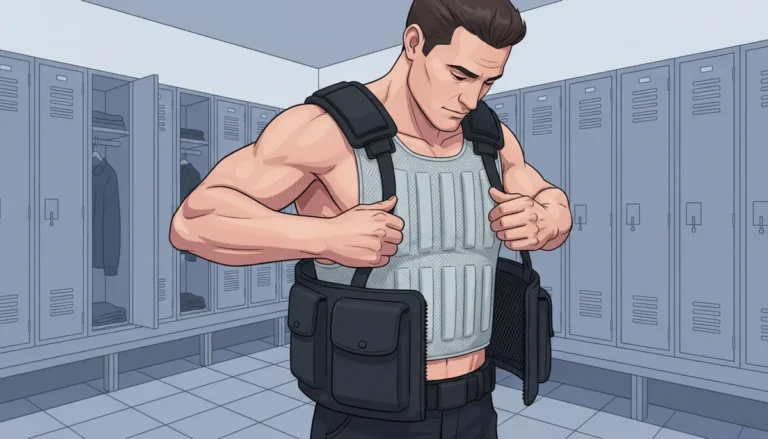
Soft armor carriers and plate carriers have different internal geometries. For soft armor, the ventilation vest typically attaches to the inside front panel via Velcro strips. For plate carriers, the vest needs to fit around the hard plate and still create an effective air gap. Always test fit before your first duty shift so there are no surprises in the field.
Securing Straps and Closures
Once positioned, secure all straps, closures, and Velcro attachments firmly. The vest should sit flat and stable against your torso without shifting. For inflatable designs like BluHalo, attach the Velcro connection points first, then inflate to your preferred comfort level using the included pump. Deflating is as simple as pressing the release button.
Testing Range of Motion
Before your shift starts, run through your full range of motion:
- Raise both arms fully overhead
- Reach across your body to simulate drawing a weapon
- Bend at the waist forward and side to side
- Simulate a defensive stance and quick pivot
If the vest shifts, bunches, or restricts movement during any of these motions, readjust before going on duty. Your law enforcement gear should never slow you down.
Maintenance and Care for Maximum Lifespan
Proper maintenance keeps your ventilation vest performing at its best and extends its working life significantly. These simple habits make a real difference over time. For more tips, visit our body armor ventilation resource guide.
Daily Cleaning Protocols
After every shift, give your ventilation vest a quick wipe-down with a damp cloth to remove surface sweat and debris. For mesh or fabric vests, check the manufacturer’s care label. Most are machine washable on a gentle cycle with mild detergent. Avoid bleach, which can degrade anti-bacterial treatments and fabric integrity. Air dry your vest — never put it in a dryer.
- Remove the vest from your armor carrier after each shift.
- Wipe down with a damp cloth or rinse under cool water.
- For deeper cleaning, machine wash on gentle with mild, fragrance-free detergent.
- Lay flat or hang to air dry completely before next use.
- For active fan units, wipe the housing with a damp cloth — never submerge electronics.
Storage Between Shifts
Store your ventilation vest in a cool, dry location away from direct sunlight. UV exposure degrades many synthetic fabrics over time. If you’re storing the vest for an extended period, make sure it’s completely dry first to prevent mildew growth. For inflatable vests like BluHalo, deflate fully before storage so the material stays in its best condition.
Inspection for Wear Points
Do a quick visual inspection weekly. Look for these common wear indicators:
- Fraying or thinning at strap attachment points
- Velcro hooks losing grip or collecting lint
- Mesh panels showing compression or deformation
- Any tears, holes, or separation at seams
- On fan units, check for unusual noise or reduced airflow output
Catching small issues early prevents bigger failures during a critical shift. If you notice significant wear, it’s time to evaluate a replacement.
Replacement Timeline Recommendations
Even the most durable ventilation vest has a service life. A heavily used vest worn daily should be evaluated annually. Products with lifetime warranties (like Maxx-Dri) give you coverage if the product fails due to manufacturing defects, but physical wear from daily use still accumulates. Most officers find their ventilation vests last 2–3 years under regular daily use before performance noticeably declines. Keep your ventilation vest selection updated in 2026 to take advantage of the latest material and cooling technologies available.
Stay Cool, Stay Sharp, Stay Safe
The right ventilation law enforcement gear doesn’t just improve comfort — it protects your health, sharpens your performance, and helps you finish every shift at your best. From understanding how heat stress builds under body armor to matching the right system to your specific assignment, making an informed choice is one of the most important investments you can make in your duty kit. Whether you’re a patrol officer battling Phoenix summers, a SWAT operator in full plate armor, or a first responder pushing through extreme conditions, there’s a ventilation solution designed specifically for your needs. Explore options like the BluHalo ventilation vest and the Blufano active fan system — two purpose-built tools created by an officer who understood exactly what you go through on the job. Ready to gear up smarter? Reach out to our team and we’ll help you find the perfect ventilation system for your body armor setup.
FAQs
Q: Can ventilation vests affect my body armor’s ballistic rating?
A: Great news — properly designed ventilation vests are built to work alongside your armor without compromising its ballistic performance. Products like the Maxx-Dri Vest have been NIJ lab tested and actually showed a 9.9% reduction in backface deformation, meaning they can complement your armor’s protective qualities. Always check that any ventilation product you choose is NIJ certified or tested before using it on duty.
Q: How much cooler will I actually feel wearing a ventilation vest?
A: The difference can be surprisingly significant! TacVent passive panels have been shown to lower body surface temperatures by at least 14.5°F, and active fan systems like the Singapore Police Force’s ventilated vest reduced lower back skin temperature by nearly 2°C in humid conditions. Most officers report feeling noticeably drier and more alert within the first hour of their shift — which is a game changer on a long day.
Q: Are ventilation vests approved for use in all departments?
A: Most ventilation vests are compatible with standard department-issued body armor and don’t require special departmental approval to use. That said, it’s always a smart move to check with your supervisor or equipment officer before adding any new gear under your armor. Products with GSA approval and NTOA recommendations — like the Maxx-Dri Vest — carry extra credibility that can make departmental conversations easier.
Q: What’s the typical cost difference between passive and active cooling vests?
A: Passive mesh ventilation vests are generally the more affordable option, typically ranging from $30 to $80, making them an easy entry point for officers looking to improve their comfort. Active fan systems like Blufano represent a larger investment — usually $80 to $150 or more — but they deliver significantly more cooling power, especially in hot and humid climates. Think of it as matching your investment to your heat challenge: the hotter your environment, the more an active system pays off.
Q: Can I wear a ventilation vest with concealed soft armor?
A: Absolutely — many ventilation vests are designed to work with both external carriers and concealed soft armor worn under a duty shirt. Slim, low-profile options like the BluHalo inflatable vest are especially popular with officers in concealed armor setups because they collapse flat when deflated and won’t create a visible bulge. Just make sure your chosen vest is thin enough to fit comfortably within your concealed carrier’s interior space before committing to a purchase.