Key Takeaways
-
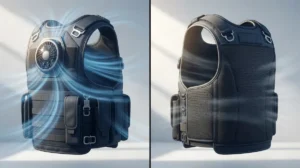
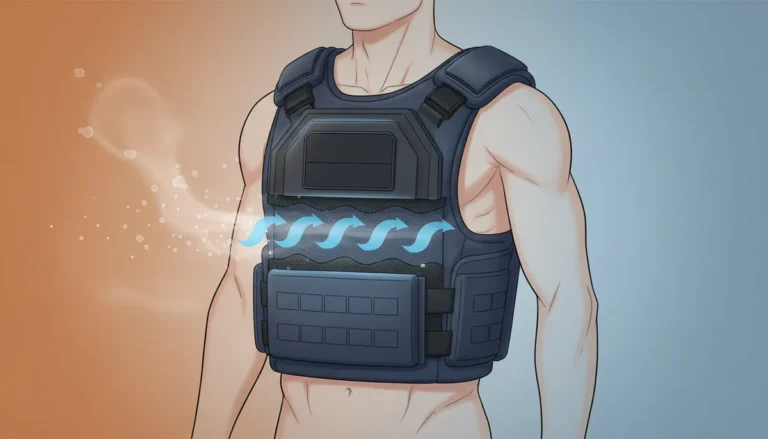
Vest ventilation systems create airflow between body and armor, preventing heat and moisture buildup which reduces fatigue and improves performance.
-
Active ventilation systems using small fans provide powerful cooling by continuously moving fresh air under body armor in any condition.
-
Proper vest ventilation helps prevent skin problems like rashes and chafing caused by prolonged moisture exposure during long shifts.
-
Different ventilation types exist: passive mesh designs, active fan systems, and inflation-based technologies with varying cooling effectiveness.
-
Choose a vest ventilation solution based on your specific work environment, vest type, budget, and temperature conditions to maximize comfort and effectiveness.
If you wear body armor for work, you know the struggle. After just a few hours on duty, you’re soaked in sweat. Your shirt sticks to your skin. The heat builds up under your vest until you feel like you’re trapped in a sauna. This isn’t just uncomfortable—it’s exhausting and can even be dangerous on long shifts in hot weather.
That’s where vest ventilation comes in. It’s a game-changer for law enforcement officers, military personnel, security professionals, and first responders who wear protective gear daily. Vest ventilation systems create airflow between your body and your armor, allowing heat and moisture to escape so you stay cooler, drier, and more focused on the job at hand.
In this article, we’ll explain exactly what vest ventilation is, how it works, why it matters for your comfort and safety, and what options are available to help you beat the heat. Whether you’re patrolling city streets in summer or working a 12-hour shift in tactical gear, understanding vest ventilation can make your workday significantly more bearable.

Understanding Vest Ventilation: The Basics
Vest ventilation refers to specialized systems designed to improve airflow under body armor and protective vests. When you wear a ballistic vest, it sits tight against your body and traps heat and moisture between the armor plates and your skin. This creates an uncomfortable, sweaty environment that can lead to heat exhaustion, skin irritation, and reduced focus during critical moments.
A ventilation system solves this problem by creating space between your body and the vest. This gap allows air to circulate, sweat to evaporate, and heat to escape. Think of it like opening a window in a stuffy room—suddenly, fresh air flows through and everything feels better.
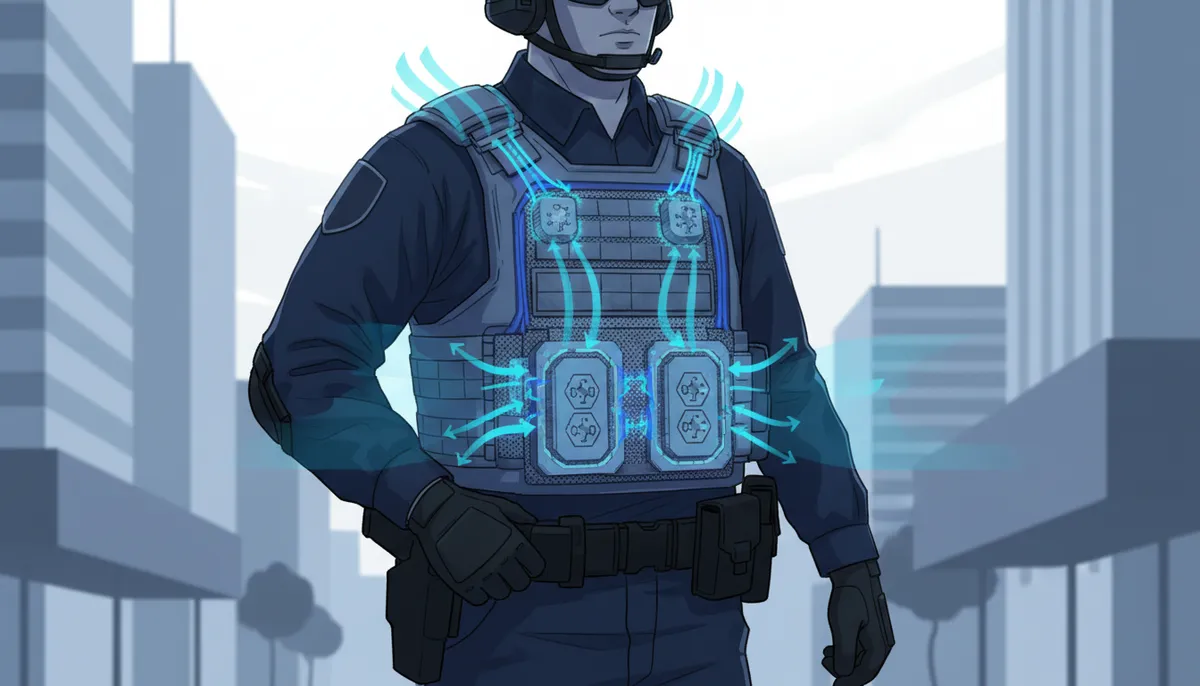
Modern vest ventilation systems come in different forms. Some use mesh materials with air channels that promote natural airflow. Others use small fans or pumps to actively move air under your armor. The best systems combine lightweight design, durable materials, and effective cooling technology to keep you comfortable without adding bulk or restricting movement.

Why Vest Ventilation Matters for Your Health and Performance
Wearing body armor without proper ventilation isn’t just uncomfortable—it can actually impact your health and job performance. When your body overheats, several things happen that can put you at risk during critical situations.
First, excessive heat causes fatigue. Your body works harder to cool itself down, which drains your energy and makes you feel tired faster. On long shifts or during high-intensity operations, this fatigue can slow your reaction time and reduce your effectiveness when it matters most.
Second, trapped moisture creates the perfect environment for skin problems. Constant wetness leads to rashes, chafing, and irritation. Over time, this can develop into more serious skin conditions that make wearing your vest painful. According to the OSHA Heat Stress Guide, preventing heat-related illness requires proper cooling measures, especially for workers wearing heavy protective equipment.
Third, discomfort is distracting. When you’re focused on how hot and sweaty you feel, you’re not fully focused on your surroundings or your mission. Vest ventilation helps you stay alert and concentrated by eliminating this constant source of distraction.
The Science Behind Heat Buildup Under Body Armor
Body armor is designed to stop bullets and protect your vital organs. But the same materials that make it protective also make it insulating. Ballistic plates and Kevlar layers trap heat close to your body with nowhere for it to go.
Your body naturally cools itself through sweating and evaporation. When sweat evaporates from your skin, it takes heat with it. But under a tight vest, sweat can’t evaporate properly. It just pools against your skin, making you feel even hotter and wetter. Ventilation systems break this cycle by allowing air movement that promotes evaporation and heat release.
Research shows that proper ventilation under body armor can reduce core body temperature and improve comfort significantly. Studies cited by the Body Armor Standards organization indicate that cooling systems help officers maintain performance during extended wear periods in hot conditions.
Types of Vest Ventilation Systems Available
Not all ventilation systems work the same way. Understanding the different types helps you choose the right solution for your needs and budget. Here are the main categories you’ll encounter:
Passive Ventilation: Mesh and Channel Designs
Passive ventilation systems use specially designed materials to create air gaps without any moving parts. These typically feature 3D mesh fabrics or molded spacers that lift your vest slightly off your body. The gap allows natural airflow and helps sweat evaporate more easily.
These systems are lightweight, affordable, and require no power source. They work best in moderate conditions or when you’re moving around, as movement helps push air through the channels. However, they may not provide enough cooling on extremely hot days or during stationary work.
Active Ventilation: Fan-Based Systems
Active ventilation systems use small fans or pumps to actively move air under your vest. These provide more powerful cooling because they don’t rely on natural airflow alone. Instead, they push fresh air into the space between your body and armor, forcing hot air out and creating continuous circulation.
The Blufano ventilation system is a perfect example of active cooling technology. It’s a self-contained unit with a patented air-redirect spout that slides under any style of body armor. With adjustable fan settings, it delivers 8-32 hours of continuous airflow depending on your cooling needs. It even includes a built-in 10,000mAh power bank to charge your devices and a forward-facing light for hands-free illumination.
Active systems work in any condition, whether you’re standing still or on the move. They’re especially valuable during hot weather or long shifts when passive systems might not be enough.
Inflation-Based Systems
Inflation-based vest ventilation works differently. These systems use lightweight, inflatable materials that create an air cushion between your body and vest. When inflated, they lift your armor away from your skin, creating space for airflow and cooling.
The BluHalo protective vest cooling device uses this technology brilliantly. It weighs under 7 ounces and sits flat when deflated, so it’s barely noticeable. When you need cooling, you inflate it with a small pump, and it lifts your vest up to 1.5 inches off your body. This creates an instant cooling air gap that makes a huge difference in comfort. When you don’t need it anymore, just press a button to deflate it back to flat.
This “cooling-on-demand” feature is perfect for officers who experience varying conditions throughout their shift. You can activate cooling when things heat up and keep it flat and unobtrusive during cooler moments.

Key Features to Look for in Vest Ventilation Products
When shopping for a ventilation solution, certain features make the difference between a product that helps and one that disappoints. Here’s what to prioritize:
| Feature | Why It Matters | What to Look For |
|---|---|---|
| Weight | Heavy systems add fatigue over long shifts | Under 8 ounces for comfort |
| Profile | Bulk interferes with movement and concealment | Low-profile, flat design when not in use |
| Durability | Daily duty use requires tough materials | High-strength polyethylene or military-grade fabrics |
| Battery Life | Short runtime means frequent recharging | 8+ hours minimum for full-shift coverage |
| Compatibility | Should work with your existing vest setup | Universal fit for different armor styles |
Look for systems that are easy to attach and remove. You don’t want to waste time fumbling with complicated straps or installation. Velcro attachments or simple slide-in designs work best for quick setup and adjustment.
Also consider maintenance requirements. Systems with washable components or antimicrobial treatments help prevent odor and bacteria buildup. After all, you’ll be wearing this equipment against your skin for hours every day.
Durability for Daily Duty Use
Your ventilation system needs to withstand the same tough conditions as your body armor. That means it should handle sweat, weather, physical activity, and regular wear without breaking down. Look for products made from double-layer high-tensile materials that won’t tear or puncture easily.
Read reviews from other officers and professionals who use the product daily. Real-world feedback tells you if a system holds up over time or starts failing after a few weeks. Products backed by testimonials from law enforcement, military, and security professionals tend to be more reliable than those with only casual user reviews.
How Vest Ventilation Improves Your Daily Work Experience
The benefits of proper vest ventilation go beyond just feeling cooler. Officers and professionals who use these systems report multiple improvements in their daily work experience:
- Increased comfort during long shifts: When you’re not constantly overheating, you can focus on your work instead of your discomfort. Many users report feeling significantly more comfortable even during 12-hour shifts in 95-degree heat.
- Reduced fatigue and better alertness: Less heat stress means more energy throughout your shift. You stay sharp and ready to respond when needed.
- Fewer skin problems: Better airflow means less moisture buildup, which reduces rashes, chafing, and irritation from extended vest wear.
- Faster recovery: When you can cool down quickly using your vehicle’s AC or shade, you bounce back faster between calls or operations.
- Better focus during critical moments: When you’re comfortable, you can concentrate fully on the situation at hand without distraction from heat and sweat.
One Chicago police officer who helped develop BluHalo described wearing body armor without ventilation as being trapped in a personal sauna. After using vest ventilation, he reported dramatic improvements in comfort that made his job more bearable, especially during summer months.
Real-World Performance in Hot Conditions
Vest ventilation really proves its worth during extreme heat. Whether you’re working a summer festival, conducting traffic control in full sun, or executing a warrant on a 100-degree day, proper cooling makes these situations manageable instead of miserable.
Users consistently report that ventilation systems help them stay cooler even when ambient temperatures are high. The combination of airflow and moisture management keeps your core temperature lower and your body functioning better under stress.
For military personnel deployed in hot climates, vest ventilation isn’t just about comfort—it’s about mission readiness. When you can maintain your physical and mental performance despite heat conditions, you’re more effective at your job and safer in dangerous situations.
Choosing the Right Vest Ventilation Solution for Your Needs
With several types of systems available, how do you pick the right one? Start by considering your specific work conditions and requirements:
Consider Your Work Environment
Do you work primarily in hot, humid climates? Do you experience extreme temperature variations during your shift? Are you mostly active or do you spend time in vehicles or stationary positions?
For consistently hot conditions, active ventilation systems like Blufano provide reliable cooling regardless of activity level. For variable conditions, on-demand systems like BluHalo let you activate cooling when needed and keep a low profile when you don’t.
Match the System to Your Vest Type
Different body armor configurations work better with different ventilation approaches. External carriers with more space might accommodate larger fan systems easily, while concealable vests under uniforms require ultra-low-profile solutions.
Check compatibility before purchasing. Most quality ventilation systems are designed to work with various vest styles, but it’s worth confirming that your specific armor setup will accommodate the system you’re considering.
Budget Considerations
Vest ventilation systems range from affordable mesh spacers to more advanced active cooling units. While cost matters, remember that your comfort, health, and performance are valuable investments. Spending a bit more on a reliable system that lasts often costs less in the long run than replacing cheaper products that fail.
| System Type | Price Range | Best For |
|---|---|---|
| Basic mesh spacers | $20-$40 | Budget-conscious buyers, moderate climates |
| Inflation systems | $50-$80 | On-demand cooling, variable conditions |
| Active fan systems | $80-$150 | Extreme heat, long shifts, maximum cooling |
| Bundled systems | $120-$180 | Best value, comprehensive cooling solution |
Many professionals find that combining systems provides the best overall solution. For example, pairing BluHalo with Blufano gives you both on-demand inflation cooling and continuous active airflow. This combination maximizes comfort in any condition, and buying them together often comes with a discount.
Installation and Usage Tips for Maximum Effectiveness
Getting the most from your vest ventilation system requires proper installation and use. Here are some practical tips to help you succeed:
Proper Placement and Attachment
Position your ventilation system so it covers the areas where you generate the most heat—typically your back and chest where the armor sits closest to your body. Make sure it’s centered and secured firmly so it doesn’t shift during movement.
Most systems attach with Velcro, straps, or slide-in designs. Take time to get the attachment right the first time. A system that shifts or bunches up won’t ventilate effectively and may become uncomfortable itself.
Maintenance and Care
Keep your ventilation system clean to prevent odor and bacteria buildup. Many systems have washable components that you can clean regularly. Follow the manufacturer’s care instructions to ensure your system lasts.
For battery-powered systems, charge them fully before each shift. Running out of power halfway through your workday defeats the purpose. Some systems like Blufano can run 8-32 hours depending on settings, so plan your usage accordingly.
Optimizing Cooling Performance
Use your ventilation system strategically. If you have an on-demand system, activate it when you feel heat building up or before you know you’ll be in hot conditions for a while. This proactive approach prevents overheating rather than just reacting to it.
Combine your vest ventilation with other cooling strategies. When you’re in your vehicle, use the AC to enhance the cooling effect. The airflow from your ventilation system helps distribute cool air more effectively under your vest. Drink plenty of water to support your body’s natural cooling mechanisms.
Adjust fan speeds or inflation levels based on conditions. Maximum cooling isn’t always necessary, and running at lower settings can extend battery life or reduce system bulk when full power isn’t needed.
Common Misconceptions About Vest Ventilation
Let’s clear up some myths that might be holding you back from trying vest ventilation:
“It Adds Too Much Bulk”
Modern ventilation systems are designed with low-profile construction. Products like BluHalo weigh under 7 ounces and sit completely flat when not inflated. You barely notice they’re there until you need them. Even active fan systems like Blufano are compact and designed specifically for duty use under armor.
“It Won’t Make a Real Difference”
Skeptics often doubt that ventilation can significantly improve comfort under body armor. However, testimonials from law enforcement and military users consistently report dramatic improvements. Officers describe going from soaked and miserable to comfortable and focused during the same shift conditions.
The science backs this up. Creating even a small air gap between your body and vest allows sweat evaporation and heat dissipation that simply can’t happen when armor is pressed tight against your skin. The difference is noticeable and measurable.
“It’s Not Compatible with My Vest”
Most modern ventilation systems are designed for universal compatibility with various body armor styles. Whether you wear an external plate carrier, a concealable vest, or tactical gear, there’s likely a solution that works for your setup. Check product specifications and contact manufacturers if you’re unsure—most are happy to help you find the right fit.
The Future of Vest Ventilation Technology
Vest ventilation technology continues to evolve. Current innovations focus on making systems even lighter, more powerful, and longer-lasting. Phase change materials (PCMs) that absorb and release heat are being incorporated into some designs for enhanced cooling without active power.
Smart ventilation systems with temperature sensors and automatic adjustment are in development. These will detect when you’re overheating and increase cooling automatically, then dial back when you’ve cooled down to conserve battery life.
Integration with other protective equipment is another frontier. Imagine ventilation systems that connect to your communications gear or tactical equipment, creating a fully integrated cooling network that works with your entire kit.
As these technologies develop, vest ventilation will become even more effective and user-friendly, making body armor more comfortable for everyone who wears it professionally.
Take Action: Improve Your Comfort Today
If you’re tired of sweating through your shifts, dealing with constant discomfort, and feeling drained by heat exhaustion, vest ventilation offers a proven solution. Thousands of law enforcement officers, military personnel, and security professionals have already discovered the difference proper cooling makes in their daily work experience.
You don’t have to accept discomfort as part of the job. Modern ventilation technology makes it possible to stay cool, dry, and focused even during the hottest conditions and longest shifts. Whether you choose a simple mesh spacer, an on-demand inflation system, or an active fan-based solution, the investment in your comfort and performance pays dividends every time you suit up.
The best approach is often to start with a system that matches your specific needs and budget, then expand from there if needed. Many professionals find that combining products—like pairing BluHalo’s inflation cooling with Blufano’s active airflow—provides comprehensive comfort in any situation. And bundling products together often saves you money compared to buying separately.
Your health, performance, and comfort matter. Don’t wait until heat exhaustion or skin problems force you to find a solution. Take control of your comfort now and experience the difference that proper vest ventilation makes. Visit the Shop to explore your options and find the perfect cooling solution for your needs. If you have questions about which system works best for your specific situation, reach out to our team—we’re here to help you find the right fit for staying cool under pressure.
FAQs
Q: What is vest ventilation and how does it work?
A: Vest ventilation creates airflow between your body and body armor to reduce heat and moisture buildup. It works by lifting the vest off your skin or actively circulating air, allowing sweat to evaporate and heat to escape. This keeps you cooler and more comfortable during long shifts in protective gear.
Q: Do vest ventilation systems add too much bulk under body armor?
A: No, modern vest ventilation systems are designed to be lightweight and low-profile. Products like BluHalo weigh under 7 ounces and sit flat when not in use. Even active fan systems are compact and built specifically for duty wear under armor without adding noticeable bulk.
Q: How long does the battery last on fan-based vest ventilation systems?
A: Battery life varies by model and fan speed setting. Quality systems like Blufano offer 8-32 hours of runtime depending on your cooling needs. Lower fan speeds extend battery life, while higher speeds provide maximum cooling. Most systems can run through an entire shift on a single charge.
Q: Can I use vest ventilation with my current body armor?
A: Yes, most vest ventilation systems are designed for universal compatibility with different body armor styles. Whether you wear an external plate carrier, concealable vest, or tactical gear, there’s likely a solution that fits. Check product specifications or contact the manufacturer if you’re unsure about compatibility.
Q: Is vest ventilation worth the investment for law enforcement officers?
A: Absolutely. Officers who use vest ventilation report significant improvements in comfort, reduced fatigue, and better focus during shifts. The investment in your health and performance pays off every time you wear your vest, especially during hot weather or long duty periods. Many departments recognize the value and support officers purchasing these systems.