Key Takeaways
-
Inflatable body armor ventilation devices create a 1.5-inch air gap between body and armor without batteries, weighing under 7 ounces and inflating on-demand via hand pump for heat relief during shifts.
-
Active cooling systems significantly outperform passive mesh inserts in extreme heat conditions—passive options lower temperature by 14.5°F while active systems provide superior relief during 12+ hour shifts in 95+ degree temperatures.
-
Overheating under body armor impairs judgment and reaction time according to OSHA guidelines, making active cooling a legitimate safety and performance tool rather than just comfort equipment for tactical and security professionals.
-
Inflatable ventilation devices attach externally via Velcro to NIJ-rated armor without modification, maintaining certified protection levels while providing cooling benefits when properly secured with all edges firmly pressed before shift deployment.
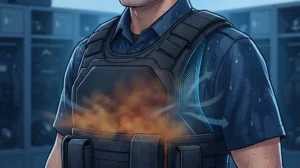
Picture this: it’s a 95-degree afternoon, you’re twelve hours into your shift, and your body armor feels like a furnace strapped to your chest. Sound familiar? You’re not alone, and the good news is that an inflatable body armor ventilation device can change everything about how you experience the heat. But here’s the thing, not everyone uses these devices the right way, and that means missing out on the relief they’re designed to give you.
We’ve talked to officers, security pros, and military folks who’ve made simple mistakes with their cooling gear. Some skip a step. Others buy the wrong type for their situation. A few just don’t realize how good things could be until they fix a small habit. So let’s walk through the nine biggest mistakes people make with an inflatable body armor ventilation device, and how you can avoid every single one of them.
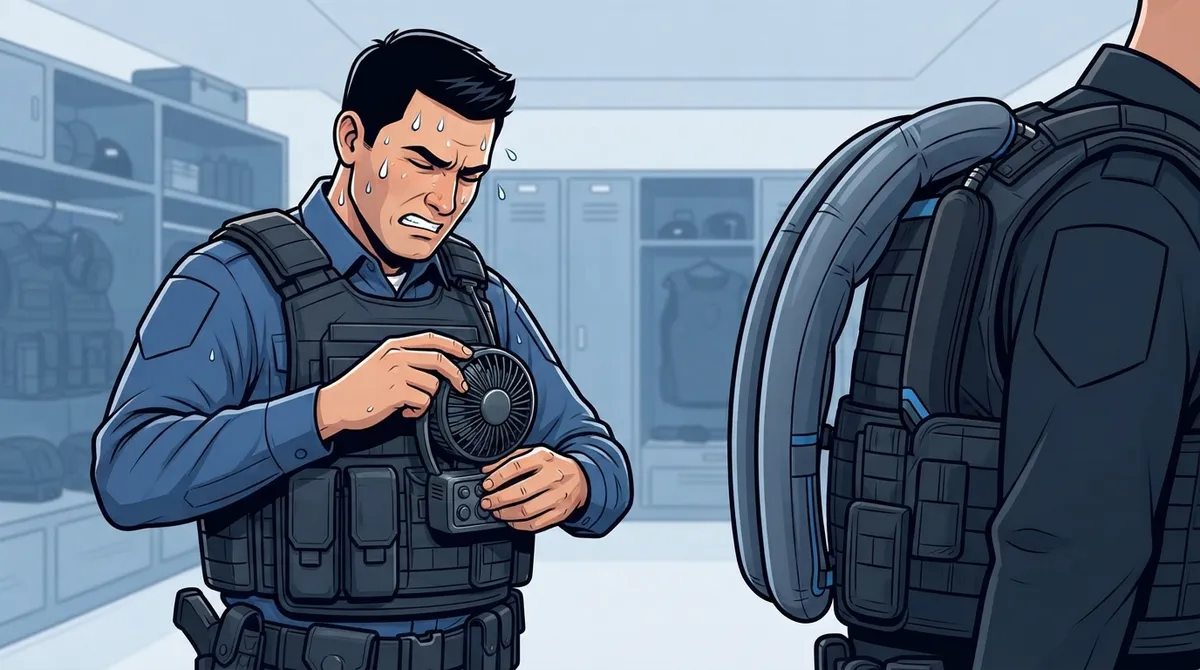
1. Choosing a Fan System When You Actually Need Instant Inflation
Not every cooling need is the same. Fan-driven systems like Blufano are fantastic for all-day, continuous airflow. But if you need something lightweight that inflates in seconds and disappears when you don’t need it, an inflatable device is your better match.
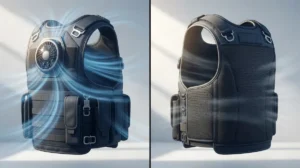
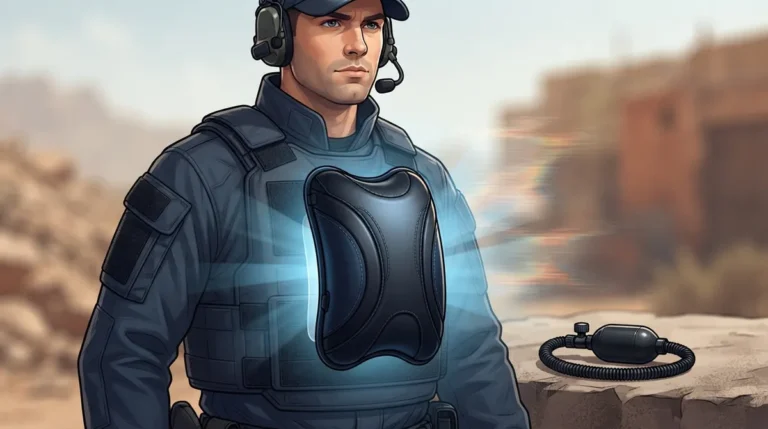
The BluHalo weighs under 7 ounces, which is lighter than most passive mesh vests. It creates an air gap of up to 1.5 inches between your body and your armor. That gap lets trapped heat and moisture actually escape, instead of building up hour after hour.
Quick Comparison: Inflatable vs. Fan-Powered Cooling
| Feature | Inflatable (BluHalo) | Fan-Powered (Blufano) |
|---|---|---|
| Weight | Under 7 oz | Slightly heavier due to battery pack |
| Battery Required | No | Yes, 10,000mAh power bank |
| Runtime | Cools on demand, no time limit | 8-32 hours per charge |
| Profile When Off | Completely flat | Slim but slightly bulkier |
| Best For | Quick relief, stealth comfort | Continuous shifts, extreme heat |
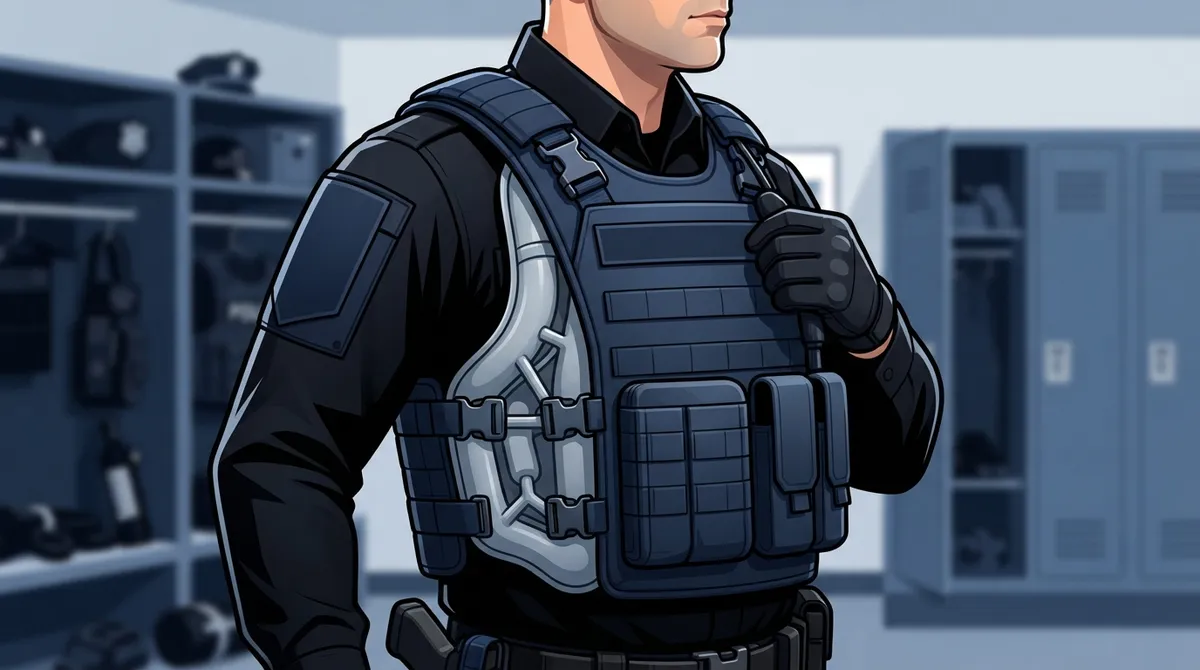
2. Forgetting That Inflatable Devices Need No Batteries at All
Here’s a mistake we see all the time. People assume every cooling vest needs charging or batteries. That’s simply not true with an inflatable body armor ventilation device.
These devices work through a small hand pump. You inflate it when you need cooling. You deflate it with a button when you’re done. No batteries, no charging cords, no dead devices halfway through your shift. This makes the BluHalo a favorite among officers who don’t want another thing to remember to charge overnight.
3. Not Understanding the “Cooling-On-Demand” Advantage
One of the coolest things about inflatable ventilation (pun fully intended) is that it stays completely undetectable when flat. You don’t need it running all day. You inflate it only when the heat becomes unbearable.
This matters a lot for tactical teams and security professionals who need a low profile most of the time but instant relief during high-stress, high-heat moments. According to research shared in our Ventilation Vests vs. Passive Inserts comparison, active cooling-on-demand systems outperform passive options specifically in extreme heat and stationary situations.
4. Skipping the Attachment Step Correctly
Believe it or not, some people just toss their inflatable vest under their armor without securing it properly. That’s a mistake that can lead to shifting, bunching, or reduced effectiveness.
Here’s how to attach it the right way:
- Make sure your body armor carrier is clean and free of debris before attaching anything.
- Line up the Velcro strips on the inflatable device with the interior lining of your carrier.
- Press firmly along all edges to create a secure bond.
- Test inflation once before your shift to confirm it holds in place without slipping.
This process works with both internal and external armor systems, so it’s flexible no matter what carrier style you’re running. If you want a deeper walkthrough, check out our guide on how to attach a cooling device to your vest the right way.
5. Assuming Passive Mesh Inserts Are Just as Good
We get it, passive mesh inserts are cheaper and simpler. But if you’re working a 12-hour shift in 95-degree heat, passive options often can’t keep up. Research shows passive panels like TacVent lower body surface temperature by around 14.5°F, which sounds great until you compare it to active cooling in extreme conditions.
Active systems, whether inflatable or fan-driven, simply outperform passive gear when things get seriously hot or when you’re standing still for long stretches, like during checkpoint duty or crowd control. If you want to dig into the full breakdown, our article on passive vs. active body armor ventilation covers it in detail.
6. Ignoring the Weight Difference That Actually Matters
Every ounce counts when you’re wearing gear for hours. Some officers stick with heavier passive vests without realizing an inflatable option could lighten their load.
- BluHalo: under 7 ounces
- Passive mesh vests like Maxx-Dri or TacVent: around 9 ounces
- Fan-driven systems: heavier due to battery components
That two-ounce difference might not sound huge, but multiply it by a 12-hour shift and it adds up fast in terms of fatigue and comfort.
7. Overlooking Compatibility With NIJ-Rated Armor
A common question we hear is whether inflatable ventilation devices work with certified armor. The answer is yes. These devices are designed to attach externally via Velcro, so they don’t interfere with the certified protective layers underneath, as outlined by the Body Armor Standards from the National Institute of Justice.
Just make sure you’re attaching the device to the outside of your carrier system, not modifying the armor panel itself. This keeps your protection level intact while still giving you the cooling benefit you need.
8. Not Recognizing the Safety Risk of Overheating
This one’s serious. Excessive heat under body armor doesn’t just make you uncomfortable, it actually impairs judgment and slows reaction time. That’s a real safety issue for officers, tactical teams, and security professionals who need to think fast and move quickly.
The OSHA Heat Stress Guide outlines how heat exposure affects cognitive function and decision-making, which is exactly why active cooling gear isn’t just a comfort upgrade. It’s a performance and safety tool. Our article on how heat affects police reaction time on duty dives deeper into this topic.
Signs You Might Be Overheating Under Armor
| Symptom | What It Means |
|---|---|
| Excessive sweating | Body struggling to regulate temperature |
| Slower reaction time | Cognitive function starting to decline |
| Irritability or fatigue | Early signs of heat stress |
| Dizziness | Warning sign to cool down immediately |
9. Waiting Too Long to Upgrade Your Cooling System
Some folks stick with whatever they’ve had for years, even when better options exist. If you’ve been dealing with sweat-soaked shirts and heat exhaustion for seasons now, it might be time for a change.
Whether you choose the fully inflatable BluHalo or want the continuous airflow of Blufano, both products from our shop are built specifically for people who wear protective gear all day, every day. And if you’re not sure which fits your needs best, our Blufano vs. BluHalo comparison breaks it all down.
Real Voices: What Officers Say About Inflatable Cooling
We hear from officers all the time who’ve made the switch and never looked back. One patrol officer in Texas told us his 12-hour shifts in 95-degree heat used to leave him drenched and exhausted by hour six. After switching to an inflatable ventilation device, he said the difference was night and day.
Security professionals working extended details echo the same thing. They love that the device stays flat and hidden until they actually need it. No bulk, no fuss, just quiet relief when the temperature spikes. You can see more of these stories on our reviews page.
How to Know Which Cooling Option Fits Your Role
Different jobs call for different solutions. Here’s a simple breakdown to help you figure out what makes sense for your situation:
- Patrol officers on standard shifts: BluHalo’s on-demand inflation offers flexible relief without adding bulk.
- SWAT and tactical teams: Consider pairing inflatable technology with fan-driven Blufano for extended operations.
- Security guards working stationary posts: Active cooling, whether inflatable or fan-based, beats passive inserts hands down.
- Firefighters and hazmat teams: Look into combining ventilation gear with other first responder cooling equipment for maximum relief.
Whatever your role, don’t settle for gear that leaves you sweating through your shift. Check out our videos page to see the BluHalo in action before you decide.
Wrapping Up: Stay Cool, Stay Sharp, Stay Safe
Avoiding these nine mistakes can make a real difference in your comfort and performance on the job. Whether you’re patrolling the streets, guarding a perimeter, or heading out on deployment, an inflatable body armor ventilation device gives you control over your comfort exactly when you need it most.
We’ve seen firsthand how a small change in gear can make a huge difference in how someone feels after a long, hot shift. And honestly, that’s what we’re all about here at BluHalo, helping everyday heroes feel a little more comfortable while doing incredibly tough jobs. If you’re ready to experience cooling-on-demand for yourself, we’d love to help you find the right fit. Feel free to get in touch with our team and let’s talk about which option works best for you.
And hey, while you’re thinking about gear that makes life easier, folks over at Gulfside Adventures know a thing or two about staying comfortable in tough outdoor conditions too. And if you’re due for a dental checkup after all those long shifts, the team at Dental Theory can help you keep smiling through it all.
FAQs
Q: How does an inflatable ventilation vest work under body armor?
A: It’s actually pretty simple and clever! You inflate the device with a small pump, and it lifts your armor up to 1.5 inches off your body. That air gap lets heat and moisture escape naturally, keeping you way cooler than a flat, sealed vest ever could.
Q: What is the difference between inflatable and fan-powered body armor cooling vests?
A: Great question, and it really comes down to your needs! Inflatable devices like BluHalo require no batteries and inflate only when you want cooling, while fan-powered systems like Blufano provide continuous airflow for 8-32 hours on a single charge. Both are excellent, just suited for different situations.
Q: Does the BluHalo inflatable vest require a battery?
A: Nope, and that’s one of the best parts! BluHalo works with a simple hand pump, so there’s nothing to charge and nothing to run out of juice during your shift. Just inflate when you need relief and deflate with a button when you’re done.
Q: How much weight does an inflatable ventilation device add to a police uniform?
A: Barely anything at all, honestly! BluHalo weighs under 7 ounces, which is even lighter than most passive mesh inserts. You’ll hardly notice it’s there until you need that cooling relief.
Q: Can inflatable ventilation vests be used with NIJ-rated body armor?
A: Absolutely, and this is great news for anyone worried about compatibility! These devices attach externally via Velcro, so they work seamlessly with certified body armor without compromising your protection level at all.