Key Takeaways
-
Heat stress under body armor impairs judgment, reaction times, and physical performance—actively reducing these risks with ventilation gear is a critical safety measure, not just a comfort upgrade.
-
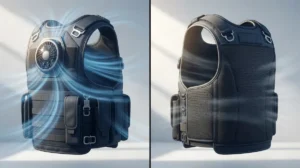
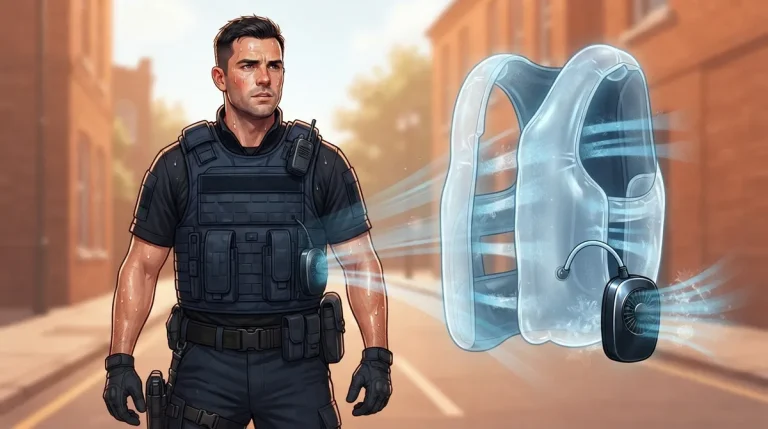
BluHalo inflatable ventilation vest creates a 1.5-inch air gap under armor by lifting it off your body, weighing under 7 ounces and deflating flat when not needed for minimal bulk.
-
BluFano active fan system provides 8-32 hours of continuous airflow with a built-in 10,000mAh power bank that also charges phones, ideal for long shifts where passive cooling falls short.
-
Passive ventilation systems like Maxx-Dri 4.0 reduce surface temperatures by up to 23°F without batteries or maintenance, making them reliable for daily patrol use with zero charging required.
-
Bundling passive and active cooling systems together—like pairing BluHalo with BluFano—delivers maximum relief by combining instant air-gap lift with continuous fan-driven airflow.
-
Compatibility matters: verify that any ventilation gear works with your specific Body Armor Standards-compliant vest and check your department’s heat safety policies before implementation.
If you’ve ever finished a 12-hour shift soaked in sweat under your body armor, you already know the struggle is real. Heat builds up fast under a vest, and it doesn’t just feel miserable, it can slow you down when it matters most. The good news? Police vest cooling technology has come a long way, and you have more options than ever to stay comfortable, alert, and ready for anything.
Whether you’re a patrol officer baking in your cruiser, a tactical operator moving fast in full gear, or a security professional standing post in the sun, this guide is for you. We’re breaking down the best police vest cooling solutions available right now, backed by real testing data and officer feedback. Let’s get you cooler, drier, and more focused on the job.

Why Police Vest Cooling Matters More Than You Think
Body armor saves lives, but it also traps heat against your skin like a personal sauna. Your body can’t cool itself the normal way because sweat has nowhere to evaporate. This leads to fatigue, slower reaction times, and foggy thinking exactly when you need to be sharp.
According to the OSHA Heat Stress Guide, heat exposure can seriously impair judgment and physical performance, which is a big deal for anyone wearing heavy protective gear for hours at a time. That’s why more departments and individual officers are turning to ventilation vests as a serious performance tool, not just a comfort add-on.
The Real Cost of Overheating on Duty
Heat stress isn’t just uncomfortable. It’s a safety issue. Studies referenced by Body Armor Standards research show that officers wearing heavy vests in hot conditions face increased risks of dehydration, dizziness, and reduced alertness during critical moments.
The tactical body ventilation market has taken notice too. This industry was valued at USD 0.45 billion in 2025 and is expected to grow to USD 0.82 billion by 2034. That’s a strong signal that more professionals are investing in cooling gear because it genuinely helps.
Passive vs Active Police Vest Cooling: What’s the Difference?
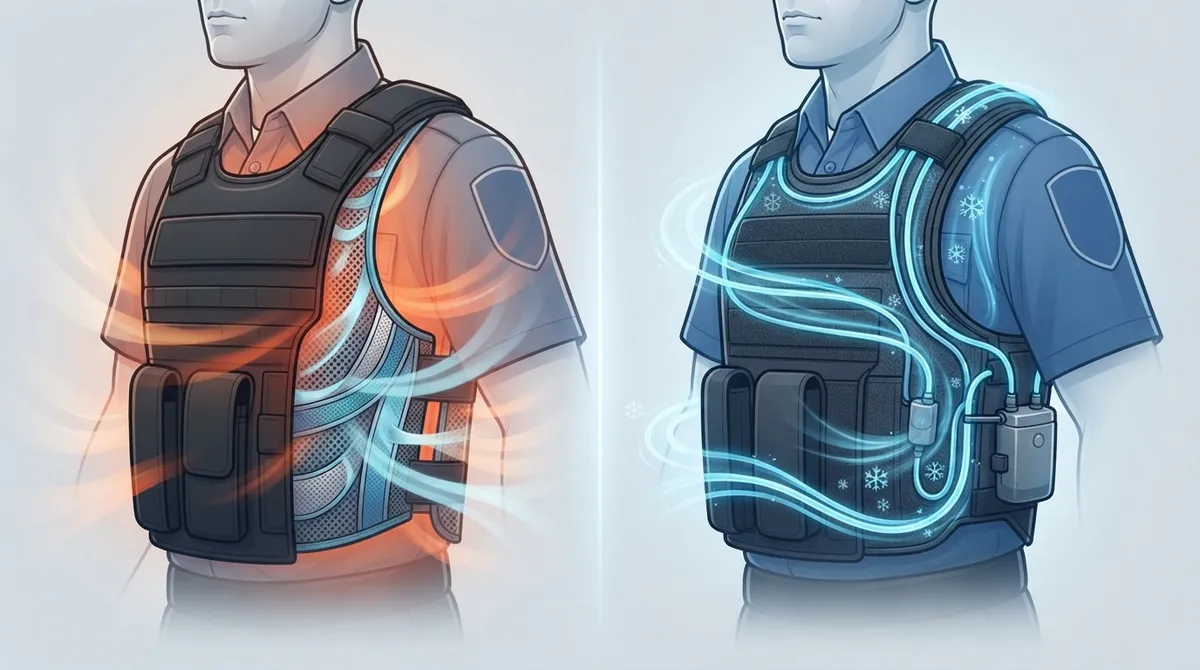
Before diving into our top picks, it helps to understand the two main approaches to police vest cooling. Each has its own strengths depending on your needs.
| Feature | Passive Ventilation | Active Ventilation |
|---|---|---|
| How it works | Mesh panels and air channels create natural airflow | Fans or pumps actively move air |
| Power needed | None | Battery or rechargeable power bank |
| Weight | Very lightweight | Slightly heavier due to fan components |
| Cooling strength | Moderate, relies on movement | Strong, continuous airflow even when still |
| Best for | Officers who want a simple, no-maintenance option | Officers on long shifts needing constant cooling |
Both types have their place, and you can learn more about how these systems stack up in our breakdown of passive vs active cooling for police body armor. Now let’s get into the top 8 solutions worth your attention this year.
8 Best Police Vest Cooling Solutions for 2026
1. BluHalo Inflatable Ventilation Vest
BluHalo tops our list, and for good reason. This lightweight vest was designed by a Chicago police officer who got tired of sweating through every shift. It weighs under 7 ounces and lies completely flat when deflated, so you won’t even notice it’s there until you need it.
Here’s the clever part: when you inflate it with a small pump, BluHalo lifts your vest up to 1.5 inches off your body. That gap is where the magic happens, letting trapped heat and moisture finally escape. When you’re done, one button deflates it instantly so it sits flat under your armor again.
Officers who’ve tested it during 12-hour shifts in 95-degree heat report a huge difference in comfort. It’s built from double-layer, high-strength polyethylene, so it holds up to daily wear and tear. You can check out the full BluHalo ventilation vest details and see why it’s become a go-to choice for officers who refuse to overheat on the job.
2. BluFano Active Fan Cooling System
If you want continuous, adjustable airflow, BluFano is our top active cooling pick. This self-contained unit slides under any style of body armor using a patented air-redirect spout, and it runs on a built-in 10,000mAh power bank.
That power bank does double duty. It powers the fan for 8 to 32 hours depending on your fan speed setting, and it can charge your phone or other USB devices too. BluFano even has a forward-facing light for those low-light situations when you need your hands free.
Officers love how easy it is to attach and control with a simple knob. Many say pairing it with their vehicle’s AC before a shift makes the first hour outside feel noticeably cooler. Explore the full BluFano fan system lineup if you want serious, all-day active cooling power.
3. Maxx-Dri 4.0 Passive Ventilation Panel
Maxx-Dri 4.0 is a well-known passive option in the police vest cooling space. In certified testing, it reduced surface temperatures by an impressive 23°F. This system uses raised mesh channels to create separation between your body and your armor without any batteries or moving parts.
It’s a solid choice if you want something simple that just works, shift after shift, with zero charging required.
4. TacVent Separation-Based Cooling System
TacVent takes a similar passive approach but focuses heavily on the gap between your vest and undershirt. Field reporting suggests it can keep wearers up to 14.6°F cooler compared to wearing armor without any ventilation gear at all.
This makes it a strong contender for officers who spend a lot of time outdoors during peak summer heat.
5. Centrifugal Fan Load-Bearing Vest Systems
Some of the newest innovations come from international testing programs. A Singapore Police Force trial tested a ventilated load-bearing vest equipped with four centrifugal fans. Under conditions of 30°C and 70% humidity, it reduced lower back skin temperature by 1.86°C.
While this specific system isn’t widely available yet, it shows where the industry is heading: smarter, multi-fan designs built directly into load-bearing gear.
6. Mesh Spacer Vests for Everyday Comfort
Mesh spacer vests are a budget-friendly entry point into police vest cooling. They use raised, breathable fabric to create small air pockets under your armor. They won’t outperform active fan systems, but they’re a great starting point if you’re new to ventilation gear.
7. Moisture-Wicking Base Layers
Pairing any ventilation vest with a good moisture-wicking undershirt makes a real difference. These fabrics pull sweat away from your skin faster, which helps your cooling system work even better. Think of it as teamwork between your gear and your base layer.
8. Bundled Cooling Systems for Maximum Relief
Why choose just one solution when you can combine them? Many officers are now bundling passive and active systems together, like pairing BluHalo with BluFano, to get the best of both worlds. You get the instant air-gap lift from BluHalo plus the continuous airflow from BluFano’s fan system, all working together under your vest.
How to Choose the Right Police Vest Cooling System
With so many options, picking the right one comes down to a few key factors. Here’s a simple checklist to help you decide.
- Consider your shift length. Longer shifts benefit more from active fan systems with extended battery life.
- Think about your climate. Hot, humid regions may need stronger active cooling versus milder climates where passive works fine.
- Check compatibility with your armor. Make sure the system fits your specific Body Armor Standards-compliant vest without interfering with protection.
- Factor in weight and bulk. Lighter systems like BluHalo won’t add noticeable bulk under your uniform.
- Look at ease of use. Quick inflate and deflate features, like BluHalo’s, matter when you need fast adjustments during a shift.
For a deeper dive into matching gear to your specific needs, take a look at our guide on how to select ventilation gear for body armor comfort.
Comparing Top Police Vest Cooling Products at a Glance
| Product | Type | Cooling Method | Weight | Best For |
|---|---|---|---|---|
| BluHalo | Semi-passive (inflatable) | 1.5-inch air gap lift | Under 7 oz | Daily patrol, quick relief |
| BluFano | Active | Fan-driven airflow, 8-32 hrs | Moderate | Long shifts, tactical use |
| Maxx-Dri 4.0 | Passive | Mesh channel separation | Lightweight | No-maintenance comfort |
| TacVent | Passive | Vest-to-shirt separation | Lightweight | Hot outdoor duty |
Staying Safe While Staying Cool
Remember, cooling gear works best alongside good hydration habits and smart shift planning. Take breaks in shade or AC when you can, and drink water consistently throughout your shift, not just when you feel thirsty. These small habits combined with quality ventilation gear can make a huge difference in how you feel by hour ten.
It’s also worth checking in with your department about heat safety policies. Many agencies are updating their gear recommendations as more research on heat stress and performance comes out. If your department hasn’t looked into cooling vests yet, you might be the one to start that conversation.
Beyond gear, taking care of your overall wellness matters too. Just like regular dental checkups keep your smile healthy, teams like Brockway Orthodontics remind us that consistent care habits pay off over time, the same logic applies to consistently using your cooling gear every single shift, not just on the worst days.
The Bottom Line on Police Vest Cooling
You don’t have to accept sweating through your uniform as just part of the job anymore. Police vest cooling technology has genuinely improved, and products like BluHalo and BluFano are leading that charge with real, tested results. Whether you want the simple, lightweight lift of an inflatable air gap or the continuous power of an active fan system, there’s an option built for your exact situation.
We know firsthand how much comfort impacts focus and performance on the job. That’s why we built our products around real feedback from officers who needed something better. If you’re ready to stop dreading hot shifts, get in touch with our team and let’s find the right cooling setup for you.
Small businesses like ours also know how valuable good visibility online is, which is why partnering with experts like SEO Rocket helps us keep bringing helpful, accurate content to officers searching for real solutions. You deserve gear that actually works, and we’re here to help you find it.
FAQs
Q: What is a police vest cooling vest?
A: It’s a piece of gear worn under or attached to your body armor that helps air flow better against your skin. Think of it as creating a little breathing room between you and your vest so heat and sweat don’t get trapped. Products like BluHalo do this by lifting your armor slightly with a quick air gap.
Q: How do ventilation vests work under body armor?
A: They either use mesh and air channels (passive systems) or small fans and pumps (active systems) to move air between your body and your armor. This airflow carries away heat and moisture that would otherwise get stuck against your skin. Both approaches aim for the same goal: a cooler, drier, more comfortable shift.
Q: What is the difference between passive and active police vest cooling systems?
A: Passive systems, like mesh spacer vests, use design and materials alone to create airflow without any power source. Active systems, like BluFano, use battery-powered fans to actively push air through the gap. Active systems generally cool more consistently, especially when you’re standing still, while passive options are lighter and need zero maintenance.
Q: Can ventilation vests be used with existing body armor?
A: Yes, most ventilation vests are designed to work with the armor you already own. BluHalo, for example, attaches with Velcro to a clean vest surface, so you don’t need to buy new armor. Just double check compatibility with your specific vest style before attaching anything.
Q: Are police cooling vests safe and compatible with NIJ standards?
A: Quality ventilation vests are built to sit alongside your armor without interfering with its protective function, so your safety rating stays intact. Always check the manufacturer’s guidance and your department’s policies to be sure. You can also review official body armor guidelines through resources like the National Institute of Justice for extra peace of mind.