Key Takeaways
-
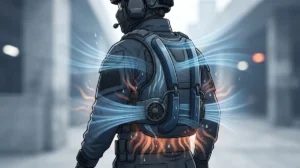
Use a ventilation vest like BluHalo to create a 1.5-inch air gap under your plate carrier, reducing heat and moisture entrapment with minimal added weight under 7 ounces.
-
Upgrade to an active fan system like Blufano for extreme heat or humid conditions, offering 8-32 hours of runtime and continuous airflow circulation underneath body armor.
-
Match your cooling method to your environment: ventilation vests work best in dry heat with movement, while active fans excel in humidity; evaporative cooling fails in wet climates.
-
Ensure proper plate carrier fit before adding cooling gear to avoid compressing ventilation channels and maintain ballistic protection integrity through correct alignment and strap tension.
-
Drink cool water consistently throughout your shift rather than waiting until thirsty, and switch to electrolyte drinks after 90 minutes of heavy sweating to prevent dangerous imbalances.
-
Recognize heat illness warning signs immediately—headache, weakness, nausea, confusion—and stop activity to remove gear and seek shade; implement buddy-check systems to catch symptoms early.
If you’ve ever spent a shift sweating buckets under a heavy plate carrier, you already know the struggle is real. That armor is protecting your life, but it’s also trapping heat and moisture right against your body like a personal sauna. The good news? Staying cool in a plate carrier isn’t some impossible dream. With the right gear and a few smart habits, you can beat the heat and still get home feeling like a human being instead of a puddle.
Whether you’re on patrol, deployed overseas, running a protective detail, or gearing up for a tactical op, heat management matters just as much as your ballistic protection. In this guide, we’ll walk through six proven strategies for staying cool in a plate carrier, backed by real heat-safety guidance and gear that actually works. Let’s get you comfortable out there, one smart choice at a time.
Why Plate Carriers Turn Up the Heat
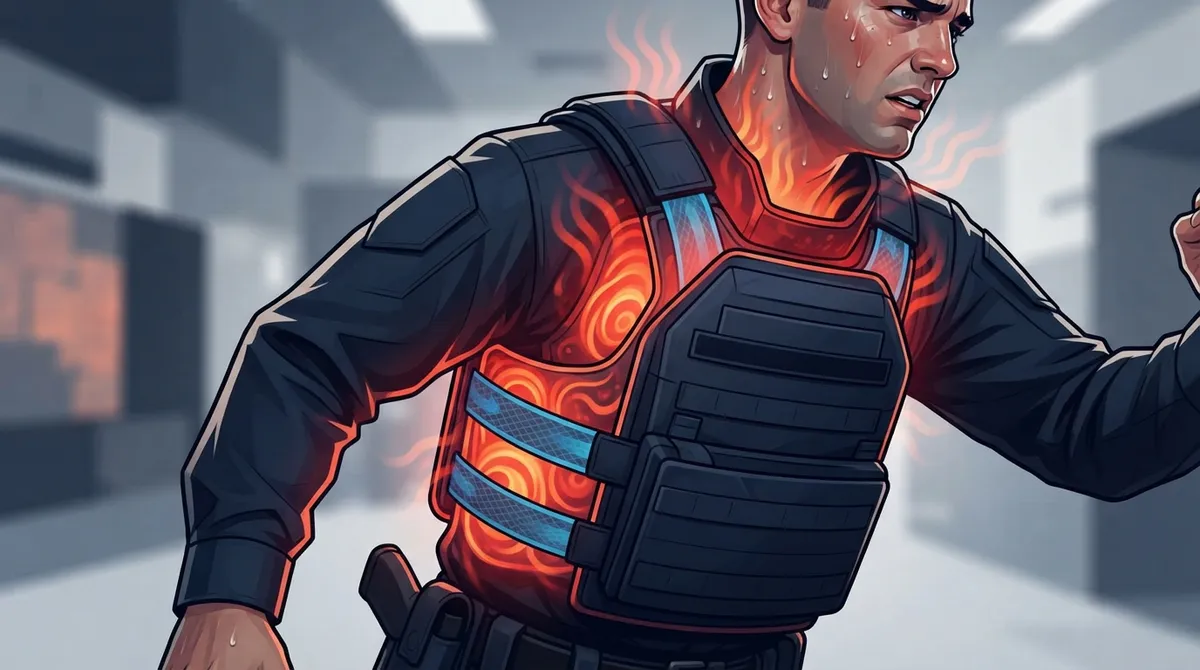
Before we jump into solutions, let’s talk about why this happens in the first place. Plate carriers sit tight against your torso, blocking the natural airflow your body relies on to cool down. Add ballistic plates, pouches, and gear on top, and you’ve got a recipe for trapped heat and soaked-through undershirts.
According to OSHA Heat Stress Guide, heavy protective gear significantly increases the risk of heat-related illness, especially during strenuous activity, high humidity, or long shifts in direct sun. This isn’t just uncomfortable. It can affect your focus, reaction time, and overall safety on the job.
Here’s what makes plate carriers such heat traps:
- They restrict airflow across the chest and back, where your body naturally sheds heat
- They add weight, which increases your metabolic heat production as you move
- They hold sweat close to your skin instead of letting it evaporate
- They’re often worn for 8, 10, or even 12+ hours at a stretch
Understanding this is step one. Step two is doing something about it, and that’s exactly what we’re covering next.
1. Add a Ventilation Vest to Create an Air Gap
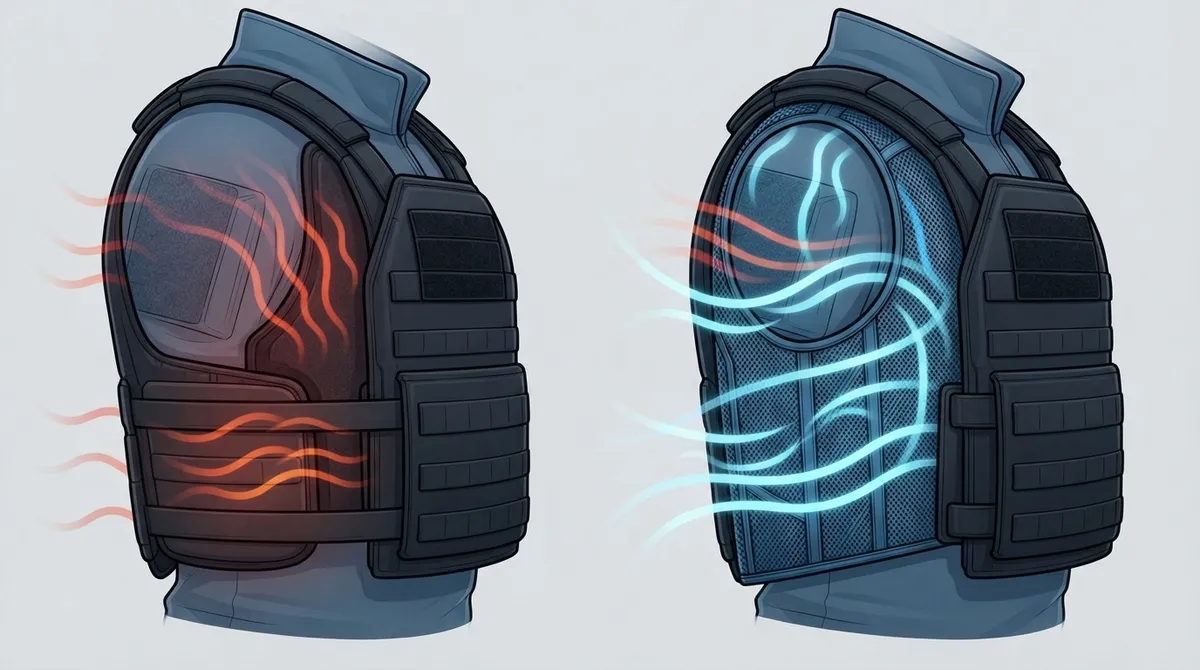
The single most effective upgrade you can make is adding a ventilation vest underneath your plate carrier. This isn’t about changing your armor or plates at all. It’s about creating breathing room between your body and your gear.
The BluHalo ventilation vest was designed by a Chicago police officer who got tired of sweating through 12-hour shifts in 95-degree heat. It’s a lightweight, inflatable vest that lifts your plate carrier up to about 1.5 inches off your body, creating an air gap that lets heat and moisture escape instead of getting trapped.
Here’s why this matters so much:
- It weighs under 7 ounces, so you barely notice it’s there
- It sits flat and unobtrusive when deflated
- You inflate it on demand with a small pump when you need cooling relief
- A quick button press deflates it instantly, so it never gets in the way during fast movement or emergency doffing
Officers who’ve tried it describe major comfort improvements during those brutal double shifts. If you want to see how this works for yourself, check out the product videos showing the inflate-deflate system in action.
2. Upgrade to Active Airflow with a Fan System
Sometimes a passive air gap isn’t quite enough, especially in extreme heat or humid conditions. That’s where active cooling comes in, and it’s a game-changer for tactical teams and military personnel operating in brutal climates.
The Blufano fan system takes things a step further by actively circulating fresh air underneath your body armor. It’s a self-contained unit with a patented air-redirect spout that slides under any style of plate carrier, no matter the brand or setup.
What makes Blufano stand out:
- Adjustable fan speeds give you 8 to 32 hours of runtime depending on your setting
- A built-in 10,000mAh power bank doubles as a charger for your phone or other USB devices
- A forward-facing light helps with hands-free illumination during low-light operations
- It attaches quickly and operates with a simple control knob, no complicated setup required
Users report faster cooling, less sweat buildup, and better focus during long, hot days. Many say pairing it with vehicle AC before a shift gives them a head start on staying comfortable. For teams that want maximum performance, bundling BluHalo and Blufano together gives you both passive and active cooling in one setup.
3. Choose Cooling Approaches That Match Your Environment
Not all cooling methods work the same way in every climate. This is one of the biggest mistakes people make when picking gear for staying cool in a plate carrier.
| Cooling Method | Best Conditions | Limitations |
|---|---|---|
| Ventilation vest (air gap) | Dry heat, active movement, all-day wear | Less dramatic cooling than active fans in extreme heat |
| Active fan system | Any climate, extended shifts, humid conditions | Requires battery charging and maintenance |
| Evaporative cooling towels/vests | Low humidity environments | Loses effectiveness in humid or wet climates |
| Ice packs or phase-change materials | Short missions, rapid cooling needs | Adds weight, limited duration, requires freezing/prep |
Convective airflow, like what you get from a ventilation vest, works best when you’re moving and the air is relatively dry. Evaporative cooling loses its punch in humid conditions since sweat can’t evaporate as easily. Conductive cooling, like ice or phase-change packs, gives strong localized relief but adds bulk and doesn’t last as long.
This is exactly why active systems like Blufano shine in humid climates or extended deployments, while a ventilation vest like BluHalo is perfect for everyday patrol work. Want a deeper comparison? Check out our breakdown on passive vs. active tactical vest ventilation to see which wins for your situation.
4. Get Your Fit Right Before Adding Any Cooling Gear
Here’s something people overlook constantly: even the best cooling system won’t help if your plate carrier doesn’t fit right. Too tight, and you’re compressing the ventilation channels and squeezing out any airflow. Too loose, and your plates might shift, reducing your protection.
Follow these steps to make sure your setup is dialed in:
- Check that your plates sit centered and cover the intended protection zones
- Adjust shoulder straps so the carrier sits snug but doesn’t restrict breathing
- Test your cummerbund tension, it should be firm without digging in
- Add your ventilation vest or fan system and confirm it doesn’t shift plate positioning
- Move through your normal range of motion (kneeling, reaching, running) to check comfort
A properly fitted carrier combined with a quality ventilation vest gives you the best of both worlds: solid protection and real comfort. According to Body Armor Standards, proper fit is essential not just for comfort but for maintaining the protective integrity of your armor system.
5. Build Smart Hydration and Break Habits Into Your Shift
Cooling gear is a huge help, but it’s not a magic bullet. You still need to take care of your body from the inside out. NIOSH heat-stress guidance recommends drinking cool water, ideally around 59°F, frequently throughout your shift rather than chugging it all at once.
If you’re sweating heavily for more than 90 minutes, plain water might not cut it. NIOSH notes that workers in these conditions may need balanced carbohydrate-electrolyte drinks to avoid dangerous electrolyte imbalances. Keep these habits in your daily routine:
- Sip water consistently rather than waiting until you’re thirsty
- Use electrolyte drinks during long shifts or high-exertion days
- Take scheduled breaks in shaded or air-conditioned areas when possible
- Acclimate gradually if you’re new to hot-weather duty or just returning from time off
- Check in with your team or partner regularly, heat illness can sneak up fast
Pairing these habits with a ventilation vest gives you a complete heat-management strategy instead of relying on just one piece of the puzzle. We go deeper into this topic in our article on how to prevent heat stress while wearing body armor.
6. Know the Warning Signs and Act Fast
Even with the best gear and habits, heat illness can still happen. Knowing the symptoms could save your life or a teammate’s life. Watch for these signs during hot-weather operations:
- Headache or dizziness that comes on suddenly
- Unusual weakness or fatigue beyond normal exertion
- Nausea or an upset stomach
- Confusion or trouble concentrating
- Loss of coordination or stumbling
If you or a teammate notice these symptoms, stop activity immediately. Remove or loosen heat-trapping gear when it’s safe to do so, move to a cool area, and get medical attention right away. This is not the moment to push through and finish the task. Your safety always comes first.
Building a buddy-check system into your team’s routine catches these warning signs early, before they turn into a real emergency. Combine that awareness with quality cooling gear, and you’re covering all your bases.
Comparing BluHalo and Blufano for Your Needs
Choosing between passive and active cooling comes down to your specific role and environment. Here’s a quick side-by-side to help you decide:
| Feature | BluHalo Ventilation Vest | Blufano Fan System |
|---|---|---|
| Weight | Under 7 ounces | Slightly heavier, includes power bank |
| Cooling Method | Passive air gap (up to 1.5 inches) | Active airflow via fan |
| Runtime | Unlimited, manual inflate/deflate | 8-32 hours depending on speed setting |
| Best For | Everyday patrol, quick comfort boosts | Extended shifts, extreme heat, humid climates |
| Extra Features | Low-profile, flat when deflated | USB charging, built-in light |
Many professionals choose to combine both for maximum coverage. You get the on-demand air gap from BluHalo plus the continuous airflow from Blufano, giving you flexibility no matter what your day throws at you. Browse the full lineup in our shop to find the setup that fits your role.
Final Thoughts on Staying Cool Under Pressure
Staying cool in a plate carrier doesn’t have to feel like an impossible mission. With the right combination of ventilation gear, smart fit, solid hydration habits, and awareness of heat-illness symptoms, you can power through even the toughest shifts feeling like yourself. Real people, from patrol officers to deployed soldiers to security professionals, have found genuine relief with tools like BluHalo and Blufano, and you can too.
You don’t have to keep sweating through your shirt and losing focus because of heat trapped under your armor. Ready to experience real cooling relief for yourself? Reach out to our team today and let’s find the perfect cooling setup for your gear, your climate, and your mission.
FAQs
Q: How can I stay cool while wearing a plate carrier?
A: The best approach combines a ventilation vest for airflow, staying hydrated with cool water throughout your shift, and taking breaks when possible. Adding a product like BluHalo creates an air gap under your armor, which makes a huge difference on long, hot days. Pair that with smart habits like frequent water breaks and you’ll notice the difference fast.
Q: Do ventilation vests work under body armor?
A: Yes, they absolutely do! Ventilation vests like BluHalo are specifically designed to fit under your plate carrier without interfering with plate positioning or coverage. They create a small air gap that lets heat and moisture escape instead of getting trapped against your skin, giving you real relief during long shifts.
Q: What is the best cooling system for a plate carrier in hot weather?
A: It really depends on your environment and how long you’ll be wearing your gear. For everyday comfort, a passive ventilation vest works great. For extreme heat or humid climates, an active fan system like Blufano gives you continuous airflow for up to 32 hours. Many folks love combining both for the ultimate cooling setup.
Q: Can a ventilation vest affect ballistic protection or plate fit?
A: A well-designed ventilation vest, like BluHalo, is built to sit under your carrier without shifting your plates or reducing coverage. It’s low-profile and lies flat when deflated, so it won’t mess with your armor’s fit. Just make sure you follow proper fitting steps to keep everything secure and protective.
Q: How should I manage hydration and heat stress while wearing body armor?
A: Sip cool water consistently throughout your shift instead of waiting until you’re thirsty, and consider electrolyte drinks if you’re sweating heavily for over 90 minutes. Combine this with scheduled breaks, gradual heat acclimatization, and a reliable cooling vest for the best results. Your body will thank you, and so will your energy levels by the end of your shift!