Key Takeaways
-
Cooling vests and cooling fans work fundamentally differently—fans rely on evaporation while ice/phase-change vests pull heat directly from your body—so choose based on your climate humidity levels, not assuming they're interchangeable.
-
Fan-based systems claim 4-8 hours runtime, but real performance depends on battery capacity, fan speed, and airflow resistance; the Blufano system's 10,000mAh power bank delivers 8-32 hours depending on fan setting for extended shifts.
-
Humidity dramatically affects performance: fan vests work best in dry climates where sweat can evaporate, while ice or phase-change cooling vests are more predictable in humid conditions since they extract heat directly.
-
Proper airflow pathways are critical—body armor worn too tight blocks air movement and kills cooling effectiveness, so products like BluHalo that create a 1.5-inch gap under armor are essential for actual cooling benefits.
-
Cooling gear is never a substitute for comprehensive heat safety: pair your equipment with scheduled work-rest cycles, hydration, acclimatization (7-14 days gradually), and OSHA-recommended engineering controls.
-
Match your cooling system to your specific role and shift length rather than price alone; investing in durable materials and reliable construction upfront saves money long-term compared to cheap gear that fails after months of daily use.
Picture this: it’s a 95-degree afternoon, you’re twelve hours into your shift, and your body armor feels like a portable sauna. Sound familiar? If you’ve ever stood in a gear store scratching your head over cooling vest vs cooling fan options, you’re not alone. So many hardworking officers, soldiers, and first responders make the same avoidable mistakes when picking their heat-relief gear, and honestly, we get it. There’s a lot of confusing marketing out there.
The good news? You don’t have to guess anymore. We’re walking through the twelve biggest mistakes folks make when comparing cooling vests to cooling fans, so you can pick the right gear the first time. Whether you’re patrolling the streets, running a checkpoint overseas, or standing post at a busy venue, staying cool isn’t just about comfort. It’s about staying sharp, safe, and ready for whatever your shift throws at you. Let’s dig in together.

Mistake 1: Assuming All Cooling Gear Works the Same Way
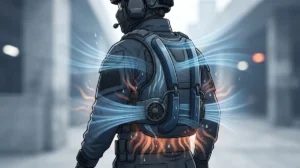
This is the big one. Cooling vests and cooling fans are not interchangeable, and treating them like they are sets you up for disappointment. A fan-driven ventilation vest, like the Blufano system, pulls in outside air and moves it across your skin, which helps sweat evaporate faster. Traditional cooling vests, on the other hand, often use frozen gel packs, ice, or phase-change materials that pull heat directly from your body.
Neither approach is “bad.” They just solve the problem differently. Understanding this difference is step one, and honestly, it’s the reason we wrote this whole guide. Once you know how each system works, everything else starts making sense.

Mistake 2: Ignoring Humidity Levels When Choosing Gear
Here’s something a lot of buyers overlook: humidity changes everything. Fan-based systems rely heavily on evaporation, so they work best in drier climates. When the air is thick with moisture, sweat has nowhere to go, and your fan vest won’t perform as well.
Ice or phase-change vests are less dependent on evaporation because they pull heat directly from your body. That makes them more predictable in swampy, humid conditions. If you work somewhere humid most of the year, factor that into your decision instead of just going with whatever’s trending online.
Mistake 3: Overestimating Battery Runtime Claims
Manufacturers love to advertise big runtime numbers, and while some are accurate, others are optimistic best-case scenarios. Commercial fan-vest specs commonly claim 4 to 8 hours of operation, but real-world runtime depends on battery capacity, fan speed, temperature, and how much airflow resistance your garment has.
A commonly cited battery-sizing range is 5,000 to 7,000 mAh for a standard shift, and 8,000 mAh or more for extended shifts. The Blufano system stands out here with its built-in 10,000mAh power bank, giving you 8 to 32 hours depending on your fan setting. That’s the kind of real capacity that gets you through a double shift without panic.
Quick Battery Reality Check
- Higher fan speeds drain batteries faster, even if the mAh rating looks impressive
- Cold weather can reduce battery performance temporarily
- Always test your gear before a long shift, not during one
- A power bank that also charges your phone (like Blufano’s) adds real value beyond cooling
Mistake 4: Forgetting That Fans Need Airflow Pathways
A fan vest only works well if air can actually move across your skin. If your body armor is packed too tight or layered with extra gear, that airflow pathway gets blocked, and you lose most of the benefit. This is why proper fit matters so much.
Products designed specifically to create a gap, like the BluHalo ventilation vest, solve this by physically lifting your armor up to 1.5 inches off your body when inflated. That gap gives moving air somewhere to actually go, which is the whole point. Check out our guide on improving body armor airflow for all-day comfort for more on this.
Mistake 5: Choosing Based on Price Alone
We get it, budgets matter. But picking the cheapest cooling gear on the shelf often means picking gear that breaks down after a few months of daily wear. Ballistic vest ventilation systems that hold up need durable materials, reliable batteries, and solid construction.
The BluHalo device, for example, is built from double-layer high-strength polyethylene specifically because officers need something that survives daily duty use, not just a weekend hike. Spending a little more upfront on quality ventilation gear usually saves you money in the long run.
Mistake 6: Skipping Research on Cooling Power
Not all cooling claims are created equal. A 2017 study published in the Annals of Work Exposures and Health found that cooling vests in hot, humid environments produced average torso cooling power of roughly 56 to 67 watts over a three-hour test, and adding phase-change material extended that cooling effect by about 60 minutes.
A separate 2021 study in the journal Ergonomics found active cooling vests reached maximum heat extraction around 331 Wh/m², compared to up to 164 Wh/m² for PCM vests and 113 Wh/m² for evaporative vests under test conditions. These numbers show that active airflow systems can outperform passive options in certain scenarios, but results vary by product and testing method. Don’t just trust marketing copy; look for real data whenever you can.
Mistake 7: Believing a Cooling Vest Replaces a Heat Safety Plan
This mistake could actually put someone at risk. Neither a cooling vest nor a ventilation fan replaces a full heat-illness prevention program. The OSHA Heat Stress Guide recommends engineering controls, scheduled work-rest cycles, hydration, and acclimatization as core parts of any heat safety strategy. Personal cooling gear is a helpful add-on, not a magic shield.
NIOSH also recommends acclimatizing new workers gradually over 7 to 14 days, limiting exposure to about 20% of normal heat exposure on day one and increasing it by no more than 20% each following day. Pair your gear with smart scheduling and hydration habits for the best results.
Mistake 8: Not Considering Noise in Quiet Work Environments
Fans, even quiet ones, produce some sound. For most patrol work, that’s a non-issue. But if you’re doing surveillance, tactical entry, or any job requiring silence, a humming fan could be a problem. This is worth thinking through before you buy, especially for tactical teams who need stealth alongside comfort.
Mistake 9: Overlooking Weight and Bulk Under Gear
Some cooling systems add noticeable bulk around your waist or torso, which matters when you’re already carrying a duty belt, radio, and other equipment. Ice and liquid-cooled vests tend to be heavier and bulkier than fan-based systems.
The BluHalo vest weighs under 7 ounces and sits flat when deflated, which means it doesn’t interfere with your other gear until you actually need it. That low-profile design is a big reason officers love it for all-day tactical wear.
Mistake 10: Buying Without Reading Real User Reviews
Marketing pages tell you what a product should do. Reviews tell you what it actually does in the field. Look for testimonials from people in similar roles, whether that’s law enforcement, security, or emergency response. Officers wearing BluHalo have described major comfort improvements during brutal 12-hour shifts in 95-degree heat, which is exactly the kind of real-world feedback worth trusting. Check out customer reviews before making your final call.
Mistake 11: Ignoring Hybrid Options
Some people assume it’s an either-or choice between cooling vest and cooling fan. That’s not always true anymore. Hybrid designs combine ventilation fans with heat-absorbing materials, giving you airflow plus direct cooling. They’re typically heavier and pricier than a basic fan vest, but for some roles, that tradeoff is worth it.
Here’s a quick comparison to help you weigh your options:
| Feature | Fan Ventilation Vest | PCM/Ice Cooling Vest | Hybrid System |
|---|---|---|---|
| Best in humidity | Moderate | Strong | Strong |
| Runtime | Long (battery-based) | Short (needs reset) | Moderate |
| Weight | Light | Heavier | Heaviest |
| Noise | Some fan sound | Silent | Some fan sound |
| Maintenance | Battery charging | Freezing/reset packs | Both |
Mistake 12: Not Matching Gear to Your Specific Role
A firefighter’s cooling needs look different from a SWAT operator’s, which look different from a private security guard’s. Matching your gear to your actual working conditions matters more than following trends. Here’s a simple checklist to guide your decision:
- Identify your typical shift length and climate humidity
- Consider whether silence is required for your role
- Check compatibility with your specific body armor standards and fit
- Decide if battery charging or ice-pack resets fit your daily routine better
- Test gear during a lower-stakes shift before relying on it for extreme heat days
For law enforcement specifically, our article on why officers need a cooling vest breaks this down further. Military personnel might find more value in our guide on how military body armor cooling actually works.
Why BluHalo and Blufano Solve Most of These Problems Together
Here’s the honest truth: you don’t have to choose just one system. Many of our customers bundle the BluHalo ventilation vest with the Blufano fan system to get the best of both worlds. BluHalo creates that crucial air gap under your armor, while Blufano’s patented air-redirect spout delivers adjustable, fan-driven airflow for up to 32 hours on a single charge.
Blufano also includes a forward-facing light for low-light situations and a power bank that charges your phone, which is a nice bonus during long shifts. Together, these two products address nearly every mistake on this list: humidity performance, airflow pathways, battery life, weight, and durability. You can learn more about how they work on our product videos page or read about the team’s story on our about us page.
Wrapping It Up
Choosing between a cooling vest and a cooling fan doesn’t have to feel overwhelming. Now that you know the twelve common mistakes to dodge, you’re in a much better spot to pick gear that actually works for your job, your climate, and your comfort. Remember, the goal isn’t just staying cool for cooling’s sake. It’s staying focused, safe, and ready for whatever your shift brings your way.
If you still have questions about which setup fits your needs best, our team is happy to help you sort through the options. Feel free to reach out to our team and we’ll walk you through everything, no pressure, just honest advice from people who genuinely want you to stay comfortable out there.
FAQs
Q: Is a cooling vest or a fan vest better for working in hot weather?
A: It really depends on your climate and shift length! Fan vests, like our Blufano system, shine in drier conditions and long shifts since they run on battery power. Cooling vests with ice or PCM packs work great in humid climates where sweat can’t evaporate easily, so pick based on your local weather and how long you’re on duty.
Q: Do cooling fan vests work in high humidity?
A: They can still help, but their performance does dip a bit when the air is thick with moisture, since fans rely on evaporation to cool you down. That said, pairing a fan vest with an airflow gap creator like BluHalo can still make a noticeable difference, even on muggy days.
Q: How long does a battery-powered ventilation vest run on one charge?
A: Most commercial fan vests claim 4 to 8 hours, though real runtime depends on fan speed and temperature. Our Blufano system stands out with its 10,000mAh power bank, giving you anywhere from 8 to 32 hours depending on your chosen setting, which is perfect for those grueling double shifts.
Q: Can a fan vest be worn under body armor or other PPE?
A: Absolutely, that’s exactly what these systems are designed for! Both BluHalo and Blufano slide comfortably under any style of body armor, creating airflow pathways so you actually feel the cooling benefit instead of just moving hot air around inside your gear.
Q: Does a cooling vest actually lower core body temperature?
A: Research shows cooling vests and fan systems can meaningfully reduce heat stress and improve comfort, with studies showing measurable cooling power over several hours. That said, no cooling garment replaces good hydration, breaks, and acclimatization, so think of your gear as one important piece of a bigger heat-safety puzzle.