Key Takeaways
-
PCM cooling vests provide only 2.5 hours of cooling per charge while airflow ventilation systems like BluFano deliver 8-32 hours, making them significantly better for 8-12 hour law enforcement shifts without needing ice or refrigeration.
-
Airflow ventilation vests create a 1.5-inch physical gap between body and armor that enables natural sweat evaporation, actively managing both heat and moisture unlike military cooling vests that only absorb temperature.
-
BluHalo weighs under 7 ounces and lies completely flat when deflated, providing ultra-low profile cooling compared to military cooling vests' moderate-to-heavy bulk, critical for officers in public-facing roles.
-
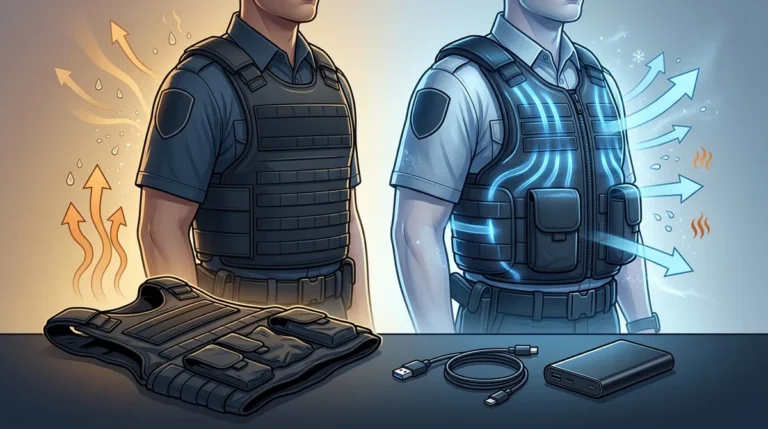
Military cooling vests require expensive recharging with ice water or refrigeration in the field, while BluFano fan systems use USB charging with included 10,000mAh power banks for on-duty device charging.
-
Law enforcement and security professionals need airflow ventilation for daily use due to longer duration and ease of use, while military-deployed personnel with short intense missions benefit more from specialized PCM or liquid cooling vests.
-
OSHA Heat Stress Guidelines recommend proactive cooling for high-heat workers, and airflow ventilation systems are the most accessible solution starting at $60 compared to military-grade cooling vests costing several hundred dollars.
If you wear body armor for a living, you already know the struggle. Heat builds up fast. Sweat soaks through your uniform. After a few hours, it feels like you’re wearing a sauna on your chest. Whether you’re a police officer, soldier, security professional, or first responder, heat management under protective gear is a real problem — and it affects your focus, energy, and safety on the job.
The good news? In 2026, cooling vest technology has come a long way. Two major approaches have emerged as the top solutions: military-grade cooling vests (like the militaur cooling vest style) and active airflow ventilation systems. Both have serious benefits. But which one is actually right for you? Let’s break it down in plain language so you can make the smartest choice for your comfort and performance.
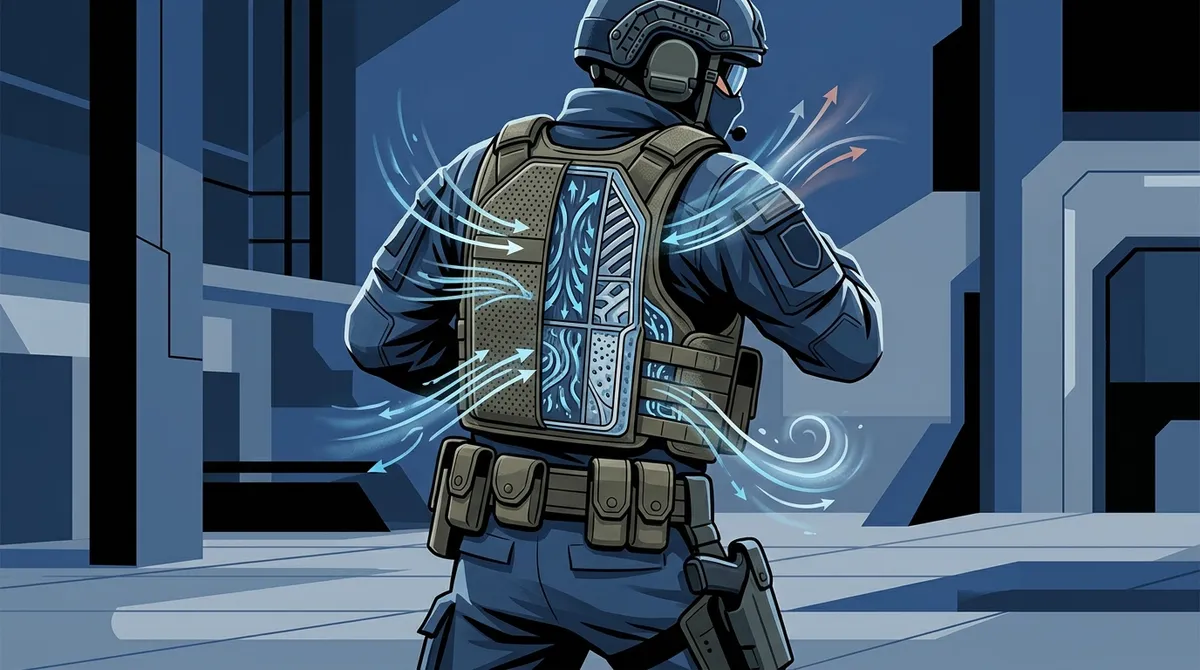
What Is a Militaur Cooling Vest?
The term “militaur cooling vest” refers to military-grade cooling vests built specifically for extreme heat environments. These vests were originally designed for soldiers operating in desert climates and high-intensity combat zones. They use advanced materials and technology to pull heat away from the body and maintain a safe core temperature.
There are three main types of military cooling vests you’ll hear about:
- Phase Change Material (PCM) Vests — These contain special materials that absorb body heat as they change from solid to liquid. PCM vests like those from Texas Cool Vest can maintain around 65°F of comfort for up to 2.5 hours per charge.
- Liquid Cooling Garments (LCG) — These use tubes filled with cool water to carry heat away from the body. DEVCOM’s latest liquid cooling garment is nearly 30% more efficient at heat extraction and 15% lighter than older Environmental Control Vests.
- Hybrid Systems — These combine PCM with technologies like graphene panels and moisture-wicking fabrics for power-free heat dispersion around ballistic plates.
Military cooling vests are serious engineering achievements. According to market research, modern PCM cooling vests can offer 8–12 hours of cooling duration with lighter, more flexible designs. That’s impressive. But they come with tradeoffs — including cost, bulk, and the need for regular recharging or ice packs.
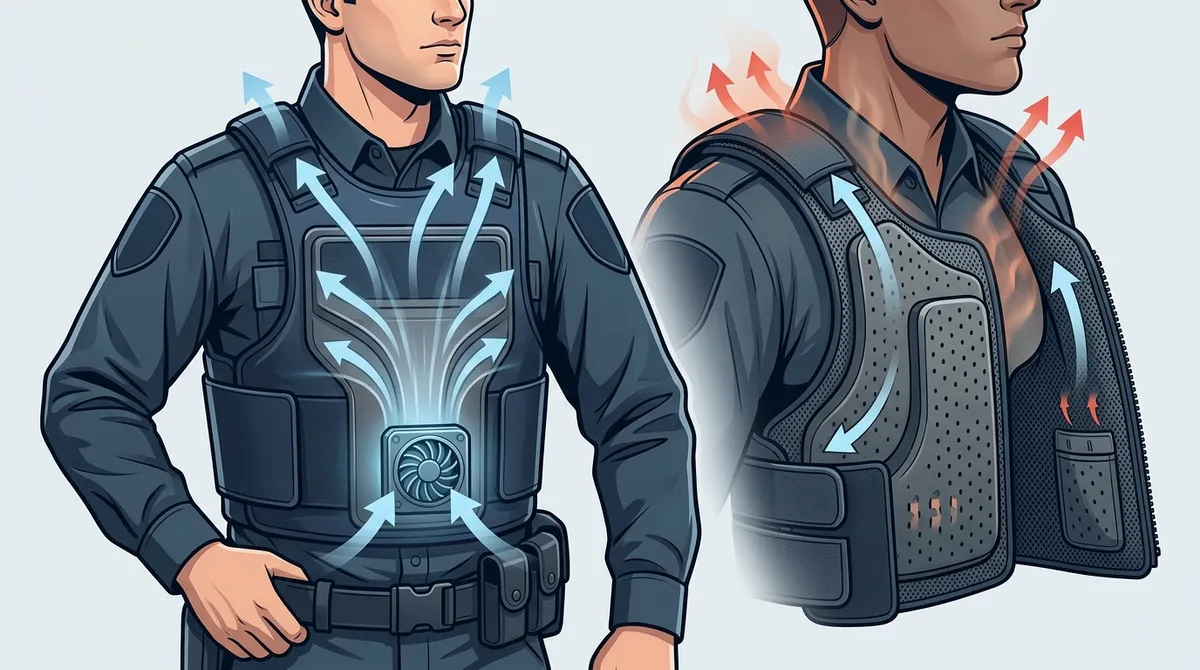
What Is an Active Airflow Ventilation Vest?
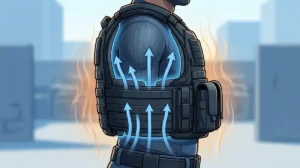
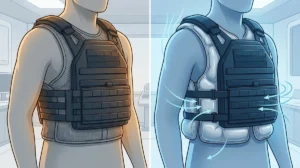
An active airflow ventilation vest takes a different approach. Instead of absorbing or extracting heat with chemicals or liquid, it creates a physical air gap between your body and your protective gear. This allows trapped heat and moisture to escape naturally — with a little help from smart fan technology.
This is exactly what BluHalo was designed to do. Created by a Chicago police officer who got tired of overheating on long shifts, the BluHalo ventilation vest sits beneath your body armor and inflates on demand to lift the vest up to 1.5 inches off your body. That air gap keeps fresh air moving so heat and sweat don’t get trapped against your skin.
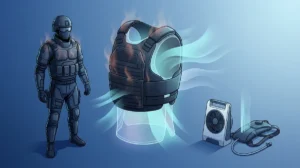
Then there’s BluFano, the powered companion system. BluFano uses a patented air-redirect spout and built-in fan to actively push cool air beneath any style of ballistic vest for 8–32 hours on a single charge. It even includes a 10,000mAh power bank for charging your devices on duty. For professionals who need reliable body armor cooling solutions, this is a game-changer.
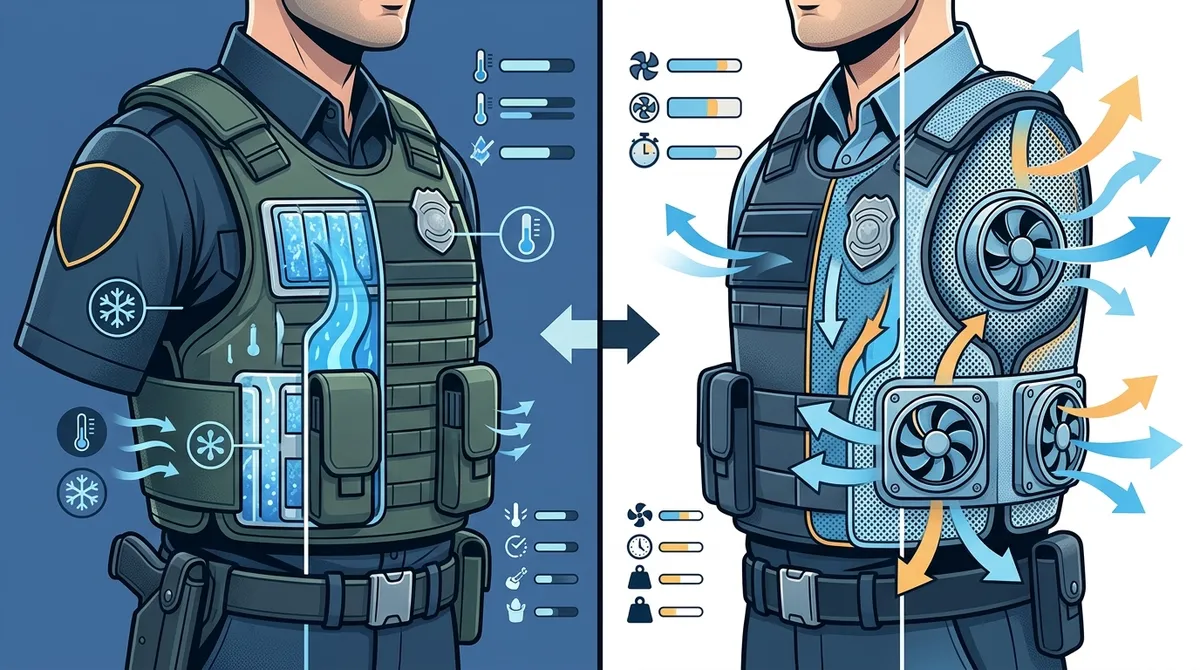
Head-to-Head Comparison: Militaur Cooling Vest vs. Airflow Ventilation
Let’s compare both options side by side across the features that matter most to people who wear body armor every day.
| Feature | Militaur Cooling Vest (PCM/Liquid) | Airflow Ventilation Vest (BluHalo/BluFano) |
|---|---|---|
| Cooling Duration | 2.5–12 hours (depends on type) | 8–32 hours (BluFano fan system) |
| Weight | Moderate to heavy | Ultra-light (BluHalo under 7 oz) |
| Recharge/Reload Needed | Yes (ice water or refrigeration) | USB charging (power bank included) |
| Bulk Under Armor | Noticeable bulk | Slim and low-profile when deflated |
| Works With Ballistic Armor | Yes (designed for it) | Yes (fits any body armor style) |
| Power Required | None (PCM) or External (LCG) | Built-in battery (BluFano) |
| Moisture Management | Limited | Active — moves sweat away from skin |
| Mobility | Moderate | High — flexible and unrestrictive |
Both approaches have clear strengths. Military-style cooling vests like PCM designs work well for short, intense missions where carrying extra ice packs is practical. But for officers and professionals on long daily shifts, airflow ventilation systems offer longer-lasting, more consistent relief without the hassle of recharging with ice or cold water.
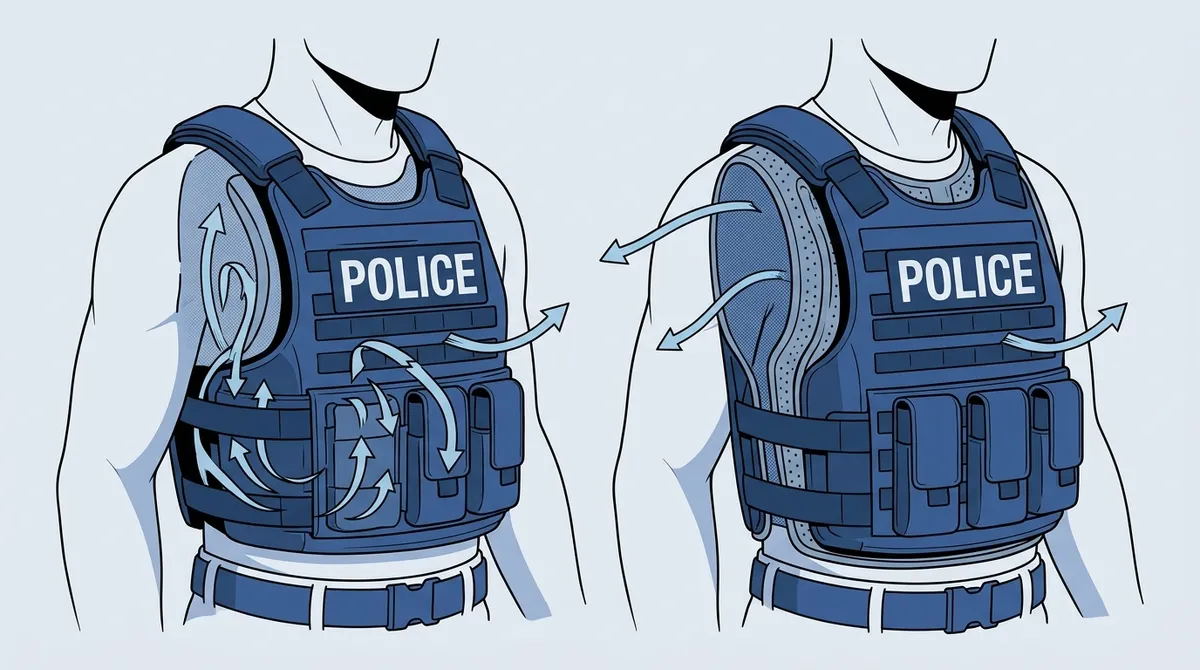
How Each Technology Works Under Body Armor
Understanding how each system interacts with your ballistic vest helps you choose wisely. The Body Armor Standards set by the National Institute of Justice require protective vests to fit close to the body — which is exactly what causes heat buildup in the first place.
How Military Cooling Vests Work
PCM vests work by storing cold energy inside special materials. As your body heats up, those materials absorb the heat. Think of it like a slow-melting ice pack sewn into a vest. Liquid cooling garments go further by circulating cool water through thin tubing pressed against your skin. The DEVCOM Thermocore® system uses this exact method to transfer heat away from the body efficiently.
The main limitation? Once the PCM material fully melts or the liquid warms up, cooling stops. You need to recharge the system — either in a cooler or with ice water — before it works again. On a 12-hour patrol in 95-degree heat, that timeline can be a real problem. You can learn more about managing this challenge in our guide on how to prevent heat stress while wearing body armor.
How Airflow Ventilation Systems Work
Airflow systems take a simpler but highly effective approach. They create a physical space between your body and your vest. This gap allows your body’s natural cooling system — sweat evaporation — to actually work. Without that gap, sweat just sits against your skin and makes you feel hotter and more uncomfortable.
BluHalo inflates to lift your vest up to 1.5 inches off your torso. This alone dramatically reduces heat buildup during long shifts. When paired with BluFano’s fan-driven airflow, you get active cooling that keeps working for up to 32 hours. That’s the kind of endurance that law enforcement officers and military personnel actually need. For more on this technology, check out our breakdown of what body armor ventilation is and why you need it.
Performance Comparison by Profession
Different jobs call for different cooling solutions. Here’s a quick look at which approach fits best based on your role:
| Profession | Best Cooling Type | Top Reason |
|---|---|---|
| Law Enforcement (Patrol) | Airflow Ventilation | Long shifts, daily use, low-profile design needed |
| Military (Deployed) | Military Cooling Vest or Hybrid | Extreme heat, short missions, specialized gear compatibility |
| Security Professionals | Airflow Ventilation | Extended hours, variable climates, ease of use |
| SWAT / Tactical Teams | Airflow or Hybrid | High mobility, peak performance under heavy armor |
| Emergency Responders | Military Cooling Vest | Burst cooling in extreme, short-duration events |
Key Factors to Consider Before You Choose
Not sure which direction to go? Here are the most important questions to ask yourself:
- How long is your shift? If you work 8–12 hour shifts, you need something that lasts. PCM vests often don’t cut it for the full duration.
- How easy is recharging? Do you have access to ice or a cooler in the field? If not, a self-powered airflow system makes much more sense.
- How important is low profile? Bulk matters when you’re in uniform or interacting with the public. BluHalo weighs under 7 ounces and lies completely flat when not in use.
- Do you need moisture management too? Military cooling vests mostly focus on temperature. Airflow systems also move moisture away from your skin, reducing rashes and discomfort.
- What’s your budget? Military-grade cooling vests can cost several hundred dollars. BluHalo starts at just $60, making it one of the most accessible vest cooling systems for beating the heat in body armor.
The OSHA Heat Stress Guide recommends proactive cooling strategies for workers in high-heat environments. Wearing body armor counts. Having the right cooling solution isn’t just about comfort — it’s a safety issue.
Why Airflow Ventilation Is the Smarter Daily Choice
Military cooling vests are incredible tools for specific situations. But for everyday professionals who suit up in body armor day after day, active airflow ventilation wins on almost every practical front.
The combination of BluHalo and BluFano gives you cooling-on-demand that lasts an entire shift — without needing ice, refrigeration, or expensive recharges. You get moisture management, heat release, and active airflow all in one slim package. It’s the kind of system a tactical vest cooling solution that every officer genuinely needs.
Curious about how to pick the right system for your specific gear? Our guide on how to choose the right body armor ventilation vest in 2026 walks you through everything step by step. You can also explore real user reviews from officers and professionals who’ve made the switch.
Final Verdict: Which One Should You Choose?
If you’re in a specialized military role or need burst cooling for a short, intense mission, a militaur cooling vest with PCM or liquid cooling technology is a solid choice. The technology is impressive and purpose-built for extreme conditions.
But if you’re an officer, security professional, or first responder who wears body armor every single day, active airflow ventilation is the practical winner. It’s lighter, lasts longer, requires no ice or refrigeration, and actively manages both heat and moisture throughout your entire shift. The research backs this up — and so do the hundreds of professionals already using BluHalo and BluFano to stay cooler and more focused on the job.
Ready to upgrade your comfort under body armor? Get in touch with our team to find the right ventilation solution for your needs — or head straight to the shop to see what BluHalo and BluFano can do for you. Your comfort on the job matters, and you deserve to stay cool doing it.
FAQs
Q: What is a militaur cooling vest and how does it work?
A: A militaur cooling vest is a military-grade garment designed to manage body heat in extreme environments. It typically uses phase change materials (PCM) or liquid cooling tubes to absorb and extract heat from the body, helping soldiers and tactical professionals stay cool during high-intensity operations. Think of it as a high-tech cooling pack built right into your gear!
Q: How long does a military cooling vest last in extreme heat?
A: It really depends on the type! PCM vests typically provide about 2.5 hours of cooling per charge, while more advanced systems can last 8–12 hours. In contrast, fan-powered airflow systems like BluFano can run for 8–32 hours on a single charge, making them a great choice for long shifts where recharging with ice isn’t practical.
Q: Can I wear a cooling vest under ballistic body armor?
A: Absolutely! Many cooling vests are specifically designed for use under ballistic armor. Airflow ventilation systems like BluHalo and BluFano are engineered to fit under any style of body armor, creating a cooling air gap that reduces heat and moisture buildup throughout your shift — without adding noticeable bulk.
Q: What is the difference between a PCM vest and an airflow ventilation vest?
A: A PCM vest stores cold energy in special materials that absorb heat as they melt — great for short, intense bursts of cooling. An airflow ventilation vest creates a physical gap between your body and your armor, using fans or inflation to keep air moving and sweat evaporating all day long. For daily duty use, airflow ventilation tends to offer more consistent, longer-lasting comfort.
Q: Which cooling vest is best for law enforcement officers on long shifts?
A: For officers working 8–12 hour shifts, an active airflow ventilation system is usually the best fit. Products like BluHalo and BluFano are lightweight, low-profile, and designed for all-day use — no ice packs needed! They manage both heat and moisture, helping you stay focused and comfortable from the start of your shift to the very end.