Key Takeaways
-
Evaporative cooling vests work by soaking specialized fabrics like PVA that absorb water and release it slowly; as water evaporates, it pulls heat away from your torso, effectively managing core body temperature during long shifts.
-
Evaporative vests perform best in dry, low-humidity climates and last 4-10 hours per activation, but their cooling effectiveness drops significantly in humid conditions where active airflow systems like BluHalo or Blufano are more reliable.
-
Pairing evaporative vests with active airflow systems that create air gaps under body armor dramatically improves cooling performance; officers report noticeably drier shirts after 12-hour shifts when combining both technologies.
-
Proper use requires fully soaking the vest for 1-2 minutes, wringing out excess water, wearing it snugly with some airflow space, and re-soaking every 4-8 hours to maintain effectiveness throughout your shift.
-
Evaporative vests are budget-friendly, require no batteries or freezing, and work well for patrol officers in dry climates, while security professionals and tactical teams in any climate benefit more from active ventilation systems.
-
Common mistakes that reduce cooling include skipping full soak time, wearing the vest too tight, using it without airflow support in humid conditions, and neglecting regular cleaning to maintain material performance.
Picture this: it’s 95 degrees outside, you’re twelve hours into your shift, and your body armor feels like a wool blanket strapped to your torso. Sound familiar? If you wear protective gear for a living, you already know that heat is one of the toughest parts of the job. That’s where evaporative cooling vests come in, and trust me, once you understand how they work, you’ll wonder why you waited so long to try one.
Whether you’re a police officer walking a beat, a soldier on deployment, a security professional standing post, or a firefighter suited up for a call, staying cool under all that gear matters more than most people realize. This guide walks you through exactly how evaporative cooling vests work, what makes them different from other cooling options, and how to pick the right setup for your body armor. We’ll also chat about how solutions like the BluHalo ventilation vest take this concept even further with active airflow technology. Let’s get into it, friend.
What Are Evaporative Cooling Vests, Exactly?
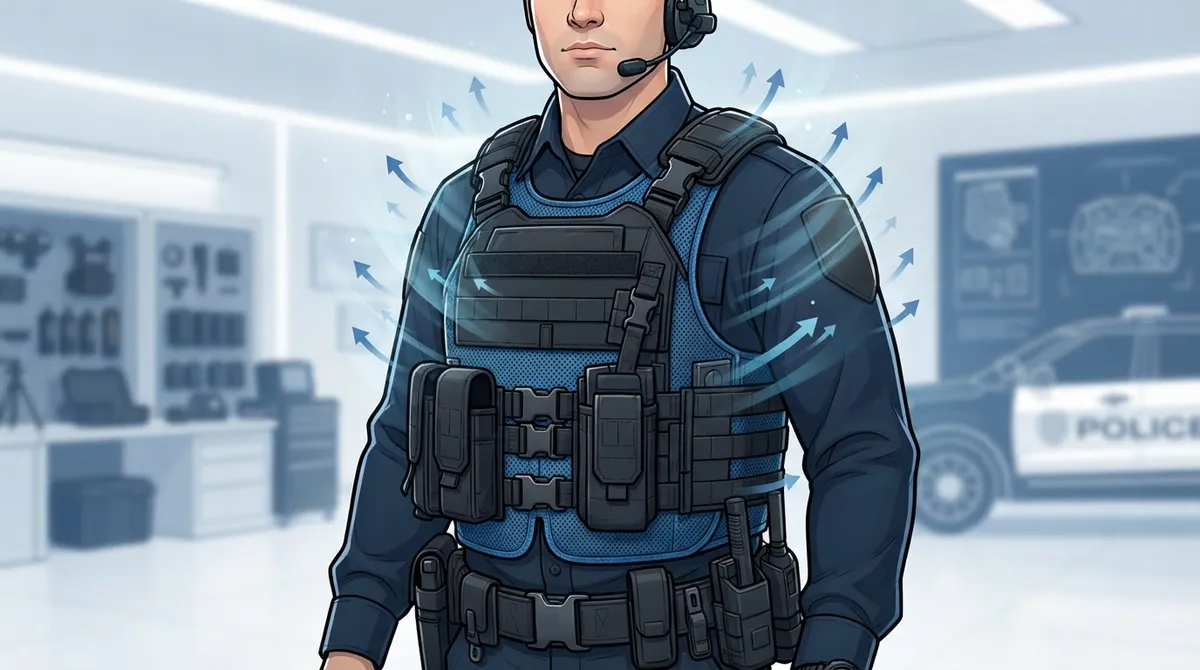
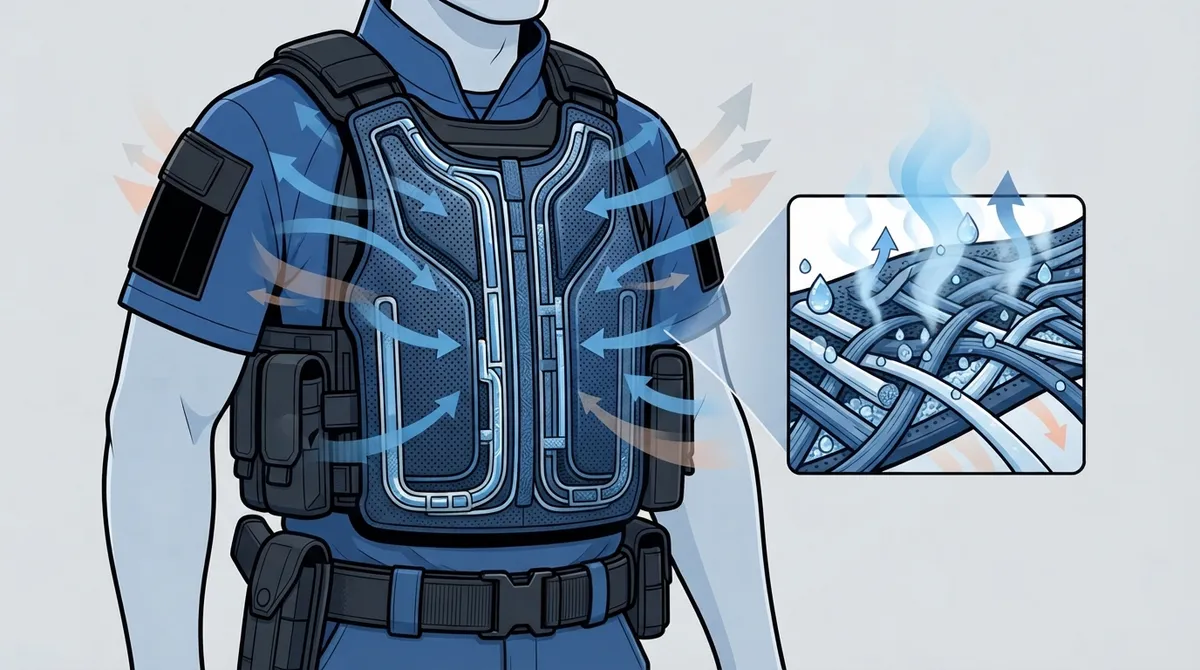
Evaporative cooling vests are wearable garments that use water and airflow to pull heat away from your body. You soak them, wear them, and as the water evaporates, it creates a cooling sensation against your skin. It’s the same science behind why you feel chilly stepping out of a pool on a breezy day, just applied to something you can strap on under your gear.
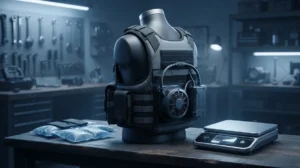
These vests usually rely on specialized fabrics like PVA (polyvinyl alcohol) or polymer-based linings. These materials soak up water like a sponge and release it slowly while you wear the vest. No batteries, no freezing, no bulky ice packs. Just water, fabric, and a little bit of airflow doing the heavy lifting.
How the Cooling Process Actually Works
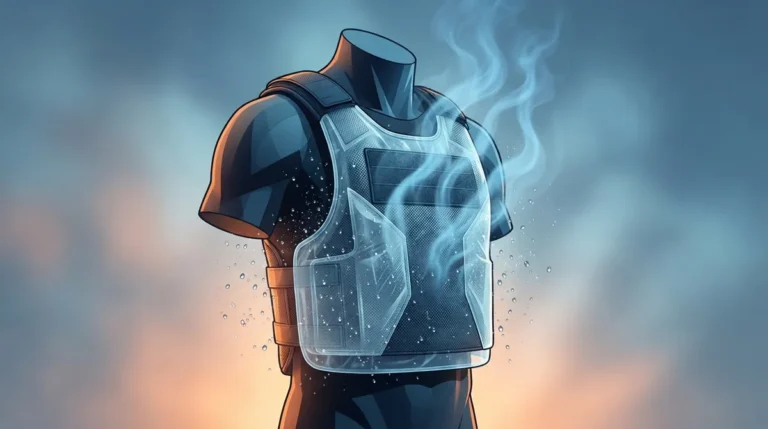
Here’s the simple version. You soak the vest in water for about 1 to 2 minutes. The fabric absorbs that water and holds onto it. As you wear the vest, body heat and ambient air cause the water to evaporate slowly. That evaporation process pulls heat away from your torso, one of the biggest heat-exchange zones on your entire body.
This is important for anyone managing core body temperature during long shifts. According to workplace safety guidance from the OSHA Heat Stress Guide, controlling core temperature is one of the most effective ways to prevent heat-related illness on the job. Evaporative vests give you a low-tech but genuinely useful tool for that fight.
Evaporative vs. Active Airflow Cooling: What’s the Real Difference?
Now here’s where things get interesting. Evaporative cooling vests are great, but they’re not the only game in town. Active airflow systems, like BluHalo and Blufano, use fans and inflatable air gaps to move fresh air under your armor instead of relying purely on water evaporation.
Both approaches have their place, and honestly, a lot of officers and soldiers end up using them together. Let’s break down the differences so you can decide what fits your shift best.
| Feature | Evaporative Cooling Vests | Active Airflow Vests (BluHalo/Blufano) |
|---|---|---|
| Power Source | None needed, water-activated | Battery-powered fan or manual pump |
| Best Environment | Dry, low-humidity climates | Works well in humid and dry climates |
| Cooling Duration | 4 to 10 hours per activation | 8 to 32 hours depending on fan setting |
| Setup Time | 1-2 minute soak required | Instant, attach and inflate or switch on |
| Weight | Varies by soak level | Under 7 ounces (BluHalo) |
| Maintenance | Re-soak before each use | Recharge battery or refill pump |
If you work in a humid climate, this comparison really matters. Evaporative cooling performance drops off quickly when there’s too much moisture in the air, since evaporation itself slows down. Meanwhile, an active system like the Blufano fan system keeps moving air regardless of humidity levels, which makes it a strong pick for folks working coastal beats or humid summer nights.
Where Evaporative Cooling Vests Shine
To be fair, evaporative vests absolutely have their strengths, and I don’t want to undersell them. Here’s when they tend to perform best:
- Dry, hot climates like the desert Southwest or high plains regions
- Outdoor patrol work with decent natural airflow
- Budget-conscious departments needing a simple, no-battery solution
- Short to moderate shifts where re-soaking is convenient
- Backup cooling paired with an active ventilation system underneath armor
Some commercial products claim cooling effects up to 15°C below ambient temperature under ideal, dry conditions. That’s a pretty impressive number, though real-world results depend a lot on your specific environment, activity level, and how saturated the vest stays throughout your shift.
Step-by-Step: How to Use an Evaporative Cooling Vest Properly
Getting the most out of your evaporative vest isn’t complicated, but a few small habits make a big difference. Here’s how to do it right.
- Soak the vest fully. Submerge it in cool water for 1 to 2 minutes so the absorbent material can fully saturate.
- Wring out excess water. You want it damp, not dripping. Too much water can feel heavy and uncomfortable.
- Wear it snugly but not too tight. A little airflow around the vest helps speed up evaporation and cooling.
- Monitor cooling duration. Most vests stay effective for 4 to 8 hours, though this varies with heat and humidity.
- Re-soak as needed. Once the fabric feels dry, it’s time for another quick dunk to keep the cooling going.
- Clean regularly. Rinse with mild soap after each use to prevent odor buildup and keep the absorbent lining performing well.
Why Airflow Still Matters, Even With Evaporative Cooling
Here’s something a lot of people miss: evaporative cooling only works well when there’s airflow. Without it, the water just sits there without evaporating efficiently, and you lose most of the cooling benefit. This is exactly why pairing an evaporative vest with something that promotes airflow under your body armor makes such a big difference.
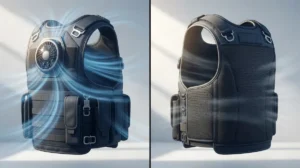
This is actually the whole idea behind BluHalo. It creates a lifted air gap of up to 1.5 inches between your body and your armor, letting air circulate freely so moisture and heat don’t get trapped against your skin. When you combine that airflow boost with an evaporative layer, you’re basically covering both bases: active ventilation and evaporative cooling working together. Officers who’ve tried this combo often mention noticeably drier shirts by the end of a 12-hour shift, even in serious summer heat.
Comparing Cooling Vest Types Across the Board
It helps to see the bigger picture before deciding what’s right for your situation. Here’s a quick rundown of the major cooling vest categories used across law enforcement, military, and emergency response fields.
| Cooling Type | How It Works | Refrigeration/Battery Needed | Typical Use Case |
|---|---|---|---|
| Evaporative | Water absorption and evaporation | No | Dry climates, budget-friendly cooling |
| Phase-Change (PCM) | Frozen gel packs melt gradually | Requires freezing beforehand | Short bursts of intense cold |
| Active Fan/Airflow | Fans circulate fresh air under gear | Battery-powered | All-day comfort, any climate |
| Inflatable Air Gap | Creates physical space for airflow | Manual pump, no battery | Lightweight, on-demand relief |
If you want to dig deeper into how these systems stack up, our article on ventilation versus phase-change cooling breaks it down even further.
Who Benefits Most From Evaporative and Ventilation Cooling Gear?
Different jobs bring different heat challenges, so let’s talk about how this applies to specific roles.
Law Enforcement Officers
Patrol officers spend hours in a cruiser and on foot, often in direct sun. An evaporative vest paired with proper tactical vest cooling can make the difference between a miserable shift and a manageable one.
Military Personnel
Deployed soldiers often operate in extreme heat with heavy tactical loads. Reliable body armor heat management isn’t just about comfort, it’s about maintaining alertness and physical performance in the field.
Security Professionals
Standing post for hours at a time means limited movement and limited airflow. Cooling gear designed for extended wear helps security teams stay sharp and focused.
Tactical and SWAT Teams
High-intensity operations demand peak performance, and overheating can slow reaction time fast. Combining evaporative technology with active airflow gives these teams an edge when it counts most.
Emergency Response Personnel
Firefighters and hazmat teams face some of the harshest heat conditions around. Solid first responder cooling equipment isn’t optional, it’s essential gear.
Materials That Make Evaporative Cooling Vests Work
Not all evaporative vests are created equal. The material matters a lot for how well the vest performs and how long it lasts. Common materials include:
- PVA (polyvinyl alcohol) sponge-like fabric that holds water efficiently
- Polymer-based linings designed for gradual, sustained water release
- Cellulose-based fabrics, which recent research shows perform particularly well in hot, dry conditions
- Mesh outer layers that promote airflow around the damp lining
Choosing quality materials makes a real difference in comfort and durability over time. Cheaper vests may dry out too quickly or feel stiff and uncomfortable under body armor.
The Market Is Growing, and for Good Reason
This isn’t just a niche trend. Industry reports project the global evaporative cooling vest market could reach around $950 million by 2033, growing at roughly 12% annually. Some market data even suggests evaporative vests hold about 42.3% of revenue share in the warehouse-worker segment alone. That tells you people across many industries are catching on to how valuable proper cooling gear really is.
Of course, body armor wearers have unique needs that go beyond general warehouse cooling solutions. That’s why looking at options built specifically for use under body armor standards and protective gear matters so much.
Common Mistakes to Avoid
Even a good product won’t help much if it’s used the wrong way. Watch out for these common slip-ups:
- Skipping the full soak time, which reduces cooling duration significantly
- Wearing the vest too tight, blocking airflow needed for evaporation
- Using it in humid conditions without pairing it with active airflow support
- Forgetting to clean it regularly, which leads to odor and material breakdown
- Assuming one soak lasts an entire 12-hour shift without checking dryness
If you want more troubleshooting tips, check out our guide on mistakes to avoid with a body armor ventilation system.
Building Your Complete Cooling Strategy
Here’s my honest take after digging into all this research: evaporative cooling vests are a fantastic tool, especially for dry climates and budget-conscious buyers. But if you want reliable, all-weather, all-shift comfort, pairing evaporative technology with active airflow is really the winning combo.
That’s exactly why so many officers, soldiers, and first responders have started using the BluHalo and Blufano cooling systems together. BluHalo lifts your vest for airflow, while Blufano’s fan-driven system with its 10,000mAh battery keeps fresh air moving for up to 32 hours. Add an evaporative layer on top for extra relief in dry conditions, and you’ve got a cooling setup that handles almost any climate you’re likely to face.
And hey, taking care of your body doesn’t stop at cooling gear. After a long, demanding shift, treating yourself to some recovery care, like a relaxing massage from Mobile Area Massage of Tampa Bay, can help your muscles bounce back faster. Self-care matters just as much as smart gear choices.
Frequently Asked Questions Preview
Before we wrap up, if you’re still curious about specifics like activation time, humidity performance, or how these vests compare to phase-change options, check out the FAQ section below. We’ve covered the most common questions officers and first responders ask us every day.
Final Thoughts: Stay Cool, Stay Focused, Stay Safe
Look, nobody signed up for this job because they love sweating through their uniform. You signed up to protect people, respond fast, and stay sharp under pressure. Heat stress works against every single one of those goals, and it doesn’t have to.
Evaporative cooling vests offer a simple, affordable way to fight back against the heat, especially in dry climates. But for those long shifts, humid days, or high-intensity operations, pairing that evaporative cooling with active airflow technology gives you the best shot at staying comfortable from start to finish. You can browse real testimonials from officers just like you on our reviews page, or check out how these systems work in action on our videos page.
Ready to stop sweating through your shift and start feeling like yourself again out there? Get in Touch with Our Team today, and let’s find the cooling setup that actually works for you. You’ve got a tough job. Your gear shouldn’t make it harder.
FAQs
Q: How do evaporative cooling vests work?
A: You soak them in water for about 1-2 minutes, then wear them while the water slowly evaporates and pulls heat away from your body. It’s a simple, no-battery way to cool your torso, one of the biggest heat zones on your body.
Q: What is the difference between evaporative and PCM cooling vests?
A: Evaporative vests use water and airflow to create cooling, while PCM (phase-change material) vests use frozen gel packs that melt over time. Evaporative vests need no freezer, but PCM vests often deliver a more intense, immediate chill.
Q: Are evaporative cooling vests effective in humid weather?
A: Honestly, not as much. Evaporation slows down significantly when the air is already full of moisture, so these vests shine best in dry climates. For humid conditions, pairing one with an active airflow system like Blufano makes a much bigger difference.
Q: How long does an evaporative cooling vest stay cool?
A: Most vests stay effective for about 4 to 10 hours per soak, depending on temperature, humidity, and airflow. Once the fabric dries out, just give it another quick soak and you’re back in business.
Q: Can evaporative cooling vests help prevent heat stress at work?
A: Absolutely, they’re a genuinely useful tool for managing core body temperature during hot shifts. That said, combining them with proper ventilation under your body armor, like what BluHalo provides, gives you even stronger protection against heat-related fatigue.