Key Takeaways
-
Sweat alone won't destroy armor overnight, but repeated moisture, salt, and heat buildup over time can degrade carriers, stitching, and panel covers—neglect is the real enemy, not sweat itself.
-
Damaged or worn ballistic panel covers are the critical vulnerability; if moisture penetrates through cracks or tears, it can reach and degrade the protective fibers inside, making damage prevention essential.
-
Proper cleaning is crucial: always separate panels from carriers, wipe panels with cold water only, air dry away from heat/sunlight, and never machine-wash or use harsh chemicals on ballistic materials.
-
Ventilation vests create a breathable air gap that reduces trapped sweat by up to 45 watts of cooling effect, preventing moisture buildup against armor and extending gear lifespan while improving comfort.
-
Regular inspections for cuts, loose stitching, corroded components, and worn Velcro are essential; replace armor according to manufacturer service life ratings (typically 5-10 years) rather than guessing.
-
Metal and coated hard plates face corrosion risks from salty sweat exposure, and carriers often wear out before ballistic panels due to stitching fatigue and strap stress from daily use.
You finish a 12-hour shift and peel off your vest. It’s soaked through, your shirt is drenched, and you can’t help but wonder: is all that sweat quietly ruining your body armor? If you’ve asked yourself this question, you’re definitely not alone. Every officer, soldier, and security pro who’s ever sweated through a vest on a 95-degree day has wondered the same thing, and honestly, it’s a smart question to ask.
The good news is that a little sweat isn’t going to destroy your armor overnight. But moisture, salt, and heat build up over time, and that combination can quietly wear down the materials that keep you safe. Let’s break down what’s really happening under your vest, what the experts say, and how a simple ventilation upgrade can help you stay drier, cooler, and more protected for years to come.
Does Sweat Damage Body Armor? The Short Answer
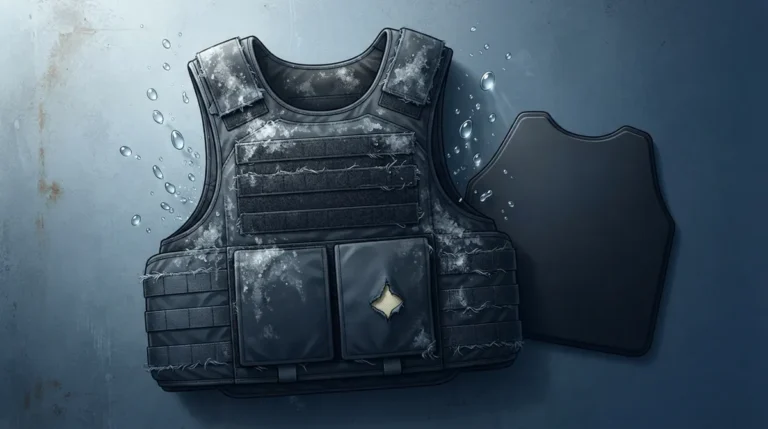
Sweat alone, from one hot shift, won’t ruin your ballistic panel. But repeated exposure to moisture, salt, and heat can wear down the carrier, stitching, and panel cover over time. If moisture ever reaches the actual ballistic material inside a damaged cover, that’s when real problems can start.
Think of it like this: your car’s paint job can handle a little rain. But leave it parked outside in storm after storm for years without ever washing or waxing it, and you’ll start to see rust and wear. Body armor works the same way. It’s built tough, but it’s not invincible to years of neglect.
What Actually Causes the Damage
According to Body Armor Standards published by the National Institute of Justice, the real risk isn’t sweat by itself. It’s what sweat does when combined with other factors, like:
- Cuts, tears, or worn spots in the ballistic panel cover that let moisture sneak through
- Salt buildup that breaks down fabric fibers, stitching, and hook-and-loop fasteners over time
- Trapped heat that speeds up material breakdown inside the carrier
- Improper drying, like tossing a damp vest in a hot car or leaving it in direct sunlight
- Using the wrong cleaning products, like bleach or harsh detergents, on the carrier or vest
So no, sweat isn’t your armor’s biggest enemy. Neglect is. And that’s actually really encouraging news, because neglect is something you can fix.
How Sweat Affects Different Parts of Your Gear
Not all parts of your armor system react to sweat the same way. Let’s look at what’s most vulnerable.
Soft Armor Panels and Covers
Soft body armor panels are usually made from woven or laminated fibers wrapped in a protective cover. That cover is your first line of defense against moisture. If it’s cut, torn, or worn thin from constant friction against your duty belt or carrier, sweat can work its way toward the ballistic material. Over months and years, that kind of moisture intrusion can degrade the fibers and reduce their ability to do their job.
Hard Plates and Metal Components
Hard armor plates face a different challenge. Metal components and certain coatings can corrode if they’re regularly exposed to salty sweat without being wiped down or dried properly. Ceramic and polyethylene plates aren’t immune either. Moisture intrusion, improper storage, or heat exposure can all play a role in reducing their long-term reliability.
Carriers, Straps, and Fasteners
Here’s something a lot of people don’t think about: your carrier often wears out way before your ballistic panel does. Constant sweat exposure breaks down stitching, weakens Velcro fasteners, and stresses the straps that hold everything in place. A worn-out carrier can also let more moisture reach the panel underneath, so keeping your carrier in good shape matters more than you’d think.
What the Research Actually Shows
Here’s a stat worth remembering. A U.S. Department of Defense technical report found that forced ventilation under heavy torso body armor increased sweat evaporation and its cooling effect by roughly 45 watts. That’s a meaningful boost in comfort and cooling, and it shows just how much airflow can change the game when you’re stuck in a hot vest all day.
The NIJ’s official OSHA Heat Stress Guide and body armor guidance both point to the same conclusion: moisture penetration becomes a real risk mainly when panel covers are already damaged, worn, or improperly cared for. In other words, the armor itself is pretty resilient. It’s the little cracks in your maintenance routine that let trouble sneak in.
Manufacturer Service Life Matters
Some manufacturers rate their ballistic panels for around 10 years of service life, assuming correct storage and care. Soft armor is often rated closer to five years. But here’s the catch: your carrier might wear out way sooner because of fabric fatigue, stitching wear, and strap stress from sweat and daily use. Always check your specific armor label and manufacturer guidelines instead of relying on general industry rules of thumb.
| Armor Component | Typical Sweat-Related Risk | What Helps Protect It |
|---|---|---|
| Soft ballistic panel | Moisture intrusion through damaged cover | Intact cover, ventilation vest spacer layer |
| Hard plate (metal/coated) | Corrosion from salt exposure | Wiping down after shifts, dry storage |
| Carrier fabric | Fiber breakdown, odor, mildew | Regular washing per care label |
| Straps and fasteners | Weakened hook-and-loop grip | Proper drying, avoiding heat exposure |
How to Clean Body Armor the Right Way
Cleaning your gear properly is one of the easiest ways to keep sweat from becoming a long-term problem. Follow these steps every time:
- Remove the ballistic panel from the carrier before cleaning anything. Never wash panels in a machine.
- Wipe the panel gently with a damp cloth or sponge using cold water only.
- Lay the panel flat to dry indoors, away from direct sunlight or heat sources.
- Wash the carrier separately according to its care label, using mild soap and cold water.
- Let the carrier air dry completely before reassembling your vest.
- Inspect both the panel and carrier for cuts, tears, or worn seams before putting everything back together.
Never soak, submerge, spray, machine-wash, machine-dry, or dry-clean your ballistic panels. Avoid bleach, solvents, and harsh chemicals too. These can weaken fibers and coatings in ways you can’t see until it’s too late. And always check the manufacturer’s specific instructions, since armor materials vary quite a bit.
How Ventilation Vests Help Reduce Sweat Exposure
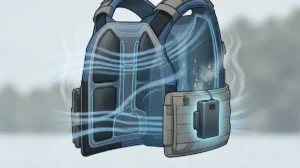
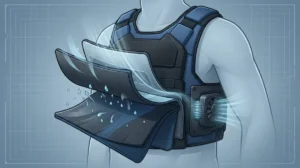
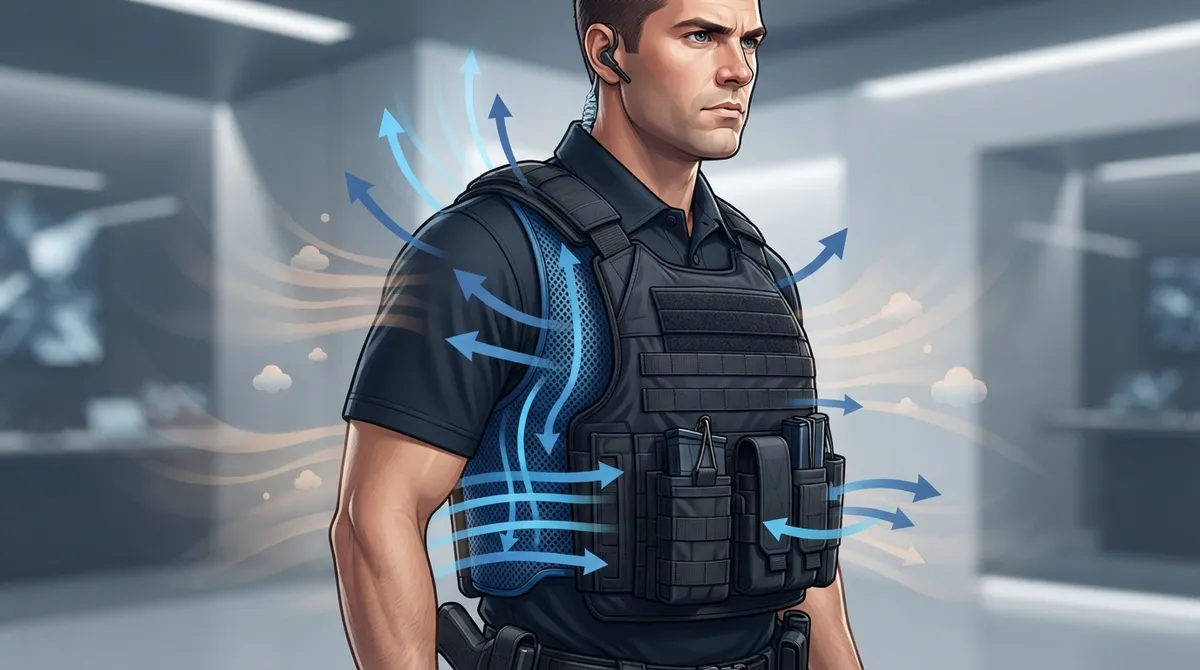
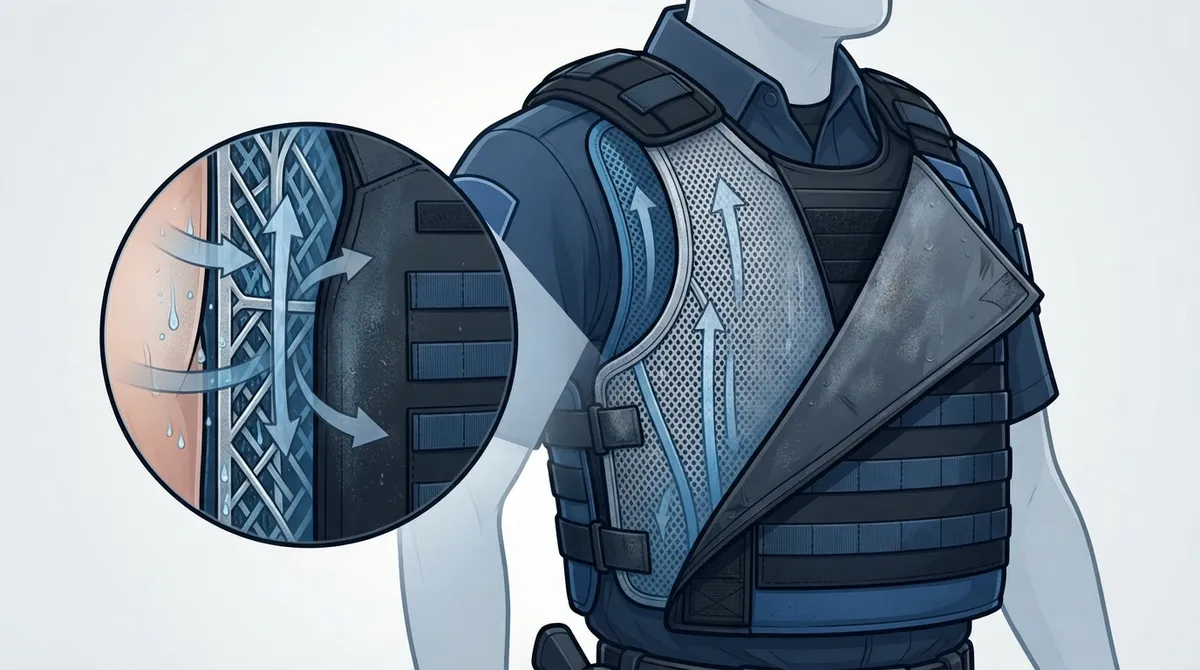
This is where things get exciting, because prevention is always better than cleanup. A ventilation vest creates a breathable air gap between your body and your armor. That gap lets heat and moisture escape before they ever get a chance to soak into your carrier or panel cover in the first place.
Think about it this way: less sweat trapped against your vest means less strain on stitching, less salt buildup, and less risk of moisture creeping toward your ballistic panel over time. It’s not a replacement for proper armor care, but it’s a fantastic first line of defense that makes everything else easier.
Why BluHalo Stands Out
The BluHalo ventilation vest was actually created by a Chicago police officer who got tired of sweating through 12-hour shifts in brutal heat. It weighs under 7 ounces, lies flat when deflated, and lifts your vest up to 1.5 inches off your body when inflated. That gap lets fresh air circulate and sweat evaporate instead of sitting trapped against your armor.
You attach it to a clean vest using Velcro, inflate it on demand with a small pump, and deflate it instantly with a button when you don’t need it. Officers wearing BluHalo during long, hot shifts report major comfort improvements, especially during those brutal 95-degree days that used to leave them drenched by lunchtime.
Blufano for Continuous Active Cooling
If you want something that runs all shift long without needing manual pumping, Blufano is worth a look. It’s a self-contained fan system with a patented air-redirect spout that slides under any style of body armor. Depending on your fan setting, it runs anywhere from 8 to 32 hours on a single charge, thanks to a built-in 10,000mAh power bank that can even charge your phone.
Blufano also includes a forward-facing light for low-light situations, which is a nice bonus for anyone working overnight shifts. Users say it dramatically reduces sweat buildup and helps them stay focused during long, hot days, especially when paired with a quick blast of vehicle AC between calls.
Many customers actually bundle BluHalo and Blufano together for maximum cooling coverage, one for on-demand lift and one for continuous airflow. You can browse both options and see which setup fits your needs best in the shop.
Tips for Every Type of Professional
Different jobs bring different sweat challenges. Here’s how to think about it based on your role:
- Law enforcement officers: Long patrol shifts in a hot cruiser mean constant sweat buildup. A vent vest helps you stay comfortable from roll call to end of shift.
- Military personnel: Extended missions in extreme heat make moisture management critical for both comfort and gear longevity. Learn more about managing heat under military body armor.
- Security professionals: Standing posts for hours in varying climates calls for gear that adapts. Check out tips on staying cool in body armor for security guards.
- Tactical and SWAT teams: High-intensity operations demand gear that won’t fail when performance matters most.
- Emergency response personnel: Firefighters and hazmat teams face extreme heat that makes ventilation a safety issue, not just a comfort one.
No matter which category fits you, the goal is the same: less trapped sweat means less strain on your gear and more comfort on the job. For a deeper dive into airflow solutions, check out our guide on the best vest cooling systems for beating the heat.
Signs Your Armor Needs a Closer Look
Regular inspection is your best friend here. Watch for these warning signs:
- Cuts, tears, or thinning fabric on the ballistic panel cover
- Stitching that’s coming loose or seams that are separating
- Persistent musty odor that won’t go away after washing
- Visible corrosion or discoloration on hard plates
- Straps or Velcro that no longer hold securely
- Any panel that’s been soaked, exposed to chemicals, or involved in an impact
If you notice any of these, don’t try to patch things up yourself. Reach out to the armor manufacturer for guidance, because ballistic materials are specialized and repairs need to come from qualified sources.
Bringing It All Together
So, does sweat damage body armor? Not directly, and not overnight. But moisture, salt, and heat working together over time can wear down carriers, stitching, and even ballistic panels if covers are damaged or care routines are skipped. The real solution isn’t avoiding sweat altogether, that’s impossible when you’re working hard in tough conditions. It’s managing that moisture before it becomes a problem.
That’s exactly why ventilation vests like BluHalo and Blufano exist. They tackle the root cause by keeping air moving and sweat evaporating instead of trapped against your body and gear. Combine that with proper cleaning, regular inspections, and manufacturer-approved maintenance, and you’ll extend the life of your armor while staying way more comfortable on every shift.
Ready to stop sweating through your gear and start protecting it the smart way? Get in touch with our team today, and let’s find the cooling solution that fits your job, your climate, and your comfort needs.
FAQs
Q: Can sweat ruin soft body armor?
A: Not from a single sweaty shift, but repeated moisture and salt exposure over months or years can wear down the panel cover and, if it’s damaged, let moisture reach the ballistic fibers inside. That’s why regular inspection and proper drying matter so much, and why a ventilation vest can be such a helpful addition to your daily gear.
Q: How should body armor be cleaned after heavy sweating?
A: Always remove the ballistic panel from the carrier first, then wipe it gently with a damp cloth and cold water. Lay it flat to dry indoors, and never soak, machine-wash, or dry-clean the panel itself, since that can seriously damage the protective materials inside.
Q: Can I wash a body armor carrier in a washing machine?
A: It depends on the manufacturer’s care label, so always check that first before tossing it in. Many carriers can be hand-washed or gently machine-washed on a delicate cycle, but the ballistic panel should always come out before any washing happens.
Q: How does a ventilation vest protect body armor from sweat?
A: A ventilation vest like BluHalo creates a small air gap between your body and your armor, letting heat and moisture escape instead of soaking into the carrier and panel cover. Less trapped sweat means less strain on stitching, straps, and fabric over the long haul, which is honestly a win for both your comfort and your gear’s lifespan.
Q: How often should body armor be inspected or replaced?
A: You should inspect your armor regularly, ideally every time you clean it, checking for cuts, worn stitching, or damaged covers. Replacement timing depends on your specific manufacturer’s guidelines, since some soft panels are rated around five years while others differ, so always check your armor’s label for the exact date.