Key Takeaways
-
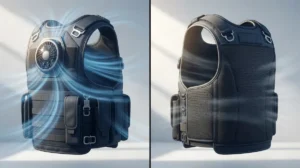
Quality body armor liners create a 1-1.5 inch air gap that allows convection to circulate cool air and escape trapped heat, with advanced systems like Maxx-Dri Vest 4.0 achieving up to 23°F surface temperature reduction compared to unlined armor.
-
Pair your ventilation liner with a moisture-wicking base layer of polyester or merino wool—never cotton—to wick sweat away from skin for faster evaporation and dramatically improved comfort throughout your shift.
-
Passive liners like BluHalo (under 7oz) work well for all-day patrol and concealed carry, while active fan systems like BluFano provide continuous cooling for 8-32 hours, making them ideal for high-heat environments or extended stationary shifts.
-
Heat-impaired decision-making under body armor is a safety risk according to OSHA guidelines; proper ventilation liners protect your ability to stay sharp and focused, not just your comfort level.
-
A properly designed ventilation liner does not interfere with ballistic protection—it sits between your body and carrier without shifting armor panels, so you maintain full NIJ-certified protection while gaining cooling benefits.
-
Build a complete heat management strategy combining passive ventilation, active fan systems, moisture-wicking layers, regular hydration, and shade breaks for the most effective protection against heat exhaustion and performance degradation.
If you wear body armor for long shifts, you already know the misery. Heat builds up fast. Sweat soaks through your uniform. Your focus starts to fade. A quality body armor liner for hot weather can completely change that experience. It creates space between your body and the armor, letting heat escape and fresh air circulate. The right liner doesn’t just make you more comfortable — it helps you stay sharp, focused, and ready to perform when it matters most.
Whether you’re a patrol officer pulling a 12-hour shift in July, a soldier operating in the desert, or a security professional working an outdoor event, the heat trapped under your vest is a real threat. This guide breaks down everything you need to know about choosing and using the best body armor liner for hot weather — so you can stop suffering and start working smarter.
Why Heat Gets Trapped Under Body Armor
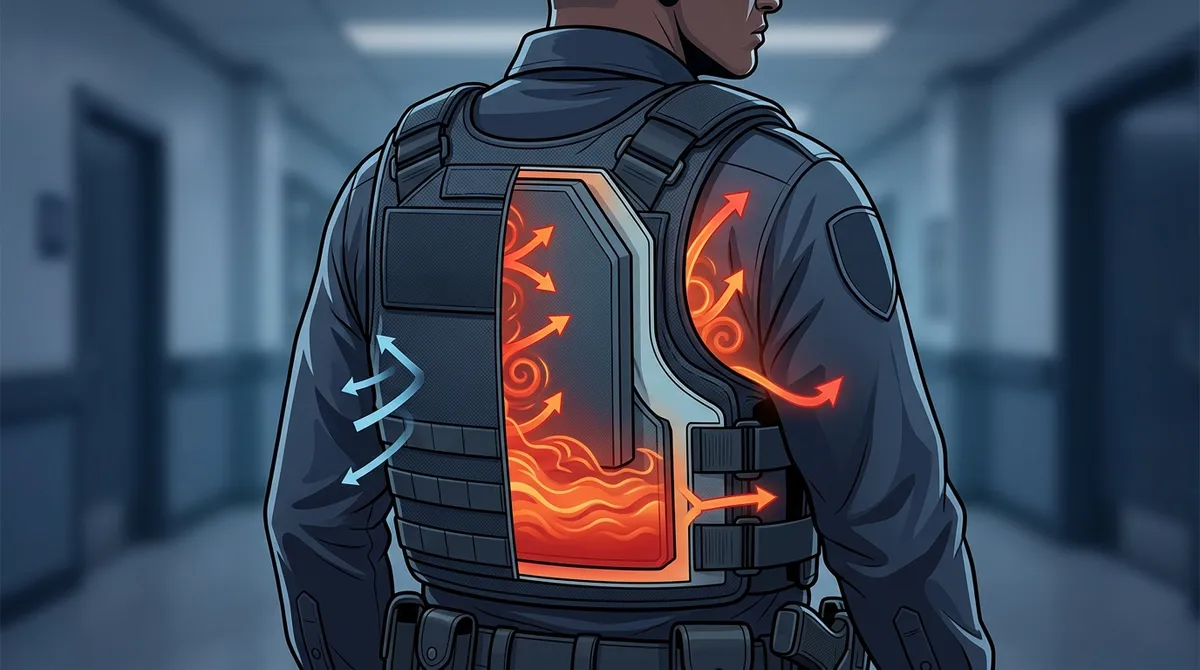
Body armor is designed to protect you — not to breathe. The ballistic panels sit tight against your torso, creating a sealed pocket where heat and moisture have nowhere to go. Your body keeps producing sweat to cool itself, but that sweat just stays trapped against your skin. The result? You feel like you’re wearing a portable sauna.
According to the OSHA Heat Stress Guide, working in hot environments while wearing heavy gear dramatically raises the risk of heat exhaustion and heat stroke. For officers and military personnel, this isn’t just uncomfortable — it’s a safety issue. Heat-impaired decision-making can cost lives.
This is exactly why a ventilation liner matters. It doesn’t just cool you down — it protects your ability to do your job. You can learn more about why police officers struggle with heat under body armor and how it affects performance on the job.
What Is a Body Armor Liner for Hot Weather?
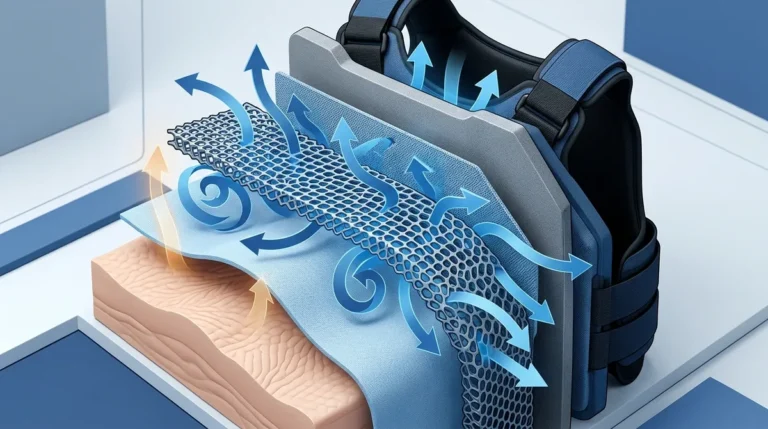
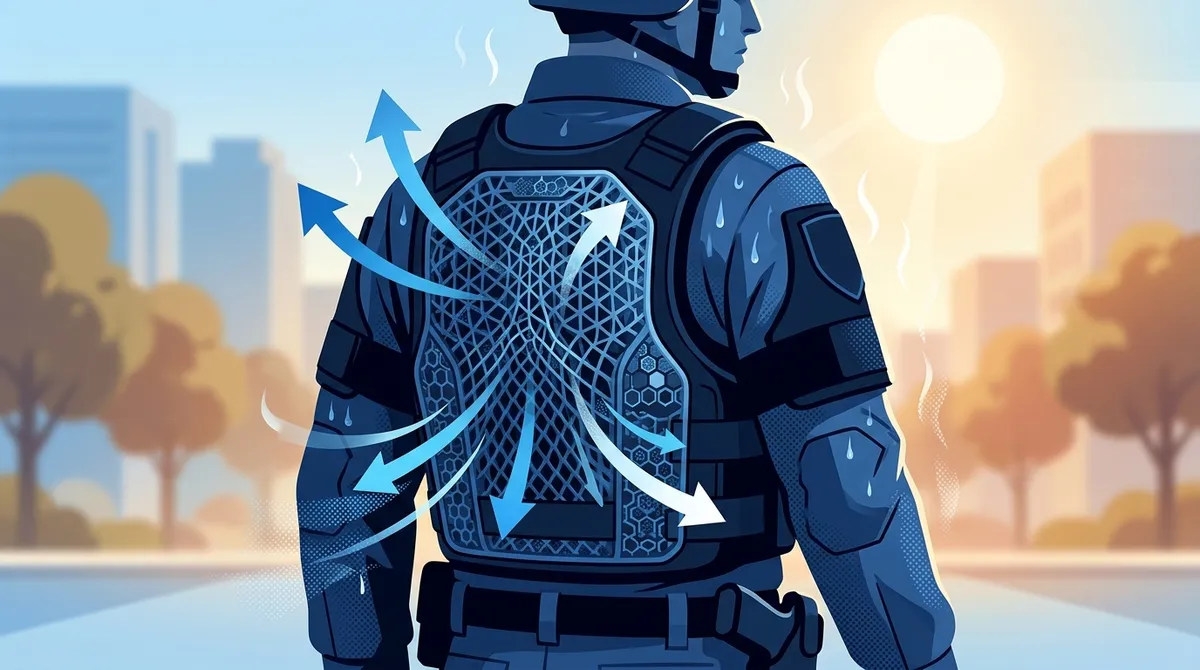
A body armor liner for hot weather is a specialized layer worn between your skin (or base layer) and your ballistic vest. Its job is to create an air gap that breaks the direct contact between your hot, sweating body and the armor panels. This gap allows convection to do its work — moving hot air out and drawing cooler air in.
Modern ventilation liners use materials like 3D polymer mesh, convection channels, and patented spacing systems to maximize airflow. Some are passive — meaning they rely on natural body movement to circulate air. Others are active, using small fan systems to push fresh air continuously beneath the armor.
If you want to understand the full science behind this, check out what body armor ventilation is and why you need it for a deeper breakdown.
Key Features to Look For in a Hot Weather Armor Liner
Not all liners are created equal. Here’s what separates a great body armor liner for hot weather from a mediocre one:
- Air gap creation: Look for a liner that lifts armor at least 1 to 1.5 inches off your body to allow meaningful airflow.
- 3D polymer or mesh structure: These materials hold their shape under pressure while still allowing air to move freely.
- Moisture management: The liner should wick sweat away from your skin and help it evaporate faster.
- Lightweight design: A good liner shouldn’t add noticeable bulk or weight. Look for options under 10 oz.
- Compatibility: Your liner should work with both external carriers and concealed body armor setups.
- Durability: Duty gear needs to withstand daily use, washings, and tough conditions.
You can explore a full comparison of features in our guide to choosing the right body armor ventilation vest in 2026.
How Ventilation Liners Actually Reduce Heat: The Science
The cooling effect of a ventilation liner comes down to basic physics. When there’s a gap between your body and the armor, air can flow through that space via convection. Hot air rises and escapes through the top, while cooler air enters from the bottom and sides.
Advanced liners take this further with patented convection spines and acceleration channels that actively guide airflow. The Maxx-Dri Vest 4.0, for example, uses redesigned 3D polymer spacing to deliver surface temperatures up to 23°F cooler than a control group — a result certified by medical professionals. Its new Velcro side straps also provide 97% more airflow than the previous version.
This kind of engineering makes a real difference on a hot shift. To dive deeper into the mechanics, read how body armor air conditioning actually works.
Ventilation Liner Comparison: Passive vs. Active Systems
Understanding the difference between passive and active liners helps you choose the right option for your situation.
| Feature | Passive Liner | Active Fan System |
|---|---|---|
| How it works | Creates air gap via mesh/polymer structure | Uses a fan to actively push cool air under armor |
| Power required | None | Battery powered |
| Cooling intensity | Moderate (depends on movement) | High (consistent airflow regardless of movement) |
| Weight | Very light (under 1–9 oz) | Slightly heavier (includes battery/fan unit) |
| Best for | All-day patrol, concealed carry setups | High-heat environments, extended stationary shifts |
| Example product | BluHalo Ventilation Vest | BluFano Fan System |
For a detailed breakdown of both approaches, visit our article on passive vs. active tactical vest ventilation.
Top Products: BluHalo and BluFano
When it comes to the best body armor liner for hot weather, two products stand out from the crowd at BluHalo.
BluHalo Ventilation Vest
The BluHalo ventilation vest was created by a Chicago police officer who was tired of sweating through his shifts. It’s a lightweight passive liner — under 7 ounces — that sits flat and unobtrusive when deflated. When inflated, it lifts your armor approximately 1.5 inches off your body, creating a dedicated cooling gap. You can attach it to your vest with Velcro and inflate it on demand with a small pump. One button press deflates it instantly.
Made from double-layer high-strength polyethylene, it’s built tough enough for daily duty use. Officers report dramatic comfort improvements — especially during hot summer shifts with temperatures in the mid-90s.
BluFano Active Fan System
For those who need more cooling power, the BluFano fan system takes things to the next level. It’s a self-contained active airflow unit with a patented air-redirect spout that slides under any style of body armor. An adjustable fan delivers continuous cooling for 8 to 32 hours depending on settings. It also includes a built-in 10,000mAh power bank and a forward-facing light for low-light situations.
You can compare BluFano vs. BluHalo to decide which option — or combination — works best for your needs.
The Right Layering System for Hot Weather Body Armor
Using a liner correctly means building the right layering system. Here’s the order that delivers the best results:
- Base layer: Start with a moisture-wicking shirt made of polyester or merino wool. Never use cotton — it traps sweat against your skin and makes everything worse.
- Ventilation liner: Place the body armor liner directly over your base layer, against the inside of your vest or armor carrier.
- Body armor: Secure your ballistic panels or plate carrier on top of the liner system.
- Optional active fan: Add a fan unit like the BluFano for continuous airflow in high-heat environments.
This layering system is your best defense against trapped heat. For more layering tips, check out 10 tips for wearing body armor comfortably in heat.
Base Layer Materials: What Works Best
Your base layer is just as important as your liner. Choosing the wrong material can undo all the benefits your ventilation vest provides.
| Material | Moisture Wicking | Breathability | Recommended |
|---|---|---|---|
| Cotton | Poor | Low | No |
| Polyester | Excellent | High | Yes |
| Merino Wool | Excellent | High | Yes |
| Nylon Blend | Good | Moderate | Yes (with ventilation) |
Polyester and merino wool pull sweat away from your skin so it evaporates quickly instead of soaking in. This single switch can make a huge difference in how cool and dry you feel. Read more in our guide to the best moisture-wicking vests for body armor comfort in 2026.
Does a Ventilation Liner Affect Ballistic Protection?
This is one of the most common questions — and the good news is that a properly designed ventilation liner does not interfere with ballistic protection. Quality liners are engineered to sit between the carrier and your body without displacing or shifting the ballistic panels. The armor performs exactly as certified.
According to Body Armor Standards from the NIJ, ballistic vests must meet strict performance requirements. Ventilation liners don’t alter the vest itself — they simply create a gap between the vest and your torso. As long as you’re using a liner designed specifically for this purpose, your protection remains intact.
You can also explore why breathable body armor matters for a full picture of safety and comfort together.
Who Benefits Most From a Hot Weather Armor Liner?
Almost anyone who wears body armor in warm conditions can benefit. But here are the people who feel the biggest difference:
- Patrol officers: Long shifts in summer heat are brutal without ventilation.
- Military personnel: Desert environments and high-intensity operations make heat management critical.
- Security professionals: Outdoor events and long static shifts trap heat fast.
- SWAT and tactical teams: Heavy gear plus intense physical activity equals serious heat risk.
- Emergency responders: Firefighters and hazmat teams wearing protective gear in extreme conditions need every cooling advantage available.
If you’re an emergency responder, you’ll also find value in our guide on choosing emergency responder gear that keeps you cool.
Building a Complete Heat Management Strategy
The most effective approach to hot weather body armor comfort combines several layers of protection. No single product does everything on its own.
| Strategy Element | Benefit | Priority Level |
|---|---|---|
| Ventilation liner (passive) | Creates air gap, reduces surface heat | High |
| Active fan system | Continuous airflow, faster moisture evaporation | High |
| Moisture-wicking base layer | Pulls sweat away from skin | High |
| Hydration | Regulates core body temperature | Essential |
| Shade breaks | Reduces environmental heat load | Moderate |
Bundling a passive ventilation vest with an active fan system gives you the most complete solution. For a full overview of what’s available, visit our guide to the best body armor ventilation options for 2026.
Common Mistakes to Avoid With a Body Armor Liner
Even a great product won’t help if you use it the wrong way. Avoid these common errors:
- Wearing cotton under your liner: Cotton holds moisture and makes heat worse — always go with polyester or merino wool.
- Choosing the wrong size: A liner that doesn’t fit properly won’t create a consistent air gap — check sizing carefully before buying.
- Ignoring hydration: A liner reduces external heat buildup, but you still need to drink water regularly to manage your core temperature.
- Skipping maintenance: Clean your liner regularly to prevent odor buildup and maintain performance.
- Using a liner not designed for body armor: Generic cooling vests may not work well under ballistic panels — always choose purpose-built solutions.
Learn about more pitfalls in our article on mistakes to avoid when choosing a cooling vest under body armor.
Ready to Beat the Heat Under Your Armor?
Choosing the right body armor liner for hot weather is one of the smartest investments you can make in your daily comfort and long-term health. Whether you go with a lightweight passive option like the BluHalo ventilation vest or upgrade to the full cooling power of the BluFano fan system, the difference you’ll feel on your next hot shift is real and immediate.
Don’t wait until heat exhaustion becomes a problem. Take control of your comfort today. Browse our full range of products at the BluHalo shop or reach out to our team — we’re happy to help you find the perfect cooling solution for your specific needs and setup.
FAQs
Q: What is the best body armor liner for hot weather?
A: The best options combine a passive ventilation vest — like the BluHalo — with an active fan system like the BluFano for maximum cooling. Look for liners that create at least a 1.5-inch air gap, use 3D polymer mesh, and weigh under 10 oz so they don’t add bulk to your setup.
Q: Does a body armor liner affect ballistic protection?
A: Nope — a properly designed ventilation liner sits between your body and the carrier without shifting or displacing the ballistic panels at all. Your armor performs exactly as it was certified, so you get cooling comfort without sacrificing any protection.
Q: What base layer should I wear with a body armor ventilation liner?
A: Always skip cotton and go with polyester or merino wool! These materials wick moisture away from your skin so sweat evaporates quickly instead of pooling under your armor. That single swap makes a huge difference in how cool and dry you feel all shift long.
Q: Can I use a ventilation liner with concealed body armor?
A: Yes! Most purpose-built ventilation liners are designed to work with both external carriers and concealed armor setups. The BluHalo ventilation vest sits flat when deflated, making it easy to use discreetly under a uniform or civilian clothing.
Q: How much cooler does a body armor ventilation liner actually make you?
A: Certified testing on advanced ventilation systems like the Maxx-Dri Vest 4.0 has shown surface temperature reductions of up to 23°F compared to wearing armor without a liner. That’s a dramatic difference that officers can feel immediately, especially during hot summer patrols!