Key Takeaways
-
Ventilation vests are superior to ice vests for full police shifts because they provide continuous, maintenance-free cooling without melting or adding dead weight; BluHalo-style systems create an air gap under armor to let heat escape naturally.
-
Ice vests fail beyond 1-3 hours as frozen packs melt into soggy dead weight, and require impractical mid-shift logistics like freezers and pack swaps that patrol officers can't consistently access.
-
Active fan systems like Blufano suit extreme heat (95°F+) and high-intensity operations with 8-32 hour runtime, but require battery charging and add weight, making them secondary to passive ventilation for standard patrol.
-
No cooling gear alone prevents heat illness; effective heat safety requires combining ventilation systems with hydration, shade breaks, acclimation periods, and monitoring for early symptoms like dizziness or confusion.
-
Before purchasing any cooling system, verify compatibility with your specific armor carrier, duty belt, and radio placement, and confirm it meets your department's body armor policy and NIJ standards.
-
CDC/NIOSH data shows cooling vests reduce heat-storage rates by 48-65% depending on type, but this 56% average benefit only works effectively when paired with proper work-rest scheduling and behavioral habits.
If you wear body armor every shift, you know the struggle. Ice vests feel great for the first hour, then they turn into dead weight once the ice melts. You’re left carrying soggy packs that no longer do much of anything. So officers everywhere are asking the same question: is there a better ice vest for police alternative that actually keeps up with a full shift? The good news is yes, and it doesn’t have to involve coolers, freezers, or soggy gear bags.
This guide walks through the real options available today, from passive airflow systems to battery-powered fans to phase-change packs. We’ll talk honestly about trade-offs, because no single product magically prevents heat illness. We’ll also share what departments and individual officers should check before buying anything new. By the end, you’ll know exactly which type of cooling gear fits your shift, your armor, and your budget. Let’s get into it.

Why Ice Vests Fall Short for Full Shifts
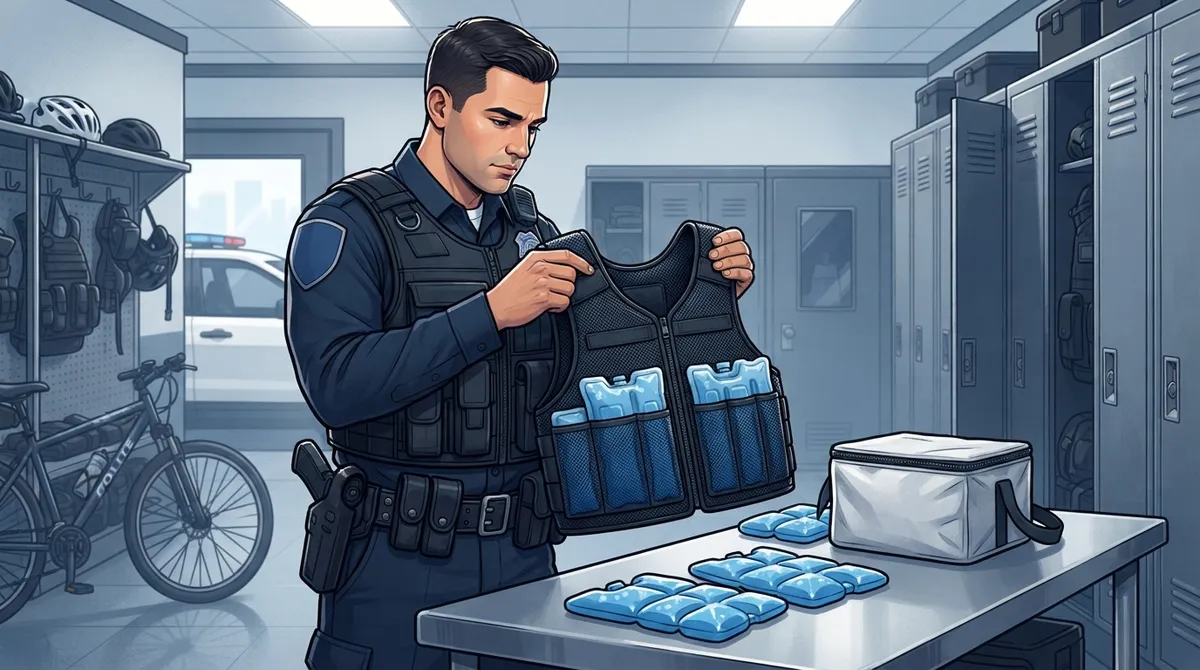
Ice vests aren’t a bad idea. They just weren’t built for 12-hour patrol shifts. NIOSH notes that ice-packet vests are inexpensive but their temperature can’t be controlled, and they may not stay cool long enough to be practical for many work situations. Once the ice melts, you’re stuck wearing extra weight with zero cooling benefit.
There’s also the logistics problem. Someone has to freeze the packs, store them, and swap them out mid-shift. That’s not realistic for patrol officers who are in and out of the car, running calls, and rarely near a freezer. If you’ve ever felt that vest turn from ice-cold to lukewarm-and-heavy by hour three, you already know the pain point we’re talking about.
The Core Problem: Cooling vs. Ventilation
Here’s an important distinction most people miss. Ice, gel, and phase-change products actively pull heat away from your body. Ventilation systems work differently — they create space between your armor and your skin so heat and sweat can escape on their own. Neither approach is “wrong,” but they solve different problems. If you want low-maintenance, all-day comfort without babysitting ice packs, ventilation is usually the smarter starting point. If you want a short burst of intense cooling before or after a mission, phase-change or ice may still have a place.
Ventilation Vests: The Leading Ice Vest for Police Alternative
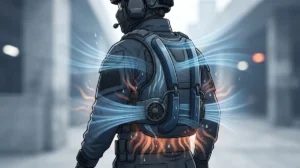
A ventilation vest slides under your body armor and creates an air gap between your skin and the vest panel. That gap lets heat and moisture escape instead of getting trapped against your body. No ice, no batteries, no refill breaks. Just steady airflow that works as long as you’re wearing it.
This is exactly the gap that BluHalo was designed to fill. It was created by a Chicago police officer who got tired of sweating through vests during long, hot shifts. The BluHalo vest weighs under 7 ounces and lies flat when deflated, so it won’t add bulk to a concealed carrier. When you need cooling, you inflate it with a small pump and it lifts your armor up to about 1.5 inches off your body. Need it flat again? One button deflates it in seconds. Officers working 12-hour days in 95-degree heat have described real comfort improvements after switching to this kind of setup. You can learn more about the BluHalo ventilation vest and how to use it for maximum comfort before your next hot shift.
Passive vs. Active Ventilation Systems
Not all ventilation vests work the same way. Some rely on passive airflow, while others use fans to actively push air through the gap. Here’s a quick breakdown:
| System Type | How It Works | Best For | Trade-Offs |
|---|---|---|---|
| Passive ventilation (like BluHalo) | Air gap via inflatable or mesh spacer, no power needed | Patrol shifts, concealed armor, all-day wear | Cooling depends on ambient airflow |
| Active fan systems (like Blufano) | Battery-powered fan pushes air under the vest | Extreme heat, high-intensity assignments | Needs charging, adds noise and weight |
| Phase-change/gel vests | Cooling packs absorb heat for a limited time | Short deployments, standby, rehab | Must be reconditioned between uses |
| Ice-packet vests | Frozen packs cool the body directly | Post-operation recovery, extreme heat events | Heavy, bulky, melts quickly |
If your shift involves a lot of outdoor time in extreme heat, an active fan system may be worth the extra weight. This is where Blufano stands out. It’s a self-contained airflow unit with a patented air-redirect spout that slides under any style of body armor. It runs 8 to 32 hours depending on the fan setting, and it even includes a 10,000mAh power bank that can charge your phone or radio. Officers who’ve tried it report faster cooling, especially when paired with vehicle AC, plus less sweat buildup and better focus during long, hot calls. For a deeper look at how it holds up, check this BluFano vest cooling fan review.
How to Choose the Right Cooling System for Your Role
Picking the right option isn’t just about specs. It’s about matching the gear to your actual job. Here’s a simple way to think it through:
- Identify your shift length. Full 10-to-12-hour patrol shifts favor low-maintenance passive ventilation. Shorter, high-intensity operations may benefit from active cooling.
- Check your armor type. Concealable carriers need low-profile options like a flat-lying vest. Overt plate carriers have more room for bulkier fan units.
- Consider your climate. Extreme heat over 95°F may call for active airflow or a combination approach. Milder climates often do fine with passive systems alone.
- Think about maintenance. Ice and gel systems require freezing, swapping, and cleaning. Ventilation systems generally need less upkeep.
- Factor in cost and reliability. Battery-powered gear needs charging routines. Passive gear works every time you put it on, no charging required.
For a side-by-side look at how these approaches stack up, this comparison of passive vs. active cooling for police body armor breaks down the pros and cons in more detail.
Compatibility Checklist Before You Buy
Whatever you choose, it needs to work with your existing gear, not against it. Before adding any cooling system under your armor, run through this checklist:
- Does it fit under your specific carrier style (concealable, overt, or plate carrier)?
- Does it interfere with radio clips, duty belt, or weapon access?
- Is it comfortable while seated in a patrol vehicle with a seat belt on?
- Does it hold up to regular laundering and daily wear?
- Has it been reviewed by your department’s armor policy or a qualified safety officer?
This last point matters more than people realize. Any product placed under or inside an armor carrier should be checked against your department’s policy, and ideally against guidance from the National Institute of Justice’s body armor standards. A ventilation vest is not a substitute for properly fitted armor. It’s an add-on for comfort, not a replacement for protection.
Ventilation Is One Piece of a Bigger Heat-Safety Plan
Here’s something worth repeating: no vest alone prevents heat illness. The Occupational Safety and Health Administration’s own heat stress guidance treats cooling garments as one layer of a much larger safety plan. That plan includes shade, air-conditioned recovery breaks, hydration, and proper work-rest scheduling.
The numbers back this up. According to OSHA’s 2023 heat rulemaking background document, there were 999 U.S. worker fatalities tied to environmental heat between 1992 and 2021 — an average of 33 deaths every year. The same report estimated about 33,890 heat-related injuries with lost work days per year during 2011–2020. These aren’t small numbers, and they’re a reminder that cooling gear works best alongside good hydration habits and smart shift planning, not instead of them.
A CDC/NIOSH evaluation of cooling vests for workers in hot environments (roughly 86–113°F) found that air, water, and phase-change cooling systems reduced heat-storage rates by about 56%, 65%, and 48% respectively, compared to wearing no cooling vest at all. That’s a solid reminder that these tools genuinely help, even if they’re not a silver bullet on their own. If you want a broader rundown of what’s out there, this list of best police vest cooling systems for hot shifts is a great place to compare options side by side.
Simple Habits That Pair Well With Any Cooling Vest
Gear only gets you so far. Pairing it with a few smart habits makes a real difference:
- Drink water steadily throughout your shift, not just when you feel thirsty.
- Take short breaks in shade or air conditioning when calls allow it.
- Watch for early heat-stress symptoms like dizziness, headache, or confusion in yourself and your partner.
- Give your body time to acclimate during the first hot days of the season.
For more on this, check out this piece on how to prevent heat stress while wearing body armor. It covers practical steps that work well alongside any ventilation system.
Comparing the Top Alternatives Side by Side
To make this easier, here’s a quick summary of how the main options compare when you’re picking an ice vest for police alternative:
| Feature | Ice Vest | Ventilation Vest (Passive) | Active Fan System |
|---|---|---|---|
| Setup time | Requires freezing packs in advance | Ready anytime, no prep | Requires charging battery |
| Weight | Heavy, gets heavier with wear | Under 1 pound typically | Slightly more, includes battery pack |
| Duration | Limited, melts over time | Lasts full shift | 8–32 hours depending on setting |
| Maintenance | Freeze, refill, clean regularly | Minimal, wipe down and store | Charge battery, occasional cleaning |
| Concealment | Bulky, hard to conceal | Lies flat, low profile | Slightly bulkier depending on carrier |
Many departments are also comparing brand-specific options directly, like this breakdown of Blufano vs. BluHalo to figure out which system fits their daily routine best. Some officers even combine both, using passive ventilation for everyday patrol and switching to an active fan system during extreme heat events or extended details.
What Tactical and Emergency Response Teams Should Know
SWAT teams, military personnel, and emergency responders face a different challenge. Heavy plate carriers, extended missions, and high-intensity movement all add extra heat load. For these teams, a ventilation vest paired with an active fan system often makes more sense than ice alone, since ice adds weight without adjusting to changing intensity levels.
If you’re outfitting a tactical unit, it’s worth reviewing options built specifically for heavier gear setups. This guide on best plate carrier ventilation solutions covers what to look for when armor gets heavier and missions get longer. Firefighters and hazmat teams have similar needs, and many find that pairing ventilation with proper hydration and rest breaks makes the biggest difference during long incidents.
Security professionals working extended shifts in various climates face their own version of this problem too. Standing posts for hours in full gear, often outdoors, means comfort directly affects alertness. A lightweight ventilation system that doesn’t interfere with movement or concealment is usually the better long-term investment compared to ice, which needs constant management.
Final Thoughts on Choosing Your Cooling System
Ice vests aren’t useless, but for most police officers working full shifts, they’re simply not practical day after day. A ventilation vest gives you steady, low-maintenance comfort without the melt-and-replace cycle. An active fan system adds extra power for extreme heat days. And phase-change options still have a place for shorter deployments or recovery periods.
Whatever you choose, remember that gear works best as part of a full heat-safety approach, alongside hydration, breaks, and awareness of early symptoms. Speaking of staying comfortable in demanding roles, if you’re also focused on overall wellness and confidence on the job, it’s worth checking out Smile District for a fresh perspective on personal care that keeps you feeling your best.
Ready to ditch the ice packs for good? Explore BluHalo and Blufano in the shop and find the cooling setup that fits your shift, your armor, and your climate. Have questions about which system is right for your department? Get in Touch with Our Team today and we’ll help you figure out the best fit.
FAQs
Q: What is the best alternative to an ice vest for police officers?
A: Most officers find that a ventilation vest is the best swap for an ice vest, since it creates an air gap under your armor without needing ice, batteries, or refills. BluHalo is a popular pick because it’s lightweight, lies flat when not in use, and inflates on demand for instant cooling relief.
Q: Do ventilation vests work under police body armor?
A: Yes, they’re actually designed specifically for that purpose. Vests like BluHalo attach with Velcro to a clean carrier and sit unobtrusively until you need cooling, then lift the armor slightly off your body to let air flow through.
Q: How long do police cooling vests stay effective?
A: It depends on the type. Ventilation vests work as long as you wear them since there’s nothing to melt or run out, while ice and phase-change vests lose effectiveness once the cooling material warms up, usually within an hour or two.
Q: Can an active fan vest fit under a concealed body-armor carrier?
A: It can, though it depends on the carrier’s fit and your comfort with the extra bulk. Systems like Blufano are built to slide under any style of body armor, but it’s smart to try one on with your actual gear before committing.
Q: Can a ventilation vest prevent heat exhaustion?
A: A ventilation vest helps reduce heat and sweat buildup, but it shouldn’t be your only defense against heat exhaustion. Pair it with steady hydration, shade breaks, and awareness of early warning signs for the best protection during hot shifts.