Key Takeaways
-
Fan-powered ventilation vests outperform evaporative and phase-change cooling for long shifts, offering 8-32 hours of continuous cooling compared to 4-8 hours or 1-3 hours respectively, making them essential for 10-12 hour outdoor work.
-
Shift length is critical when selecting cooling gear; choosing the wrong type based on your actual work hours can leave you without cooling relief mid-shift, so match vest duration to your specific shift requirements.
-
Lightweight, low-profile cooling vests under 7 ounces that fit flush under body armor are non-negotiable for law enforcement and tactical professionals, as bulky designs cause shifting, discomfort, and can compromise armor fit.
-
Fan-powered vests with built-in batteries (like 10,000mAh power banks) are now reliable and practical alternatives to outdated evaporative systems, offering longer cooling duration and additional features like device charging.
-
Humidity levels dramatically affect cooling effectiveness; evaporative vests lose power in humid conditions, while fan-driven airflow vests perform consistently regardless of climate, making them superior for humid or tropical work environments.
-
Heat stress impacts mental performance, focus, and decision-making just as much as physical comfort, making cooling gear essential safety equipment for emergency responders and tactical teams rather than optional comfort items.
If you spend your shift outside under a hot sun, wearing heavy gear on top of it, you already know the struggle is real. Whether you’re patrolling a beat, guarding a site, or working a long shift in tactical gear, heat can wear you down fast. The good news? You don’t have to just tough it out anymore. Cooling vests for outdoor workers have come a long way, and picking the right one can be the difference between a miserable shift and a comfortable, focused one.
Here’s the thing though: a lot of hardworking folks make the same avoidable mistakes when choosing or using their cooling gear. We’ve seen it all, and we want to help you skip the trial and error. Below, we’re breaking down 14 common mistakes people make with cooling vests, plus some friendly advice on how to do it right. Grab a cold drink, get comfortable, and let’s talk about staying cool out there.

Why Cooling Vests Matter for Outdoor Workers
Working outside in the heat isn’t just uncomfortable. It’s genuinely risky. Heat stress can sneak up on anyone, whether you’re in construction, agriculture, utilities, or wearing body armor on patrol. According to the OSHA Heat Stress Guide, heat exposure can lead to serious health issues if it’s not managed properly.
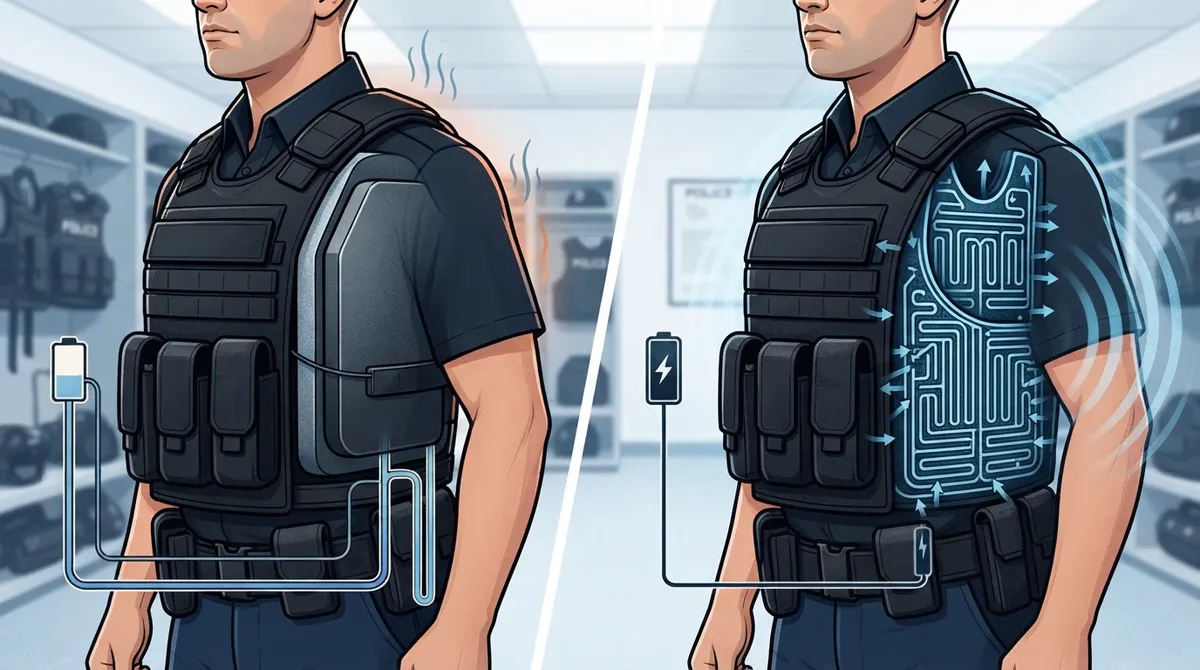
Cooling vests help manage your core body temperature so you can stay sharp and safe. In the ventilation vest world, cooling usually comes from fans or airflow channels that move air under your clothing or gear, instead of relying on water or frozen packs. That means longer-lasting relief, especially during those brutal 12-hour shifts.
Mistake 1: Assuming All Cooling Vests Work the Same Way
Not every cooling vest is built the same. Some use evaporative cooling, some use phase-change materials, and others use fans to circulate fresh air. Each type has different strengths, and picking the wrong one for your job can leave you sweaty and frustrated.
Fan-powered ventilation vests, like the ones BluHalo makes, are often a better fit for long shifts because they can keep working as long as the battery lasts. If you want to understand the tech better, check out this breakdown of the best vest cooling systems for beating heat in body armor.
Mistake 2: Ignoring How Long Your Shift Actually Runs
Shift length matters a lot when choosing a cooling vest. Here’s a quick look at how different cooling technologies stack up:
| Cooling Type | Typical Duration | Best For |
|---|---|---|
| Fan-Powered Ventilation | 8–32 hours | Long shifts, all-day wear |
| Evaporative | Up to 4–8 hours (with re-wetting) | Dry climates, shorter shifts |
| Phase-Change Material (PCM) | 1–3 hours | Short bursts of intense heat |
| Compressed-Air | Varies by tank size | Specialized industrial use |
If you’re pulling a 10 or 12-hour shift, an evaporative or PCM vest might leave you high and dry halfway through. That’s exactly why fan-powered vests have become so popular for people who can’t afford a mid-shift cooling gap.
Mistake 3: Overlooking Humidity Levels
Evaporative cooling vests work great in dry heat, but they lose a lot of their power in humid conditions. If you work somewhere sticky and humid, sweat just doesn’t evaporate as fast, so that type of vest won’t cool you down nearly as well.
Fan-driven airflow vests don’t have this problem the same way, since they’re moving air rather than relying on evaporation. This makes them a smarter pick for workers in humid regions or during summer storms.
Mistake 4: Choosing a Vest That Doesn’t Fit Under Your Gear
This one trips up a lot of law enforcement officers and security professionals. If your cooling vest is bulky or doesn’t sit flush under your body armor, it can shift around, bunch up, or even affect how your armor fits.
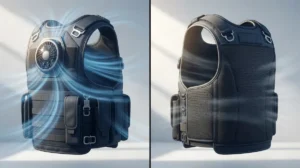
BluHalo was actually designed with this exact problem in mind. It weighs under 7 ounces and lies flat when deflated, so it won’t interfere with your gear. When you need cooling, it inflates to lift your vest about 1.5 inches off your body, creating a nice air gap. For more on how it fits under armor, take a look at what body armor vent is and why you need one.
Mistake 5: Not Considering Weight
Adding extra weight to your gear might seem harmless, but after several hours it adds up. Some cooling systems are bulky and heavy, which can cause fatigue over a long shift.
Look for lightweight options whenever possible. A vest that’s too heavy defeats the purpose of trying to feel more comfortable in the first place.
Mistake 6: Skipping Battery-Powered Options
Some folks stick with old-school evaporative vests because they think battery-powered fans are too complicated or unreliable. That’s simply not true anymore.
Modern fan systems, like Blufano, come with built-in power banks (10,000mAh in Blufano’s case) that can run for 8 to 32 hours depending on your settings. It even doubles as a charger for your phone and includes a forward-facing light for low-light situations. That’s a serious upgrade from waiting around for a frozen pack to work.
Mistake 7: Forgetting About Maintenance
Every cooling system needs a little upkeep. Evaporative vests need re-wetting throughout the day. PCM vests need to be refrozen or replaced. Fan systems need charging.
Knowing your maintenance routine ahead of time helps you avoid getting caught without cooling relief mid-shift. Simple habits, like charging your Blufano overnight, make a huge difference.
Mistake 8: Not Testing the Vest Before a Big Shift
Never wear a brand-new cooling vest for the first time on a critical shift. Test it out beforehand so you know how it feels, how long it lasts, and how to operate it.
This is especially important for tactical and SWAT teams who need everything dialed in before high-intensity operations. Practice runs let you fine-tune the fit and settings.
Mistake 9: Choosing Style Over Function
We get it, nobody wants to look silly out there. But function should always come first. A cooling vest that looks sleek but doesn’t actually move air won’t help you when it’s 95 degrees outside.
Look at real reviews and testimonials from people in similar roles. Officers who’ve worn BluHalo during 12-hour shifts in extreme heat describe major comfort improvements, and that kind of feedback matters more than appearances.
Mistake 10: Ignoring Compatibility With PPE
If you wear body armor, tactical gear, or other PPE, your cooling vest needs to work with it, not against it. Some bulky cooling systems just don’t fit under certain plate carriers or vests.
Look for adjustable, low-profile designs. For guidance on picking gear that plays nice with your armor, check out how to choose the right body armor ventilation vest in 2026.
Mistake 11: Not Accounting for Direct Sun Exposure
Working construction, road work, or security details in direct sun adds a whole extra layer of heat stress. Some cooling vests just aren’t built for that kind of constant exposure.
Ventilation vests that continuously circulate air tend to hold up better under prolonged sun exposure than passive systems that lose effectiveness over time.
Mistake 12: Underestimating the Mental Side of Heat Stress
Heat doesn’t just make you physically uncomfortable. It affects focus, reaction time, and decision-making too. This is a big deal for emergency responders and tactical teams who need to stay sharp no matter what.
Staying cool isn’t just about comfort. It’s about performance and safety on the job. That’s why so many departments are starting to treat cooling gear as essential equipment, not just a nice-to-have.
Mistake 13: Buying Based on Price Alone
We all want a good deal, but the cheapest cooling vest isn’t always the best value. A vest that breaks after a few uses or doesn’t actually cool you costs you more in the long run.
Here’s a quick comparison to help you weigh your options:
| Factor | Why It Matters |
|---|---|
| Durability | Daily duty wear demands tough materials |
| Cooling Duration | Match to your shift length |
| Fit Under Gear | Avoid interfering with armor or PPE |
| Ease of Use | Quick inflate/deflate matters on busy shifts |
| Power Source | Battery life should cover your whole shift |
Investing in a reliable brand pays off. That’s why so many officers and security professionals trust products built specifically for this kind of demanding, all-day use, and you can browse real options in the shop to compare what fits your needs.
Mistake 14: Not Asking for Guidance
Choosing the right cooling vest can feel overwhelming with so many options out there. Don’t be afraid to ask questions or reach out to people who know this gear inside and out.
Whether you’re outfitting a whole department or just want personal advice, it helps to talk to real experts. If body armor comfort has been standard workwear advice from a general safety supplier like Grainger’s cooling vest resources, it’s a good starting point, but for gear that fits specifically under armor and tactical vests, it helps to talk to specialists who understand that world.
How BluHalo and Blufano Solve These Problems
We’ve mentioned a few of these already, but let’s bring it all together. BluHalo was created by a Chicago police officer who got tired of overheating and excessive sweating under his own vest. It’s lightweight, sits flat when not in use, and inflates on demand to lift your body armor about 1.5 inches for instant airflow. You can read more about the brand’s story on the About Us page.
Blufano takes things a step further with a self-contained, active airflow system. Its patented air-redirect spout slides under any style of body armor, and it delivers adjustable fan-driven cooling for 8 to 32 hours depending on your setting. It even has a built-in power bank to charge your devices and a light for low-visibility situations. Together, these two products cover nearly every cooling need an outdoor worker in body armor might have. You can even explore BluHalo and check out Blufano individually, or bundle them for a discount.
Real users have shared their experiences too. Check out the reviews page to see how officers and professionals describe their comfort improvements during long, hot shifts.
Quick Checklist Before You Buy
Here’s a simple numbered list to run through before purchasing any cooling vest for outdoor work:
- Confirm your typical shift length and match it to cooling duration.
- Check compatibility with your body armor or PPE.
- Consider humidity levels in your work environment.
- Weigh the vest to make sure it won’t add fatigue.
- Test the product before relying on it for a critical shift.
- Read real testimonials from people in similar roles.
- Factor in battery life and charging routine.
Following this list can save you from a lot of the mistakes we covered above. It’s a small step that makes a big difference on those brutal summer days.
A Few Bonus Tips for Staying Cool on the Job
- Stay hydrated throughout your shift, not just when you feel thirsty.
- Take breaks in shade or air-conditioned spaces when possible.
- Layer moisture-wicking base layers under your gear.
- Keep a backup battery or charging cable handy for fan-powered vests.
- Pay attention to early signs of heat stress, like dizziness or headache.
For official safety guidance, the Body Armor Standards resource from the National Institute of Justice is worth a look if you want to understand how armor design and comfort intersect with safety requirements.
Wrapping It Up
Staying cool while wearing body armor or heavy gear doesn’t have to be a losing battle. By avoiding these 14 common mistakes, you can find a cooling vest that actually keeps up with your shift, your gear, and your environment. Whether you’re in law enforcement, military service, security, tactical operations, or emergency response, the right ventilation vest can make a real difference in how you feel and perform.
If you’re ready to stop sweating through your shifts and start feeling comfortable again, we’d love to help. Get in touch with our team to find the cooling solution that fits your needs best. And if you’re also looking for other ways to feel your best on and off duty, folks over at Smile District offer great care for your smile too, because feeling good starts from head to toe.
FAQs
Q: What is the best cooling vest for outdoor workers?
A: It really depends on your shift length, but fan-powered ventilation vests like BluHalo and Blufano tend to be the top pick because they can keep cooling you for hours without needing water or ice. They’re especially great if you wear body armor or heavy gear all day long.
Q: Are ventilation vests better than evaporative cooling vests?
A: For long shifts, yes! Ventilation vests can run continuously as long as the battery lasts, while evaporative vests usually only last 4 to 8 hours before needing re-wetting. If you’re working a full 10 or 12-hour shift, fan-powered cooling gives you a lot more staying power.
Q: How long do cooling vests last during a work shift?
A: It varies by type. Fan-powered vests like Blufano can last 8 to 32 hours depending on the setting, evaporative vests usually cover 4 to 8 hours, and phase-change vests typically last 1 to 3 hours. Matching the duration to your actual shift length makes a big difference.
Q: Do cooling vests really help prevent heat stress?
A: Absolutely, and there’s good research behind it too, including studies looking at portable cooling vests in occupational settings. They help manage your core body temperature, which keeps you more comfortable, focused, and safer during hot shifts.
Q: How do I choose a cooling vest for PPE or body armor?
A: Look for a lightweight, low-profile design that fits comfortably under your gear without shifting around. BluHalo, for example, weighs under 7 ounces and sits flat when deflated, so it won’t mess with the fit of your body armor while still giving you cooling relief on demand.