Key Takeaways
-
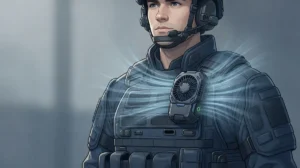
Battery-powered vest cooling fans circulate air to accelerate sweat evaporation under body armor, with runtimes ranging from 2-32 hours depending on battery capacity (2,000mAh to 24V lithium-ion systems).
-
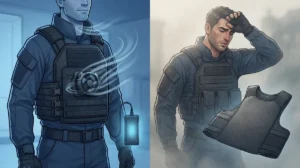
Heat trapped under body armor reduces reaction time and impairs judgment during critical moments, making cooling systems a safety tool rather than a luxury for law enforcement, military, and first responders.
-
Fan-cooled vests work best in dry to moderately humid conditions; in humid climates, pair fan systems with phase-change materials for extended cooling relief on longer shifts.
-
Match battery capacity to shift length: 2,000-4,000mAh for short shifts, 5,000-7,000mAh for standard 8-hour shifts, and 8,000mAh+ for 12+ hour extended duty or deployment.
-
Choose low-profile systems with simple controls that fit under existing body armor without shifting, and prioritize durable materials built to withstand daily duty wear and maintenance requirements.
-
Battery-powered cooling systems are projected to hold 42.6% market share by 2026, with industrial workwear accounting for 38.2% of use, indicating adoption as standard equipment in heat-intensive roles.
If you’ve ever finished a 12-hour shift with a soaked undershirt and a headache from the heat, you already know why a battery powered vest cooling fan matters. Body armor traps heat like nothing else, and once sweat starts pooling under your vest, comfort and focus go out the window. The good news? You’re not stuck sweating it out anymore. A battery powered vest cooling fan gives you a real way to fight back against heat buildup, and this guide will walk you through exactly how these systems work, who needs them most, and what to look for before you buy.
Whether you’re a patrol officer, a soldier on deployment, or a security professional standing post in the summer sun, this article is for you. We’ll cover the science, the specs, and the smart shopping tips, all in plain language. Let’s get into it.
What Is a Battery Powered Vest Cooling Fan?
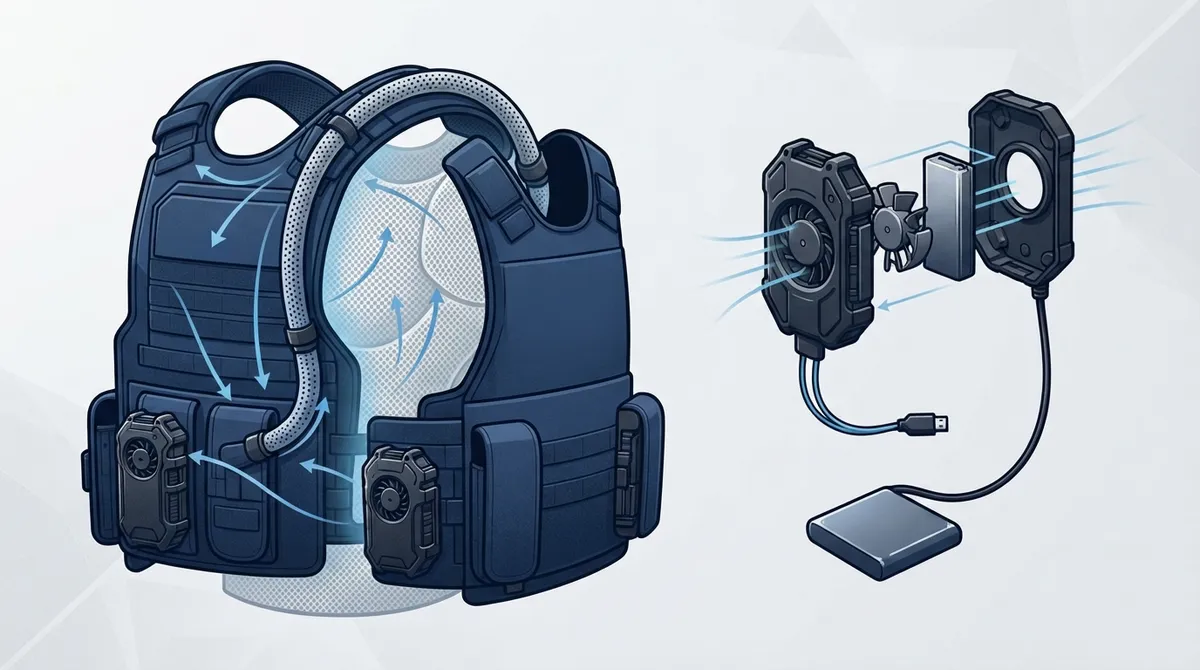
A battery powered vest cooling fan is a small, rechargeable fan system built into or attached to a vest. It pulls in outside air and pushes it across your skin, right underneath your body armor. This airflow helps sweat evaporate faster, which naturally lowers how hot you feel.
These systems are different from bulky air conditioners. They’re lightweight, quiet, and made to fit under tight-fitting gear without adding much weight. Many rely on rechargeable lithium-ion batteries, similar to what powers your phone or a cordless drill.
The idea is simple: more airflow means less trapped heat and moisture. Less trapped heat means you feel cooler, think clearer, and stay more comfortable for longer stretches on duty.
How the Airflow Actually Works
Here’s the basic process, broken down step by step:
- The fan draws outside air into the vest through small vents or channels.
- That air moves across your skin, underneath the body armor.
- Moving air speeds up sweat evaporation, which is your body’s natural cooling method.
- As sweat evaporates faster, your skin temperature drops, and you feel noticeably cooler.
This is why fan-cooled vests work best in dry to moderately humid conditions. They depend on airflow and evaporation, not on generating cold air like a refrigerator would. If you want to dig deeper into the science, our article on how active cooling systems work in ventilation vests breaks it down further.
Why Heat Under Body Armor Is a Real Problem
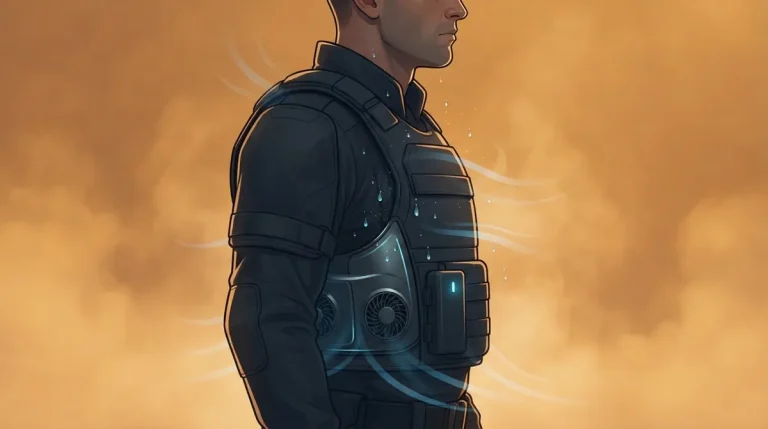
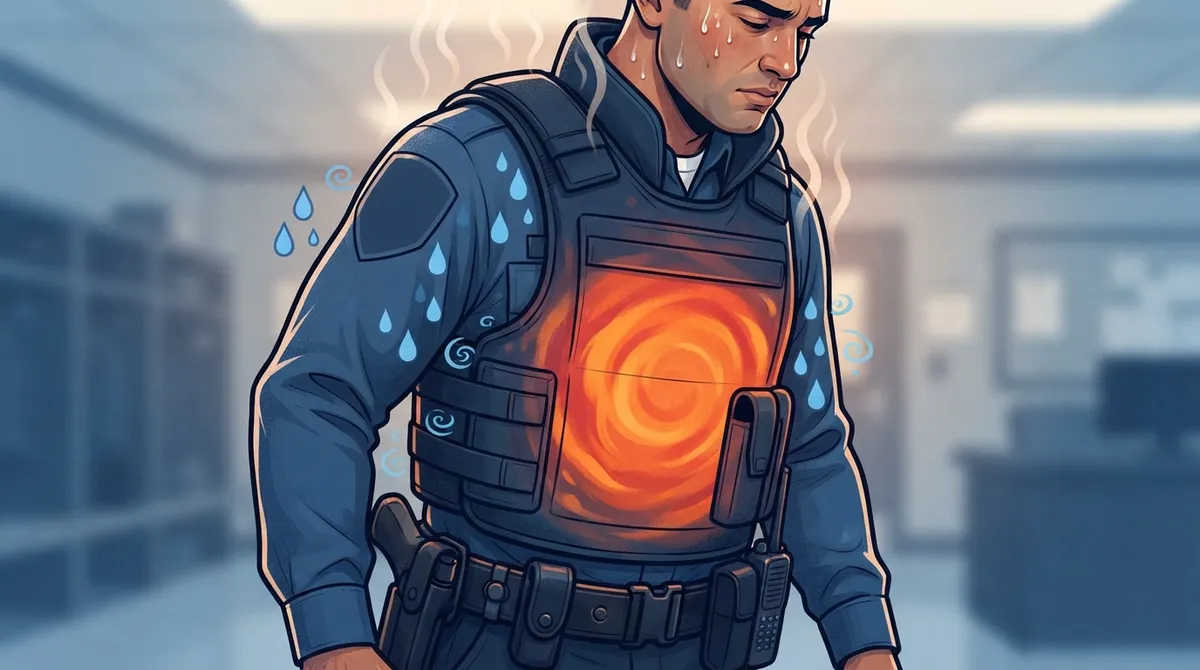
Body armor is built to protect you, but that same protection blocks airflow. Heat and sweat get trapped between your skin and the vest, and it builds up fast. On a 95-degree day, that trapped heat can push your body temperature into dangerous territory.
This isn’t just about feeling uncomfortable. Heat stress can slow your reaction time, cloud your judgment, and increase fatigue during critical moments. The OSHA Heat Stress Guide outlines how heat exposure affects performance and safety, and it’s a good reminder that cooling gear isn’t a luxury, it’s a safety tool.
For officers, soldiers, and first responders, staying sharp matters just as much as staying protected. That’s why more departments and units are looking into preventing heat stress while wearing body armor as part of standard gear planning.
Who Benefits Most From Fan-Cooled Vests
- Law enforcement officers working long patrol shifts in hot vehicles and outdoor conditions.
- Military personnel deployed in high-heat environments while wearing tactical body armor.
- Security professionals standing post for hours in direct sun or indoor heat.
- Tactical and SWAT teams operating in heavy gear during high-intensity missions.
- Emergency response personnel, including firefighters and hazmat teams, working in extreme heat.
Battery Life: What to Actually Expect
Battery life is one of the biggest questions buyers ask, and for good reason. Nobody wants their cooling fan to die halfway through a shift. The answer depends on battery capacity, fan speed, and how hot it is outside.
Here’s a quick breakdown based on common battery sizes:
| Battery Capacity | Estimated Runtime | Best For |
|---|---|---|
| 2,000–4,000mAh | 2–4 hours | Short shifts or backup use |
| 5,000–7,000mAh | 5–8 hours | Standard full shifts |
| 8,000mAh+ | 12+ hours | Extended duty or deployment |
Some newer systems push this even further. One recent workwear product used a 24V battery-powered cooling system built for several hours of steady use, and a fan-cooled clothing line out of Japan reported up to 30 hours of continuous runtime using a high-performance 24V lithium-ion battery. That kind of range shows just how far this technology has come.
Why Battery-Powered Systems Are Growing So Fast
Market research on thermal comfort wearables shows battery-powered systems are expected to hold 42.6% of the market share in 2026, making them the leading segment in active cooling gear. Industrial workwear alone accounts for 38.2% of end use, which tells you this isn’t a niche trend anymore. It’s becoming standard equipment for anyone working in heat.
Fan Cooling vs Other Cooling Methods
Not all cooling vests work the same way. It helps to understand the differences before you decide what fits your needs.
| Cooling Type | How It Works | Best Conditions |
|---|---|---|
| Battery-powered fan | Circulates air to boost sweat evaporation | Dry to moderate humidity |
| Evaporative cooling vest | Uses water-soaked material that cools as it dries | Dry, low-humidity climates |
| Phase-change material | Uses cooling packs that absorb heat | Any climate, shorter duration |
| Hybrid systems | Combines fans with phase-change materials | Extended shifts, variable conditions |
Some manufacturers now combine fan systems with phase-change materials for longer-lasting relief. If you’re weighing your options, our comparison on ventilation versus phase-change cooling vests can help you decide which approach fits your work environment best.
BluHalo and Blufano: Built for Real Duty Conditions
At BluHalo, we didn’t design our products in a lab far removed from real duty work. Our flagship BluHalo ventilation vest was created by a Chicago police officer who got tired of sweating through 12-hour shifts in 95-degree heat. It weighs under 7 ounces, sits flat when deflated, and lifts your vest up to 1.5 inches off your body when inflated, creating an instant air gap for cooling relief.
You attach it to your vest with Velcro, inflate it on demand with a small pump, and deflate it just as fast with a button. No fuss, no bulk, just cooling when you need it. It’s built from double-layer, high-strength polyethylene, so it holds up to daily wear and tear.
For those who want continuous, fan-driven airflow, our Blufano system is the next step up. It’s a self-contained active airflow unit with a patented air-redirect spout that slides under any style of body armor. Depending on your fan setting, Blufano runs anywhere from 8 to 32 hours on a single charge, powered by a built-in 10,000mAh power bank that can also charge your phone or other USB devices. It even includes a forward-facing light for low-visibility situations.
Many of our customers choose to bundle both products for maximum cooling performance, using BluHalo for instant lift and airflow, and Blufano for ongoing, fan-powered relief throughout a full shift. You can browse both options and current bundle pricing in our shop.
Real Feedback From Officers on the Job
We’ve heard from officers who say the difference is night and day on hot summer shifts. One described using Blufano alongside vehicle AC to cool down faster between calls, with noticeably less sweat and better focus by the end of the day. You can read more first-hand accounts on our reviews page, or check out our videos section to see the products in action.
How to Choose the Right Battery Powered Vest Cooling Fan
Picking the right system comes down to a few key factors. Here’s what to think about before you buy:
- Runtime needs. Match the battery capacity to your shift length. A 12-hour shift needs more than a 2,000mAh battery can offer.
- Fit under your armor. Make sure the system is low-profile enough to slide under your existing vest without shifting or bunching.
- Ease of use. Look for simple controls, like a single knob or button, that you can operate without taking your eyes off the job.
- Durability. Daily duty use means daily wear. Choose materials built for long-term, rugged use.
- Extra features. Some systems include USB charging ports or built-in lights, which add real value during long shifts.
For a deeper dive into fit and function, check out our guide on choosing the right body armor ventilation vest in 2026. And if you’re specifically comparing fan systems, our article on picking a cooling fan system for body armor covers even more ground.
Common Mistakes to Avoid
- Choosing a battery that’s too small for your typical shift length.
- Ignoring how the fan or vest fits with your specific body armor style.
- Ignoring the difference between fan cooling and evaporative cooling in humid climates.
- Skipping regular maintenance, like cleaning fan intakes or charging batteries fully before each shift.
We break down more of these pitfalls in our article on body armor cooling fan mistakes you must avoid, which is worth a read before you invest in any system.
Safety and Standards Matter Too
Cooling gear should never compromise the protective quality of your armor. Always check that any ventilation system, fan, or accessory is designed to work with your armor’s structure, not against it. The Body Armor Standards published by the National Institute of Justice offer helpful background on what makes body armor effective and safe.
Pairing a properly fitted cooling system with certified armor means you get comfort without sacrificing protection. That balance is exactly what we aim for with every BluHalo and Blufano product.
Bringing It All Together
Heat exhaustion, sweat-soaked shirts, and foggy focus don’t have to be part of your daily routine. A battery powered vest cooling fan gives you a real, practical way to stay cooler, drier, and sharper on the job. Whether you’re patrolling the streets, standing security detail, or serving overseas, the right cooling system can make a noticeable difference in how you feel by the end of your shift.
If you’re ready to experience cooling-on-demand for yourself, our team would love to help you find the right fit. For expert guidance on gear strategy and outreach, we’ve also worked alongside partners like Brain Buzz Marketing to help spread the word about smarter duty comfort, and organizations like InCare continue to support first responders with resources beyond just gear.
Ready to feel the difference on your next shift? Get in touch with our team today and let’s find the cooling solution that fits your work, your gear, and your comfort needs.
FAQs
Q: How does a battery powered vest cooling fan work?
A: It’s actually pretty simple. The fan pulls in outside air and pushes it under your vest, right against your skin, which helps sweat evaporate faster and cools you down naturally. Think of it like a personal breeze that follows you all shift long.
Q: Are battery powered cooling vests effective in humid weather?
A: They work best in dry to moderately humid conditions since they rely on sweat evaporation to create that cooling effect. In very humid climates, you might get more benefit pairing your fan system with a phase-change cooling option for extra relief.
Q: How long do battery powered vest cooling fans last on one charge?
A: It really depends on the battery size and fan speed, but most systems run anywhere from 2 to 12+ hours. Some advanced systems, like our Blufano, can go up to 32 hours on a single charge, which is perfect for those long, unpredictable shifts.
Q: What is the difference between fan cooling vests and evaporative cooling vests?
A: Fan cooling vests use moving air to speed up your body’s natural sweat evaporation, while evaporative vests use water-soaked materials that cool as they dry out. Both rely on evaporation, but fan systems tend to work better across a wider range of conditions.
Q: What should buyers look for when choosing a ventilation vest with a battery powered fan?
A: Focus on battery runtime that matches your shift length, a low-profile fit under your existing armor, and simple, easy-to-use controls. It also helps to pick a system built with durable materials, since daily duty wear really puts gear to the test.