Key Takeaways
-
Active fan-driven systems like BluFano deliver the most powerful heat relief for long EMS shifts, offering 8-32 hours of battery life with adjustable airflow and built-in device charging capabilities.
-
Inflatable air gap vests such as BluHalo create a 1.5-inch gap between body and armor through inflation, allowing convection cooling without batteries while remaining low-profile when deflated.
-
Heat-related illness is a documented occupational hazard for EMS providers; proper ventilation significantly reduces fatigue, improves judgment, reaction time, and fine motor control during critical calls.
-
Passive ventilation solutions like 3D mesh liners and foam-channel panels offer lightweight, battery-free options for moderate heat relief, making them ideal entry-level choices for everyday use.
-
Hybrid passive-active systems combining structured mesh with fan technology provide layered, on-demand cooling that works in both hot and cold conditions without continuous power drain.
-
Proper fit, moisture-wicking base layers, and strategic use of vehicle AC maximize ventilation system effectiveness; active systems should be fully charged before every shift for optimal performance.
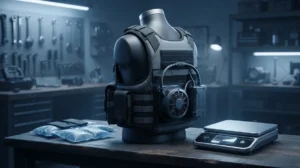
If you wear body armor on the job, you already know the struggle. Heat builds up fast. Sweat soaks through your uniform. And by hour four of a long shift, all you can think about is getting that vest off. For EMS providers, this is a daily reality. EMS body armor ventilation is the solution that’s changing how emergency responders experience their protective gear — and it’s about time.
Whether you’re a paramedic, EMT, or emergency responder working in a high-risk environment, staying cool under your vest isn’t just about comfort. It’s about staying focused, staying safe, and being able to perform at your best when lives are on the line. This guide breaks down the top 10 ventilation solutions available in 2026, so you can find what works best for you.

Why EMS Body Armor Ventilation Matters So Much
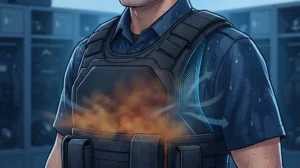
Body armor is designed to protect you. But that same protection creates a sealed environment against your torso. Heat gets trapped. Sweat has nowhere to go. The result? Discomfort, fatigue, and even heat exhaustion during long shifts. According to the OSHA Heat Stress Guide, heat-related illness is a serious occupational hazard — and wearing heavy protective gear significantly increases that risk.
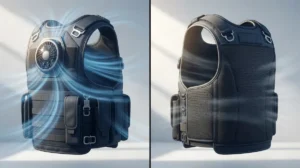
Good body armor ventilation creates a pathway for air to move between your skin and the vest. This allows sweat to evaporate and trapped heat to escape. The result is a cooler, drier, and far more comfortable experience — even during the toughest shifts.
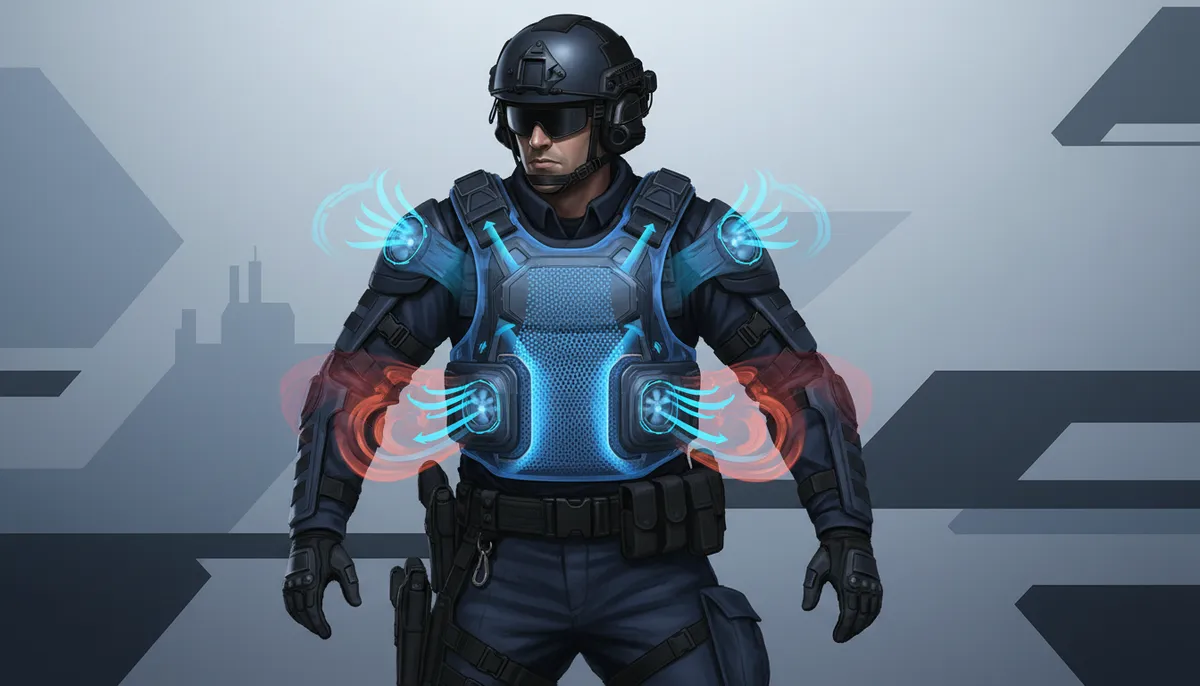
The 10 Best EMS Body Armor Ventilation Solutions in 2026
1. Active Fan-Driven Ventilation Systems
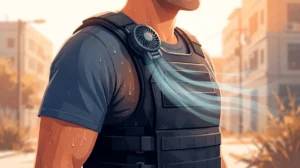
Active systems use a small fan to push or pull air under your vest. These are the most powerful option for heat relief. The BluFano fan system is a top pick in this category. It slides under any style of body armor and delivers adjustable fan-driven airflow for 8 to 32 hours on a single charge. It also includes a built-in 10,000mAh power bank that can charge your devices while you work. That’s a serious upgrade for any EMS professional.
2. Inflatable Air Gap Vests
These vests inflate to create a physical gap between your body and your armor. The BluHalo ventilation vest is the standout in this space. Created by a Chicago police officer, it weighs under 7 ounces and lifts your vest up to 1.5 inches off your body when inflated. That air gap allows convection to do its job — pulling heat away from your core. It deflates flat with the push of a button, so it’s low-profile when you don’t need it.
3. 3D Mesh Liner Panels
Mesh liners sit between your skin and your armor and create small channels for air to flow. They’re lightweight, affordable, and passive — meaning no batteries or pumps required. While not as powerful as active systems, they’re a solid entry-level option for EMS providers who want basic under-vest ventilation without extra gear.
4. Foam-Channel Ventilation Panels
Foam-channel panels use structured foam with built-in grooves to direct airflow along the torso. They’re firmer than mesh liners and tend to hold their shape better under the weight of a vest. Many EMS professionals find these more effective than flat mesh because the channels stay open even when the vest presses down.
5. Suspended Vest Systems
Suspended systems hold your vest slightly away from your body using a rigid or semi-rigid frame. This creates a consistent air gap without needing inflation or batteries. They work well in both hot and cold conditions because the gap keeps moisture from sitting against your skin. Check out more options in this roundup of ballistic vest ventilation solutions.
6. Perforated Fabric Carrier Vests
Some armor carriers are now made with perforated or laser-cut fabric panels. These allow more natural airflow through the vest itself. While the ballistic panels inside still block heat, perforated carriers at least improve surface breathability and can be paired with other ventilation solutions for better results. Always check Body Armor Standards to ensure compatibility with your department’s requirements.
7. Moisture-Wicking Base Layers
A good moisture-wicking base layer won’t stop heat buildup on its own, but it’s an important part of any ventilation strategy. These fabrics pull sweat away from your skin and help it evaporate faster. Pair them with an active system like BluFano for maximum comfort. Learn more about moisture-wicking vests for body armor to find the right base layer for your needs.
8. USB-Powered Vest Fans
USB-powered fans clip onto your vest or uniform and direct air toward the openings of your armor. They’re affordable and easy to use, though they work best in environments where your vest has some natural gaps. For a deeper look at these options, explore the best USB vest fans for cooling available right now.
9. Phase-Change Cooling Inserts
Phase-change materials absorb heat as they change from solid to liquid. Insert-style products using these materials can be slipped under your vest to provide a burst of cooling relief. They’re especially useful during high-intensity calls or when you need immediate relief. They do require pre-cooling or freezing before your shift, so some planning is needed. Compare this approach with ventilation-based options in this ventilation vs. phase-change breakdown.
10. Hybrid Passive-Active Systems
The newest trend in EMS body armor ventilation is combining passive airflow design with active cooling elements. Think structured mesh paired with a small fan system. These hybrid setups give you baseline airflow all the time, with the option to boost cooling when things get intense. Brands like BluHalo are leading the way in this space, offering products that work together to give you layered, on-demand cooling.
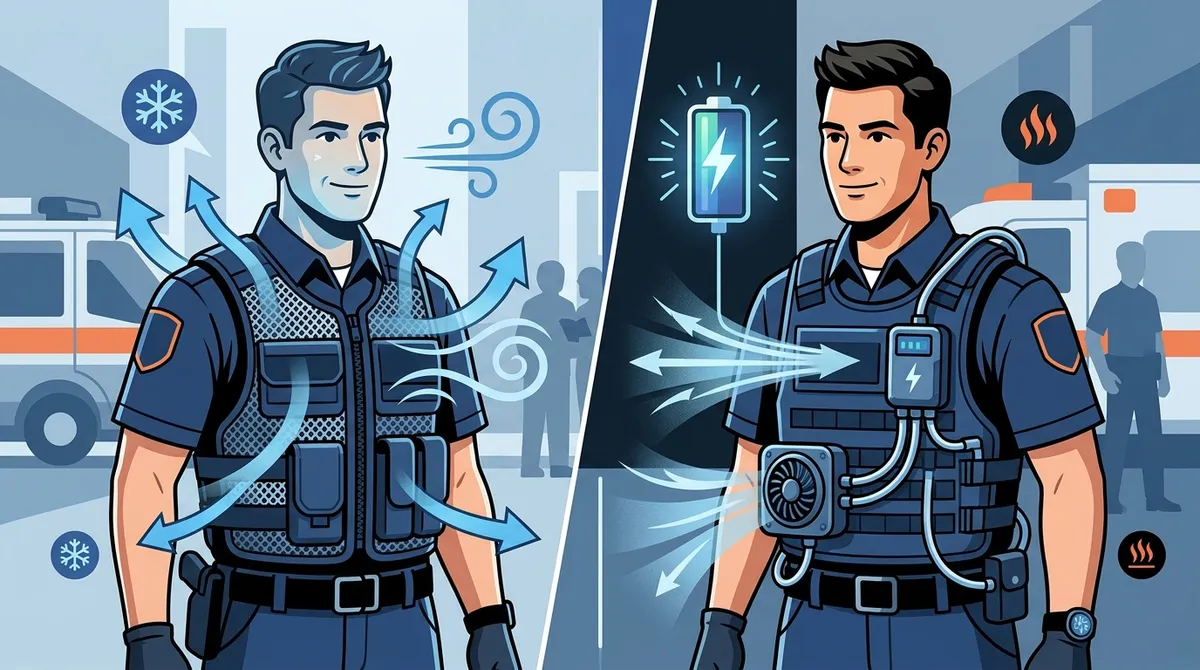
Passive vs. Active: Which Is Right for You?
Not sure whether to go passive or active? Here’s a simple breakdown to help you decide. Both approaches have real value depending on your situation.
| Feature | Passive Ventilation | Active Ventilation |
|---|---|---|
| Power Required | No | Yes (battery/USB) |
| Cooling Strength | Moderate | High |
| Weight Added | Minimal | Slightly more |
| Best For | Moderate heat, everyday use | High heat, long shifts |
| Maintenance | Very low | Charging required |
| Cost | Lower | Higher upfront |
For EMS providers working long shifts in hot climates, active systems like BluFano or inflatable vests like BluHalo tend to offer the most noticeable comfort improvement. Learn more about passive vs. active tactical vest ventilation to make the best call for your situation.
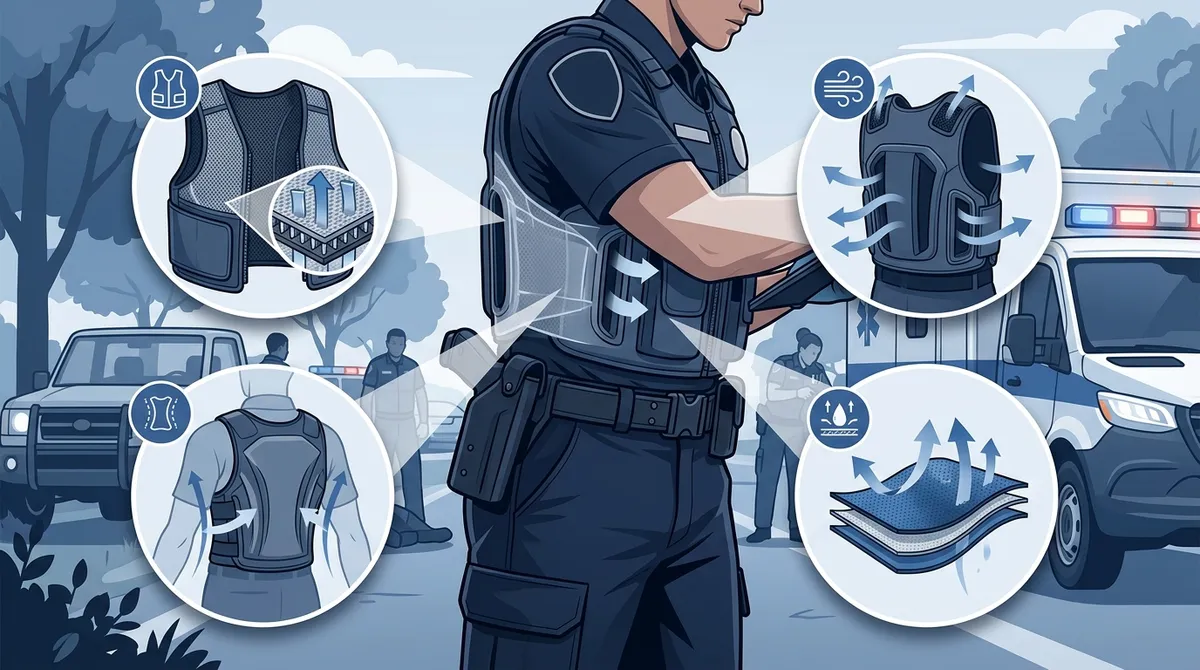
Key Features to Look For in EMS Ventilation Gear
When shopping for EMS body armor ventilation solutions, keep these features in mind. Not all products are created equal, and what works for one role might not work for another.
- Compatibility: Make sure the product works with your specific vest style — soft armor, plate carrier, or carrier-style vest.
- Weight: Lightweight is better. You’re already carrying enough gear.
- Battery life: For active systems, longer battery life means less interruption during long shifts.
- Ease of use: Simple controls matter when you’re in the middle of a call.
- Durability: Look for products built for daily duty use, not just occasional wear.
- Fit: A poor fit negates the benefits of any ventilation system. Always check sizing carefully.
For more guidance on picking the right gear, check out this helpful guide on how to choose the right body armor ventilation vest in 2026.
How EMS Ventilation Vests Improve Performance
It’s not just about comfort. Staying cooler under your vest has real performance benefits. When you’re not distracted by heat and sweat, you think more clearly. You react faster. And you’re less likely to make decisions driven by physical discomfort rather than situational awareness.
Heat stress can also increase fatigue, reduce fine motor control, and even impair judgment — all things that matter enormously during an EMS call. The connection between heat stress and body armor is well-documented, and addressing it proactively is simply smart practice.
EMS Ventilation Solution Comparison Table
| Solution | Type | Ease of Use | Heat Relief Level | Best For |
|---|---|---|---|---|
| BluFano Fan System | Active | Very Easy | Excellent | Long shifts, high heat |
| BluHalo Inflatable Vest | Passive/Mechanical | Very Easy | Excellent | All-day comfort, on-demand |
| 3D Mesh Liner | Passive | Easy | Moderate | Everyday use, budget-friendly |
| Foam-Channel Panel | Passive | Easy | Moderate | Structured airflow needs |
| Phase-Change Inserts | Passive | Moderate | High (short-term) | Intense bursts, planned shifts |
| USB Vest Fan | Active | Easy | Moderate | Entry-level active cooling |
| Hybrid Systems | Active + Passive | Moderate | Excellent | Versatile, all conditions |
Tips for Getting the Most Out of Your Ventilation Vest
Even the best EMS body armor ventilation system needs proper use to perform at its peak. Here are some quick tips to help you get the most out of your gear.
- Start with a proper fit. A poorly fitted vest traps more heat and reduces the effectiveness of any ventilation system underneath it.
- Layer smart. Combine a moisture-wicking base layer with your ventilation vest for a double layer of protection against sweat and heat.
- Charge your gear before every shift. If you’re using an active system, a full charge means full cooling power all shift long.
- Use your vehicle’s AC strategically. Active fan systems like BluFano can pull cool air from your vehicle’s AC into the vest during transport — a game-changer on hot days.
- Maintain your gear regularly. Clean your ventilation vest as recommended to keep it functioning at full performance.
Want more tips? Browse the real user reviews to see how other EMS professionals and first responders are using these systems in the field.
Quick-Reference: Who Benefits Most From EMS Body Armor Ventilation
| Role | Key Concern | Recommended Solution |
|---|---|---|
| EMS / Paramedic | Long shift heat buildup | BluFano + moisture-wicking layer |
| Law Enforcement Officer | All-day sweat and chafing | BluHalo inflatable vest |
| Security Professional | Extended wear comfort | 3D mesh liner or hybrid system |
| SWAT / Tactical Team | High-intensity cooling | Active fan + phase-change combo |
| Military / Soldier | Heat in extreme environments | Hybrid passive-active system |
Final Thoughts on EMS Body Armor Ventilation
Staying protected should never mean suffering through heat and discomfort. With the right EMS body armor ventilation solution, you can wear your gear all shift long without feeling like you’re being cooked from the inside out. Whether you go with an active fan system, an inflatable air gap vest, or a passive mesh liner, the key is finding what works for your body, your role, and your environment.
If you’re serious about taking your comfort to the next level, the BluHalo and BluFano product lineup is worth exploring. Both were designed specifically for professionals who wear body armor every day — and the reviews speak for themselves. You can also learn more about the brand’s story and mission on the About Us page.
Ready to stop suffering through hot, sweaty shifts? Get in touch with our team to find the right ventilation solution for your specific needs. You deserve to stay cool, stay comfortable, and stay focused on what matters most — the people counting on you.
FAQs
Q: What is EMS body armor ventilation?
A: EMS body armor ventilation refers to any system or product that improves airflow between your body and your protective vest. It helps release trapped heat and moisture so you stay cooler and more comfortable during long shifts. Solutions range from simple mesh liners to advanced fan-driven systems like BluFano.
Q: Do ventilation vests really keep body armor cooler?
A: Absolutely — and the difference is noticeable pretty quickly! Ventilation vests create a gap or airflow channel between your skin and your armor, which allows heat to escape and sweat to evaporate instead of sitting against your body. Active systems like the BluFano fan vest take it even further by actively circulating fresh air under your gear.
Q: Are ventilation vests compatible with EMS ballistic vests?
A: Most ventilation vests are designed to be compatible with a wide range of soft armor, plate carriers, and carrier-style vests commonly used in EMS and public safety. Products like the BluHalo and BluFano are built to slide or fit under most standard body armor styles, but it’s always a good idea to check the product specs for your specific vest.
Q: What is the difference between passive and active vest ventilation?
A: Passive ventilation relies on natural airflow through mesh, foam channels, or air gaps to cool you down — no power needed. Active ventilation uses a fan or pump to actively move air under your vest, providing stronger and more consistent cooling. For long, hot shifts, active systems generally provide better heat relief.
Q: Can body armor ventilation reduce sweating during long shifts?
A: Yes! While ventilation vests don’t stop you from sweating, they help sweat evaporate much faster by improving airflow under your armor. This means less moisture sitting against your skin, less chafing, and a much more comfortable experience overall — especially during 10- to 12-hour shifts in warm weather.