Key Takeaways
-
A ventilation vest creating an air gap between body armor and skin is the #1 priority for summer patrol, with products like BluHalo reducing surface temperature by up to 23°F compared to standard gear during 12-hour shifts.
-
Active fan systems like Blufano provide 8-32 hours of continuous airflow on a single charge and work best when paired with passive ventilation vests for combined cooling effectiveness in extreme heat.
-
Moisture-wicking base layers made from polyester or merino wool are critical under ventilation vests to pull sweat away from skin, while cotton should be avoided as it traps moisture and reduces cooling.
-
Proper hydration, cooling towels, and anti-chafe products are essential supporting gear that prevent heat exhaustion, chafing, and skin irritation during hot summer assignments when body armor reduces natural airflow.
-
Sun protection including SPF 50+ sunscreen and UV-blocking gear prevents additional heat load from sunburn, which raises skin temperature and compounds heat stress management challenges under body armor.
-
Installing ventilation gear before your shift starts and drinking water before feeling thirsty are critical habits—by the time thirst occurs in extreme heat, you’re already mildly dehydrated and cooling setup effectiveness drops.
Summer patrol is no joke. When the heat index climbs past 95°F and you’re suited up in body armor for a 12-hour shift, staying cool becomes more than a comfort issue — it becomes a safety issue. Every police officer who’s ever finished a sweltering shift knows the struggle: soaked undershirts, skin rashes, the mental fog that creeps in when your core temperature spikes. The good news? In 2026, there are more smart solutions than ever to help you beat the heat without sacrificing your protection.
This list covers the 9 police officer summer gear essentials that make the biggest difference under body armor. Whether you’re a patrol officer, a SWAT operator, or a security professional, these picks are designed to keep you cooler, drier, and sharper on the job. Let’s dig in.

Why Heat Management Matters for Officers in Summer
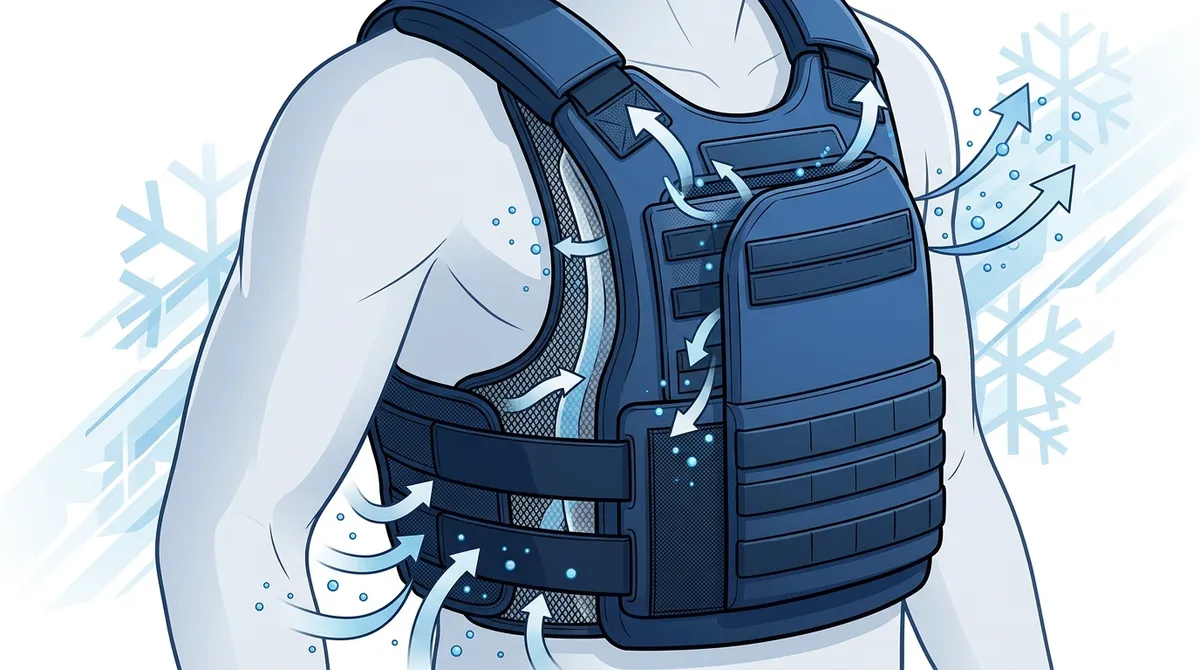
Body armor is non-breathable by design. Ballistic panels trap heat against your torso, and standard uniform fabrics don’t help much either. According to the OSHA Heat Stress Guide, prolonged heat exposure can cause heat exhaustion, heat stroke, and impaired decision-making — serious risks for officers in the field. Managing heat isn’t a luxury. It’s a duty readiness issue.
Good body armor ventilation is the foundation of any effective summer gear setup. Without airflow under your vest, everything else is just a bandage fix. Here’s what you actually need.
The 9 Best Police Officer Summer Gear Essentials
1. A Ventilation Vest (Your #1 Priority)
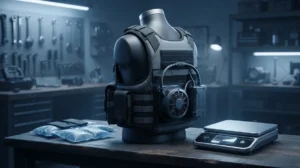
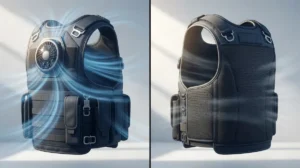
Nothing on this list matters more than what sits between your skin and your armor. A dedicated body armor ventilation vest creates a physical air gap that lets heat and moisture escape instead of building up. Products like the BluHalo ventilation vest — invented by a Chicago police officer — use an inflatable design that lifts the armor up to 1.5 inches off the body. It weighs under 7 ounces, attaches with Velcro, and inflates or deflates on demand. Officers wearing it during 12-hour shifts in 95-degree heat have reported dramatic comfort improvements.
If you want to understand the full science behind why these vests work so well, check out this breakdown of what vest ventilation is and why you need it. Spoiler: it’s all about airflow physics.
2. An Active Fan System for Continuous Cooling
Passive ventilation is great. Active ventilation is better. A fan-powered system like the Blufano takes cooling to the next level. Blufano is a self-contained unit with a patented air-redirect spout that slides under any body armor carrier. Its adjustable fan delivers continuous airflow for 8 to 32 hours per charge, depending on the setting you choose.
It also includes a built-in 10,000mAh power bank to charge USB devices and a forward-facing light for low-light situations. That’s a lot packed into one piece of summer duty gear. You can learn more about how active cooling systems work in ventilation vests if you want the full technical picture.
3. Moisture-Wicking Base Layer
What you wear under your ventilation vest matters too. A quality moisture-wicking base layer pulls sweat away from your skin quickly. Look for materials like polyester blends or merino wool designed for high-output activity. Avoid cotton — it holds moisture and turns into a soggy, uncomfortable mess fast.
Pairing a moisture-wicking base layer with your ventilation vest creates a one-two punch against sweat buildup. Check out these tips on the best moisture-wicking vests for body armor comfort in 2026 to find options that layer well.
4. Lightweight Uniform Fabric
Your outer uniform plays a supporting role in heat management. Many departments now offer summer-weight uniform shirts and pants made from ripstop or lightweight polyester blends. These fabrics allow more ambient airflow around the body compared to traditional poly-cotton blends. If your department gives you options, always choose the lighter fabric for summer assignments.
5. Anti-Chafe Products
Heat and moisture create friction. Friction creates chafing. Chafing is miserable during a long shift. Anti-chafe balms, sticks, or powders applied to high-contact areas — thighs, underarms, waistline — make a real difference over an 8 to 12-hour patrol. This is one of those small essentials that officers often overlook until they really, really regret it.
Ventilation vests like the MILITAUR Adjustable Ventilation Vest also help reduce chafing directly by minimizing the direct contact between armor and skin. The honeycomb mesh design distributes armor weight and keeps surfaces separated.
6. Hydration Gear
No amount of cooling gear replaces proper hydration. On hot summer shifts, officers can lose significant amounts of water through sweat — even with ventilation assistance. A hands-free hydration system or a quality insulated water bottle you can access from your duty belt is essential. Set reminders to drink regularly if you tend to get absorbed in calls and forget.
According to Body Armor Standards from the National Institute of Justice, heat stress is a known concern when wearing body armor — and hydration is a primary countermeasure. Don’t skip it.
7. Cooling Towels or Neck Wraps
A cooling towel soaked in cold water and draped around the neck can lower perceived temperature quickly during a break. These are cheap, lightweight, and easy to keep in your patrol vehicle. They work especially well when used alongside your ventilation vest for a combined cooling effect during hot outdoor assignments.
Want to combine this with smarter gear strategies? This guide on how to stay cool under body armor with smart ventilation covers layered cooling approaches that actually work in the field.
8. Sun Protection Gear
Outdoor assignments in summer mean direct sun exposure on top of everything else. A quality SPF 50+ sunscreen, UV-blocking neck gaiter, and polarized sunglasses protect you from sunburn and eye strain. These may seem obvious, but they’re often the last things officers pack. Sunburn raises your skin temperature and makes heat management even harder.
9. Odor-Control Solutions
Heat and sweat mean odor — and on a long shift, that matters for professionalism and personal comfort. Antibacterial body wash, clinical-strength antiperspirant, and odor-neutralizing sprays for gear all help. Some ventilation vests also actively reduce odor by keeping moisture levels lower under the armor. Less sweat sitting against your skin equals less bacterial growth and less smell.
This is one of the overlooked benefits of proper sweat management under body armor. Keeping things dry isn’t just about comfort — it’s also about hygiene.

Comparing Ventilation Technologies: Passive vs. Active
Not all ventilation solutions work the same way. Here’s a quick comparison to help you understand your options as part of your police officer summer gear essentials setup.
| Technology Type | How It Works | Best For | Example |
|---|---|---|---|
| Passive (Air Gap) | Creates physical separation between armor and body | All-day passive comfort | BluHalo Ventilation Vest |
| Active (Fan-Powered) | Circulates fresh air continuously under armor | High-heat, intense activity | Blufano Fan System |
| Mesh Separation | Honeycomb or 3D mesh reduces contact points | Chafe reduction and airflow | MILITAUR Honeycomb Vest |
| Phase Change | Ice or gel packs absorb body heat | Short bursts of intense cooling | Various ice vest inserts |
For most officers, combining passive and active systems gives the best results. Pair the BluHalo vest with the Blufano fan system to get both an air gap and active airflow working together. You can even bundle both products at a discount through the BluHalo website for maximum cooling performance.
If you’re still deciding between approaches, this detailed comparison of passive vs. active tactical vest ventilation walks you through the pros and cons of each in real duty conditions.
Quick-Reference Gear Checklist for Summer Patrol
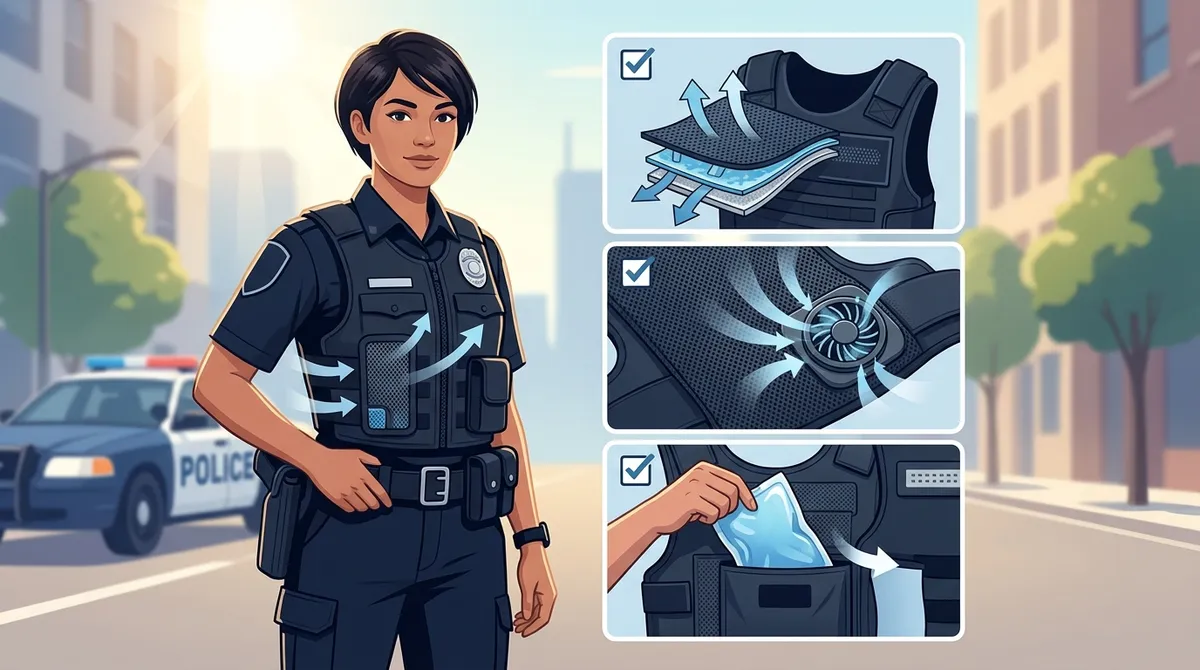
Use this checklist before every hot-weather shift to make sure you’re covered from head to toe.
- Ventilation vest or fan system installed under body armor
- Moisture-wicking base layer (no cotton)
- Lightweight summer-weight uniform
- Anti-chafe balm applied to high-friction areas
- Hydration system or insulated water bottle filled and ready
- Cooling towel in patrol vehicle
- SPF 50+ sunscreen applied
- UV-blocking sunglasses packed
- Antibacterial body wash and antiperspirant used before shift
How Much Cooler Can Ventilation Gear Actually Keep You?
The results from tested ventilation products are genuinely impressive. Certified medical professional testing of the Maxx-Dri Vest 4.0 showed a 23°F cooler surface temperature compared to a control group wearing standard gear. The Blufano fan system delivers up to 32 hours of adjustable airflow on a single charge. These aren’t small improvements — they’re the difference between a manageable shift and a dangerous one.
| Gear Item | Key Benefit | Impact Level |
|---|---|---|
| BluHalo Ventilation Vest | Creates 1.5″ air gap under armor | High |
| Blufano Fan System | 8-32 hours of active airflow | Very High |
| Moisture-Wicking Base Layer | Removes sweat from skin quickly | Medium |
| Cooling Towel | Lowers perceived temperature during breaks | Medium |
| Hydration System | Prevents heat exhaustion | Critical |
| Anti-Chafe Products | Eliminates friction and skin irritation | Medium |
| Lightweight Uniform | Increases ambient airflow around body | Medium |
| Sun Protection Gear | Prevents extra heat load from sunburn | Medium |
| Odor Control Solutions | Maintains hygiene and comfort all shift | Low-Medium |
Tips for Getting the Most from Your Summer Gear
Having the right gear is step one. Using it correctly is step two. Here are a few practical tips to maximize your summer duty comfort.
- Install your ventilation vest before your shift starts — don’t wait until you’re already overheating to set it up.
- Use your patrol vehicle’s AC strategically — officers using the Blufano have reported that it draws cooler air from vehicle AC more effectively, speeding up core cooling during breaks.
- Rotate cooling towels — keep two in the vehicle so one is always cold and ready.
- Drink before you’re thirsty — by the time you feel thirst in extreme heat, you’re already mildly dehydrated.
- Check gear fit regularly — a poorly fitted ventilation vest won’t create an effective air gap. Adjust straps and positioning at the start of each shift.
For a deeper dive into avoiding common mistakes, read through these 7 mistakes to avoid with a body armor ventilation system. Small setup errors can dramatically reduce cooling effectiveness.
And if you’re curious about gear choices beyond body armor — for example, if your department also manages outdoor community spaces like pools or recreational areas during summer events — resources from vendors like Panther Pools can help ensure safe, cool environments for officers and the public alike during outdoor community engagements.
Choosing the Right Ventilation Setup for Your Role
Different roles have different needs. Here’s a simple guide to matching gear to your specific assignment.
| Role | Recommended Priority | Top Gear Pick |
|---|---|---|
| Patrol Officer | All-day passive + active cooling | BluHalo + Blufano bundle |
| SWAT / Tactical | High-output active cooling, freedom of movement | Blufano fan system |
| Security Professional | Lightweight, discreet cooling | BluHalo ventilation vest |
| Military Personnel | Extended duration, rugged durability | Blufano + mesh base layer |
| Emergency Responder | Rapid cooling, moisture management | Active fan + wicking base layer |
If you need help finding the right fit for your specific role, this guide on choosing the right body armor ventilation vest in 2026 is a great starting point. And the reviews section is packed with real feedback from officers and security professionals who use these products every day.
Final Thoughts
Summer patrol doesn’t have to be a miserable endurance test. With the right police officer summer gear essentials — especially a quality ventilation vest or active fan system — you can stay cooler, think more clearly, and perform at your best no matter how high the temperature climbs. The foundation is always airflow. Everything else builds on top of that.
Start with the BluHalo ventilation vest and the Blufano fan system as your core summer gear. Add in moisture-wicking layers, hydration, sun protection, and anti-chafe products to complete your setup. You’ve got a tough job — the least your gear can do is keep you comfortable while you do it.
Ready to upgrade your summer duty gear? Get in touch with the BluHalo team to find the right ventilation solution for your specific needs, or head straight to the BluHalo shop to explore the full lineup and bundle options available in 2026.
FAQs
Q: What is the most important piece of summer gear for police officers wearing body armor?
A: A ventilation vest is hands-down the most impactful piece of summer gear for officers in body armor. It creates an air gap between the armor and your body, allowing heat and moisture to escape instead of building up. Products like the BluHalo ventilation vest and Blufano fan system are specifically designed for this purpose and make a dramatic difference during long, hot shifts.
Q: Can a ventilation vest be worn with any style of body armor carrier?
A: Yes! Most ventilation vests, including the Blufano fan system, are designed to slide under or attach to virtually any body armor carrier style. The BluHalo vest uses Velcro attachment and an inflatable design that adapts to different armor fits. Always check product specs to confirm compatibility with your specific carrier setup.
Q: How much cooler can a ventilation vest actually keep you during summer patrol?
A: The results can be pretty impressive! Certified testing of ventilation vest designs has shown surface temperature reductions of up to 23°F compared to wearing standard body armor with no ventilation. Even on the lower end, officers consistently report feeling noticeably cooler and more comfortable throughout their shift — especially during high-heat assignments.
Q: Is an active fan system worth it compared to a passive ventilation vest?
A: Both are valuable, but they serve slightly different needs. Passive vests like BluHalo create a constant air gap that works all the time without any power source. Active systems like Blufano circulate fresh air continuously, which is especially helpful during intense activity or extreme heat. For maximum comfort, many officers choose to use both together — and you can bundle them for a discount!
Q: How do I prevent body odor during summer shifts in body armor?
A: Great question — and one more officers should ask! Odor under body armor comes from sweat and bacteria building up in a warm, dark, enclosed space. The best approach is a multi-layer strategy: use antibacterial body wash and clinical-strength antiperspirant before your shift, wear a moisture-wicking base layer, and use a ventilation vest to keep things drier under the armor. Less moisture means less bacterial growth and much less odor by end of shift.