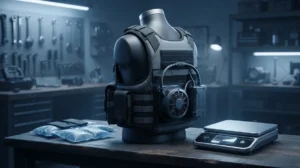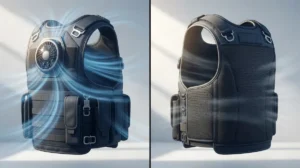
If you wear body armor for a living, you already know the struggle. Heat builds up fast. Sweat soaks through your uniform. By hour four of a twelve-hour shift, all you can think about is getting that vest off. Sound familiar? You’re not alone — and the good news is that there are real solutions out there. A quality protective vest cooling device can make a massive difference in your daily comfort and performance.
But here’s where it gets interesting: not all cooling solutions are created equal. In 2026, professionals have more options than ever, from ventilation-based systems to phase change materials to vortex tube technology. So how do you know which one is right for you? Let’s break it all down in a friendly, no-nonsense comparison so you can make the best choice for your situation.
Understanding the Main Types of Protective Vest Cooling Devices
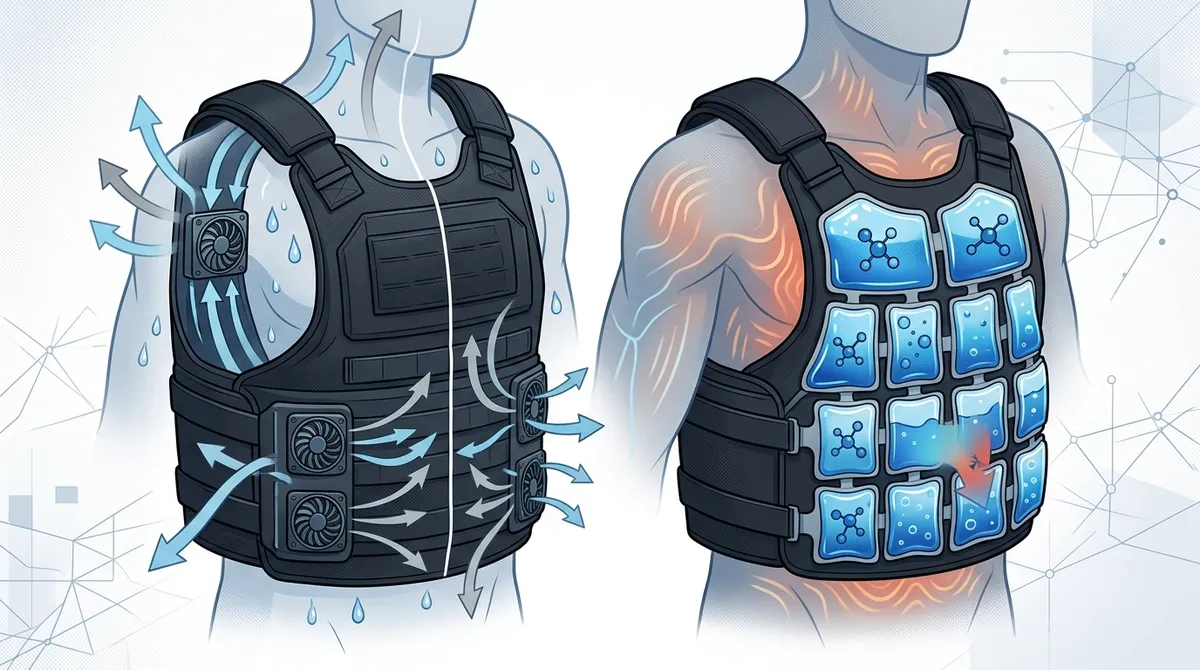
Before we dive into the head-to-head comparison, it helps to understand what’s out there. There are four main categories of protective vest cooling devices available to professionals today. Each one works differently and suits different needs and environments.
- Ventilation/Airflow Systems: Devices that physically lift or separate the vest from your body to create an air gap and improve circulation.
- Evaporative Cooling Vests: Garments soaked in water that release vapor slowly to cool the skin over time.
- Phase Change Material (PCM) Vests: Vests with special inserts that absorb body heat and maintain a consistent temperature.
- Vortex Tube Cooling Vests: Systems connected to compressed air that use physics to separate hot and cold air streams for continuous cooling.
For law enforcement, military, security, and emergency response professionals, the most relevant comparison comes down to ventilation systems versus phase change material vests. Let’s explore both in depth. You can also check out best vest cooling systems to beat the heat in body armor for a broader look at your options.
Ventilation Systems: Airflow-First Cooling
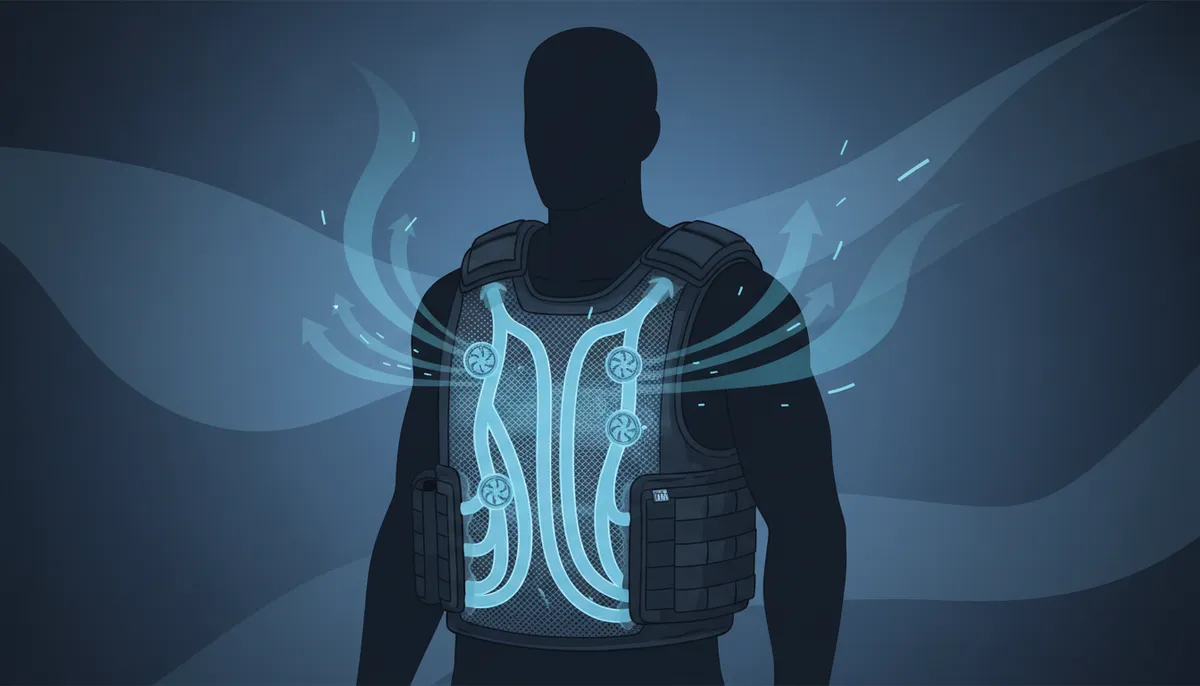
Ventilation-based protective vest cooling devices work by creating space between your body armor and your skin. When air can flow through that gap, heat and moisture escape instead of building up against you. It’s simple physics — and it works beautifully.
The BluHalo ventilation vest is a perfect example of this approach done right. Created by a Chicago police officer who was tired of overheating on the job, BluHalo weighs just 7 ounces and lifts your body armor up to 1.5 inches off your body. That air gap transforms the area under your vest from a sweat trap into a breathable, comfortable space.
BluHalo uses a simple inflate-on-demand system. You attach it to your vest with Velcro, inflate it with a small pump when you need cooling relief, and deflate it instantly with a button when you need to go low-profile. It’s made from double-layer high-strength polyethylene for serious durability. At just $60, it’s one of the most accessible protective vest cooling devices available. You can see real officer testimonials on the BluHalo reviews page.
For those who want active, fan-driven airflow, the Blufano body armor ventilation system takes things to the next level. Blufano is a self-contained unit with a patented air-redirect spout that slides under any style of body armor. It delivers adjustable fan-driven airflow for 8 to 32 hours depending on the setting. It even includes a built-in 10,000mAh power bank and a forward-facing light for hands-free illumination — incredibly useful during night operations.
Phase Change Material Vests: Consistent Temperature Control
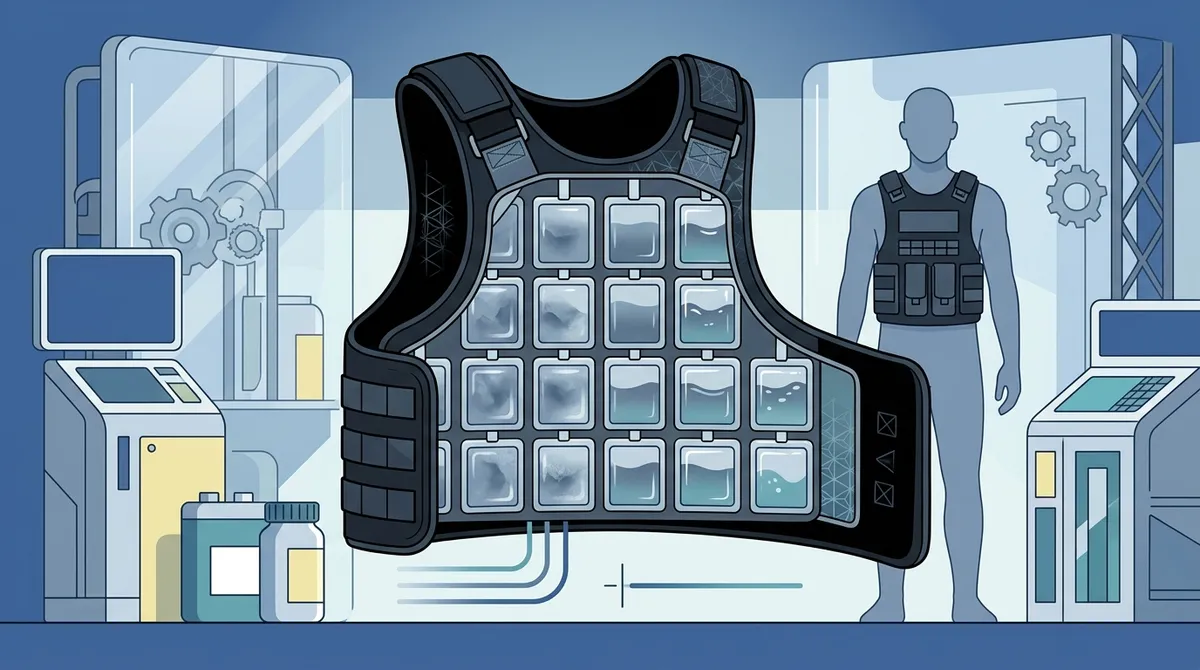
Phase change material (PCM) vests take a different approach. Instead of moving air, they absorb your body heat using special materials that change from solid to liquid at a set temperature. This process keeps the area under your vest at a consistent temperature regardless of outside conditions.
PCM vests like the INUTEQ-PAC CoolOver-X offer cooling at specific temperatures such as 44°F, 59°F, or 84°F. The Texas Cool Vest maintains a constant 65°F and can recharge in as little as 20 minutes, offering 2 to 3 hours of cooling per set of packs. These vests work well in humid environments where evaporative cooling loses effectiveness.
PCM vests are popular in hazmat operations, chemical suits, and firefighting gear. They can be NFPA-rated and are widely used across industrial sectors. The OSHA Heat Stress Guide recommends cooling interventions exactly like these for high-heat work environments. However, they do add bulk and weight, and once the PCM packs are spent, you need to recharge or replace them before you get more cooling.

Head-to-Head Comparison: Ventilation vs. PCM
Now let’s get to the good stuff. Here’s a direct comparison of ventilation-based systems versus PCM vests across the factors that matter most to working professionals.
| Feature | Ventilation System (BluHalo/Blufano) | PCM Cooling Vest |
|---|---|---|
| Weight | As low as 7 ounces | Several pounds with packs inserted |
| Continuous Use | Yes (Blufano: 8–32 hours) | No (2–3 hours per charge) |
| Recharging Required | No (fan uses battery/power bank) | Yes (freeze or soak packs) |
| Works in Humid Conditions | Yes | Yes |
| Profile Under Armor | Low-profile, flat when deflated | Adds bulk and thickness |
| Moisture Reduction | Excellent (removes sweat via airflow) | Moderate (absorbs heat, not sweat) |
| Cost | BluHalo from $60 | $80–$300+ depending on brand |
| Additional Features | Blufano includes USB power bank + light | Varies by brand |
As you can see, both options have real merit. The right choice depends on your specific role and environment. If you want to learn more about how to choose the right body armor ventilation vest in 2026, that resource breaks it down beautifully.
Evaporative and Vortex Options: Quick Overview
For completeness, let’s briefly cover the other two types. Evaporative cooling vests are soaked in water and use slow vapor release to cool you down. They’re affordable and work well in dry, hot environments. However, they lose effectiveness in high humidity and need to be re-soaked regularly — not always practical in the field.
Vortex tube cooling vests use compressed air and a vortex tube to separate hot and cold air streams, providing powerful continuous cooling. They’re rated at 1,500 to 2,500 BTU/hour and are excellent for foundries, welding shops, and steel mills. However, they require a constant compressed air source, making them impractical for mobile professionals like police officers or soldiers in the field.
| Cooling Type | Best For | Main Limitation | Mobility |
|---|---|---|---|
| Ventilation (Airflow) | Law enforcement, military, security | Requires battery (active fan systems) | Excellent |
| PCM Vest | Hazmat, firefighting, industrial | Limited cooling duration | Good |
| Evaporative Vest | Dry, outdoor environments | Ineffective in humidity | Good |
| Vortex Tube Vest | Fixed industrial workstations | Requires compressed air source | Poor |
Which Professionals Benefit Most from Each Type
Let’s get specific. Different roles have different needs, and the best protective vest cooling device depends a lot on your day-to-day reality. Here’s a quick breakdown:
- Law Enforcement Officers: Patrol officers on 8–12 hour shifts need lightweight, discreet cooling that doesn’t add bulk under their uniform. Ventilation systems like BluHalo are ideal here — low weight, on-demand cooling, and a flat profile when deflated.
- Military Personnel: Soldiers in hot-climate deployments need long-lasting cooling during extended missions. The Blufano’s 8–32 hour battery life and built-in power bank make it a strong choice for extended operations.
- Security Professionals: Armed security guards working long indoor or outdoor shifts benefit from versatile, quiet cooling systems. Ventilation vests work quietly and don’t draw attention.
- SWAT and Tactical Teams: High-intensity operations demand both cooling and mobility. Lightweight ventilation systems allow full range of motion while keeping core temperature down during critical moments.
- Emergency Responders (Firefighters/Hazmat): These professionals often operate in extreme heat with full PPE coverage. PCM vests rated for high-heat environments or NFPA-compliant gear may be more appropriate here, depending on the specific application.
For more guidance tailored specifically to police professionals, the guide to choosing the best police vest ventilation system is a must-read. And if you’re curious about the broader topic of how body armor ventilation is a game-changer for officers, that article offers some great perspective.
The Body Armor Standards from the National Institute of Justice also provide helpful context on how protective gear is rated and what additional wearable devices must accommodate.
Heat Stress: Why Getting This Right Matters
This isn’t just about comfort. Heat stress is a serious occupational health issue. When your body can’t cool itself properly, performance drops, decision-making slows, and in extreme cases, heat exhaustion or heat stroke can occur. For professionals in law enforcement, the military, or emergency response, a bad decision caused by heat stress can have life-altering consequences.
Using a proper protective vest cooling device isn’t a luxury — it’s a safety measure. Officers wearing body armor in 90°F+ summer heat have reported dramatic improvements in focus, energy, and comfort after switching to ventilation-based systems. If you want to prevent heat stress while on the job, this resource on preventing heat stress while wearing body armor is worth bookmarking.
Speaking of recovery and well-being, professionals who work long, physically demanding shifts often benefit from holistic care between shifts. Services like those offered by Mobile Area Massage of Tampa Bay can help with muscle recovery and stress relief after intense duty days — a great complement to staying physically well on the job.
Making the Most of Your Cooling Solution
Whichever type of protective vest cooling device you choose, here are a few tips to maximize its effectiveness:
- Stay hydrated — no cooling device replaces proper water intake during hot shifts.
- Use your cooling device proactively, before you start overheating, not after.
- Pair your device with moisture-wicking base layers for even better comfort.
- Follow maintenance instructions carefully to extend the life of your device.
- Consider bundling BluHalo and Blufano together for maximum cooling performance under your armor.
Also, regular dental health check-ups are part of overall wellness for working professionals — and Smile District is a great option for officers and first responders looking for quality care close to home.
If you want to dive deeper into airflow strategies under body armor, this guide on staying cool under body armor with smart ventilation covers everything you need to know.
The Verdict: Which Cooling Vest Wins?
For most law enforcement officers, security professionals, military personnel, and tactical teams, ventilation-based systems win the day. They’re lightweight, long-lasting, don’t require recharging mid-shift, and actively remove both heat and moisture. BluHalo’s passive inflation system and Blufano’s active fan-driven airflow cover the full spectrum of ventilation needs — from a simple, affordable fix to a feature-rich tactical upgrade.
PCM vests are excellent for specific high-heat industrial or firefighting applications. But if your job involves wearing body armor in the field, moving constantly, and working long shifts, a ventilation-first approach simply fits better into your workflow.
The bottom line? Heat doesn’t have to be part of the job. The right protective vest cooling device gives you your focus back, keeps you safer, and makes every shift more manageable. Explore the full lineup at the BluHalo shop and find the solution that fits your gear, your role, and your comfort needs.
Ready to stop sweating through your shifts? Reach out to the BluHalo team today and get personalized guidance on the best cooling solution for your specific situation. Your comfort — and your performance — deserve it.
FAQs
Q: How does a ventilation-based protective vest cooling device work under body armor?
A: Great question! Ventilation systems like BluHalo create a physical air gap between your body and the vest, allowing heat and moisture to escape instead of building up. Active fan-driven options like Blufano go a step further by continuously circulating fresh air under your armor for hours at a time — keeping you cooler and drier throughout your entire shift.
Q: What is the difference between a PCM vest and a ventilation vest for body armor cooling?
A: PCM vests use special materials that absorb heat at a set temperature, offering consistent cooling for 2–3 hours before needing a recharge. Ventilation vests, on the other hand, actively move air to remove both heat and sweat continuously — with no recharging needed during your shift. For most mobile professionals, ventilation systems offer longer-lasting, more practical relief.
Q: Can I wear a protective vest cooling device under my body armor without it being noticeable?
A: Absolutely! BluHalo is designed to be completely low-profile when deflated — it sits flat under your vest and is barely noticeable under a uniform. When you need cooling, inflate it on demand in seconds, and deflate just as quickly when you want to go back to your standard profile.
Q: How long does the Blufano cooling device run on a single charge?
A: Blufano’s built-in 10,000mAh power bank provides 8 to 32 hours of fan-driven airflow depending on the speed setting you choose. That’s enough to cover most shifts without any recharging — and it even doubles as a USB power bank to charge your other devices while you work. Pretty handy, right?
Q: Are protective vest cooling devices safe to wear with standard law enforcement body armor?
A: Yes! Products like BluHalo and Blufano are specifically designed to be worn with standard body armor and do not interfere with the vest’s protective properties. They fit under any style of ballistic vest and are built for daily duty use. Always check the manufacturer’s guidance and refer to body armor standards from the National Institute of Justice for compatibility details.