Key Takeaways
-
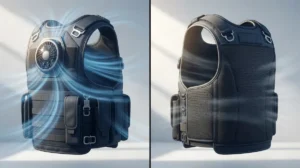
BluHalo ventilation vest offers on-demand cooling at just $60 by inflating to lift armor 1.5 inches off your body, creating an immediate air gap without requiring power or batteries.
-
Advanced cooling technologies can reduce core body temperature by up to 30%, improving endurance, focus, and decision-making during long shifts while reducing heat exhaustion risk.
-
Choose between passive systems (mesh, inflatable gaps, evaporative panels under 10 oz) for lightweight all-day wear or active fan-driven systems like Blufano for consistent airflow during intense operations.
-
Trapped sweat and heat under body armor cause skin rashes and fatigue; proper ventilation dramatically reduces these issues when paired with moisture-wicking base layers and regular hydration.
-
Blufano active fan system delivers 8-32 hours of battery life with adjustable speed settings, built-in 10,000mAh power bank, and forward-facing light for hands-free operation in demanding environments.
-
Ventilation vests prevent hypothermia in cold weather by reducing trapped moisture buildup, making year-round temperature regulation critical for professionals wearing body armor in any climate.
If you wear body armor for work, you already know the struggle. Heat builds up fast. Sweat soaks through your clothes. After a few hours, you feel drained, distracted, and uncomfortable. Whether you’re a patrol officer on a 12-hour shift, a soldier on a long mission, or a security professional working in summer heat, staying cool under your vest is a real challenge. The good news? The best body armor ventilation solutions have come a long way. In 2026, there are more options than ever to help you stay cool, dry, and focused on what matters most. This guide breaks down the top choices, how they work, and what to look for when picking the right one for your needs.
Why Body Armor Ventilation Matters
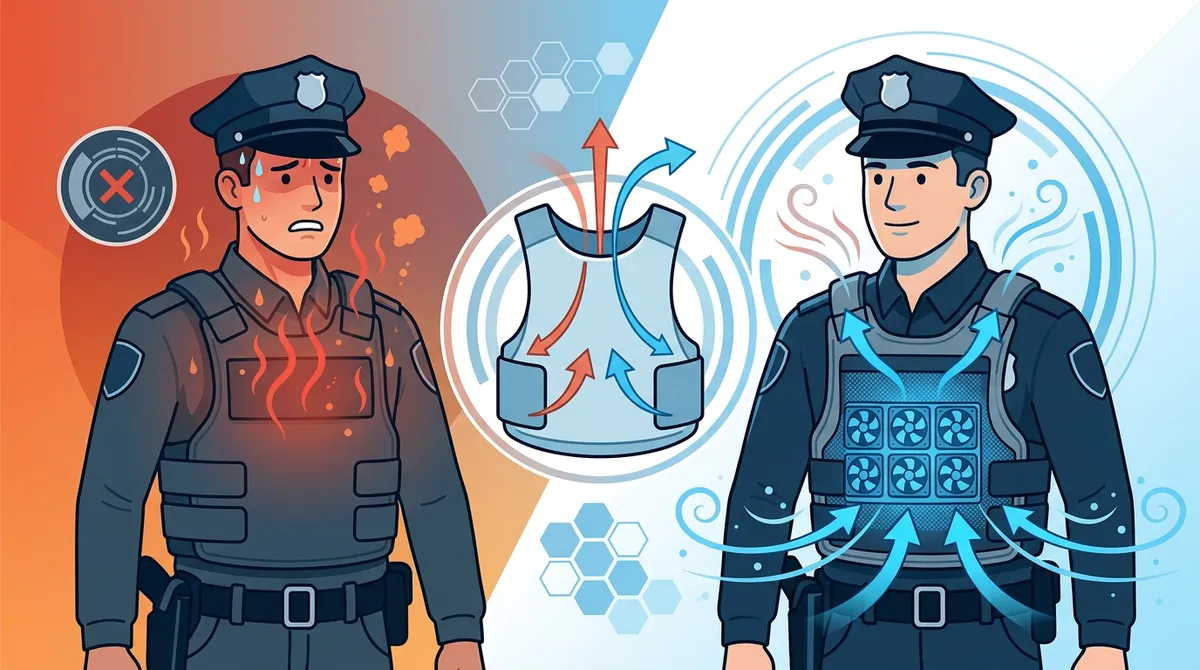
Body armor is designed to protect you, but it traps heat in the process. Your vest sits tight against your body, blocking natural airflow. Heat and moisture get stuck between your skin and the armor. Over time, this leads to discomfort, rashes, and even heat exhaustion. According to the OSHA Heat Stress Guide, prolonged heat exposure is a serious workplace safety concern, especially for professionals in physical roles.
Good ventilation under your vest changes everything. It creates airflow, pulls heat away from your body, and lets sweat evaporate. The result? You feel cooler, stay more alert, and perform better throughout your shift. It’s not just about comfort. It’s about safety and peak performance.
Top Body Armor Ventilation Technologies in 2026
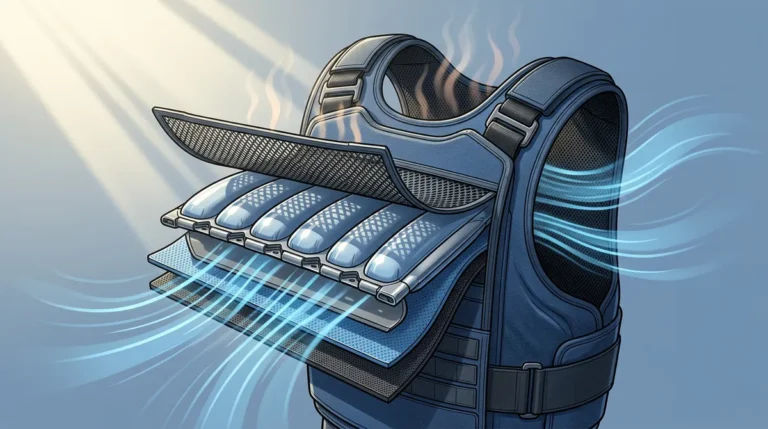
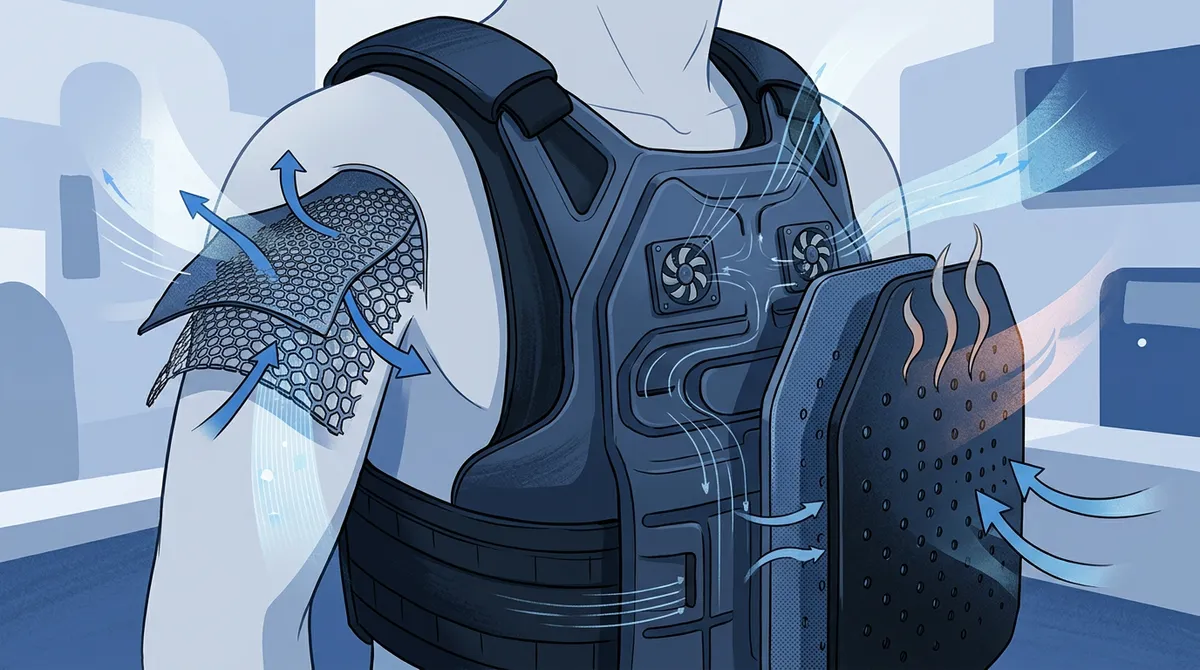
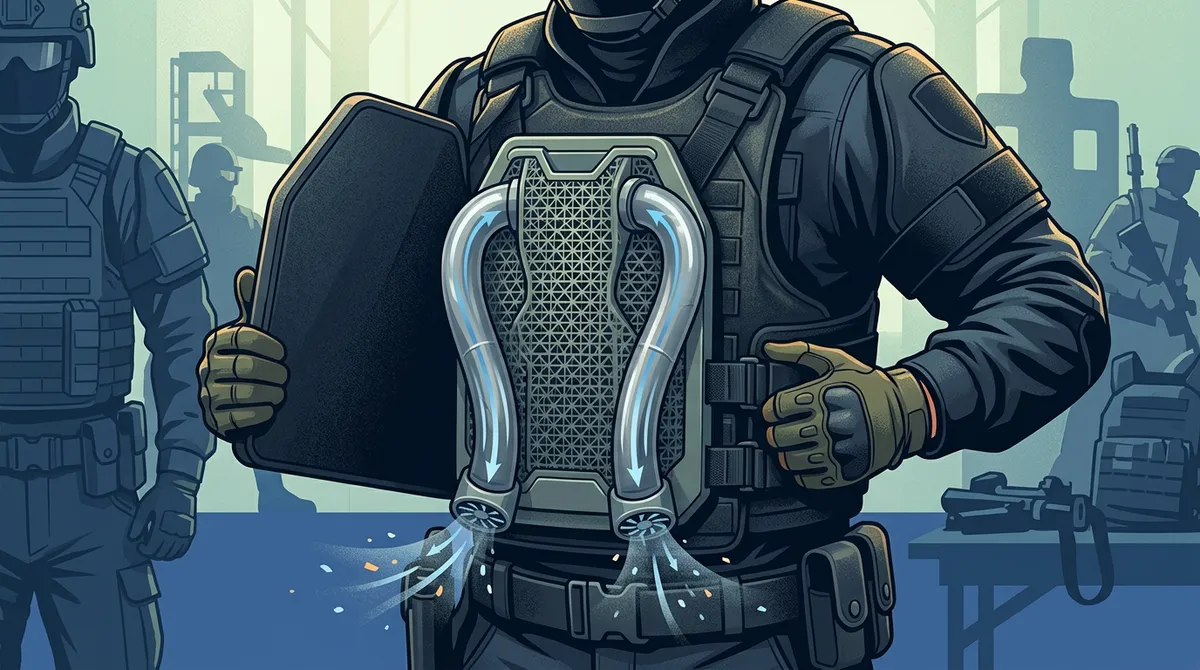
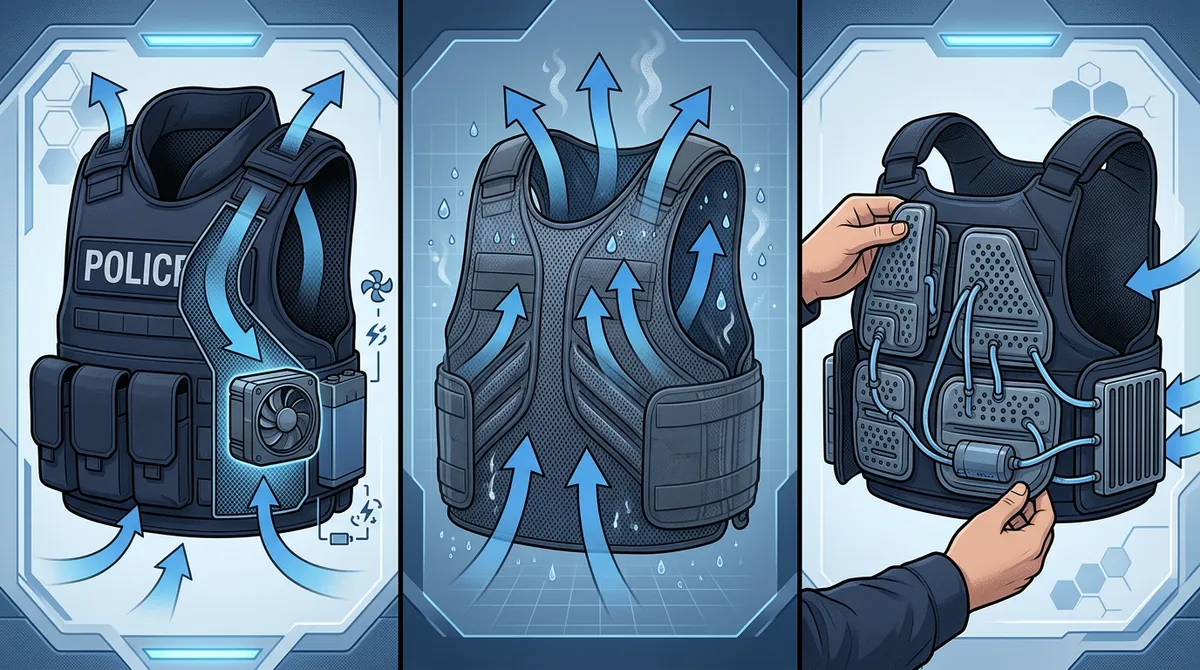
There are several different approaches to cooling the space under body armor. Some use 3D mesh materials. Others use fans to actively push air. A few rely on evaporative cooling. Here’s a breakdown of the main technologies on the market today.
| Technology Type | How It Works | Best For | Key Benefit |
|---|---|---|---|
| 3D Mesh Vests | Creates a physical gap between armor and body | All-day passive cooling | Lightweight, no power needed |
| Fan-Driven Systems | Active fans circulate air under the vest | High-heat environments | Consistent, adjustable airflow |
| Evaporative Cooling Panels | Draws cool air in, pushes hot/humid air out | Dry climate operations | AC-like cooling effect |
| Inflatable Air Gap Vests | Inflates to lift armor off the body | On-demand cooling | Adjustable, low-profile design |
| Phase-Change Materials (PCMs) | Absorbs heat as material changes state | Short bursts of intense activity | No power, long-lasting effect |
Best Body Armor Ventilation Products to Know
Let’s look at some of the leading products currently available. Each serves a slightly different purpose, so the right one depends on your situation and the type of gear you wear.
1. BluHalo Ventilation Vest
The BluHalo ventilation vest was created by a Chicago police officer who understood the daily struggle firsthand. It weighs under 7 ounces and sits flat against your body when deflated. When you need cooling, inflate it and it lifts your vest up to 1.5 inches off your body, creating a cooling air gap that works immediately.
It’s made from double-layer, high-strength polyethylene and attaches to your vest with Velcro. The on-demand design means you can deflate it quickly when you don’t need it, keeping a low profile in the field. At $60, it’s one of the most affordable and effective passive cooling options available. Officers who’ve used it during 12-hour shifts in 95-degree weather report serious comfort improvements. You can check it out at the BluHalo shop.
2. Blufano Active Fan System
For those who want active, consistent airflow, the Blufano fan system is a game-changer. It features a patented air-redirect spout that slides under any style of body armor. A control knob lets you adjust the fan speed to suit your environment. Battery life ranges from 8 to 32 hours depending on the setting, making it ideal for long shifts and extended operations.
Blufano includes a built-in 10,000mAh power bank that powers the fan and can also charge USB devices. There’s even a forward-facing light for hands-free use in low-light situations. Users report faster cooling, reduced sweat, and better focus. If you want next-level comfort under your vest, Blufano delivers. You can bundle the BluHalo vest and Blufano fan together at a discount to maximize your cooling performance.
3. Maxx-Dri Vest by 221B Tactical
Invented in 2014, the Maxx-Dri Vest is one of the most widely used body armor ventilation solutions on the market. It’s served over 350,000 police, military, and security personnel. The latest version (4.0) weighs just 9 ounces and provides 360-degree airflow using an ultra-lightweight 3D material layer worn directly under armor. It’s priced at $129.
4. Body Armor Vent EVAP Technology
Body Armor Vent uses patent-pending panels like the I.C.E. and B-24 to draw in cool air and push out hot, humid air through the natural movement of breathing. It mimics how evaporative (swamp) coolers work, making it a solid choice for drier environments. You can learn more about heat stress prevention through Body Armor Standards from the National Institute of Justice.
5. IceVents Classic Ventilation Pontoons
Made by Qore Performance, IceVents are among the lightest options available. The SKD Tactical version weighs just 1.4 ounces. These pontoon-style separators slide between your body and armor panels, creating an invisible air gap. They also feature anti-microbial properties, which helps reduce odor and bacteria during long-wear situations.
Comparing the Top Options Side by Side
Choosing the right ventilation system comes down to weight, airflow type, power source, and price. Here’s a quick comparison to help you decide.
| Product | Weight | Airflow Type | Battery Required | Price |
|---|---|---|---|---|
| BluHalo Ventilation Vest | <7 oz | Passive (inflatable gap) | No | $60 |
| Blufano Fan System | Compact | Active (fan-driven) | Built-in 10,000mAh | Available in shop |
| Maxx-Dri Vest 4.0 | 9 oz | Passive (3D mesh) | No | $129 |
| Body Armor Vent EVAP | Lightweight panels | Passive (evaporative) | No | Varies |
| IceVents Classic | 1.4 oz | Passive (pontoon gap) | No | Varies |
What to Look for When Choosing a Ventilation System
Not every ventilation solution works for every situation. Here are the most important factors to consider before making your choice.
- Weight and profile: A good ventilation system should add as little bulk and weight as possible. If it’s too bulky, it gets in the way. Look for options under 10 ounces for passive systems.
- Active vs. passive cooling: Passive systems like mesh vests and air gaps work without power. Active systems like fans use a battery but deliver stronger, more consistent airflow. Choose based on your shift length and environment.
- Compatibility with your gear: Make sure the system works with your specific body armor carrier. Some products work with plate carriers, others with soft armor vests. Always check before buying.
- Ease of use: If a system is hard to put on, adjust, or remove, you won’t use it consistently. Look for simple attachment methods like Velcro or a slide-in spout design.
- Durability: You need something built for daily duty use. Look for materials designed to handle sweat, heat, and daily wear without breaking down quickly.
Benefits of Using Body Armor Ventilation Every Day
Wearing a ventilation system under your armor isn’t just about staying comfortable. The benefits go deeper than that. Here’s what you can expect when you make ventilation part of your daily gear setup.
- Lower core temperature: Advanced cooling technologies can reduce core body temperature by up to 30%, improving endurance and performance throughout long shifts.
- Fewer skin rashes: Heat and trapped sweat are the main causes of rashes from body armor. Proper airflow dramatically reduces this problem.
- Better focus and alertness: When your body isn’t fighting heat stress, your mind stays sharper. You make better decisions and react faster in the field.
- Reduced fatigue: Heat exhaustion builds slowly. Good ventilation keeps fatigue at bay, helping you finish your shift strong.
- Works in cold weather too: Many ventilation systems help regulate temperature year-round, not just in summer. Trapped moisture in cold weather can lead to hypothermia, and proper airflow prevents that.
If you’re curious about what other professionals think of these solutions, take a look at real user reviews from everyday heroes who wear body armor for a living.
Tips for Getting the Most Out of Your Ventilation Vest
Even the best body armor ventilation system works better when you use it the right way. Here are a few simple tips to maximize your comfort.
- Wear moisture-wicking fabric underneath: A good base layer pulls sweat away from your skin and works together with your ventilation vest to keep you dry.
- Stay hydrated: Ventilation helps, but it doesn’t replace hydration. Drink water consistently throughout your shift, especially in hot weather.
- Clean your vest regularly: Sweat and bacteria build up over time. Follow the care instructions for your specific product to keep it fresh and effective.
- Use active cooling when it matters most: If you have a fan-driven system like Blufano, save the higher fan settings for the hottest parts of your shift to extend battery life.
Many professionals in demanding environments, including those focused on physical wellness and performance at work, recommend pairing smart gear choices with a broader health routine. For example, Enhanced Aesthetics & Wellness highlights how managing heat and physical stress is key to long-term health for active professionals.
Are Ventilation Vests Worth It?
Short answer: absolutely yes. If you wear body armor for hours at a time, the physical toll of trapped heat and sweat is real. Ventilation vests and cooling systems are a small investment that pays off quickly in comfort, performance, and wellbeing. Whether you go with a simple inflatable vest like the BluHalo or a powered fan unit like Blufano, you’ll feel the difference from the very first shift.
You can watch product demonstrations and real-world usage videos on the BluHalo videos page to see how these systems work in action. And if you have questions about which option is right for your specific gear or situation, the BluHalo team is ready to help.
Conclusion
The best body armor ventilation solution is the one that fits your role, your gear, and your environment. For a lightweight, on-demand passive option, the BluHalo vest is hard to beat at just $60. For active, fan-driven airflow during long and intense shifts, the Blufano is the top choice. Both are designed by and for the professionals who need them most. Don’t let heat and sweat hold you back from doing your job at your best. Reach out to the BluHalo team today to find the right cooling solution for your setup and start your next shift feeling better from the first minute to the last.
FAQs
Q: What is the best ventilation vest for body armor in hot weather?
A: For hot weather, you really can’t go wrong with the BluHalo ventilation vest for on-demand passive cooling, or the Blufano fan system for active airflow during intense shifts. Both are designed specifically for professionals who wear body armor all day in high temperatures, and many users report feeling significantly cooler from the very first use!
Q: Do ventilation vests work in cold weather too?
A: Yes, they absolutely do! Ventilation vests aren’t just for summer heat. In cold weather, trapped moisture under your body armor can actually lead to hypothermia, so keeping airflow moving is just as important. Many ventilation systems help regulate temperature year-round by preventing moisture buildup regardless of the season.
Q: How do I prevent rashes from wearing body armor all day?
A: Rashes from body armor are usually caused by heat and trapped sweat sitting against your skin for hours. The best fix is to use a ventilation vest that creates an air gap between your armor and your body, allowing moisture to escape. Pairing a ventilation vest with a moisture-wicking base layer works even better for keeping your skin dry and comfortable throughout your shift.
Q: How long does the Blufano fan system battery last?
A: The Blufano fan system includes a built-in 10,000mAh power bank that can run the fan for anywhere between 8 and 32 hours depending on which speed setting you use. Lower settings stretch the battery much longer, so you can easily customize it to match your shift length and the heat level you’re dealing with that day.
Q: Can ventilation vests fit under any type of body armor?
A: Most ventilation vests and systems are designed to be compatible with a wide range of body armor styles, including soft armor carriers and plate carriers. The BluHalo vest attaches with Velcro and lifts your armor up to 1.5 inches, while the Blufano fan slides under any style of carrier with its patented spout design. It’s always a good idea to check product specs against your specific gear before purchasing!