Key Takeaways
-
Body armor vent ICE uses passive EVAP technology with vertical air channels and horizontal vent holes to guide hot air upward while drawing cooler air in from below, requiring no batteries or moving parts for continuous evaporative cooling.
-
ICE retrofit panels are compatible with most standard body armor setups in multiple sizes and can reduce heat-related discomfort, rashes, and odor buildup during 8-12 hour shifts without adding significant bulk to your gear.
-
For maximum cooling, BluHalo inflation-based vests (under 7 oz, $60) create a 1.5-inch air gap, while BluFano active fan systems offer 8-32 hours of battery-powered airflow with built-in USB charging for all-day duty performance.
-
Proper vest fit, moisture-wicking base layers, regular hydration, and checking ventilation panels for debris blockage are essential practices to maximize airflow effectiveness and prevent heat-related illness.
-
ICE panels work year-round with a lifetime guarantee against delamination, while B-24 custom panels offer greater flexibility for tactical teams with non-standard plate carrier setups.
-
Patrol officers, military personnel, security professionals, and emergency responders experience the biggest comfort improvements from body armor ventilation systems, particularly during high-temperature operations or extended 12+ hour shifts.
Wearing body armor on a hot day feels like carrying a portable oven strapped to your chest. If you work in law enforcement, military, or security, you know exactly what we mean. The heat builds up fast, sweat soaks through your uniform, and by midday you’re fighting discomfort instead of focusing on the job. That’s where body armor vent ICE technology steps in to change the game.
Ventilation systems designed for body armor have come a long way in 2026. Whether you’re walking a beat in summer heat or running a tactical operation, the right airflow solution can make a massive difference in your comfort, focus, and performance. In this article, we’ll break down how body armor vent ICE works, what makes it effective, and what other cooling options are out there for professionals like you.

What Is Body Armor Vent ICE Technology?
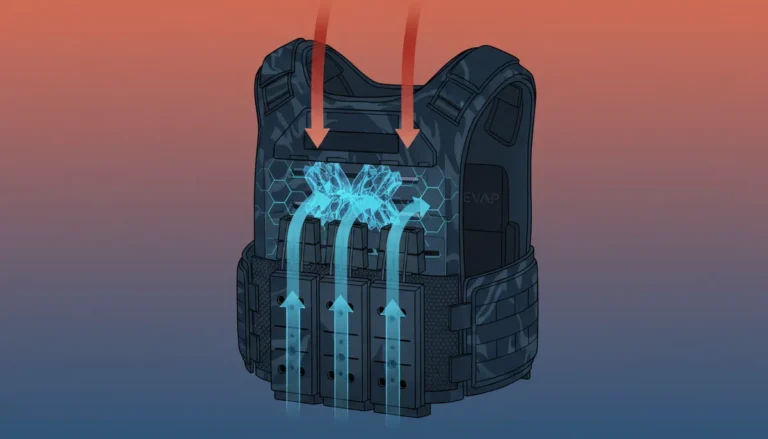
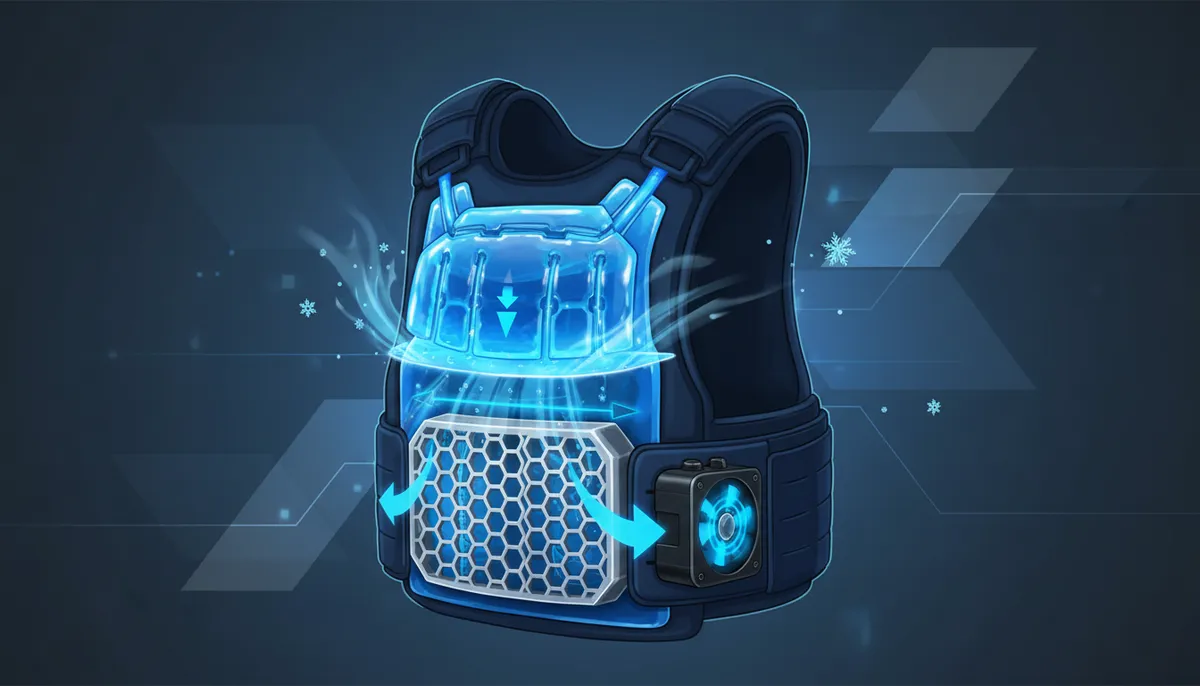
Body armor vent ICE refers to a retrofit ventilation system designed to fit inside or behind your existing body armor. The goal is simple: get air moving between your body and your vest so heat and sweat don’t get trapped against your skin. The ICE (short for Integrated Cooling Element) concept uses specially designed foam panels with vertical air channels and horizontal vent holes to create continuous airflow.
The science behind it is pretty clever. Hot air naturally rises. The panels take advantage of this by guiding that rising hot air upward and out, while drawing cooler air in from below. Your own breathing helps drive this process too. It’s like a passive air conditioning system that works without batteries or extra equipment. According to Body Armor Standards research, heat management under protective gear is one of the most critical comfort factors for officers in the field.

How Does the EVAP Technology Actually Work?
The EVAP (Evaporative) technology inside ICE panels mimics how your body naturally cools itself. When sweat evaporates, it carries heat away from your skin. The problem with body armor is that it blocks this process completely. EVAP technology solves that by creating pathways for air to move over the moisture on your skin, speeding up evaporation and lowering your body temperature.
Here’s how the process works step by step:
- Your body generates heat during activity, causing sweat to build up under your armor.
- The vertical air channels in the ICE panels guide hot, humid air upward and away from your torso.
- Cooler, drier air is drawn in through the bottom of the vest to replace it.
- Horizontal vent holes allow sweat to evaporate quickly instead of pooling against your skin.
- The cycle repeats continuously, keeping your core temperature lower throughout your shift.
This passive system requires no power source, no batteries, and no moving parts in the base GEN II design. It’s a reliable, low-maintenance solution for everyday duty use. The OSHA Heat Stress Guide highlights how reducing core body temperature is essential for preventing heat-related illness in workers who wear protective gear.
Key Features of ICE Retrofit Panels
ICE retrofit kits are designed to work with most standard body armor setups. Here’s a quick look at what they typically offer:
- Compatible with concealable vests and plate carriers
- Available in multiple sizes including small, medium, and large
- Lightweight design that doesn’t add significant bulk
- No moving parts in the GEN II version for maximum reliability
- Lifetime guarantee against delamination
- Reduces rashes, odor, and skin irritation caused by sweat stagnation
- Works in both summer and winter conditions
The custom build-your-own kit options are a great bonus. You can mix panel sizes using adhesive hook tape to get a perfect fit for your specific vest setup. This kind of flexibility matters when you’re relying on your gear every single day.
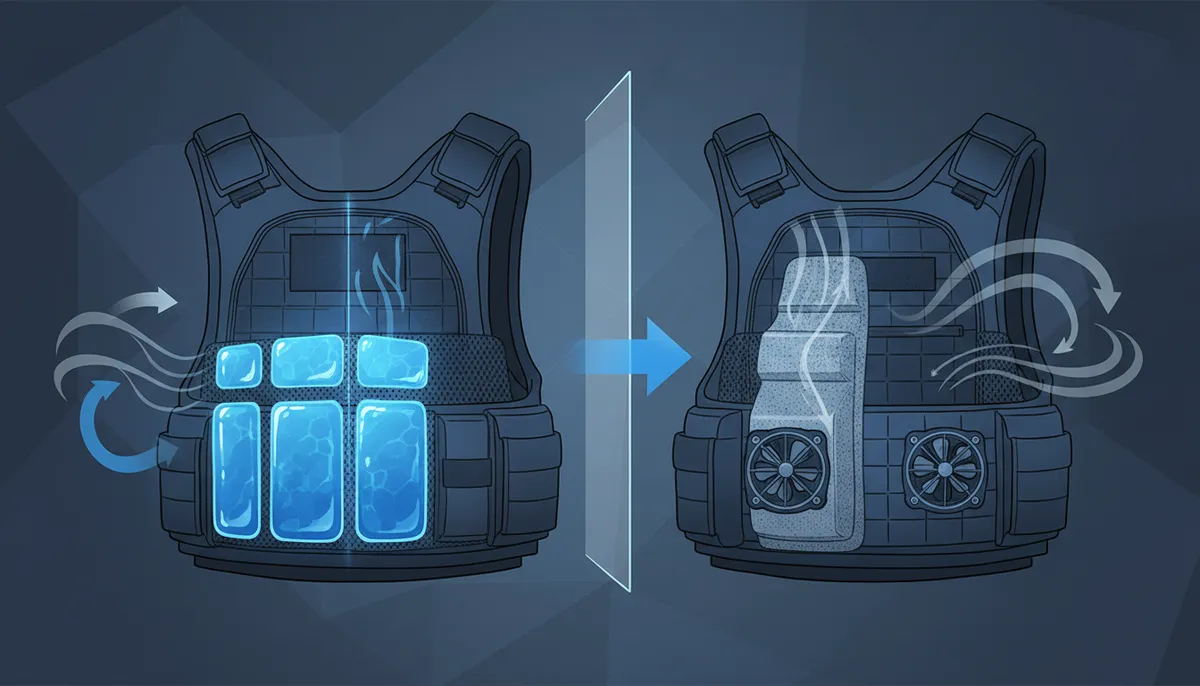
ICE Panels vs. Other Ventilation Options: A Comparison
Let’s look at how ICE retrofit panels stack up against other body armor ventilation solutions available in 2026:
| Feature | ICE Retrofit Panels | Active Fan Systems | Inflation-Based Vests |
|---|---|---|---|
| Power Required | None (passive) | Battery powered | Manual pump |
| Moving Parts | No | Yes (fan) | No |
| Cooling Method | Evaporative airflow | Forced air circulation | Air gap creation |
| Installation | Retrofit into existing vest | Slides under armor | Velcro attachment |
| Year-Round Use | Yes | Yes | Yes |
| Maintenance | Very low | Moderate | Low |
Each option has its strengths. Passive systems like ICE panels are great for officers who want a set-it-and-forget-it solution. Active fan systems deliver more powerful cooling on demand, especially in extreme heat. You can explore both approaches by visiting the ventilation vest shop to see what’s available for your specific needs.
ICE vs. B-24 Panels: What’s the Difference?
If you’ve been researching body armor vent ICE solutions, you’ve probably also come across B-24 panels. Both are designed for the same purpose, but they have some differences worth knowing about.
| Specification | ICE Panels | B-24 Panels |
|---|---|---|
| Best For | Standard concealable vests | Custom and mixed configurations |
| Sizing Options | Small, medium, large + more | Mix-and-match custom sizes |
| Attachment | Standard fit | Adhesive hook tape |
| Flexibility | High | Very high |
| Ideal User | Officers with standard vests | Tactical/SWAT with custom setups |
The B-24 panels are great for tactical teams and SWAT operators who run non-standard plate carrier setups. The build-your-own approach means you can dial in the exact coverage you need. For most patrol officers, standard ICE panels in the right size will do the job perfectly well.
Who Benefits Most from Body Armor Vent ICE?
Honestly, anyone who wears body armor for extended periods can benefit. But here are the professionals who will feel the biggest difference:
- Patrol officers on 8 to 12-hour shifts in summer heat
- Military personnel operating in high-temperature environments
- Security professionals working outdoor posts or high-traffic venues
- SWAT and tactical teams who wear heavier armor during operations
- Emergency responders dealing with extreme heat alongside protective gear
The reduction in sweat stagnation also means fewer skin rashes and less odor buildup over time. That’s a quality-of-life improvement that every officer appreciates, especially during long, grueling shifts. You can read real reviews from professionals who have already made the switch to better ventilation under their armor.
How BluHalo Takes Ventilation Even Further
Passive ventilation panels like the ICE system are a solid foundation. But if you want next-level cooling, active ventilation solutions take things up a notch. That’s where BluHalo comes in. Designed by a Chicago police officer who personally experienced the misery of overheating on duty, the BluHalo vest is a lightweight inflation-based system that weighs under 7 ounces.
When inflated, it lifts your vest up to 1.5 inches off your body, creating a cooling air gap that lets heat and moisture escape freely. It’s deflated in seconds with a button press, so it stays low-profile when you don’t need the extra airflow. Officers who’ve used it during 12-hour shifts in 95-degree weather report significant comfort improvements. At just $60, it’s an affordable way to dramatically change how your shift feels from start to finish.
The BluFano Fan System for Active Cooling
For professionals who want powered airflow, BluFano offers an impressive upgrade. This active fan system slides under any style of body armor and delivers adjustable fan-driven airflow for 8 to 32 hours depending on your setting. It uses a patented air-redirect spout to channel fresh air exactly where you need it.
The built-in 10,000mAh power bank does double duty by powering the fan and charging your USB devices. There’s even a forward-facing light for hands-free illumination in low-light situations. It’s a smart, all-in-one solution for officers who want consistent, reliable cooling throughout their entire shift.
Here’s a quick side-by-side of both BluHalo products:
| Feature | BluHalo Vest | BluFano Fan System |
|---|---|---|
| Cooling Type | Passive inflation air gap | Active fan-driven airflow |
| Weight | Under 7 oz | Compact unit |
| Battery | None needed | 10,000mAh built-in |
| Run Time | On demand | 8–32 hours |
| Extra Features | Velcro attachment, low profile | USB charging, forward light |
| Best For | Flexible on-demand cooling | All-day continuous cooling |
You can bundle both products together at a discount for maximum cooling performance. Visit the BluHalo homepage to learn more about combining these solutions for the ultimate comfort upgrade under your armor. You can also check out product videos to see how both systems work in real-world conditions before making a decision.
Tips for Getting the Most Out of Your Ventilation System
No matter which ventilation approach you choose, here are some practical tips to maximize your comfort on duty:
- Make sure your vest fits properly. A vest that’s too tight restricts airflow no matter what ventilation system you use.
- Wear moisture-wicking base layers under your ventilation system to help sweat move away from your skin faster.
- Stay hydrated throughout your shift. Ventilation helps with evaporative cooling, but your body still needs water to produce sweat effectively.
- Check your ventilation panels regularly for dirt or debris that could block airflow channels.
- Consider using your vehicle’s air conditioning strategically during breaks to help your ventilation system reset and cool you down faster.
These small habits make a big difference, especially during summer months when temperatures push into triple digits. If you’re unsure which setup is right for your specific armor or duty situation, don’t hesitate to reach out to the team for personalized guidance. They know their gear inside and out and are happy to help you find the perfect fit.
Conclusion: Stay Cool, Stay Sharp
Body armor vent ICE technology represents a real step forward in keeping professionals comfortable and safe during demanding shifts. The passive EVAP system works beautifully for everyday use, reducing sweat, rashes, and heat buildup without any extra equipment or batteries. For those who want even more cooling power, active solutions like BluHalo and BluFano take ventilation to the next level.
You work hard every day to protect others. You deserve to be comfortable doing it. The right ventilation solution won’t just make your shift more bearable — it’ll help you stay focused, sharp, and ready for whatever comes your way. Learn more about your options and find the right fit by visiting the BluHalo About Us page, or go ahead and get in touch with our team to start your journey toward a cooler, more comfortable duty day.
FAQs
Q: What is a body armor vent ICE retrofit kit?
A: A body armor vent ICE retrofit kit is a set of ventilation panels that fit inside or behind your existing body armor. They use foam-filled vertical air channels and horizontal vent holes to create continuous airflow, reducing heat and sweat buildup under your vest — no batteries or power needed!
Q: How does EVAP technology work in ventilation panels?
A: EVAP technology works by mimicking your body’s natural cooling process. The panels guide hot, humid air upward and out of your vest while drawing cooler air in from below. This speeds up sweat evaporation and helps keep your core temperature lower throughout your shift.
Q: Do body armor vent ICE panels fit plate carriers?
A: Yes! ICE panels are designed to be compatible with both concealable vests and plate carriers. They come in multiple sizes including small, medium, and large, and custom build-your-own options let you mix panel sizes for a perfect fit on any armor setup.
Q: How do ventilation panels help reduce rashes under body armor?
A: Rashes under body armor are usually caused by sweat sitting against your skin for long periods. Ventilation panels like ICE keep air moving through the vest, which speeds up evaporation and prevents sweat from pooling. Less moisture against your skin means far fewer rashes and skin irritations over time.
Q: What is the difference between passive ventilation panels and active fan systems?
A: Passive panels like ICE rely on natural airflow driven by rising heat and your breathing — no power required. Active fan systems like BluFano use battery-powered fans to force fresh air under your armor continuously for 8 to 32 hours. Both are effective, but active systems provide stronger, more consistent cooling in extreme heat conditions.