Key Takeaways
-
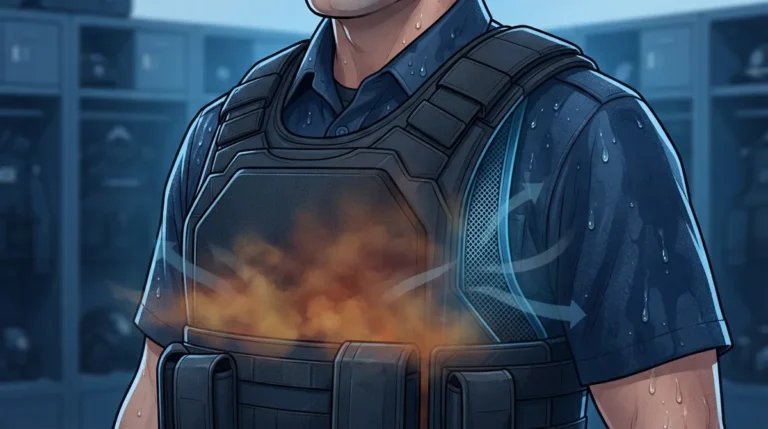
Sweat only cools you when it evaporates, and a protective vest blocks airflow, so sweat stays on your skin and moisture builds up.
-
A warm, humid microclimate forms between your body and the vest, making new sweat even harder to evaporate during a long shift.
-
Layers such as undershirts, uniform shirts, carriers, and belts each slow water vapor, so moisture has a long path out.
-
Wicking shirts move sweat across fabric but do not remove it from the whole clothing system, so a vest can still feel damp.
-
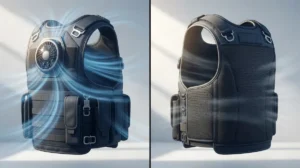
Ventilation products that create air gaps or move air under the armor help sweat evaporate, but they work best alongside hydration and rest breaks.
-
Never cut holes in body armor to improve cooling, since this can compromise protection; choose fit and airflow solutions instead.
If you wear a protective vest for a living, you already know the feeling. An hour into your shift, your shirt is damp, your back is soaked, and that vest feels like a warm, wet hug you never asked for. It is not just you. Why moisture builds up under protective vests is one of the most common questions we hear from officers, soldiers, guards, and first responders.
The good news? Once you understand what is going on, you can fix a lot of it. In this guide, we will walk through 15 clear reasons your vest turns into a sweat trap. We will also share simple ways to get relief. Think of it as a friendly chat between people who have all been there. Grab some water, and let’s dig in.
The Quick Answer: Sweat Cannot Escape Fast Enough
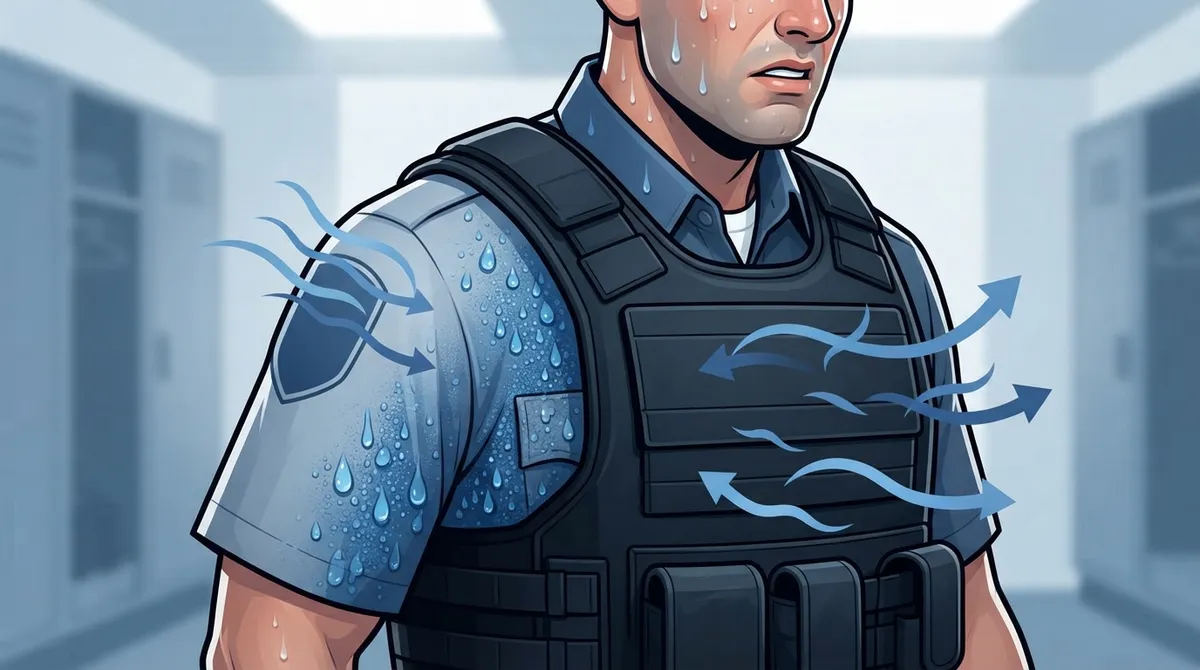
Here is the short version. Your body makes sweat to cool you down. Sweat only cools you when it evaporates. A protective vest covers a large part of your torso and blocks airflow. So sweat stays put, and moisture builds up.
The OSHA Heat Stress Guide lists humidity, hard work, and clothing that does not let air or water vapor pass through as common heat stress factors. NIOSH adds that PPE can hold excess heat and moisture against the body. A vest checks several of those boxes at once.
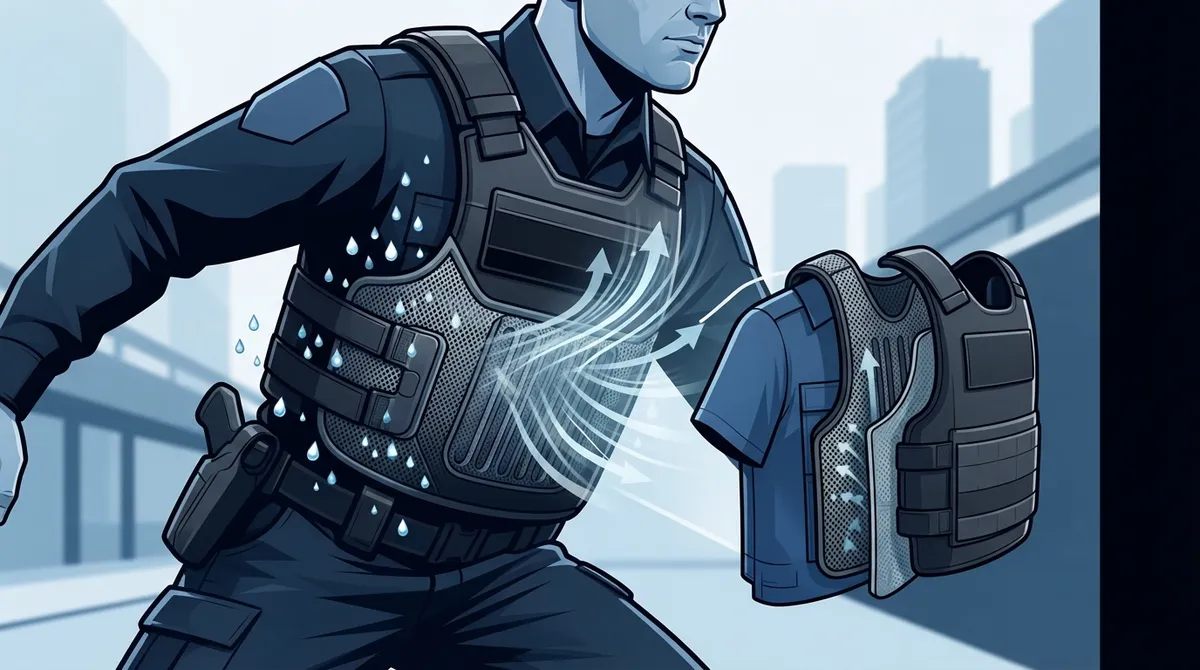
15 Reasons Moisture Builds Up Under Protective Vests
1. Evaporation Gets Blocked
Evaporation is your body’s built-in air conditioner. When a vest sits tight against your shirt, there is almost no room for air to pull sweat off your skin. The sweat just sits there, and you keep making more.
2. A Warm, Humid Microclimate Forms
Between your body and the vest, a small pocket of warm, humid air forms. Safety experts call this a microclimate. Once it fills with moisture, new sweat has even less chance to evaporate. It is like standing in a steamy bathroom, but you are working a 12-hour shift.
3. A Close Fit Limits Air Exchange
Good armor should fit snugly. That is how it protects you best. But a snug fit also means very little fresh air gets underneath. Fit matters for safety, so the answer is not a looser vest. The answer is better airflow under the vest.
4. Layers Stack Up
Think about what you wear: an undershirt, a uniform shirt, the vest, a carrier, maybe a duty belt or load-bearing rig. Each layer slows down water vapor. Add them together, and moisture has a long trip to get out.
5. Dense Materials Are Not Very Breathable
Protective materials are built to stop threats, not to breathe. Many panels and covers have low water-vapor transfer. That is a trade-off of the job, and it is why extra ventilation helps so much.
6. Physical Effort Cranks Up Your Heat
Foot pursuits, training drills, carrying gear, or climbing stairs all raise your metabolic heat. More heat means more sweat. Heavy armor also makes every move cost a little more energy, which adds to the load.
7. Hot Air Temperatures
When the air around you is hot, your body struggles to dump heat. Add direct sun on a dark vest, and the surface gets even warmer. Your body responds the only way it knows how: more sweat.
8. High Humidity Slows Evaporation
Humid air is already full of water. Your sweat has nowhere to go. On a sticky summer day, you can sweat a lot and still feel no cooling, because the moisture just stays on your skin.
9. Low Wind and Still Air
Standing at a traffic stop, guarding a doorway, or sitting in a patrol car without strong AC all mean little air movement. Moving air helps pull moisture away. Still air lets it linger.
10. Wicking Does Not Mean Removing
Many people wear a moisture-wicking shirt and think the problem is solved. Wicking moves sweat across the fabric, but it does not remove it from the whole clothing system. If the vest and outer layers cannot release that moisture, it just collects. That is why a vest can feel damp even when you wear great base layers.
11. Trapped Heat Makes You Sweat More
Heat and moisture feed each other. Trapped heat tells your body to sweat. More sweat adds more humidity. More humidity makes it harder to cool off. It is a loop, and it keeps going until something breaks it.
12. Limited Openings and Vent Paths
Many vests have few places for air to enter or leave. Without clear channels, warm air stays trapped under the panels. This is exactly the gap that purpose-built ventilation products are meant to fill. For a deeper look at how trapped heat forms, see why body armor traps heat.
13. Long Shifts Add Up
A short wear time might feel fine. But over 8, 10, or 12 hours, the moisture keeps building. By the end of a long shift, your layers can be soaked through, which can lead to fatigue, chafing, and distraction.
14. Poor Hydration and Fatigue
When you are tired or low on water, your body does not manage heat as well. That makes you feel hotter and more drained. Staying hydrated will not stop sweat, but it helps your body keep up with it.
15. Dirty or Old Gear Holds Moisture
Sweat, salt, and bacteria can build up in vest carriers and pads. Over time, that makes the gear heavier, slower to dry, and sometimes smelly. If that sounds familiar, our tips on stopping body armor from smelling like sweat can help.
What Makes Moisture Worse? A Quick Comparison
Not every shift is the same. This table shows how different conditions change what happens under your vest.
| Condition | What Happens Under the Vest | Moisture Risk |
|---|---|---|
| Hot and humid | Sweat cannot evaporate, and heat stays trapped | Very high |
| Hot and dry | Sweat evaporates, but fast sweating can still soak layers | Moderate to high |
| Mild and humid | Slow evaporation leaves skin damp | Moderate |
| Cool and still | Less sweat, but little airflow behind the vest | Low to moderate |
| Heavy exertion in any weather | Metabolic heat spikes and sweat output rises | High |
Who Feels This the Most?
Moisture under armor does not pick favorites, but some jobs feel it more than others:
- Patrol officers: Long hours in cars, then sudden bursts of activity on foot.
- Military personnel: Heavy plate carriers, packs, and hot environments for extended missions.
- Security professionals: Standing posts for hours with little air movement.
- Tactical and SWAT teams: Heavy armor and high-intensity entries that spike body heat fast.
- Emergency responders: Layered gear in hot, stressful, high-exertion settings.
If that sounds like you, our guide on why police officers struggle with heat under body armor goes even deeper.
Why Moisture Is More Than Just Uncomfortable
Damp gear is annoying, but it can also affect how you do your job. According to NIOSH, PPE that holds heat and moisture can raise the risk of heat-related illness. Here is what trapped moisture can lead to:
- Faster fatigue: Your body works harder to cool itself.
- Distraction: It is hard to stay sharp when you feel soaked and overheated.
- Skin problems: Constant dampness can cause chafing and heat rash.
- Heat stress: When heat cannot escape, risk goes up. Learn more in our post on how to prevent heat stress while wearing body armor.
How to Cut Down on Moisture Under Your Vest
You cannot remove your vest, but you can make small changes that add up. Here is a simple plan:
- Pick a good base layer. Choose a lightweight, moisture-wicking shirt. It will not solve everything, but it helps move sweat off your skin.
- Check your fit. Make sure your vest sits correctly and is not sliding or bunching. Proper fit helps both safety and comfort.
- Keep gear clean and dry. Let your carrier and pads air out after each shift. Dry gear stays fresher and performs better.
- Hydrate early. Drink water before you feel thirsty, not after.
- Take cooling breaks. When you can, step into shade or AC and let air reach your torso.
- Add active ventilation. Moving air under the vest is the biggest game changer, and it is where purpose-built products shine.
Want more ideas? Our roundup of 8 proven ways to reduce sweating under a bulletproof vest is packed with practical tips.
How Ventilation Vests Help (and What They Cannot Do)
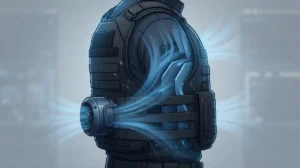
Ventilation products work by improving air movement under your armor. That helps pull heat and moisture away from your body so sweat can evaporate. They use features like air gaps, channels, spacers, or fans. Results depend on the design, how it fits with your other gear, and the weather around you.
To be honest and clear, ventilation is not magic. In very humid air, sweat evaporates more slowly. When the air is hotter than your skin, airflow may not cool you much. Ventilation should work alongside hydration, rest breaks, and smart heat-safety habits, not replace them.
That said, many wearers notice a real difference in comfort. If you want a primer, check out what vest ventilation is and why you need it.
BluHalo: Cooling on Demand
The BluHalo ventilation vest was created by a Chicago police officer who got tired of overheating on shift. It weighs under 7 ounces and lies flat when deflated. When you need relief, you inflate it with a small pump, and it lifts your vest up to about 1.5 inches off your body. That gap creates room for air to move and heat to escape. When you are done, a button deflates it fast. It attaches to a clean vest with Velcro and is built from durable double-layer, high-strength polyethylene.
Blufano: Active Airflow Under Armor
If you want fan-powered relief, Blufano is a self-contained fan system with an air-redirect spout that slides under any style of body armor. It offers adjustable airflow for 8 to 32 hours depending on the setting. A built-in 10,000mAh power bank runs the fan and can charge USB devices, and a forward-facing light helps in low-light situations. Used together, BluHalo creates the air gap and Blufano keeps fresh air moving through it. You can also compare them in BluFano vs BluHalo: which vest cooling system is better.
| Solution | How It Helps | Best For |
|---|---|---|
| BluHalo | Lifts the vest to create an air gap, on demand | Quick relief, low-profile wear |
| Blufano | Fan-driven airflow with built-in power bank and light | Long shifts and continuous cooling |
| BluHalo + Blufano bundle | Air gap plus active airflow together | Maximum cooling under heavy gear |
Mistakes That Keep Your Vest Soggy
- Relying on a wicking shirt alone and expecting a dry vest.
- Putting a damp vest on again without letting it air out.
- Skipping hydration until you feel dizzy or very thirsty.
- Cutting holes in armor. This can hurt protection, so skip it. Here is why in does cutting holes in body armor actually help with cooling.
- Ignoring early signs of heat stress like headache, dizziness, or heavy fatigue.
A Note on Staying Well
Comfort matters, and so does your whole-body health. Long shifts in heavy gear can take a toll beyond heat and sweat, from tight muscles to jaw clenching under stress. If you are looking to recharge off duty, resources like West Florida Therapy can be a helpful part of a well-rounded wellness routine. And if you are keeping your whole family healthy, even a trusted provider like Brockway Orthodontics can help your loved ones smile with confidence while you focus on the job.
For standards and safety background on armor itself, the National Institute of Justice shares helpful details on body armor standards.
The Bottom Line
Moisture builds up under protective vests because sweat cannot evaporate, air cannot move, and heat has nowhere to go. Add exertion, humidity, and layers, and you get a damp, tiring shift. The fix is a mix of smart habits and better airflow.
You do not have to just tough it out. If you are ready to feel cooler, drier, and more focused on duty, get in touch with our team and we will help you find the right BluHalo or Blufano setup for your gear. You have enough to worry about on shift. Your vest should not be one of them.
FAQs
Q: Why do I sweat so much under a protective vest?
A: Your vest blocks airflow, so sweat cannot evaporate the way it normally would. Your body keeps making more sweat to cool down, and the moisture just builds up. Heat, humidity, hard work, and extra layers make it even worse.
Q: Does a moisture-wicking shirt stop sweat buildup under a vest?
A: It helps, but it is not a full fix. Wicking moves sweat across the fabric, but it does not remove it from your whole clothing system. If your vest and outer layers cannot release moisture, you can still end up damp.
Q: Do ventilation vests keep you dry or just improve airflow?
A: Ventilation products improve airflow so heat and moisture can escape more easily, which helps sweat evaporate. They do not guarantee a perfectly dry shirt, especially in very humid weather. They work best alongside good hydration and smart rest habits.
Q: How can I reduce moisture buildup under body armor?
A: Start with a good base layer, keep your gear clean and dry, hydrate early, and take cooling breaks when you can. Then add active airflow, like a BluHalo air gap or a Blufano fan system, to move heat and moisture away from your body.
Q: Can a protective vest cause heat stress?
A: It can contribute to it. OSHA and NIOSH both note that PPE and clothing that block normal heat loss can raise heat stress risk. Pair ventilation with water, rest breaks, and awareness of early warning signs like dizziness or heavy fatigue.