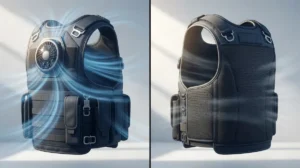
Key Takeaways
-
Singapore Police Force trial showed cooling vests reduce lower-back skin temperature by 1.86°C, with officers reporting better comfort and lower perceived exertion during extended shifts in heat.
-
Heat-related work injuries average 3,389 cases annually with 34 deaths per year across all industries, making cooling vests a practical safety tool for officers in high-heat duty assignments.
-
BluHalo inflatable vests weigh under 7 ounces and lift armor 1.5 inches off your body on-demand, while Blufano's fan system runs 8-32 hours per charge and includes a 10,000mAh power bank for radios or phones.
-
Always fit test cooling vests with your actual duty gear including plates, belt, radio, and medical kit to prevent armor shifting—store trials may feel different once fully equipped.
-
Cooling vests work best combined with hydration, rest breaks, and heat-safety protocols rather than as standalone solutions; they're most effective during long traffic control, crowd management, and extended foot patrols.
-
Choose between passive mesh systems for routine patrol or active fan systems for extended tactical operations, with many agencies using both types depending on shift demands and environmental conditions.
Picture a 12-hour patrol shift in the middle of a summer heat wave. Your body armor is doing its job, but it’s also trapping heat and moisture against your skin like a sauna you can’t escape. If you’ve ever finished a shift with a soaked undershirt and a pounding headache, you already know why a cooling vest for police officers has become one of the most talked-about pieces of duty gear in 2026. The good news? You don’t have to just tough it out anymore.
A cooling vest for police officers isn’t about replacing your armor or skipping safety gear. It’s about giving your body a fighting chance against heat buildup while you keep doing your job safely. Whether you’re on foot patrol, directing traffic, or standing post at a crowd-control event, the right ventilation vest can be the difference between feeling sluggish and staying sharp. Let’s walk through exactly how these vests work, what to look for, and why so many officers are making the switch.

What Is a Cooling Vest for Police Officers, Really?
A cooling vest for police officers is a thin layer worn between your moisture-wicking undershirt and your body armor or duty vest. Think of it as a helper layer, not a replacement for anything you already wear. Its whole job is to create a little breathing room so air can move and sweat can evaporate.
This is different from ice packs, gel inserts, or liquid-cooling systems you might have seen before. Those add weight and need constant refreezing or refilling. A true ventilation vest, like the one detailed in What Is Vest Ventilation And Why Do You Need It, works by moving air, not by chilling your skin with cold packs. That means no soggy mess and no bulky ice inserts weighing down your rig.
Passive vs. Active Ventilation: What’s the Difference?
There are two main types of ventilation vests, and knowing the difference helps you pick the right one for your shift.
- Passive systems use mesh, channels, or spacer materials to create an air gap without any batteries or moving parts.
- Active systems use small, battery-powered fans to actively push air under your armor.
- Inflatable systems, like BluHalo, temporarily lift your vest away from your torso to open up extra space for airflow.
- Some agencies mix and match, using passive gear for routine patrol and active fans for extended tactical operations.
If you want a deeper breakdown of which style fits your daily routine, check out Passive vs. Active Cooling: Which Keeps You Cool in Body Armor? for a side-by-side comparison.

Why Heat Buildup Under Body Armor Is a Real Problem
Body armor and load-bearing gear are life-savers, but they’re not exactly breathable. All that protective material traps heat and blocks sweat from evaporating the way it normally would. Add a duty belt, radio, and magazines, and you’ve got a recipe for serious discomfort.
This isn’t just an annoyance. According to the OSHA Heat Stress Guide, heat exposure has contributed to more than 1,000 work-related deaths over a 30-year period, averaging about 34 deaths per year across all industries. Officers working long shifts, traffic control, or crowd management in the heat face real risks of fatigue, poor coordination, and slower decision-making.
Research summarized by George Washington University’s Milken Institute School of Public Health found that nearly 28,000 work injuries happen every year due to hot weather conditions. That’s a staggering number, and it’s a big reason why agencies are taking heat management more seriously.
What the Science Says About Cooling Vests
Here’s a stat that should catch your attention. The Singapore Police Force ran a controlled trial with 12 officers wearing a ventilated load-bearing vest in conditions of 30°C and 70% humidity. The result? A 1.86°C drop in lower-back skin temperature compared to standard gear, along with better comfort scores and lower perceived exertion.
That might not sound like a huge number, but for officers standing in full gear during a heat wave, every degree matters. It’s worth noting that skin-temperature improvements and comfort gains are not the same as proven core-temperature or heat-illness prevention. A cooling vest is a helpful tool, not a magic shield, and it works best alongside your department’s existing heat-safety practices.
| Metric | Data Point | Source |
|---|---|---|
| Lower-back skin temp reduction | 1.86°C | Singapore Police Force trial, 12 officers |
| Heat-related work deaths (1992-2022) | 1,042 total, ~34/year | BLS/OSHA data |
| Heat injuries with days away from work (2011-2020) | 33,890 total, ~3,389/year | BLS/OSHA data |
| Heat-related injuries in 2019 | 2,410+ serious cases, 43 deaths | U.S. Department of Labor/OSHA |
What to Look For in a Police Cooling Vest
Not every cooling vest fits every officer’s needs. Here’s what actually matters when you’re comparing options for daily duty use.
- Low weight and slim profile. You don’t want extra bulk fighting against your existing gear.
- Compatibility with your current armor. It should slide easily under plate carriers, load-bearing vests, or soft armor without changing the fit or coverage.
- Freedom of movement. Reaching for your radio, sidearm, or cuffs should feel just as natural as before.
- Easy cleaning and durability. Duty gear takes a beating, so the material needs to handle daily wear.
- Quiet operation. If you’re using an active fan system, it shouldn’t be a distraction during quiet moments on patrol.
- Secure battery placement. For fan-powered vests, the battery pack needs to stay put and not shift during movement.
For a more detailed checklist, our guide on How To Choose The Best Police Vest Ventilation System walks through fit testing with your actual duty belt, radio, and medical kit attached.
Fit Testing Matters More Than You Think
Here’s something a lot of officers overlook. A vest that feels great in the store might shift your armor’s positioning once you add your full duty rig. Always test with your actual gear, including your plates, belt, and communications equipment, before committing to a specific cooling vest.
The Body Armor Standards published by the National Institute of Justice remind us that proper armor fit and coverage are essential for protection. Any accessory you add underneath should never compromise that fit or shift your plates out of position.
BluHalo and Blufano: Two Standout Options for Officers
If you’re ready to try a cooling vest, two products stand out for law enforcement use: BluHalo and Blufano.
BluHalo was actually created by a Chicago police officer who got tired of overheating during long shifts. It weighs under 7 ounces and lies flat when deflated. When you need cooling, you inflate it with a small pump, and it lifts your vest up to 1.5 inches off your body to create an instant air gap. A quick button press deflates it again, so it stays low-profile when you don’t need it. Officers have reported major comfort improvements during brutal shifts, including 12-hour days in 95-degree heat.
Blufano takes a different approach with active, fan-driven airflow. It features a patented air-redirect spout that slides under any style of body armor and runs for 8 to 32 hours depending on your fan setting. It even includes a built-in 10,000mAh power bank that can charge your phone or radio, plus a forward-facing light for low-light situations. This makes it a favorite among officers who want continuous airflow through an entire long shift.
Many officers actually combine both products for maximum comfort, using BluHalo’s inflatable lift alongside Blufano’s constant airflow. You can browse both options and current bundle pricing in the Shop, or check real user experiences over on our Reviews page.
Comparing BluHalo and Blufano
| Feature | BluHalo | Blufano |
|---|---|---|
| Type | Inflatable lift system | Active fan-driven airflow |
| Weight | Under 7 ounces | Lightweight, self-contained unit |
| Runtime | On-demand, no battery drain concern | 8-32 hours depending on setting |
| Extra features | Flat profile when deflated | 10,000mAh power bank, built-in light |
| Best for | Quick cooling bursts, minimal bulk | Extended shifts needing constant airflow |
Cooling Vests Work Best as Part of a Bigger Heat-Safety Plan
Here’s the honest truth. A cooling vest is a fantastic tool, but it’s not a replacement for basic heat-safety habits. Officers still need water breaks, shaded rest areas, and proper acclimatization to hot weather.
Think of your cooling vest as one piece of a larger puzzle. Combine it with hydration, smart scheduling during extreme heat, and awareness of early heat-illness symptoms among your team. For more on building healthy on-duty habits, take a look at How To Prevent Heat Stress While Wearing Body Armor.
Year-Round Value: Not Just a Summer Tool
Here’s a bonus most officers don’t expect. That same air gap that releases heat in summer can offer a bit of insulation during cooler months. The benefit depends on your clothing layers, activity level, and local climate, but many officers keep their ventilation vest attached year-round for consistent comfort.
Common Situations Where Officers Benefit Most
Certain duty assignments create especially tough conditions for heat buildup. Here are the scenarios where a cooling vest tends to make the biggest difference.
- Long traffic control shifts standing in direct sunlight
- Crowd management at outdoor events during summer months
- Extended foot patrols in humid climates
- Tactical training exercises with full gear
- Vehicle checkpoints during peak afternoon heat
If your assignment regularly puts you in these situations, it might be time to explore our lineup of gear built specifically for Law Enforcement Heat Management Gear.
Ready to Stay Cooler on Your Next Shift?
You put in the hard work every single day, often in gear that wasn’t designed with comfort in mind. A cooling vest for police officers gives you a simple, practical way to fight back against heat and fatigue, without sacrificing protection or mobility. Whether you choose the inflatable comfort of BluHalo, the steady airflow of Blufano, or a combination of both, you’re investing in a cooler, more focused version of yourself on duty.
Have questions about which system fits your gear setup best? Reach out to our team today and let’s find the right cooling solution for your next shift.
FAQs
Q: What is the best cooling vest for police officers wearing body armor?
A: It really depends on your shift length and preference. BluHalo is fantastic for officers who want a lightweight, on-demand inflatable lift, while Blufano shines for longer shifts with its continuous fan-driven airflow. Many officers actually love pairing both for round-the-clock comfort.
Q: How does a police ventilation vest work under a bulletproof vest?
A: It sits between your undershirt and your armor, creating a small air gap so heat and sweat can move instead of getting trapped. Some use mesh or inflatable panels for passive airflow, while others add a quiet fan for active cooling.
Q: Do cooling vests reduce heat stress or only improve comfort?
A: Great question! Studies show cooling vests can lower skin temperature and improve comfort scores, like the 1.86°C reduction seen in a Singapore Police Force trial. That said, they work best alongside hydration, rest breaks, and other heat-safety practices, not as a standalone fix.
Q: Can officers wear a cooling vest with a plate carrier or load-bearing vest?
A: Absolutely, that’s exactly what these vests are designed for. Just make sure to test the fit with your full gear setup, including your duty belt and radio, to confirm nothing shifts or feels bulky.
Q: How long does a battery-powered police cooling vest run on one charge?
A: Blufano, for example, offers anywhere from 8 to 32 hours of airflow depending on your fan speed setting. That’s plenty of coverage for even the longest double shifts.