Key Takeaways
-
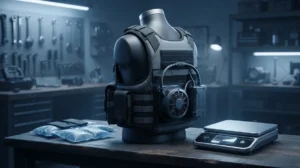
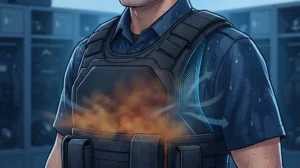
Overheating reduces reaction time and focus for first responders, making cooling gear a safety necessity rather than a comfort upgrade; heat-related illness can escalate quickly when armor blocks natural airflow.
-
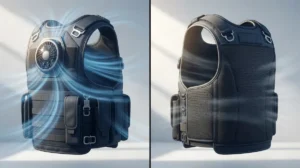
Active fan-driven ventilation vests like Blufano provide 8-32 hours of continuous airflow depending on fan speed, covering full shifts without requiring mid-shift pack replacements unlike ice or phase-change alternatives.
-
BluHalo on-demand vests weigh under 7 ounces, inflate via included pump to create 1.5 inches of cooling gap, and deflate instantly when not needed, making them ideal for security and extended-duty professionals.
-
Ventilation vests sit safely between body and armor without compromising ballistic protection, as they don’t replace protective material; always verify compatibility with national body armor testing standards before purchasing.
-
Passive spacer-mesh vests require no battery or charging and work best in mild-to-moderate heat for budget-conscious departments, while active fan systems are necessary for officers working extreme heat or 12+ hour shifts.
-
Real-world testing shows officers experience noticeable comfort improvement by hour three of 12-hour shifts in 95-degree heat when using active cooling systems paired with vehicle AC during breaks.
If you’ve ever finished a 12-hour shift soaked in sweat under your vest, you already know the problem. Heavy body armor traps heat like an oven, and nobody warned you it would feel this rough. The good news? First responder gear has come a long way, and cooling technology is finally catching up with what officers, medics, and soldiers actually need.
Whether you’re patrolling in July heat, working a hazmat scene, or standing post for hours, staying cool isn’t a luxury. It’s a safety issue. Overheating slows your reaction time, wrecks your focus, and makes every hour feel like three. That’s exactly why ventilation vests have become one of the fastest-growing categories of first responder gear on the market today.
In this guide, we’ll walk through 12 must-know picks and features for cooling gear built for the people who run toward danger while everyone else runs away. We’ll cover passive vests, fan-driven systems, ice packs, and everything in between, so you can pick what actually works for your shift.
Why First Responder Gear Needs a Cooling Upgrade
Traditional body armor was built for one job: stopping threats. It was never designed with airflow in mind. That means heat and sweat get trapped right against your skin, hour after hour.
According to the OSHA Heat Stress Guide, heat-related illness can start with mild symptoms like fatigue and cramping, then quickly escalate to something far more serious. For first responders wearing heavy protective gear, that risk is even higher because armor blocks natural airflow.
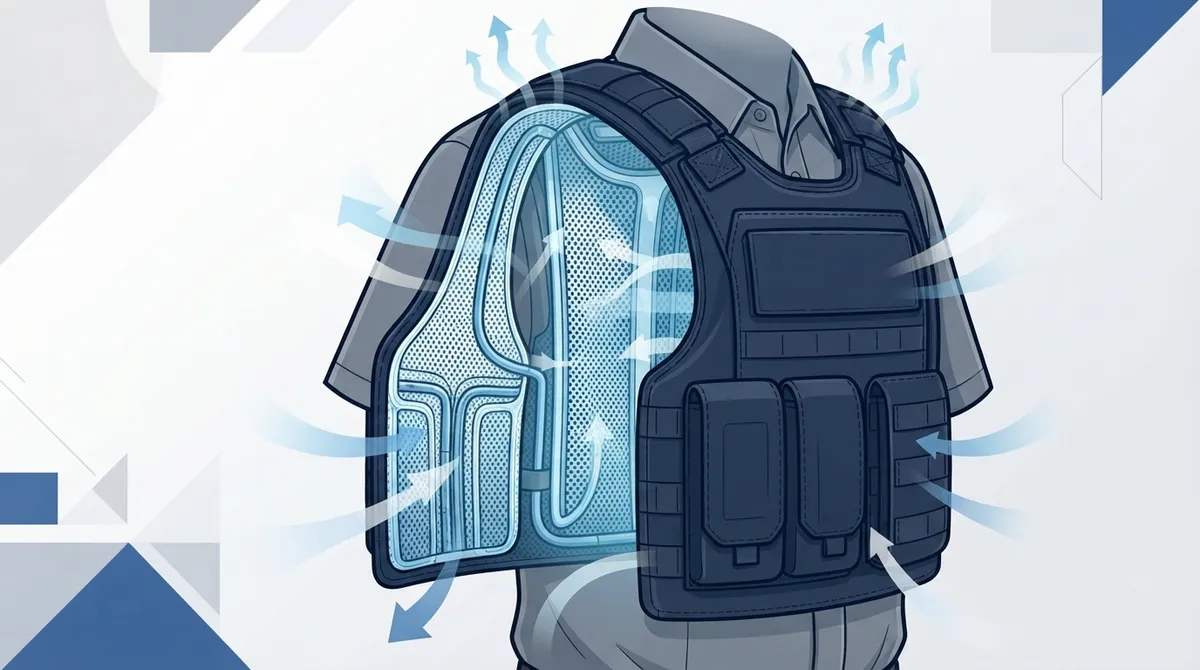
This is why ventilation vests exist. They create a small air gap between your body and your armor, giving heat and moisture somewhere to go instead of building up all shift long. You can learn more about how this works in our guide on what body armor vent is and why you need one.
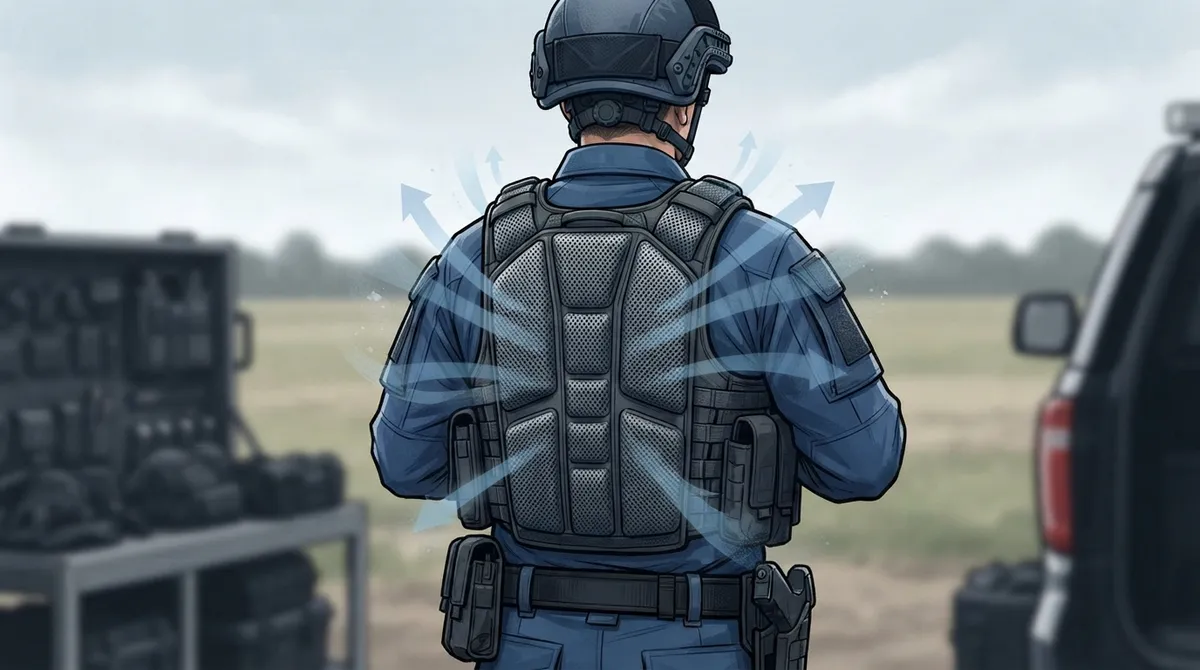
1. Passive Spacer-Mesh Ventilation Vests
Passive vests use mesh spacer fabric to hold your armor slightly away from your body. There’s no fan or battery involved, just clever fabric design.
- Lightweight and low-maintenance
- No charging or batteries required
- Budget-friendly for departments buying in bulk
- Works best in mild to moderate heat conditions
These are a solid starting point, but they don’t move air actively. For officers working in extreme heat, that limitation matters. Check out our comparison of passive versus active body armor ventilation to see which fits your needs.
2. Active Fan-Driven Ventilation Vests
This is where things get interesting. Fan-driven vests actively pull air through the gap under your armor, creating constant airflow instead of just a static space.
Some models claim to run for 8 to 32 hours depending on fan speed, which covers even the longest shift with room to spare. That kind of runtime makes a real difference for emergency response personnel who can’t predict how long a call might last.
3. BluHalo: Cooling-On-Demand Ventilation Vest
Our own BluHalo vest was actually built by a Chicago police officer who got tired of overheating on duty. It weighs under 7 ounces and lies flat when deflated, so you won’t even notice it’s there until you need it.
Here’s how it works:
- Attach it to your clean vest using Velcro
- Inflate it on demand with the included small pump
- Enjoy up to 1.5 inches of lift for a cooling air gap
- Deflate it instantly with the push of a button when you don’t need it
Officers who’ve tested it on 12-hour shifts in 95-degree weather report a noticeable comfort difference. It’s built from double-layer, high-strength polyethylene, so it holds up to daily wear and tear. If you want to see real feedback, our reviews page has plenty of stories from people who use it every day.
4. Blufano: Active Fan Cooling for Extended Shifts
For responders who want continuous airflow instead of on-demand inflation, Blufano is our top pick. It’s a self-contained fan system with a patented air-redirect spout that slides under any style of body armor.
Key features include:
- Adjustable airflow settings lasting 8 to 32 hours
- Built-in 10,000mAh power bank that also charges your phone or radio
- Forward-facing light for hands-free illumination
- Simple control knob for easy on-shift adjustments
Users say it helps them cool down faster, especially when paired with vehicle AC during breaks. Many also report reduced sweat and better focus during long, hot patrols. You can compare it directly against passive options in our article on Blufano’s fan system versus passive cooling.
5. Ice and Gel-Based Cooling Vests
Ice vests use frozen packs to provide a quick blast of cold. They feel great at first, but they lose effectiveness fast, often within about an hour.
This makes them a poor fit for anyone working a full shift without a chance to swap packs. They’re better suited for short, intense bursts of activity, like a SWAT callout, rather than all-day wear.
6. Phase-Change Cooling Vests
Phase-change technology uses special materials that absorb heat as they change from solid to liquid. These vests typically last 1 to 4 hours before needing to be refrozen or replaced.
They’re a middle ground between ice vests and active fan systems, but they still require planning around breaks to recharge the cooling packs.
Quick Comparison: Cooling Vest Types
| Vest Type | Typical Runtime | Best For |
|---|---|---|
| Passive Spacer-Mesh | All shift (no power needed) | Mild heat, budget buyers |
| Active Fan-Driven (BluHalo/Blufano) | 8-32 hours | Full shifts, extreme heat |
| Ice Vests | ~1 hour | Short bursts, tactical callouts |
| Phase-Change | 1-4 hours | Moderate shifts with breaks |
7. Compatibility With Ballistic Armor
One question we hear constantly: does adding cooling gear compromise your ballistic protection? The answer is no, as long as you choose gear designed for this purpose. Ventilation vests sit between your body and your armor, not inside the armor panels themselves.
Always check that your cooling gear meets the Body Armor Standards set by national testing agencies before pairing it with your vest. Our guide on choosing the right body armor ventilation vest in 2026 covers this in detail.
8. Gear for Tactical and SWAT Teams
Tactical teams carry heavier loads and often work in short, high-intensity bursts. This group needs cooling gear that won’t add bulk or restrict movement during entry or pursuit.
Low-profile, fan-driven vests work particularly well here since they don’t interfere with plate carriers or tactical rigs. Many SWAT units have started pairing active cooling systems with their standard loadouts for training days and extended operations.
9. Gear for Military Personnel in High-Heat Deployments
Soldiers deployed in hot climates face some of the toughest conditions for body armor wear. Long missions, heavy gear, and limited breaks make heat management critical.
Fan-driven systems with long battery life, like Blufano’s 8-32 hour range, are especially valuable here since resupply opportunities may be limited. Our article on why soldiers need tactical vest ventilation dives deeper into this specific use case.
10. Gear for Security Professionals on Extended Duty
Security guards and protective detail specialists often wear armor for 8 to 12 hours straight, sometimes outdoors in direct sun. Comfort directly affects alertness and professionalism on the job.
A lightweight, on-demand vest like BluHalo works well here since it can be inflated only when needed and deflated during slower moments. This flexibility matters for professionals who move between climate-controlled buildings and outdoor posts throughout their shift.
11. Gear for Emergency Response and Firefighting Teams
Firefighters and hazmat responders already deal with extreme heat from their environment. Adding restrictive gear on top only compounds the problem.
Ventilation vests designed specifically for first responders help reduce sweating, odor buildup, and chafing during extended wear. For a deeper look at gear selection for this group, see our post on how to choose emergency responder gear that keeps you cool.
12. Features to Look For When Buying First Responder Gear
Not all cooling vests are created equal. Here’s a quick checklist before you buy:
- Check compatibility with your specific body armor style
- Confirm runtime matches your typical shift length
- Look for lightweight materials under 8 ounces when possible
- Verify easy attachment methods like Velcro or straps
- Consider whether you need on-demand inflation or continuous fan airflow
- Read real testimonials from other first responders before committing
Our shop page makes it easy to compare BluHalo and Blufano side by side, and you can even bundle both together at a discount for maximum cooling coverage.
Manufacturer Claims Worth Knowing
The ventilation vest market has grown quickly, and some numbers are worth paying attention to when comparing options.
| Brand/Claim | Detail |
|---|---|
| MILITAUR | Claims to be the #1 rated body armor ventilation, trusted by thousands of first responders |
| 221B Tactical Maxx-Dri | Marketed as used by nearly 150,000 police officers and military operators worldwide |
| Blue Stone Safety | Dual-fan cooling packs lasting up to 4 hours each, designed for 8-hour shifts |
| Blufano (BluHalo) | Adjustable fan airflow lasting 8-32 hours with built-in power bank |
These numbers show just how seriously the industry takes heat management for first responder gear today. For more background on comfort-focused equipment, our resource on how to choose first responder cooling equipment that works is a great next read.
Real Stories From the Field
We hear from officers all the time who say their cooling vest changed how they experience long shifts. One patrol officer described wearing BluHalo during a 12-hour day in 95-degree heat and noticing a real difference in comfort by hour three. Another mentioned using their vehicle’s AC alongside Blufano’s fan system to cool down faster between calls.
These aren’t just marketing claims. They reflect what happens when first responder gear finally catches up to the demands of the job. You can browse more of these experiences on our videos page or read written accounts on our about us page.
Bringing It All Together
First responder gear isn’t just about protection anymore. It’s about giving you the comfort and stamina to do your job well, shift after shift, in every kind of weather. Whether you choose a passive spacer vest, a fan-driven system like Blufano, or an on-demand option like BluHalo, the goal is the same: keep you cooler, drier, and more focused when it matters most.
We built BluHalo and Blufano because we believe everyday heroes deserve gear that works as hard as they do. If you’re ready to upgrade your setup, our team would love to help you find the right fit. Reach out to our team today and let’s get you geared up for a cooler, more comfortable shift.
FAQs
Q: What is a ventilation vest for first responders?
A: It’s a piece of gear worn under body armor that creates an air gap so heat and sweat can escape instead of getting trapped against your skin. Think of it as giving your body room to breathe even while you’re covered in protective gear all shift long.
Q: Do ventilation vests work under body armor?
A: Absolutely, that’s exactly what they’re designed for. Vests like BluHalo and Blufano slide easily under any style of body armor and don’t interfere with your protection at all, they just add a layer of comfort on top.
Q: What is the difference between passive and fan-driven ventilation vests?
A: Passive vests use mesh spacer fabric to create a gap with no power needed, while fan-driven vests actively move air through that gap for stronger cooling. If you’re working long, hot shifts, fan-driven options like Blufano tend to offer more consistent relief.
Q: How long do first responder cooling vests last on a shift?
A: It really depends on the type. Ice vests fade after about an hour, phase-change vests last 1 to 4 hours, but active fan systems like Blufano can run anywhere from 8 to 32 hours depending on your fan setting, easily covering a full shift.
Q: Are ventilation vests safe to wear with ballistic armor?
A: Yes, as long as you pick gear specifically designed for this purpose. Ventilation vests sit between your body and your armor rather than replacing any ballistic material, so your protection stays fully intact while you stay cooler.