Key Takeaways
-
Use a ventilation vest under body armor to create an air gap that allows heat and moisture to escape, with active systems providing 8-32 hours of continuous cooling compared to ice vests that lose effectiveness after one hour.
-
Implement a structured hydration plan: pre-hydrate with 16-20 ounces before shift, drink 6-8 ounces every 15-20 minutes during activity, include electrolytes for extended sweating, and continue rehydrating after shift ends.
-
Schedule strategic rest breaks in shade or cool vehicles, remove outer clothing layers when possible, and cool face, neck, and wrists with water to allow your body time to shed excess heat.
-
Gradually acclimatize to heat over 1-2 weeks by starting with 50% heat exposure and light activity, increasing to 75%, then full duty, enabling your body to sweat more efficiently and maintain lower core temperature.
-
Use the buddy system to monitor teammates for heat illness warning signs: heat cramps, heavy sweating with weakness, or heat stroke symptoms (103°F+ temperature, confusion, rapid pulse requiring immediate emergency response).
-
Combine all five prevention strategies—ventilation gear, hydration, rest breaks, acclimatization, and buddy monitoring—to create overlapping layers of protection rather than relying on any single approach.
If you’ve ever suited up in body armor or heavy protective gear on a scorching summer day, you already know the struggle. Heat builds fast. Sweat soaks through your uniform. And your focus starts to slip — right when you need it most. For first responders and law enforcement officers, heat illness prevention for first responders isn’t just a comfort issue. It’s a matter of safety, performance, and even survival.
The good news? There are practical, proven strategies that can dramatically reduce your heat risk on the job. From smart gear choices to hydration habits, this guide breaks down five essential approaches to keeping your body temperature in check — no matter what the shift throws at you. Let’s dig in.

Why First Responders Face Serious Heat Risk
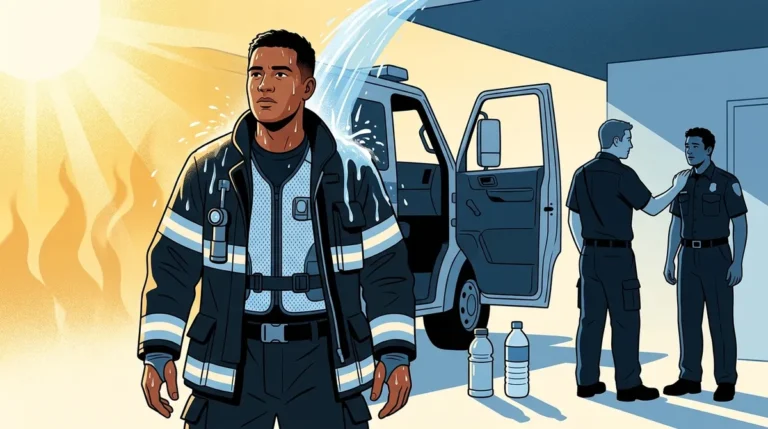
First responders face a unique challenge that most workers never have to deal with. You generate intense metabolic heat from physical exertion. Then on top of that, your protective gear — body armor, turnout gear, tactical vests — traps that heat against your body. Sweat can’t evaporate properly. Your core temperature climbs. And suddenly you’re in dangerous territory.
According to the National Volunteer Fire Council, the combination of heavy PPE and physical exertion creates both internal metabolic heat and external heat load simultaneously. This double threat is what makes heat illness so common among firefighters, EMS personnel, law enforcement officers, and tactical teams. Understanding this risk is the first step toward managing it effectively.
Want to go deeper on this topic? Check out this resource on why police officers struggle with heat under body armor — it explains the mechanics clearly.
The 5 Key Strategies for Heat Illness Prevention
1. Use a Ventilation Vest Under Your Body Armor
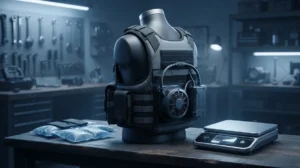
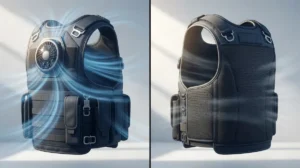
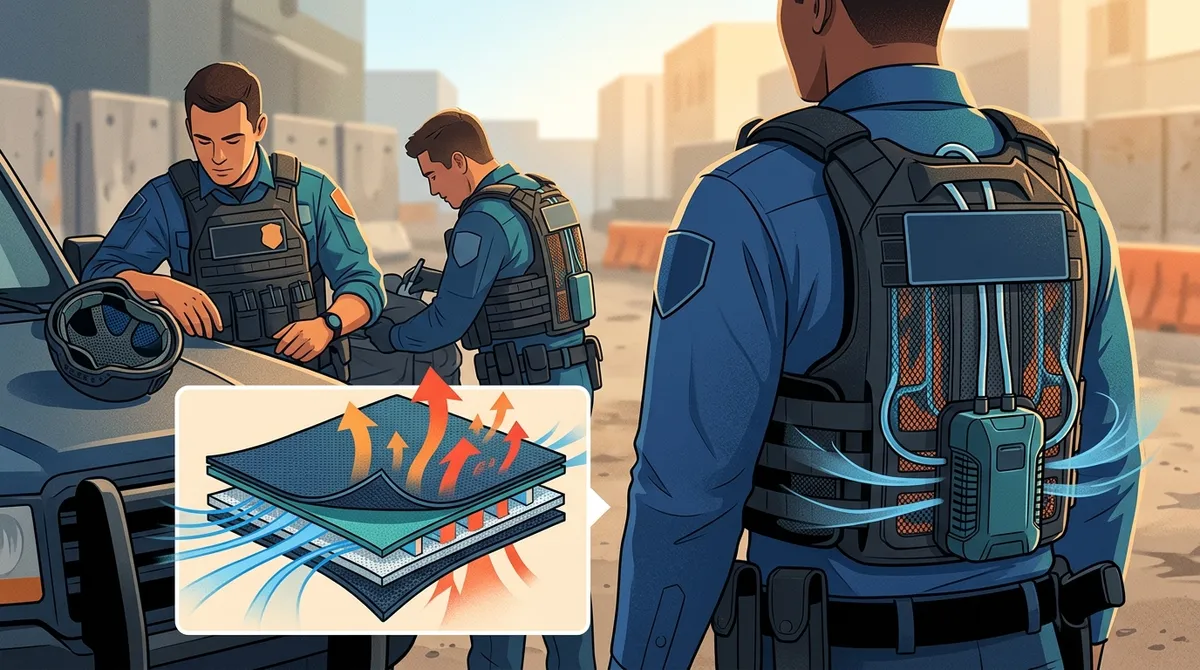
This is one of the most impactful changes you can make. A ventilation vest creates a small but critical air gap between your body and your protective gear. That gap allows heat and moisture to escape instead of getting trapped against your skin. Active ventilation systems can make a significant difference in how comfortable — and safe — you feel during long, hot shifts.
Products like the BluHalo ventilation vest are designed specifically for this purpose. Created by a Chicago police officer who understood the pain firsthand, BluHalo weighs under 7 ounces and can lift your vest up to 1.5 inches off your body when inflated. That air gap is where the cooling magic happens. It’s discreet, durable, and built for daily duty use.
For even more active cooling power, the Blufano fan system takes things further. Its patented air-redirect spout slides under any style of body armor and delivers adjustable fan-driven airflow for 8 to 32 hours on a single charge. It even includes a built-in 10,000mAh power bank. That’s serious all-shift cooling in a compact, easy-to-use device.
Studies in firefighters and other uniformed workers show that cooling strategies targeting the area under protective gear can lower skin temperature, reduce heart rate, and improve perceived comfort during active duty. Learn more about how these systems work by reading about how active cooling systems work in ventilation vests.
| Product | Type | Key Feature | Battery Life | Best For |
|---|---|---|---|---|
| BluHalo | Inflatable ventilation vest | Creates 1.5″ air gap under armor | No battery needed | Passive airflow, all-day comfort |
| Blufano | Active fan system | Patented air-redirect spout + fan | 8–32 hours | Active cooling, long shifts |
| BluHalo + Blufano Bundle | Combined system | Maximum airflow and heat release | 8–32 hours (fan) | Maximum cooling performance |
2. Build a Smart Hydration Plan
Hydration is the foundation of every effective heat illness prevention strategy. When you sweat heavily in hot gear, you can lose fluids faster than you realize. Even mild dehydration reduces your physical performance, impairs your judgment, and raises your core temperature more quickly.
Here’s a simple hydration framework that works well for first responders on active shifts:
- Pre-hydrate before your shift. Drink at least 16 to 20 ounces of water in the hour before starting work in the heat.
- Drink consistently throughout the shift. Aim for 6 to 8 ounces every 15 to 20 minutes during heavy activity — don’t wait until you feel thirsty.
- Replenish electrolytes. Water alone isn’t always enough. Include electrolyte drinks or snacks when sweating heavily for more than an hour.
- Rehydrate after the shift. Continue drinking water after your shift ends to help your body fully recover.
The OSHA Heat Stress Guide recommends replacing fluids as quickly as possible if heat stroke is suspected and emphasizes fluid replacement as a core part of any heat illness response protocol. Combine great hydration with a ventilation vest for even better results. You can read more about heat stress prevention through better gear by visiting this guide on how to prevent heat stress while wearing body armor.
3. Schedule Rest Breaks and Use Shade Strategically
Your body needs time to shed excess heat. Without planned rest breaks, your core temperature keeps rising throughout the shift — and that’s when dangerous heat illness sets in. Smart break scheduling is a simple but powerful tool for heat illness prevention for first responders.
Here are key practices to build into your team’s protocol:
- Step into shade or a cool vehicle during breaks whenever possible.
- Remove outer clothing layers temporarily if the situation allows — OSHA specifically recommends this for suspected heat stroke response.
- Use break time to hydrate and cool your face, neck, and wrists with cool water.
- Allow higher-exertion personnel to take more frequent, shorter breaks rather than fewer long ones.
- Schedule the most demanding tasks during cooler parts of the day when the mission allows.
A ventilation vest like BluHalo can make your rest breaks even more effective. Deflating the vest quickly to allow full airflow — or keeping the Blufano fan running — can speed up how quickly your body cools down between bursts of activity.
4. Prioritize Heat Acclimatization
Jumping straight into high-intensity work in full gear on the hottest day of summer is a recipe for heat illness. Acclimatization — the process of gradually exposing your body to heat stress over one to two weeks — helps your body adapt. You’ll sweat more efficiently, maintain a lower core temperature, and perform better in the heat.
This table shows a simple acclimatization progression for first responders and tactical personnel:
| Week | Heat Exposure Duration | Activity Intensity | Notes |
|---|---|---|---|
| Week 1, Days 1–3 | 50% of normal shift in heat | Light to moderate | Focus on building tolerance gradually |
| Week 1, Days 4–7 | 75% of normal shift in heat | Moderate | Monitor heart rate and symptoms closely |
| Week 2 | Full shift in heat | Full duty intensity | Full adaptation typically complete by day 14 |
Acclimatization is especially important after time off or when transitioning from a cool climate to a hot one. Combine this process with good ventilation gear and you’ll be in a much stronger position to handle demanding conditions. For more ideas on managing heat during active duty, explore these top heat stress prevention gear picks for 2026.
5. Know the Warning Signs and Use the Buddy System
Even with the best gear and habits, heat illness can still sneak up on someone. That’s why buddy monitoring is such a critical part of any heat illness prevention program for first responders. You might not notice your own symptoms when you’re focused on a call or an operation. A teammate can spot the warning signs before they become emergencies.
Here are the signs every first responder should know and watch for in their teammates:
- Heat cramps: Muscle pain or spasms, usually in the legs or abdomen, often during or after heavy exertion.
- Heat exhaustion: Heavy sweating, weakness, fast and weak pulse, nausea, dizziness, and cool, pale, clammy skin.
- Heat stroke: High body temperature (103°F or above), hot and red skin, rapid and strong pulse, possible confusion or loss of consciousness. This is a medical emergency.
If heat stroke is suspected, OSHA guidance recommends moving the person to a cool area immediately, removing outer clothing, applying ice or cool water, and increasing airflow around the body while getting emergency medical help. Refer to the OSHA Heat Stress Guide for the complete response protocol.
The buddy system works best when everyone on the team is trained on these warning signs. Make heat awareness part of your regular briefings — especially during summer months or deployments to hot climates. You can also explore how heat stress affects police performance to better understand what’s at stake when warning signs go unrecognized.
Comparing Cooling Approaches: Which Works Best?
Not all cooling strategies are created equal. Research from occupational studies shows that cooling vests and ventilation systems can extend work tolerance times by roughly 10 to 20% in some hot-work settings. A 2024 wildland firefighter study found that cooling vests reduced mean skin temperature and perceived exertion even when exercise tolerance time wasn’t significantly extended. The takeaway? Every degree of relief matters when you’re working in extreme conditions.
| Strategy | Ease of Use | Effectiveness | Duration of Effect | Works Under Body Armor? |
|---|---|---|---|---|
| Ventilation Vest (BluHalo) | Very easy | High | All shift | Yes |
| Active Fan System (Blufano) | Easy | Very high | 8–32 hours | Yes |
| Ice/Phase-change vest | Moderate | Moderate to high | ~1 hour before recharge needed | Depends on fit |
| Hydration only | Easy | Moderate | Ongoing if maintained | N/A |
| Rest breaks + shade | Moderate | Moderate | Per break only | N/A |
One important note: research from a Texas occupational study found that ice vests and gel-pack cooling systems lost much of their effectiveness after about one hour as the gel warmed up. Ventilation-based systems like BluHalo and Blufano don’t have this limitation — they provide continuous airflow for as long as you’re wearing them. That’s a significant advantage during 8-, 10-, or 12-hour shifts. For a side-by-side comparison, read this deep-dive on ventilation vs. phase-change cooling vests.
Want to understand the science behind how air moves under armor? This article explains how air circulation under a bulletproof vest actually works — it’s a great read if you want to get the most from your cooling gear.
Building a Complete Heat Illness Prevention Program
No single strategy works best in isolation. The most effective approach combines all five elements: ventilation gear, smart hydration, planned rest breaks, proper acclimatization, and buddy monitoring. Together, these create overlapping layers of protection that give you the best possible defense against dangerous heat illness.
Agencies and departments can reinforce these strategies by providing proper gear, scheduling acclimatization periods, training officers on warning signs, and making cooling tools like ventilation vests standard equipment. According to Body Armor Standards from the National Institute of Justice, body armor performance and wearability are critical factors in officer safety — and heat management directly affects both.
If you’re looking for the right first responder cooling equipment for your team or agency, BluHalo’s ventilation solutions are a great place to start. You can also check out the full range of options in the BluHalo shop to find the right fit for your specific needs.
Final Thoughts
Heat illness prevention for first responders is too important to leave to chance. When you’re wearing body armor in the summer heat, the stakes are high — and your body deserves real protection from the inside out. The five strategies covered in this guide give you a clear, practical roadmap: use a ventilation vest, stay hydrated, plan your rest breaks, acclimatize properly, and watch out for your teammates.
Ventilation vests like BluHalo and the Blufano fan system exist specifically because everyday heroes like you deserve to stay cool, focused, and safe on every single shift. Don’t wait until the heat becomes a crisis. Gear up smart, stay cool, and take care of each other out there.
Ready to find the right cooling solution for your needs? Get in touch with the BluHalo team and let’s find the right fit for your daily duty requirements — we’d love to help you stay cool and comfortable on every shift.
FAQs
Q: Do ventilation vests really help prevent heat illness for first responders?
A: Yes, they really do make a meaningful difference! Ventilation vests create an air gap between your body and your protective gear, allowing trapped heat and moisture to escape. Research in firefighters and other uniformed workers shows that cooling strategies targeting the under-armor area can lower skin temperature, reduce heart rate, and improve how comfortable you feel during long, hot shifts.
Q: How long do ventilation vest cooling systems stay effective during a shift?
A: Unlike ice vests and gel-pack systems that can lose their cooling effect after about an hour as the packs warm up, active ventilation systems like the Blufano fan system provide continuous airflow for 8 to 32 hours on a single charge. The BluHalo inflatable vest provides ongoing passive airflow for your entire shift as long as it’s inflated — no recharging needed!
Q: Can a ventilation vest be worn under body armor or turnout gear?
A: Absolutely! BluHalo and Blufano are designed specifically to be worn under body armor and tactical protective gear. The BluHalo sits flat against the body when deflated and lifts the vest up to 1.5 inches when inflated, while the Blufano’s patented air-redirect spout slides neatly under any style of body armor to deliver fan-driven airflow.
Q: What are the warning signs of heat exhaustion first responders should watch for?
A: Great question — and something every team member should know! Heat exhaustion signs include heavy sweating, dizziness, weakness, nausea, and a fast but weak pulse. If those signs progress to a high body temperature (103°F+), hot red skin, confusion, or loss of consciousness, that’s heat stroke — a medical emergency requiring immediate cooling and emergency care.
Q: Is a ventilation vest enough on its own, or do I need other heat prevention strategies too?
A: A ventilation vest is a fantastic foundation, but the best results come from combining it with other strategies. Pairing your ventilation vest with proper hydration, scheduled rest breaks, gradual heat acclimatization, and buddy monitoring creates overlapping layers of protection that significantly reduce your overall heat illness risk during demanding shifts.