Key Takeaways
-
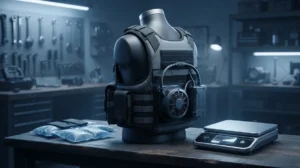
Body armor blocks natural heat and moisture escape, trapping sweat against your skin and raising core temperature—this impairs judgment and physical performance according to OSHA guidelines, making heat relief a safety necessity rather than a comfort luxury.
-
Active fan systems (8-32 hour battery life) outperform passive ventilation during low-activity periods like vehicle patrols, while passive mesh vests work best for moderate activity in cooler climates—choose based on your shift length, environment temperature, and activity level.
-
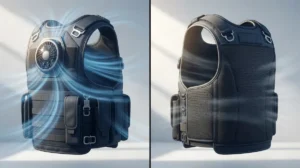
Combining passive ventilation vests with active fan systems delivers superior cooling; the air gap from the vest allows the fan to push fresh air continuously, significantly improving heat management in extreme conditions like summer patrol or surveillance operations.
-
Look for 360-degree airflow coverage, moisture-wicking 3D polyester mesh materials, adjustable straps for fit flexibility, and lightweight construction (under 1 lb) to ensure your ventilation solution works effectively across different body types and armor systems.
-
Use ventilation systems year-round, not just summer—winter physical exertion also causes dangerous sweat buildup under armor, and pairing ventilation with moisture-wicking base layers prevents the cold, clammy feeling when activity slows.
-
Effective body armor cooling directly improves critical performance metrics: officers report better energy levels, faster reaction times, sharper focus, and reduced fatigue during long shifts, making ventilation systems essential for safety and job performance.
If you wear body armor for a living, you already know the struggle. The heat builds up fast. Sweat soaks through your uniform. And by midday, staying focused feels like an uphill battle. Body armor heat relief isn’t just about comfort — it’s about staying sharp, staying safe, and doing your job well. Whether you’re a patrol officer on a 12-hour shift, a security pro working outdoor events, or a soldier in a hot climate, trapped heat under your vest is a real problem that deserves a real solution.
The good news? In 2026, there are more effective ways than ever to manage heat under body armor. From passive ventilation designs to active fan systems, today’s technology makes it possible to stay cool and dry all shift long. This guide walks you through everything you need to know — how heat builds up, what solutions exist, and how to choose the right one for your needs. Let’s get into it.
Why Body Armor Traps So Much Heat
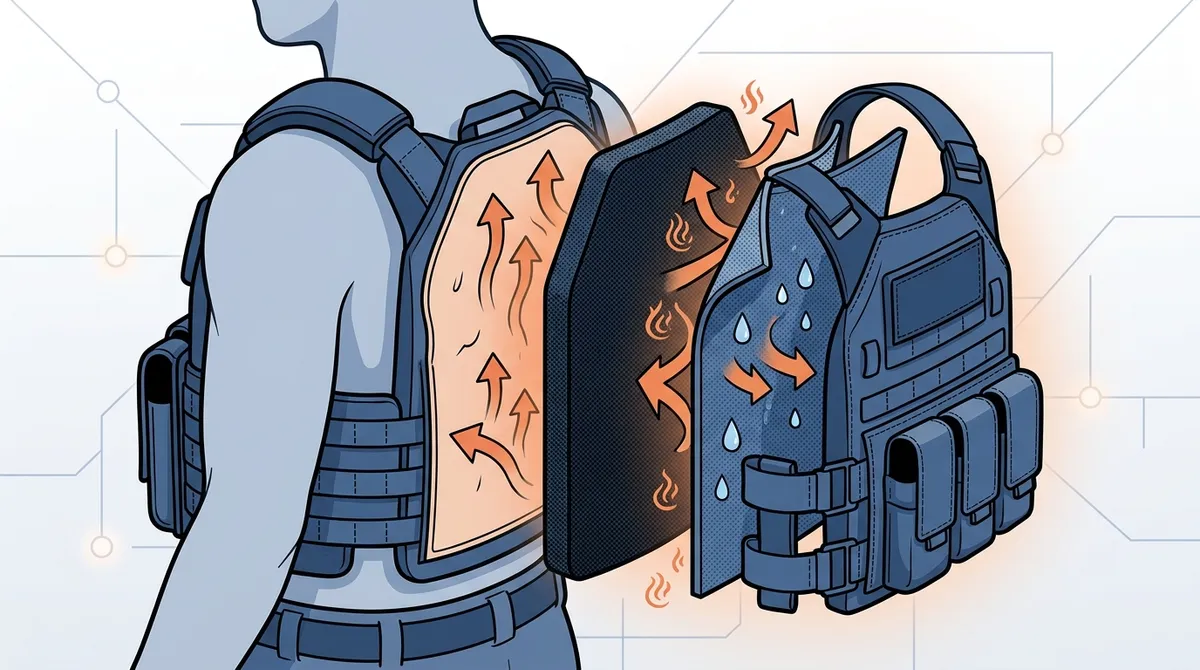
Body armor is designed to protect you, but it creates a serious problem: it acts like a wall between your body and the open air. When you move around, your body generates heat. Normally, that heat escapes through your clothing and into the surrounding air. But body armor blocks that process almost completely.
The result? Heat and moisture get trapped between your skin and the armor. Your core temperature rises. You sweat more. That sweat has nowhere to go, so it just sits there — making you feel hotter, heavier, and more fatigued. According to the OSHA Heat Stress Guide, prolonged heat exposure can impair judgment and physical performance, which is dangerous for anyone in a high-stakes role.
Understanding this problem is the first step toward solving it. Here’s a quick breakdown of why the heat builds up so quickly under body armor:
- No airflow gap: Traditional armor sits flush against your body, leaving no room for air to circulate
- Moisture retention: Sweat accumulates and keeps your skin damp, making the heat feel worse
- Material density: Ballistic panels don’t breathe, blocking any natural ventilation from occurring
- Physical exertion: The more active you are, the more heat your body generates under the armor
The Two Main Types of Body Armor Heat Relief Solutions
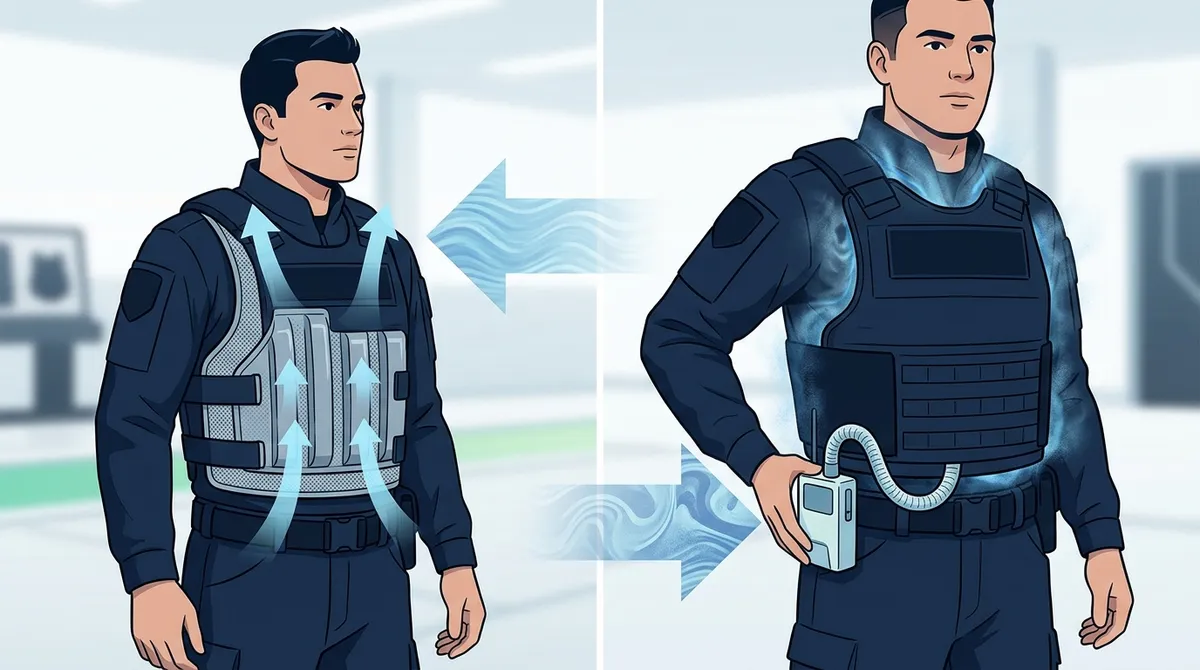
When it comes to getting relief from heat under body armor, solutions generally fall into two categories: passive and active. Each has its place, and understanding the difference helps you make the right call for your situation. You can also learn more about both approaches by reading about the best vest cooling systems and how to beat the heat in body armor.
Passive Ventilation Solutions
Passive systems rely on design and materials to create airflow without any powered components. A well-designed ventilation vest, for example, physically lifts your body armor off your skin. This creates a small air gap that allows heat and moisture to escape naturally as you move.
Premium passive vests use materials like 3D polyester mesh with large perforations. These materials maximize breathability and resist moisture absorption. The mesh structure resists compression, so the air gap stays open even when your armor is pressing down.
Active Ventilation Solutions
Active systems use fan-powered airflow to push cool air in and force hot, humid air out. These systems are more effective for full-shift wear because they work continuously regardless of how much you’re moving. The Blufano is a great example — it’s a self-contained fan unit with a patented air-redirect spout that slides under any body armor and delivers adjustable fan-driven airflow for 8 to 32 hours on a single charge.
Active systems often outperform passive ones in extreme heat or during periods of low physical activity (like sitting in a patrol car). When you’re not moving much, passive ventilation slows down — but active fans keep working.
| Feature | Passive Ventilation | Active Fan System |
|---|---|---|
| Power Required | No | Yes (battery-powered) |
| Effectiveness at Rest | Low | High |
| Effectiveness During Movement | Moderate | High |
| Battery Life | N/A | 8–32 hours |
| Weight | Very light | Slightly heavier |
| Best For | Light duty, cooler climates | Full shifts, extreme heat |
How to Choose the Right Body Armor Heat Relief Solution
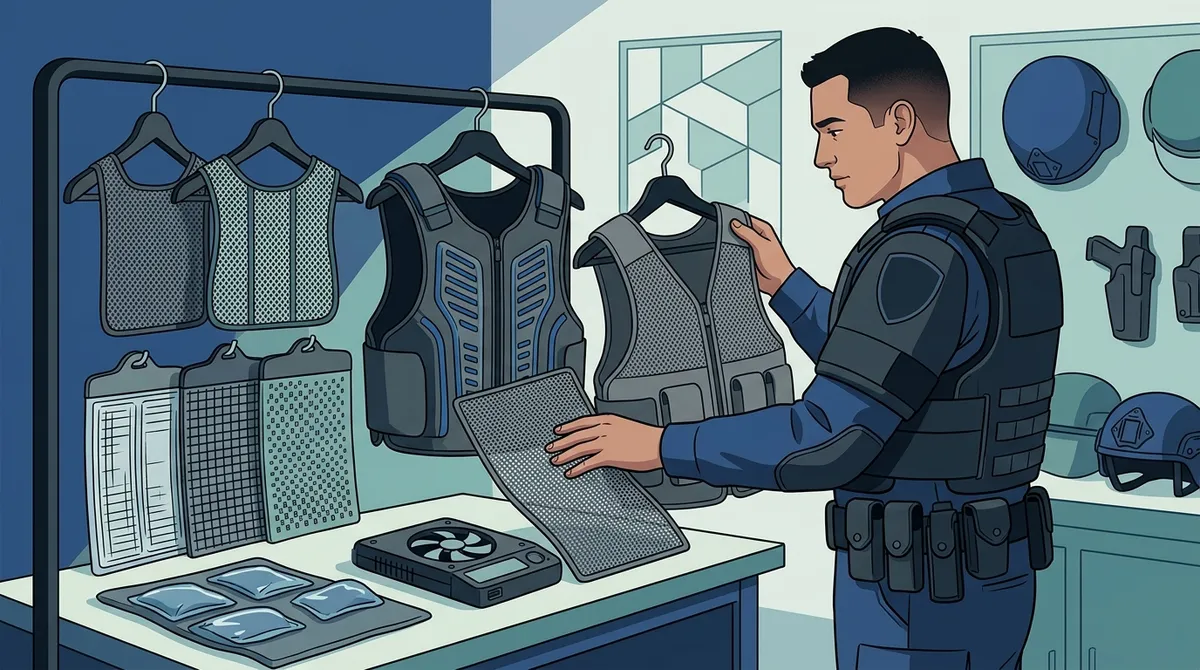
Not every cooling solution is the right fit for every person or every role. Here’s a simple step-by-step process to help you find what works best for you. You can also check out this deeper guide on how to choose the right body armor ventilation vest in 2026 for even more detail.
- Assess your heat exposure. Think about how hot your working environment gets. Are you outdoors in summer heat, or mostly indoors? Do you sit in a vehicle often, or are you constantly moving?
- Consider your shift length. Longer shifts require more reliable, sustained cooling. If you’re working 10–12 hour days, an active ventilation system with a long battery life makes more sense than a passive vest alone.
- Check compatibility with your armor. Any ventilation solution you choose should work with your existing carrier system. Look for adjustable straps and flexible attachment options that fit different body armor styles.
- Think about your activity level. High-intensity roles like SWAT operations benefit most from active fan systems. Moderate activity roles may find passive ventilation vests sufficient for everyday comfort.
- Look at the features that matter most. Battery capacity, fan speed settings, weight, and additional features (like built-in power banks or lights) can all tip the scales when comparing products.
Key Features to Look for in a Ventilation Vest
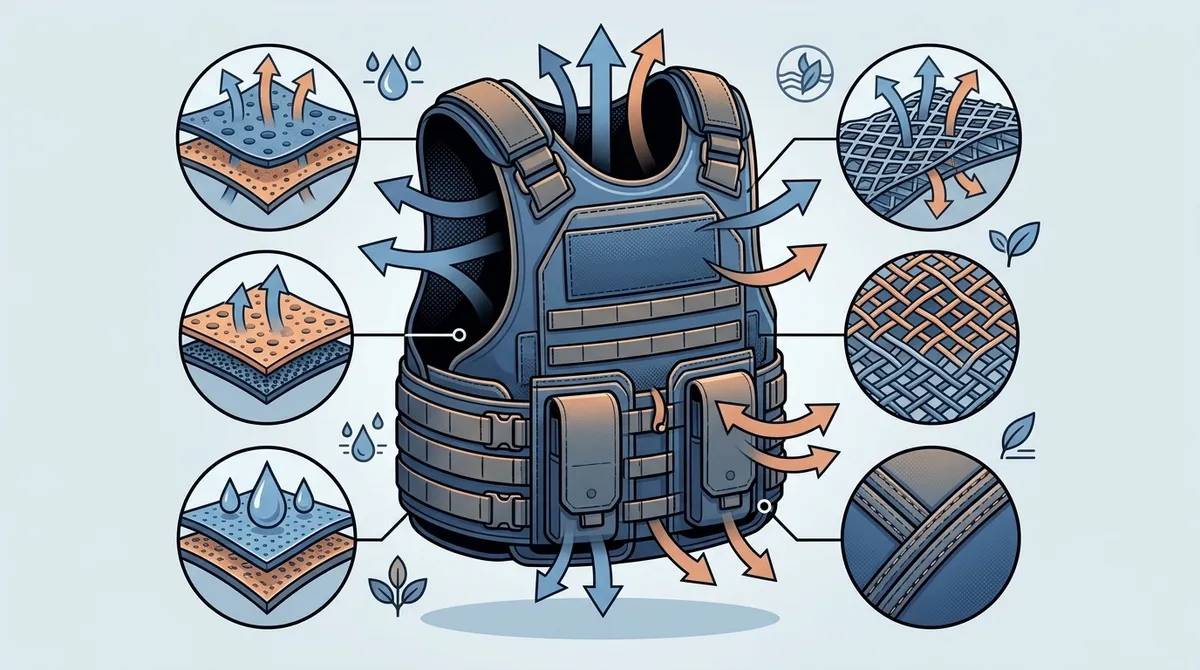
Once you know what type of system you need, it’s time to look at the specifics. Not all ventilation vests are created equal. Here are the features that separate a great product from a mediocre one. For a more detailed look, explore this resource on how to choose the best police vest ventilation system.
- 360-degree airflow: The best vests create full separation between your body and armor all the way around, not just in one spot
- Moisture-wicking materials: Look for mesh that actively pulls moisture away from skin and dries quickly
- Adjustable fit: Straps and sizing options that accommodate different body types and armor systems
- Lightweight construction: You’re already wearing a heavy vest — the last thing you need is extra bulk
- Durability: Duty gear takes a beating; your cooling system should be built to handle daily wear
| Feature | Why It Matters | What to Look For |
|---|---|---|
| Airflow Coverage | More coverage = more cooling | 360-degree separation |
| Material Quality | Affects breathability and durability | 3D polyester mesh with large perforations |
| Fit Adjustability | Ensures comfort across body types | Adjustable straps, multiple sizes |
| Battery Life (Active) | Determines how long it lasts per shift | 8–32 hours minimum |
| Weight | Affects fatigue during long shifts | Under 1 lb preferred |
A Closer Look at the BluHalo Ventilation Vest
If you’re looking for a passive ventilation solution that’s both innovative and practical, the BluHalo ventilation vest is worth a serious look. Created by a Chicago police officer who was tired of overheating on the job, BluHalo was designed from the ground up for people who wear body armor every day.
The vest weighs under 7 ounces and sits completely flat when deflated. When you need cooling, you simply inflate it — and it lifts your armor up to 1.5 inches off your body, creating an instant air gap. That gap allows heat and moisture to escape instead of building up against your skin. Deflating it is just as easy with a quick-release button. It attaches to your vest with Velcro and uses double-layer high-strength polyethylene for durability on demanding shifts.
Officers who’ve used it describe major comfort improvements during hot shifts — including 12-hour days in 95-degree weather. It’s priced at $60.00, making it one of the most accessible body armor heat relief options on the market. You can explore the full product lineup at the BluHalo shop.
Combining Solutions for Maximum Heat Relief
Here’s something a lot of people don’t realize: passive and active solutions work even better together. The BluHalo ventilation vest creates an air gap, and the Blufano active fan system pushes fresh, cool air through that gap continuously. The result is significantly better heat management than either product achieves on its own.
You can bundle both products together at a discount to maximize your cooling performance. This combination approach is especially useful for professionals in extreme conditions — think summer patrol in a hot city, prolonged surveillance operations, or emergency response in high-heat environments. To see how this works in action, check out the product videos that show the airflow system in real-world use.
The Body Armor Standards from the National Institute of Justice emphasize the importance of both protection and wearability — and heat relief plays a huge role in how consistently officers wear their armor. When gear is uncomfortable, people find ways around it. Cooling solutions encourage consistent wear, which means better protection overall.
Tips for Staying Cool Under Body Armor in Any Season
Body armor heat relief isn’t just a summer concern. Even in winter, physical exertion causes sweating under your armor. That sweat can make you feel cold and clammy once you stop moving — which is just as uncomfortable and potentially dangerous. Here’s how to stay comfortable year-round:
- Use a ventilation system every shift, not just in summer. Sweat accumulates under armor in cold weather too, especially during high-activity moments. A ventilation vest prevents that buildup no matter the season.
- Stay hydrated throughout your shift. Hydration helps your body regulate its own temperature. Drink water consistently rather than waiting until you feel thirsty.
- Take short cooling breaks when possible. If you can step into AC or shade for a few minutes, do it. Active fan systems like Blufano can accelerate cooling dramatically when combined with a cooler environment.
- Wear moisture-wicking base layers. A good base layer pulls sweat away from your skin before it gets trapped under your armor. Pair it with your ventilation system for best results.
For officers and first responders specifically, preventing heat stress isn’t optional — it’s a professional necessity. You can learn more about how to prevent heat stress while wearing body armor with targeted strategies designed for duty use.
| Season | Main Heat Challenge | Best Solution |
|---|---|---|
| Summer | Extreme heat, constant sweating | Active fan system + ventilation vest |
| Spring/Fall | Variable temps, moderate sweat | Passive ventilation vest |
| Winter | Sweat during exertion, chill at rest | Ventilation vest + moisture-wicking base layer |
How Body Armor Ventilation Improves Performance and Safety
It’s easy to think of body armor heat relief as a comfort upgrade. But the real impact goes much deeper than feeling cool. When you’re overheated, your reaction time slows. Your focus drifts. Decision-making gets harder. These aren’t just inconveniences — they’re safety risks for you and the people you protect.
Effective body armor ventilation keeps your core temperature in check, which directly supports mental clarity and physical endurance throughout your shift. Officers and soldiers who’ve switched to ventilated systems consistently report better energy levels, reduced fatigue, and improved focus — especially during the second half of long shifts when heat buildup is at its worst.
If you want real-world perspective from other professionals, the BluHalo reviews page is full of honest feedback from law enforcement, security, and military personnel who’ve made the switch. Their experiences speak for themselves.
Conclusion
Body armor heat relief is no longer a luxury — it’s a necessity for anyone who wears protective gear for a living. Whether you go with a passive ventilation vest, an active fan system like Blufano, or a combination of both, the right solution can transform how you feel and perform on the job. You deserve to stay cool, stay dry, and stay focused — no matter how long your shift or how hot it gets outside.
Ready to take the next step? Get in touch with the BluHalo team to find the right body armor heat relief solution for your specific needs. Your comfort — and your performance — depend on it.
FAQs
Q: How do ventilation vests provide body armor heat relief?
A: Ventilation vests work by creating a physical gap between your skin and your body armor, allowing heat and moisture to escape instead of building up. Some vests use passive mesh designs for natural airflow, while others — like Blufano — use active fan systems to push cool air through that gap continuously. Either way, the result is a noticeably cooler, drier experience under your gear!
Q: Can body armor ventilation systems be used in cold weather too?
A: Absolutely! Even in winter, physical exertion causes sweat to build up under your armor. A ventilation vest helps manage that moisture so you don’t end up feeling cold and clammy when you slow down. It’s a year-round comfort solution, not just a summer fix.
Q: How long does an active fan system like Blufano last on a single charge?
A: The Blufano active fan system offers an impressive 8 to 32 hours of battery life depending on the fan speed setting you choose. That’s more than enough to cover most full shifts — and its built-in 10,000mAh power bank can even charge your other USB devices while it’s at it!
Q: Will a ventilation vest fit under my existing body armor?
A: Most high-quality ventilation vests are designed to be compatible with a wide range of body armor carriers and styles. Look for adjustable straps and flexible sizing options to ensure a good fit. Both the BluHalo vest and Blufano are built to work with various armor systems used by law enforcement, military, and security professionals.
Q: Does body armor heat relief actually improve job performance?
A: It really does! When your body is overheated, your focus, reaction time, and physical endurance all take a hit. By keeping your core temperature in check with proper ventilation, you stay sharper and more alert throughout your shift. Many officers and security professionals report feeling significantly more energized and focused after switching to a ventilated system.