Key Takeaways
-
Body armor ventilation technology reduces core body temperature by up to 30%, dramatically improving officer comfort and performance during long shifts.
-
Choose ventilation systems based on your specific work environment, considering factors like temperature, humidity, and physical activity level.
-
Combine passive and active ventilation systems for maximum cooling power, creating air gaps and using fans to circulate fresh air under body armor.
-
Use moisture-wicking base layers and stay hydrated to enhance the effectiveness of ventilation technology and prevent heat-related health risks.
-
Modern ventilation solutions offer adjustable features like on-demand inflation and variable fan speeds, allowing customized cooling throughout your shift.
If you wear body armor every day, you know the struggle. The heat builds up under your vest, sweat pools against your skin, and by midday you feel like you’re trapped in a sauna. It’s not just uncomfortable—it’s exhausting. Your focus drops, your energy fades, and you spend half your shift thinking about how much you want to rip that vest off.
The good news? You don’t have to suffer through it anymore. Body armor ventilation technology has come a long way in the past few years. Smart cooling systems now help you stay comfortable, dry, and focused throughout your entire shift. Whether you’re a patrol officer, a security professional, or part of a tactical team, the right ventilation solution can make your workday significantly better.
In this guide, we’ll walk you through everything you need to know about body armor ventilation. You’ll learn how these systems work, what features to look for, and how to choose the best option for your specific needs. Let’s dive in and help you beat the heat.

Understanding How Body Armor Ventilation Works
Body armor ventilation systems tackle a simple problem: your vest traps heat and moisture against your body. When you move, your body generates heat. When you sweat, that moisture has nowhere to go. Traditional body armor sits flat against your torso, creating a sealed environment where temperature and humidity climb throughout the day.
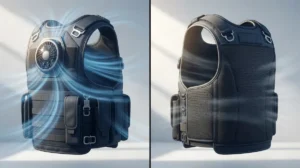
Modern ventilation technology solves this by creating airflow between your body and your armor. Think of it like opening a window in a stuffy room. Fresh air circulates in, hot air escapes, and suddenly everything feels better. The best systems use a combination of design features to keep air moving constantly.
Some systems create a physical gap between your body and the vest. This space allows natural air circulation as you move. Other systems use active fans to push fresh air under the armor and force hot, humid air out. The most advanced solutions combine both approaches for maximum cooling power.
The Science Behind Cooling Technology
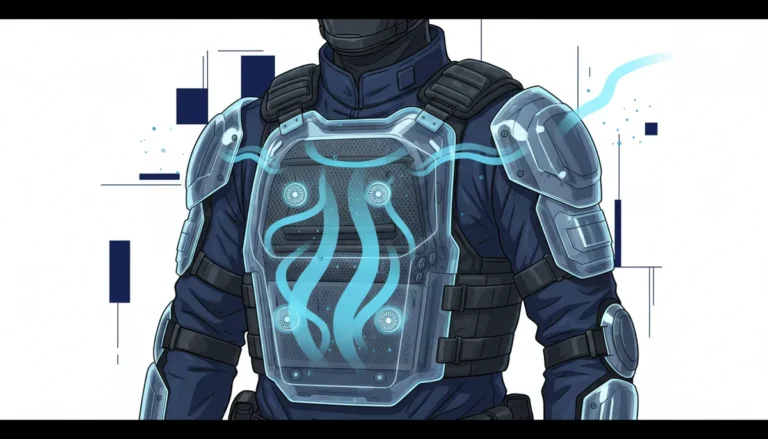
Ventilated carrier systems use evaporative cooling technology that works with your body’s natural processes. When air flows across your skin, it helps sweat evaporate faster. This evaporation pulls heat away from your body, lowering your core temperature. It’s the same principle that makes you feel cooler when a breeze hits on a hot day.
According to research on OSHA Heat Stress Guide, advanced cooling technologies can reduce core body temperature by up to 30%. That’s a massive difference when you’re working a 12-hour shift in summer heat. Lower body temperature means better endurance, sharper focus, and reduced risk of heat-related illness.
Some systems use patent-pending designs with foam-filled vertical air channels and horizontal vent holes. These channels force airflow upward and through the armor, enabling true evaporation of sweat from behind the protective gear. Instead of moisture sitting against your skin, it’s actively moved away.

Key Features to Look for in Ventilation Systems
Not all ventilation systems are created equal. When you’re shopping for a cooling solution, certain features make a real difference in performance and comfort. Here’s what to prioritize:
| Feature | Why It Matters | What to Look For |
|---|---|---|
| Airflow Design | Determines how effectively heat escapes | Multiple air channels, vertical and horizontal vents |
| Weight | Affects mobility and fatigue over long shifts | Under 8 ounces for passive systems, under 1 lb for active fans |
| Profile | Impacts concealment and comfort | Lies flat when not in use, minimal bulk |
| Durability | Must withstand daily duty use | High-strength materials, reinforced construction |
| Battery Life | Critical for active fan systems | 8-32 hours on a single charge |
| Adjustability | Allows customization for conditions | Variable fan speeds, on-demand inflation |
Active vs. Passive Ventilation
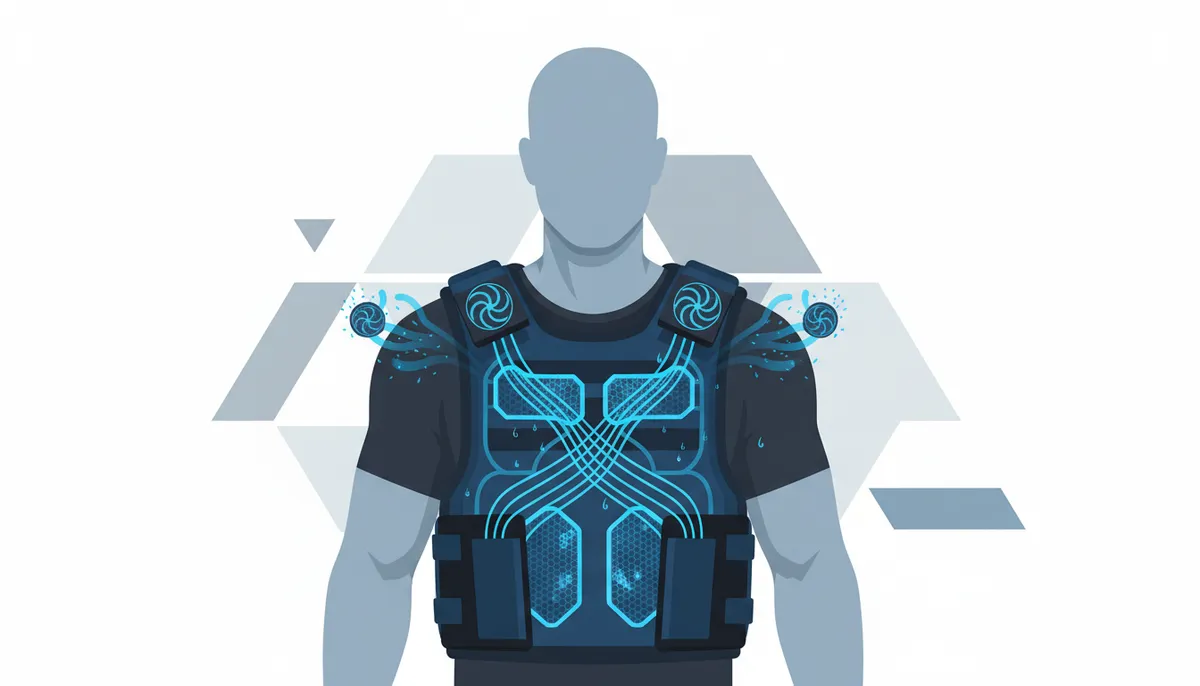
Passive ventilation systems create space between your body and armor without using any power. They rely on your natural movement and body heat to generate airflow. These systems are lightweight, maintenance-free, and never need charging. They work well for moderate conditions and officers who prefer minimal gear.
Active ventilation systems use battery-powered fans to force air circulation. These provide stronger, more consistent cooling regardless of your activity level. They’re ideal for extreme heat, extended shifts, or high-intensity operations. The trade-off is slightly more weight and the need to recharge batteries.
Many professionals find that combining both types gives them the best results. A passive ventilation vest provides baseline comfort, while an active fan system adds extra cooling power when conditions get brutal.
How to Choose the Right Ventilation System for Your Needs
Your ideal ventilation solution depends on your specific work environment and personal preferences. Let’s break down the decision-making process step by step.
Step 1: Assess Your Environment
Start by honestly evaluating the conditions you work in most often. Consider these factors:
- Average temperatures during your shifts (especially summer highs)
- Humidity levels in your area
- Amount of time spent outdoors vs. in air-conditioned vehicles
- Physical intensity of your duties (patrol walking, building clearing, stationary posts)
- Length of typical shifts
If you’re working 12-hour shifts in the South during summer, you need serious cooling power. If you’re mostly in climate-controlled buildings with occasional outdoor exposure, a lighter solution might work fine.
Step 2: Evaluate Your Armor Configuration
Different ventilation systems work better with different armor setups. Check whether your system will fit properly with your current gear. Most quality ventilation products work with any style of body armor, but it’s worth confirming before you buy.
Consider how you wear your armor—over clothing, under clothing, or both depending on the situation. Some ventilation vests can be worn in multiple configurations, giving you flexibility for different scenarios. This versatility is valuable if your duties vary or if you want to use the same system off-duty.
Step 3: Consider Your Mobility Requirements
Weight and bulk matter when you’re on your feet all day. Law enforcement officers and security professionals need to move quickly and naturally. Your ventilation system shouldn’t slow you down or get in the way during physical activities.
Look for systems that stay secure during movement. The last thing you need is equipment shifting around when you’re running or climbing. Quality systems use reliable attachment methods—whether Velcro, straps, or clips—that keep everything in place without constant adjustment.
Top Ventilation Solutions for Body Armor
Let’s look at some of the best options available for keeping cool under body armor. These solutions represent different approaches to the same problem, each with its own strengths.
BluHalo Ventilation Vest
BluHalo offers a unique on-demand cooling solution. This lightweight vest weighs under 7 ounces and sits completely flat when deflated. When you need cooling, you inflate it with a small pump to create up to 1.5 inches of space between your body and your armor.
The system provides instant relief whenever you need it. During cooler parts of your shift or when you need to maintain a low profile, you deflate it with a quick button press. When temperatures climb or you’re about to do something physically demanding, you inflate it for immediate airflow. Officers using BluHalo report significant comfort improvements, especially during hot weather patrols.
The double-layer high-strength polyethylene construction means it holds up to daily duty use. You attach it to a clean vest with Velcro, and it stays secure through your entire shift. Many users appreciate not having to worry about batteries or charging—it’s purely mechanical and always ready to use.
BluFano Active Fan System
For more aggressive cooling, BluFano provides active airflow under your armor. This self-contained unit includes a patented air-redirect spout that slides under any style of body armor. The adjustable fan delivers consistent cooling for 8 to 32 hours depending on your chosen setting.
What makes BluFano stand out is the built-in 10,000mAh power bank. Not only does it power the fan, but it also charges your phone or other USB devices. The forward-facing light adds hands-free illumination for low-light situations. It’s like getting three tools in one package.
Users especially appreciate the control knob that lets them adjust airflow on the fly. When you’re sitting in your patrol car with the AC running, you can turn the fan to low. When you step out into 95-degree heat, you crank it up. That kind of adjustability helps you stay comfortable in changing conditions throughout your shift.
Combined Approach for Maximum Cooling
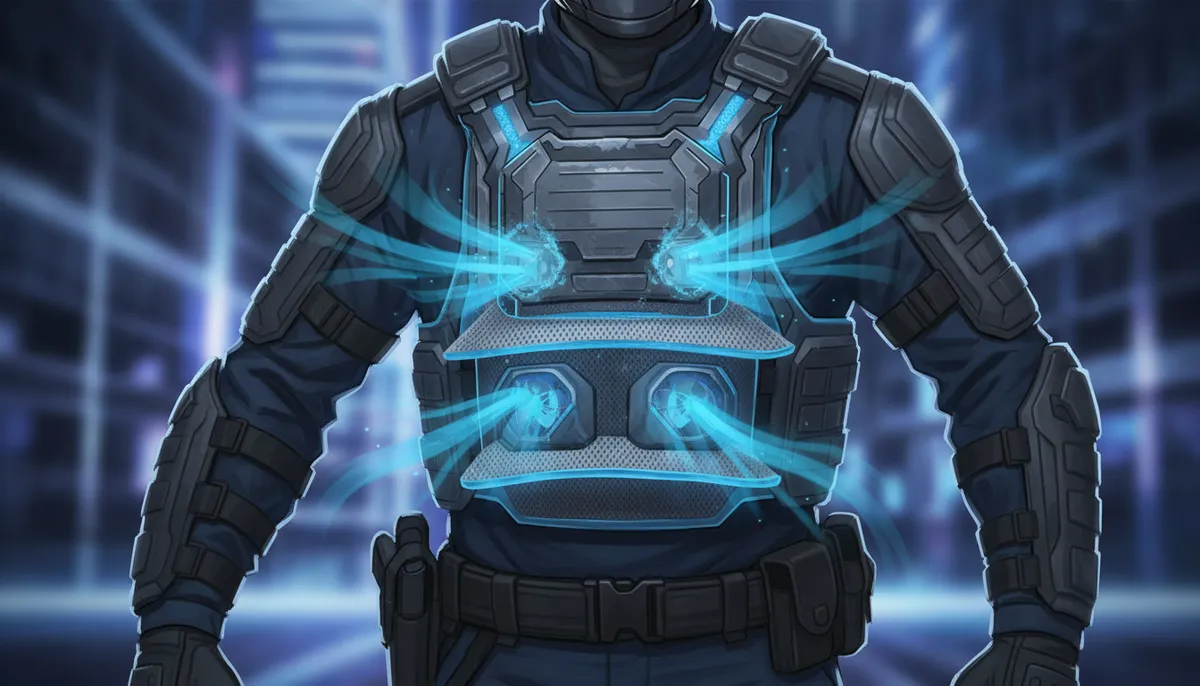
Many professionals get the best results by using both systems together. The BluHalo and BluFano bundle combines passive ventilation with active airflow for superior performance. The vest creates the air gap, and the fan actively circulates fresh air through that space.
This combination is particularly effective for:
- Extremely hot climates where ambient temperature exceeds 90°F regularly
- High-humidity environments where sweat doesn’t evaporate easily
- Extended operations where you can’t access air conditioning for relief
- Tactical situations requiring sustained physical exertion in full gear
The bundled approach costs less than buying items separately, making it a smart investment if you know you need serious cooling power.
Installation and Daily Use Tips
Getting the most from your ventilation system starts with proper setup. Here’s how to install and use your equipment effectively.
Initial Setup
Start with a clean carrier or vest. Remove any existing padding or inserts that might interfere with your ventilation system. Most systems attach with Velcro strips—position them according to the manufacturer’s instructions, typically in the center back panel area.
For inflatable systems like BluHalo, test the inflation before you depend on it in the field. Make sure you can quickly inflate and deflate the vest. Practice doing it while wearing your armor so you know exactly how it feels and operates.
For active fan systems like BluFano, charge the battery fully before first use. Familiarize yourself with the controls and different fan speeds. Check that the air-redirect spout sits comfortably under your armor without creating pressure points.
Daily Maintenance
Good maintenance keeps your equipment working properly and extends its life. After each shift, wipe down your ventilation system with a damp cloth to remove sweat and dirt. Let it air dry completely before storage.
Check Velcro attachments regularly. Lint and debris can reduce holding power over time. Pick out any accumulated fuzz and ensure both hook and loop sides are clean. If attachment strength decreases, replace the Velcro strips.
For battery-powered systems, develop a charging routine. Plug in your fan system at the end of each shift so it’s always ready to go. Keep a backup charging cable in your gear bag in case you need to charge on the go.
Maximizing Cooling Performance
Beyond just having a ventilation system, certain practices help you get maximum cooling benefit throughout your shift.
Layering Strategy
What you wear under your armor affects ventilation performance. Moisture-wicking base layers work better than cotton t-shirts. These technical fabrics pull sweat away from your skin and spread it across a larger surface area where air can evaporate it faster.
Avoid thick or textured shirts that block airflow. Thin, smooth fabrics allow air to move more freely between your skin and the ventilation system. Some officers prefer compression-style shirts that fit close to the body without bulk.
Hydration and Body Temperature
Your ventilation system works better when you’re properly hydrated. Dehydration reduces your body’s ability to cool itself through sweating. Drink water consistently throughout your shift, not just when you feel thirsty. According to OSHA guidelines, staying hydrated is crucial for preventing heat-related illness when working in protective gear.
Take cooling breaks when possible. Even a few minutes in air conditioning gives your body a chance to reduce core temperature. Your ventilation system can then maintain that lower temperature more easily when you return to the heat.
Timing Your Cooling
Use your ventilation system strategically. If you have an on-demand system like BluHalo, inflate it before you know you’ll be in the heat for an extended period. Don’t wait until you’re already overheated—prevention works better than recovery.
For active fan systems, higher speeds drain batteries faster. Use lower speeds for baseline cooling and crank up the power when you really need it. This approach extends battery life while keeping you comfortable all day.
Understanding the Health Benefits
Body armor ventilation isn’t just about comfort—it has real health benefits that affect your safety and performance on the job.
Reduced Heat Stress
Heat stress occurs when your body can’t cool itself effectively. Early symptoms include heavy sweating, weakness, and reduced concentration. If ignored, it can progress to heat exhaustion or life-threatening heat stroke. Officers working in body armor face higher risk because the vest traps heat against vital organs.
Effective ventilation systems reduce core body temperature significantly. Research shows that advanced cooling technologies can lower body temperature by up to 30%. This reduction keeps you in the safe zone even during demanding shifts in hot weather.
Improved Skin Health
Constant moisture against your skin leads to rashes, irritation, and even infections. Many officers deal with chronic skin problems from wearing body armor daily. Ventilation systems reduce these issues by keeping fresh air moving and preventing moisture accumulation.
When sweat evaporates instead of sitting against your skin, you’re less likely to develop the painful rashes and hot spots that plague many armor wearers. Officers using ventilation systems report fewer skin complaints and better overall comfort.
Enhanced Mental Performance
Heat affects your brain as well as your body. Studies show that elevated body temperature impairs decision-making, reaction time, and situational awareness. When you’re overheated, you’re not performing at your best—and in law enforcement or security work, that can be dangerous.
Staying cool helps you stay sharp. Officers using ventilation systems report better focus, improved mood, and increased energy throughout their shifts. When you’re comfortable, you can concentrate on your duties instead of being distracted by discomfort.
Common Mistakes to Avoid
Even with the right equipment, certain mistakes can limit your cooling performance. Here’s what to watch out for:
Neglecting Regular Cleaning
Sweat and bacteria build up on ventilation equipment just like they do on your vest. If you don’t clean your system regularly, it becomes less effective and can even contribute to odor and skin problems. Make cleaning part of your post-shift routine.
Using Damaged Equipment
If your ventilation system has tears, worn Velcro, or failing fans, replace it. Damaged equipment won’t perform properly and may fail when you need it most. Inspect your gear regularly and address any wear and tear immediately.
Forgetting to Charge Batteries
For active systems, dead batteries mean no cooling. Make charging as automatic as cleaning your weapon or checking your radio. Develop a routine so you never start a shift with low battery.
Wearing Incompatible Clothing
Your ventilation system can’t overcome poor clothing choices. Thick cotton shirts or multiple layers block airflow and trap heat. Choose appropriate base layers that work with your ventilation system, not against it.
Future Developments in Body Armor Ventilation
The field of body armor ventilation continues to evolve with new technologies emerging regularly. Understanding what’s coming helps you make informed decisions about when to upgrade your equipment.
Phase-Change Materials
Phase-change materials (PCM) actively respond to your body’s temperature. These materials absorb heat when you’re hot and release it when you cool down, providing automatic temperature regulation. Some newer systems incorporate PCM padding that keeps you cool in hot conditions and warm in cold weather while managing moisture.
Lattice-Based Padding Systems
According to the Body Armor Standards research, lattice-based padding systems improve airflow and comfort while reducing ballistic backface deformation. These advanced designs outperform traditional foam padding by maintaining impact performance without collapsing under continuous load. Ballistic backface deformation can be reduced to just 2-3 mm compared to higher deformation with conventional foams.
Smart Cooling Systems
Future ventilation systems may include sensors that monitor your body temperature and automatically adjust cooling intensity. These smart systems would learn your preferences and adapt to changing conditions throughout your shift without manual adjustment.
The Body Armor Innovation Award 2026 received 17 groundbreaking entries demonstrating significant innovation in thermal management and ventilation solutions. This level of development activity suggests we’ll see continued improvements in cooling technology over the coming years.
Making Your Purchase Decision
You now understand how body armor ventilation works and what features matter most. Here’s how to make your final decision and get the cooling relief you need.
Compare Your Top Options
| System Type | Best For | Price Range | Maintenance |
|---|---|---|---|
| Passive Vest (BluHalo) | Moderate climates, budget-conscious buyers | $60 | Minimal—wipe clean |
| Active Fan (BluFano) | Extreme heat, extended shifts | $100-150 | Battery charging required |
| Combined System | Maximum cooling performance | Bundled discount | Regular cleaning, battery charging |
| Traditional Solutions | Light use, occasional wear | Varies | Varies |
Calculate Your Return on Investment
Quality ventilation systems pay for themselves quickly. Consider the value of:
- Increased work performance and focus throughout your shift
- Reduced sick days from heat-related illness
- Improved job satisfaction and reduced occupational stress
- Fewer skin problems requiring medical treatment
- Extended career longevity by reducing cumulative heat exposure
When you factor in these benefits, even a $150 investment is minimal compared to the daily improvement in your quality of life at work.
Read User Reviews
Before making your final decision, check what other professionals say about the systems you’re considering. The reviews section provides firsthand accounts from law enforcement officers and security professionals about their experiences with different ventilation solutions.
Look for reviews from people in similar roles and climates to yours. Their experiences will give you the most relevant insights about real-world performance.
Take Action and Beat the Heat
You don’t have to suffer through another summer of sweltering under your body armor. Modern ventilation technology offers proven solutions that make a real difference in your daily comfort and performance. Whether you choose a passive ventilation vest, an active fan system, or a combination of both, you’re investing in your health, safety, and job satisfaction.
The professionals at BluHalo have been where you are. The company was founded by a Chicago police officer who got tired of overheating in his vest and decided to do something about it. That firsthand experience shows in every product they design—these are solutions created by people who actually wear body armor, for people who actually wear body armor.
Take the first step toward cooler, more comfortable shifts. Explore the videos to see these systems in action, learn more about the specific products at the About Us page, or head straight to the shop to make your purchase. Your body will thank you on the very first hot day you use it.
If you have questions about which system is right for your specific situation, don’t hesitate to reach out to the team. They understand the challenges you face and can help you choose the perfect cooling solution for your needs. Stay cool out there!
FAQs
Q: How much cooler will I actually feel with a body armor ventilation system?
A: You’ll notice an immediate difference. Research shows advanced cooling technologies can reduce your core body temperature by up to 30%. Most officers report feeling significantly more comfortable within minutes of activating their ventilation system, especially during hot weather shifts.
Q: Can I use a ventilation vest with any type of body armor?
A: Yes! Quality ventilation systems like BluHalo and BluFano work with any style of body armor or plate carrier. They attach with Velcro or straps that fit universally, so you don’t need special equipment or modifications to your existing vest.
Q: Do active fan systems make a lot of noise that could give away my position?
A: Modern fan systems operate very quietly—typically quieter than a computer fan. During normal patrol duties, the sound is barely noticeable and won’t interfere with your work. Most users report that the cooling benefit far outweighs any minimal sound concerns.
Q: How long does a battery-powered fan system last on a single charge?
A: Battery life depends on your fan speed setting. Systems like BluFano can run from 8 hours on the highest setting to 32 hours on the lowest setting. Most officers find that medium settings provide great cooling while lasting their entire shift, with power to spare.
Q: Will a ventilation system reduce the protection level of my body armor?
A: No, ventilation systems don’t affect your armor’s ballistic protection at all. They sit between your body and the armor carrier, creating an air gap for cooling without interfering with the protective plates or panels. Your safety remains exactly the same while your comfort improves dramatically.