Key Takeaways
-
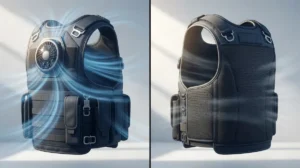
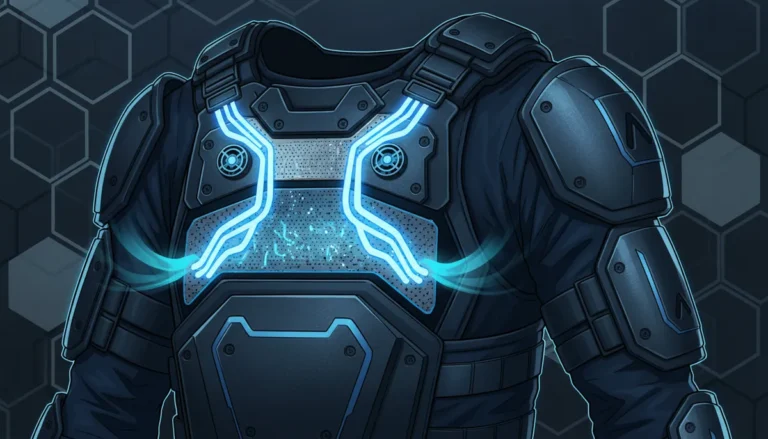
Active ventilation vests with fan systems create continuous airflow under body armor, pushing fresh air to prevent heat buildup and improve officer comfort.
-
Inflatable air gap technology lifts body armor away from the torso, allowing natural heat and moisture escape by creating a physical separation layer.
-
360-degree separation design vests provide full-torso ventilation, offering adaptive cooling and insulation across different weather conditions and shift environments.
-
Evaporative cooling channel systems guide moisture away from the body, maximizing natural cooling through strategic airflow and rapid evaporation paths.
-
Moisture-wicking fabrics pull sweat away from skin and spread it for faster drying, preventing bacterial buildup and maintaining comfort during long shifts.
-
Universal compatibility ventilation systems offer flexible attachment methods that work with multiple body armor configurations, addressing equipment adaptation challenges.
If you wear body armor for a living, you know the struggle. That heavy vest traps heat and sweat against your body, making long shifts feel even longer. Whether you’re a police officer on patrol, a security professional on duty, or a tactical team member in the field, staying cool under body armor isn’t just about comfort—it’s about performance, focus, and safety.
Body armor cooling has come a long way from simply hoping for a breeze. Today’s ventilation technology uses smart design and airflow engineering to create space between your body and your vest, letting heat escape and fresh air circulate. The result? You stay cooler, drier, and more alert throughout your entire shift.
Let’s explore nine proven body armor cooling solutions that can transform how you feel on duty. These aren’t just nice-to-haves—they’re game-changers for anyone who wears protective gear regularly.
1. Active Ventilation Vests with Fan Systems
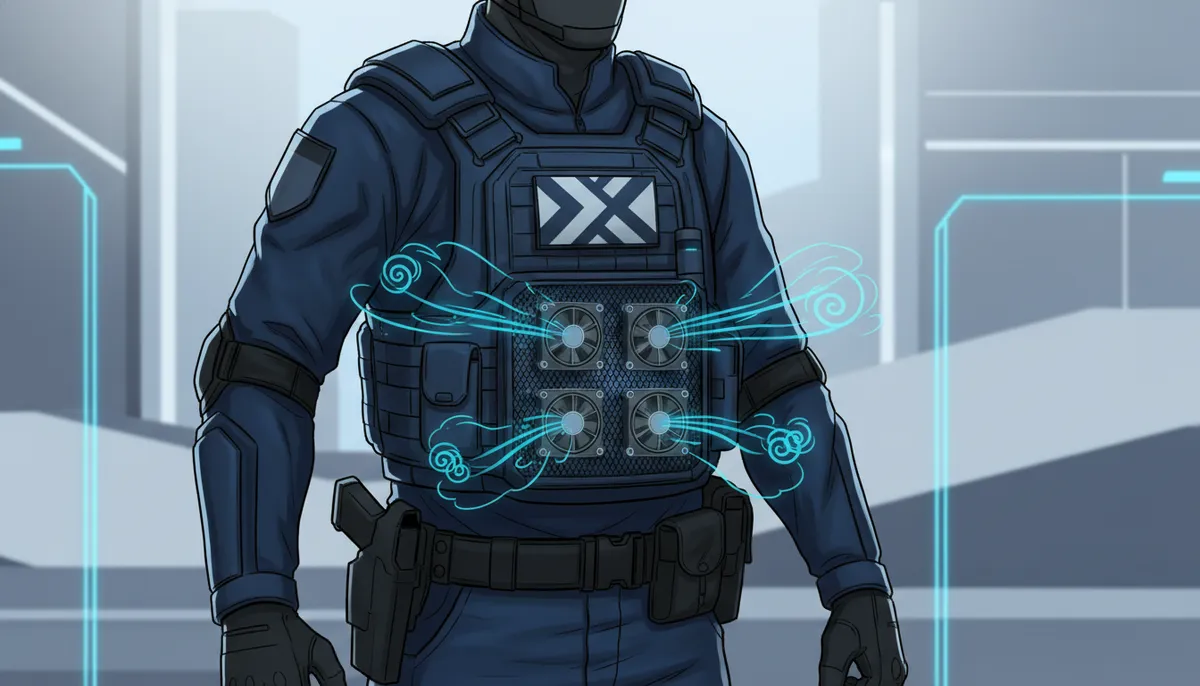
Active ventilation vests represent the cutting edge of body armor cooling technology. These systems use small, quiet fans to push fresh air under your vest, creating continuous airflow that fights heat buildup before it starts. Unlike passive systems that rely on natural air movement, active ventilation takes control of the cooling process.
The Blufano ventilation system stands out in this category with its self-contained design and patented air-redirect spout. It slides easily under any style of body armor and delivers adjustable fan-driven airflow for 8 to 32 hours depending on your setting. Officers love that it includes a built-in 10,000mAh power bank that not only powers the fan but also charges your phone or other USB devices. The forward-facing light adds hands-free illumination when you need it most.
What makes active systems so effective? They create forced convection—continuously moving air across your skin so sweat evaporates quickly. This process mimics what happens when you stand in front of a fan, but it works all day long, right under your vest. Users report feeling noticeably cooler within minutes and staying comfortable even during the hottest summer shifts.
2. Inflatable Air Gap Technology
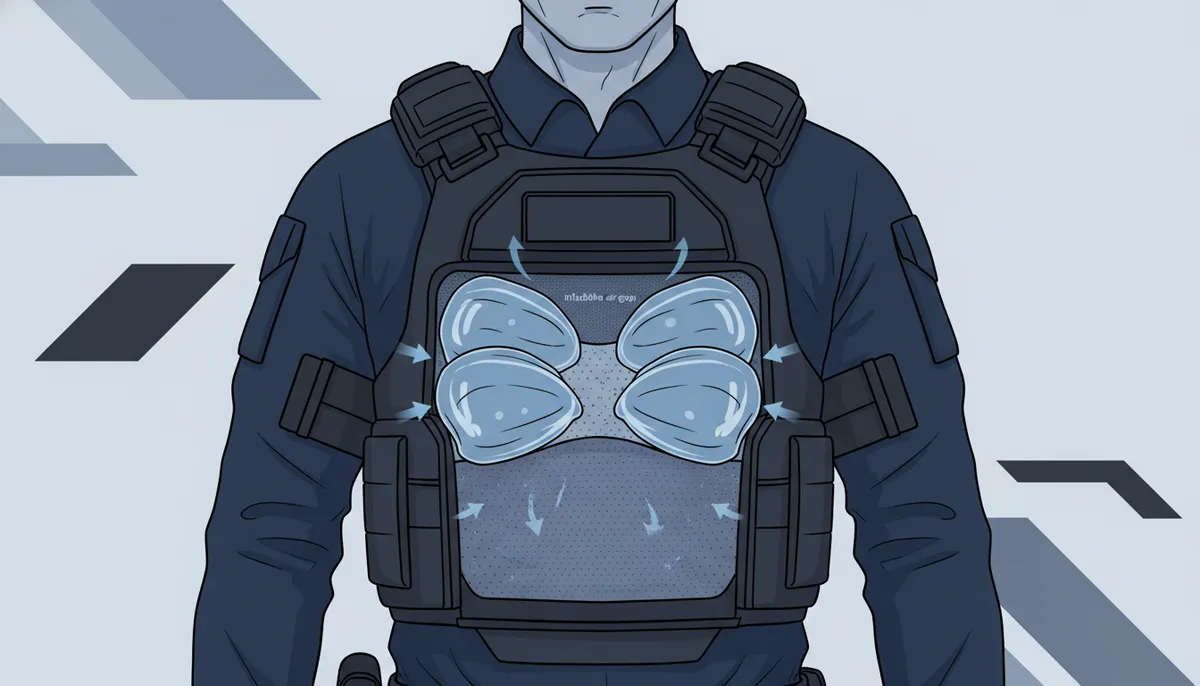
Creating physical space between your body and your armor is one of the simplest yet most effective cooling strategies. Inflatable ventilation vests lift your body armor away from your torso, forming an air gap that allows heat and moisture to escape naturally. This passive cooling approach works with your body’s own temperature regulation system.
The BluHalo ventilation vest exemplifies this technology perfectly. Weighing under 7 ounces, this lightweight vest sits completely flat when deflated, so it’s barely noticeable. When you need cooling relief, simply inflate it with the small pump, and it lifts your vest up to 1.5 inches off your body. That air gap makes a remarkable difference—heat rises naturally away from your skin instead of getting trapped against you.
The cooling-on-demand feature means you control exactly when you need relief. On cooler mornings, leave it deflated. When the afternoon sun beats down or you’re in a tense situation that raises your heart rate, inflate it with a few quick pumps. Need to go low-profile again? Press the deflate button and it flattens instantly. Officers working 12-hour shifts in 95-degree weather consistently praise this simple but effective solution.
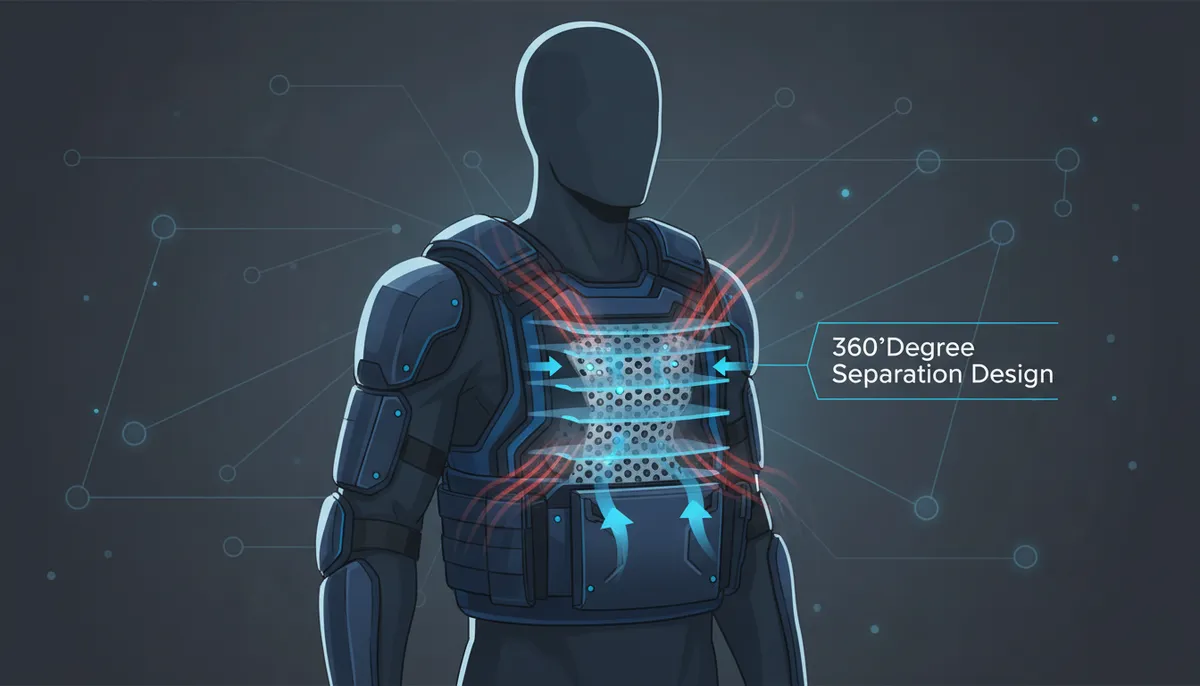
3. 360-Degree Separation Design Vests
Some ventilation vests go beyond simple front-and-back airflow by wrapping cooling technology completely around your torso. The 360-degree separation design creates a full-coverage ventilation system that keeps you cooler in hot weather and warmer in cold conditions—yes, both!
According to OSHA Heat Stress Guide, managing heat exposure is crucial for worker safety and performance. These comprehensive ventilation systems work by maintaining a consistent air layer around your entire trunk. The premium 3D polyester mesh with extra-large perforations maximizes airflow while the adjustable straps provide a customizable fit that works with your specific body armor setup.
What’s surprising about 360-degree designs is their versatility across seasons. In summer heat, the full ventilation keeps sweat from pooling anywhere on your torso. In winter cold, that same air layer provides insulation, keeping you warmer and drier by preventing sweat from chilling against your skin. It’s like having climate control built into your uniform.
| Cooling Method | How It Works | Best For | Average Weight |
|---|---|---|---|
| Active Fan Systems | Forced air circulation | Hot climates, long shifts | 9-12 oz |
| Inflatable Air Gap | Physical separation layer | On-demand cooling | 6-8 oz |
| 360-Degree Mesh | Full-torso ventilation | All-season comfort | 8-10 oz |
| Evaporative Channels | Moisture wicking paths | Moderate activity levels | 5-7 oz |

4. Evaporative Cooling Channel Systems
Your body’s natural cooling mechanism—sweating—works brilliantly when sweat can evaporate. The problem with body armor is that it traps moisture against your skin, making you feel sticky and uncomfortable without actually cooling you down. Evaporative cooling channel systems solve this by creating pathways that guide moisture away while promoting rapid evaporation.
These systems typically use foam-filled vertical air channels combined with horizontal vent holes. As air moves through these channels, it picks up moisture and carries it upward and away from your body. The design forces airflow in a specific pattern that maximizes evaporative cooling—the same principle that makes sweating effective in the first place.
The beauty of evaporative systems is their lightweight, low-profile design. They add minimal bulk under your vest while delivering impressive cooling performance. Officers in humid climates particularly appreciate how these systems keep them feeling fresher throughout their shifts, even when the air feels thick and heavy.
5. Moisture-Wicking Fabric Technology
Sometimes the simplest solutions make the biggest difference. Moisture-wicking fabrics don’t actively cool, but they excel at keeping you dry—and dryness equals comfort. These advanced materials pull sweat away from your skin and spread it across a larger surface area where it can evaporate more quickly.
Modern moisture-wicking vests often incorporate anti-microbial properties to prevent bacteria and odor buildup. Nobody wants to smell like a gym locker after an eight-hour shift. These fabrics stay fresher longer and require less frequent washing, which means less wear and tear over time.
The key is choosing materials with the right balance of wicking speed and breathability. Look for vests with multiple fabric layers—an inner layer that pulls moisture away from your skin and an outer layer that spreads it for rapid drying. This double-action approach keeps you feeling dry even during physically demanding activities or high-stress situations that trigger heavy sweating.
6. Phase Change Material (PCM) Cooling
Phase change materials represent a fascinating approach to body armor cooling. These special materials absorb and release heat as they transition between solid and liquid states, creating a buffer that moderates temperature fluctuations. Think of them as tiny thermal batteries that store coolness and release it gradually.
PCM cooling works particularly well for shorter duration activities or when you can pre-cool the materials. You might freeze or refrigerate PCM packs before your shift, then wear them under your vest. As they warm up to your body temperature, they absorb significant amounts of heat, keeping you cooler for several hours.
The limitation of PCM systems is their finite cooling capacity—once the material fully transitions to liquid, the cooling effect stops until you can recharge it. However, for tactical teams on time-limited operations or officers who can access refrigeration mid-shift, PCM technology provides powerful, predictable cooling performance.
7. Conductive Cooling Combined with Hydration
According to research comparing various body armor cooling methods, conductive cooling combined with proper hydration ranks as the most effective approach. This method transfers heat away from your body through direct contact with cooler materials, while hydration supports your body’s internal temperature regulation.
Conductive cooling typically involves wearing vests with cooling packs or gel inserts that sit against your skin or over a thin base layer. These packs absorb body heat through direct contact, providing immediate cooling relief. When paired with consistent hydration, your body can maintain its natural cooling processes more effectively.
The hydration component is crucial. Water helps your body produce sweat, regulate blood flow, and maintain cardiovascular function—all essential for staying cool. Dehydration quickly undermines any cooling technology you’re using. Smart officers keep water easily accessible and drink regularly throughout their shifts, not just when they feel thirsty.
8. Universal Compatibility Ventilation Systems
One major frustration with body armor cooling solutions is compatibility. Will this vest work with my specific plate carrier? Does it fit under concealable armor? Can I use it with different vest brands? Universal compatibility systems eliminate these headaches by working with virtually any body armor configuration.
The best universal systems use adjustable straps, flexible materials, and non-specific attachment methods. Whether you wear a tactical plate carrier, a concealable soft armor vest, or external body armor, a truly universal ventilation system adapts to your setup. This flexibility matters especially for professionals who switch between different armor types depending on their assignment.
Look for ventilation vests that attach with hook-and-loop fasteners rather than specialized clips or mounts. This simple attachment method works with any vest surface and doesn’t require modifications to your existing gear. You can even move the ventilation system between different vests if needed—perfect for departments where officers share equipment or for individuals who maintain personal and duty vests.
| Feature | Why It Matters | What to Look For |
|---|---|---|
| Adjustable Straps | Custom fit for any body type | Multiple adjustment points |
| Lightweight Design | Reduces additional burden | Under 10 ounces |
| Quick Attachment | Easy on/off between shifts | Hook-and-loop fasteners |
| Durability | Withstands daily duty use | High-tensile materials |
| Quiet Operation | Maintains tactical awareness | Silent or near-silent fans |
9. Combination Systems for Maximum Cooling
Why choose just one cooling method when you can combine them? The most advanced body armor cooling strategies layer multiple technologies to create synergistic effects. A combination system might pair active fan circulation with moisture-wicking fabric, or integrate an inflatable air gap with evaporative channels.
The shop offers bundle options that let you combine BluHalo and Blufano at a discounted price. This pairing gives you the best of both worlds—create an air gap with BluHalo for passive cooling, then add active airflow with Blufano for maximum relief during the hottest parts of your shift. Officers who invest in both report the most dramatic comfort improvements.
Combination systems work because they address cooling from multiple angles simultaneously. While one technology creates airflow, another wicks away moisture. While one provides on-demand relief, another maintains baseline comfort. The result is comprehensive temperature management that keeps you comfortable regardless of conditions or activity level.
According to Body Armor Standards, maintaining officer comfort doesn’t compromise protective capabilities. Modern ventilation systems enhance wearability without interfering with ballistic performance, meaning you stay both safe and comfortable.
Making Body Armor Cooling Work for You
Choosing the right body armor cooling solution depends on your specific needs, environment, and duty requirements. Consider these factors when evaluating your options:
Climate and Environment
Hot, humid climates benefit most from active fan systems and moisture-wicking fabrics that combat both heat and dampness. Dry, desert environments respond well to evaporative cooling since low humidity allows rapid moisture evaporation. If you work in variable conditions, look for versatile systems like 360-degree ventilation that adapt to different temperatures.
Shift Length and Intensity
Longer shifts demand cooling solutions with extended battery life or no power requirements. The Blufano system’s 8-32 hour runtime covers even the longest patrol days. For shorter, high-intensity operations, PCM cooling or conductive systems provide powerful but time-limited relief. Match your cooling capacity to your actual duty hours.
Armor Type and Configuration
Concealable vests worn under uniforms require low-profile cooling that doesn’t create bulk or noise. External plate carriers offer more flexibility for mounting active systems and additional cooling accessories. Make sure any ventilation system you choose is specifically compatible with your armor style—or select a universal design that works with everything.
Budget and Value
Body armor cooling systems range from basic moisture-wicking undershirts at around $35 to advanced combination systems costing $150 or more. Consider this an investment in your daily comfort and long-term health. Heat stress takes a real toll on performance and wellbeing. Many officers find that even premium cooling systems pay for themselves in improved alertness and reduced fatigue.
Maintenance and Durability
Look for systems built from high-strength materials that withstand daily duty use. The BluHalo’s double-layer high-tensile polyethylene construction exemplifies this durability focus. Consider maintenance requirements too—can you easily clean the system? Are replacement parts available? A slightly more expensive system that lasts years outperforms a cheap option that fails after months.
Real-World Results from Body Armor Cooling Technology
The proof of any cooling system lies in how officers actually feel on duty. Testimonials from law enforcement professionals consistently highlight several key benefits:
- Significantly reduced sweating, even during hot summer shifts
- Improved focus and alertness during long patrol days
- Faster cool-down times when returning to air-conditioned vehicles
- Greater willingness to wear body armor consistently
- Reduced heat-related fatigue and discomfort
- Better overall job satisfaction and comfort
One officer working 12-hour days in 95-degree weather described feeling “night and day difference” after adopting ventilation technology. Another noted that vehicle AC became effective again because the cooling vest prevented immediate re-heating when stepping back outside. These aren’t minor improvements—they’re transformative changes that affect daily quality of life.
The psychological benefits matter too. Knowing you have effective cooling technology reduces the mental burden of anticipating another uncomfortable shift. You start your day with confidence rather than dread. That mental shift improves morale and job satisfaction in ways that extend beyond simple temperature control.
Installation and Daily Use Tips
Getting the most from your body armor cooling system requires proper setup and consistent use. Follow these practical tips:
- Attach ventilation vests to clean, dry body armor using the provided fasteners
- Position active fan systems where airflow will reach the largest surface area
- Inflate air gap vests just enough to create separation without excessive bulk
- Start cooling systems before you feel overheated for best results
- Combine cooling technology with proper hydration throughout your shift
- Clean and maintain your cooling system regularly according to manufacturer guidelines
- Charge battery-powered systems overnight so they’re ready each morning
- Adjust straps and fit during cooler times for accurate sizing
The Science Behind Effective Cooling
Understanding how body armor cooling works helps you use it more effectively. Your body generates heat constantly through metabolism and muscle activity. Normally, this heat dissipates through radiation, convection, and evaporation. Body armor disrupts all three processes by creating an insulating layer against your torso.
Radiation cooling requires heat to move from warmer to cooler surfaces. When your vest traps warm air against your body, radiation stops working. Convection cooling needs air movement across your skin—impossible when armor sits flush against you. Evaporative cooling depends on moisture escaping into the air, but trapped sweat just makes you soggy without cooling you down.
Effective cooling systems restore one or more of these natural processes. Ventilation creates airflow for convection. Air gaps allow radiation. Wicking fabrics and evaporative channels promote moisture movement. Active fans enhance all three mechanisms simultaneously. The best systems work with your body’s natural cooling ability rather than fighting against it.
Stay Cool, Stay Focused, Stay Safe
Body armor cooling isn’t a luxury—it’s a practical necessity for anyone who wears protective gear regularly. Heat stress affects your ability to think clearly, react quickly, and perform effectively when it matters most. The right cooling technology transforms your experience on duty, keeping you comfortable, alert, and focused throughout even the longest, hottest shifts.
Whether you choose an active fan system like Blufano, an inflatable air gap vest like BluHalo, or a combination approach, investing in proper body armor cooling pays dividends daily. You’ll feel better, work better, and go home feeling less exhausted. Your body will thank you, your performance will improve, and your overall job satisfaction will increase.
Don’t let another summer of suffering go by. Explore the cooling solutions that fit your specific needs and experience the difference proper ventilation makes. Visit the home page to learn more about how modern cooling technology can transform your time on duty. Check out the reviews from officers who’ve already made the switch and discover why so many professionals rely on advanced ventilation systems to stay cool under pressure.
Your comfort matters. Your performance matters. Your wellbeing matters. Body armor cooling technology addresses all three, giving you the relief you deserve while wearing the protection you need. Ready to feel the difference? Get in touch with our team to find the perfect cooling solution for your specific duty requirements and start experiencing truly comfortable shifts, no matter how hot it gets outside.
FAQs
Q: How does body armor cooling technology actually work?
A: Body armor cooling works by creating space between your body and vest, allowing trapped heat and moisture to escape. Active systems use small fans to push fresh air under your armor, while passive systems create an air gap that lets heat rise naturally away from your skin. Both methods restore your body’s natural cooling processes that body armor normally blocks.
Q: Can I use cooling vests with any type of body armor?
A: Yes! Most modern cooling vests feature universal designs that work with any plate carrier, concealable vest, or external armor. Look for systems with adjustable straps and hook-and-loop fasteners rather than specialized mounts. These attach easily to any vest surface without requiring modifications to your existing gear.
Q: How long do battery-powered cooling systems last on a single charge?
A: Battery life varies by system and fan speed setting. Quality systems like Blufano provide 8-32 hours of runtime depending on airflow intensity. Most officers run their systems at medium speed and easily get through 12-hour shifts without recharging. Higher settings provide more cooling but drain batteries faster, so adjust based on conditions.
Q: Will adding a cooling vest make my body armor bulkier or more noticeable?
A: Not with the right system. Modern cooling vests are designed to be low-profile, with most weighing under 10 ounces. Inflatable air gap vests like BluHalo sit completely flat when deflated, adding virtually no bulk. Active fan systems are compact and fit discreetly under your armor without creating obvious outlines or interfering with your uniform appearance.
Q: What’s the best body armor cooling method for extremely hot climates?
A: Active fan systems provide the most powerful cooling in extreme heat because they continuously move air under your vest regardless of outside conditions. Combining an active system with moisture-wicking fabrics delivers even better results. For the ultimate setup, pair BluHalo’s air gap technology with Blufano’s active airflow for maximum cooling performance during the hottest shifts.