Key Takeaways
-
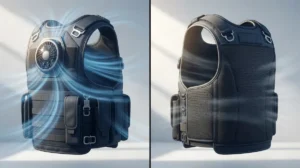
Inflate-deflate body armor cooling creates an air gap of up to 1.5 inches between your vest and body, allowing natural convection to cool you down without batteries, power sources, or continuous operation.
-
The system requires zero batteries and uses a simple hand pump for inflation with instant deflation via button press, eliminating charging concerns during 12-hour shifts and reducing gear management burden.
-
The BluHalo device weighs only 7 ounces and lies completely flat when deflated under uniforms, maintaining professional appearance while adding no noticeable bulk to existing gear loads.
-
Ballistic protection remains fully intact because the cooling device sits between your body and armor layers rather than within protective layers themselves, addressing the primary safety concern.
-
Inflation takes just a few quick pump strokes and deflation takes seconds, enabling officers to get immediate relief during slow patrol moments without planning ahead or waiting.
-
This on-demand cooling system works best for law enforcement, military, and security professionals working long shifts in heat, providing quick relief throughout the day compared to continuous fan systems that drain batteries.
If you’ve ever finished a shift soaked in sweat under 20 pounds of ballistic armor, you already know the struggle is real. Heat builds up fast under a vest, and there’s nowhere for it to go. That’s where inflate deflate body armor cooling comes in, and honestly, it’s one of the coolest (pun intended) innovations we’ve seen in the ventilation vest world lately.
This technology lets you create instant airflow under your armor with a quick pump, then flatten it right back down when you don’t need it. No batteries, no bulk, no fuss. Whether you’re a police officer working a double shift, a soldier in a hot zone, or a security pro standing post in the summer sun, this guide breaks down everything you need to know. Let’s dig into the 14 facts that matter most, so you can make a smart choice for your comfort and safety.

1. What Inflate Deflate Body Armor Cooling Actually Means
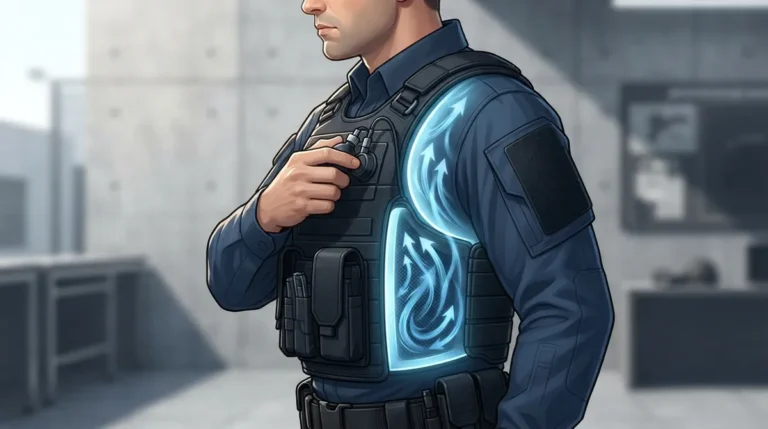
At its core, this is a simple idea done really well. A thin device sits between your body and your armor. When you pump it up, it lifts your vest away from your skin. When you’re done, you press a button and it goes flat again. That’s it. No complicated wiring, no charging cables, just smart, on-demand relief whenever you need it.
This approach is different from fan-based systems that run continuously. Instead, it gives you control. You decide when to cool down, and the device stays out of your way the rest of the time. If you want to see how this fits into the bigger picture of vest technology, check out our guide on what body armor vent actually is and why you need one.
2. How the Air Gap Creates Real Cooling Relief
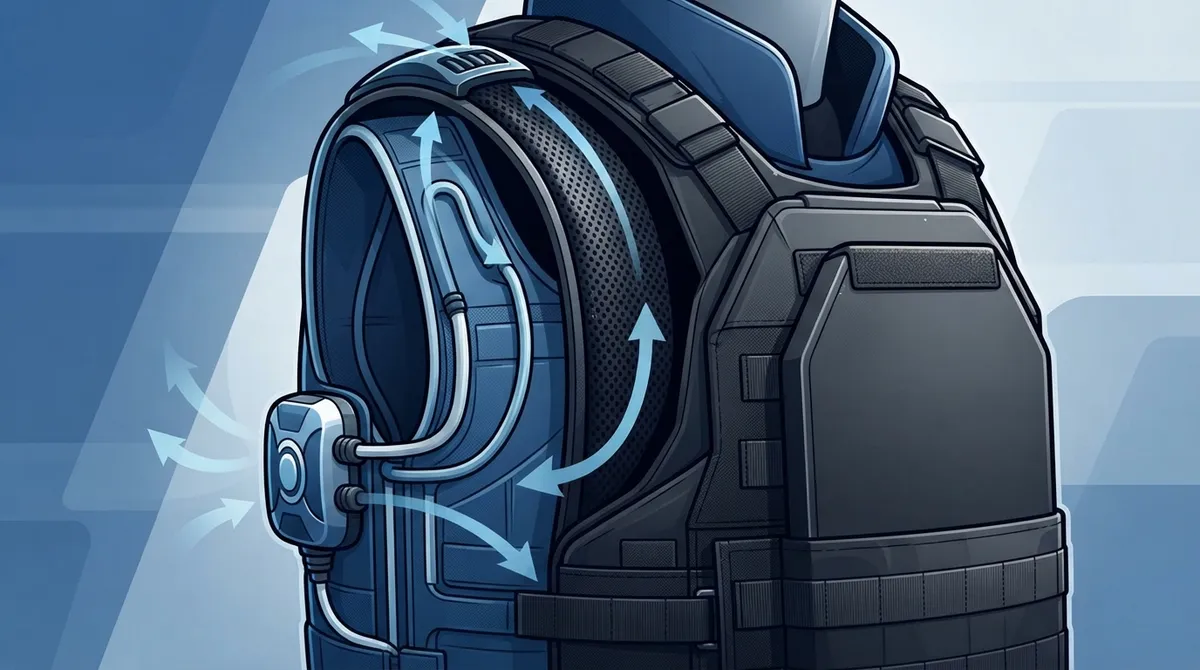
When you inflate the device, it can lift your vest up to 1.5 inches off your body. That might not sound like much, but it makes a huge difference. This gap lets air move freely underneath your armor instead of getting trapped against your skin.
Natural convection does the rest of the work. Warm air rises and escapes, while cooler air flows in to replace it. It’s a simple physics trick that gives your body a chance to breathe, even while you’re wearing heavy protective gear all day long.
3. No Batteries Needed, Ever
One of the best parts about this type of cooling is that it doesn’t rely on any power source. You inflate it with a small hand pump, and it stays inflated until you decide to let the air out. This means you’ll never be stuck with a dead battery in the middle of a shift.
For officers and responders who already carry radios, flashlights, and other battery-powered tools, this is a welcome relief. One less thing to charge, one less thing to worry about when you’re heading out the door.
Why This Matters for Long Shifts
Twelve-hour shifts are common in law enforcement and security work. Having a cooling device that never runs out of juice means you get relief exactly when you need it, shift after shift, without planning around charge cycles.
4. Lightweight Design That Won’t Slow You Down
The BluHalo device weighs just 7 ounces. That’s lighter than a smartphone. When it’s deflated, it sits completely flat under your uniform, so nobody can tell it’s even there. You get all the benefit without adding bulk to your gear setup.
This matters a lot for tactical teams and military personnel who already carry heavy loads. Adding a cooling system shouldn’t mean adding weight you don’t need. Learn more about how this fits into BluHalo’s full ventilation system for everyday heroes.
5. Quick and Easy Attachment to Your Vest
Setting up your cooling device is simple. It attaches using Velcro patches on the underside, so you can secure it firmly to your existing armor. There’s no need for special tools or professional installation.
Here’s a quick rundown of the process:
- Clean the surface of your vest where the device will attach.
- Press the Velcro side of the device firmly against the vest.
- Check that it’s secure and won’t shift during movement.
- Inflate with the hand pump when you need cooling.
- Press the button to deflate when you’re done.
That’s the whole process. Once it’s attached, you’re ready to go for the entire life of the device.
6. Does Inflating It Compromise Ballistic Protection?
This is probably the most common question we hear, and it makes total sense. Nobody wants to trade safety for comfort. The good news is that these devices sit between your body and your armor, not within the protective layers themselves.
Because of this placement, ballistic protection stays intact. Some experts even suggest the buffer zone created by the device may help reduce backface deformation, which is the indentation that happens on the inside of a vest after an impact. For more on this, the Body Armor Standards from the National Institute of Justice offer solid background on how ballistic protection works.
7. On-Demand Cooling vs Continuous Airflow Systems
Not all ventilation vests work the same way. Some, like BluHalo, give you cooling on demand through inflation. Others, like our BluFano system, use fans to circulate air continuously throughout your shift.
Here’s how they stack up against each other:
| Feature | BluHalo (Inflate/Deflate) | BluFano (Active Fan) |
|---|---|---|
| Power Source | None needed, manual pump | 10,000mAh battery pack |
| Weight | 7 ounces | Slightly heavier due to fan and battery |
| Cooling Style | On-demand air gap | Continuous airflow, 8-32 hours |
| Extra Features | Flat profile when deflated | USB charging port, built-in light |
| Best For | Quick relief throughout shift | All-day continuous cooling |
Both systems have their place, and honestly, some people love bundling them together for maximum comfort. You can explore both options in our shop to see what fits your needs best.
8. How Fast Can You Inflate and Deflate the Device
Speed matters when you need relief right now. The pump takes just a few quick strokes to fully inflate the device, lifting your vest away from your body almost instantly. Deflating is even faster. One press of the button, and it’s flat again within seconds.
This quick response time is a big reason why officers love this system. You don’t have to wait around or plan ahead. When the heat hits, you pump it up and get relief right away.
9. Wearing It Under a Standard Uniform
Because the device lies completely flat when deflated, it disappears under your uniform. There’s no visible bulge, no awkward shape showing through your shirt. You can wear it every single day without anyone noticing it’s there, until you need it.
This low profile design is especially important for officers who need to maintain a professional appearance while on duty. Nobody wants gear that looks bulky or unprofessional, and this solves that problem completely.
10. Built From Durable, High-Strength Materials
These devices use double-layer, high-strength, high-tensile polyethylene. That’s a fancy way of saying they’re built tough. Daily wear and tear, repeated inflation cycles, and rough conditions won’t break this thing down easily.
Durability matters a lot for professionals who use their gear every single day. You need something that holds up to real-world conditions, not just a demo in a showroom. If you want to see real feedback from users, our reviews page has plenty of firsthand accounts.
11. Who Benefits Most From This Technology
While anyone wearing body armor can benefit, some groups feel the difference more than others. Here’s a quick breakdown:
- Law Enforcement Officers: Long patrol shifts in hot cars and on foot patrol create constant heat buildup.
- Military Personnel: Deployed troops in desert or tropical climates face extreme heat while carrying heavy loads.
- Security Professionals: Standing guard for hours in direct sun with no relief in sight.
- Tactical and SWAT Teams: High-intensity operations demand peak performance, and overheating slows reaction time.
- Emergency Response Personnel: Firefighters and hazmat teams often wear gear in extreme conditions where heat exhaustion is a real risk.
No matter which group you fall into, the goal is the same: stay cool, stay focused, stay safe. According to the OSHA Heat Stress Guide, heat exposure can seriously affect job performance and safety, which is exactly why this kind of gear matters so much.
12. Real Stories From Officers Who Use It
We’ve heard from officers working 12-hour shifts in 95-degree heat who say this device changed their entire day. Instead of sweating through their uniform by lunch, they get quick relief whenever they need it. That kind of feedback keeps us motivated to keep improving.
One officer put it simply: pumping up the device during a slow moment on patrol felt like a small vacation from the heat. That’s the kind of everyday comfort we’re aiming for with every product we make.
13. Comparing Passive and Active Cooling Options
It helps to understand where inflate deflate systems fit compared to other cooling methods on the market. Here’s a simple comparison:
| Cooling Type | How It Works | Power Needed | Best Use Case |
|---|---|---|---|
| Inflate/Deflate (BluHalo) | Manual pump creates air gap | None | Quick relief on demand |
| Fan-Driven (BluFano) | Battery-powered fan circulates air | Rechargeable battery | Continuous all-day cooling |
| Mesh Panels | Passive airflow through fabric | None | Light, everyday breathability |
| Phase Change Packs | Cooling gel or ice packs | None, but needs freezing | Short bursts of intense cooling |
Each option has its strengths. If you want a deep dive into how these compare, check out our article on passive versus active tactical vest ventilation to see which wins for your specific situation.
14. Getting the Most Out of Your Cooling Device
To really maximize comfort, a few small habits go a long way. Inflate the device before your body temperature spikes, not after you’re already overheated. Prevention works better than trying to cool down once you’re already drenched in sweat.
Also, make sure the Velcro attachment stays clean and secure. A loose fit can reduce the effectiveness of the air gap. Finally, don’t be afraid to inflate and deflate multiple times throughout your shift. That’s exactly what the device is designed for, cooling on demand, whenever you need it.
For officers who combine this with other gear, our guide on how to prevent heat stress while wearing body armor offers even more practical tips.
Why BluHalo Leads the Way in On-Demand Cooling
We designed BluHalo with real feedback from a Chicago police officer who knew firsthand how brutal overheating can be on a long shift. That firsthand experience shaped every part of this product, from the lightweight materials to the instant inflate-deflate mechanism.
If you want continuous cooling instead, our BluFano system offers 8 to 32 hours of fan-driven airflow with a built-in power bank that even charges your phone. Many of our customers love bundling both systems together for the ultimate comfort setup. You can learn more about our story and mission on our about us page.
Staying cool under body armor isn’t a luxury, it’s a necessity for doing your job well and staying safe. Whether you choose on-demand inflation or continuous fan cooling, taking heat seriously protects your health and your performance. Ready to experience the difference for yourself? Reach out to our team today and let’s find the right cooling solution for your gear.
FAQs
Q: How does on-demand body armor cooling work without batteries?
A: It’s simpler than you’d think! A small hand pump inflates the device, lifting your vest up to 1.5 inches off your body to create an air gap. No batteries, no charging, just quick manual pumps whenever you need relief.
Q: Does inflating a ventilation vest compromise ballistic protection?
A: Not at all, and we know that’s a big worry. The device sits between your body and the armor, not within the protective layers, so your ballistic protection stays exactly as strong as it should be.
Q: What is the difference between on-demand inflation and fan-driven cooling vests?
A: On-demand systems like BluHalo give you quick, manual cooling whenever you pump it up, while fan-driven systems like BluFano provide continuous airflow for 8 to 32 hours using a rechargeable battery. Both are great, it just depends on whether you want instant bursts or all-day steady cooling.
Q: How long does it take to inflate and deflate a body armor cooling device?
A: It’s super fast! A few quick pumps get it fully inflated, and one press of a button flattens it right back down in seconds. That’s the beauty of cooling on demand.
Q: Can you wear an inflatable cooling device under a standard police uniform?
A: Absolutely, that’s exactly what it’s built for. When deflated, the device lies completely flat and stays hidden under your uniform, so you get all the benefits without any bulk or visible bumps.