Key Takeaways
-
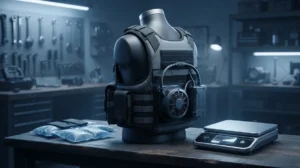
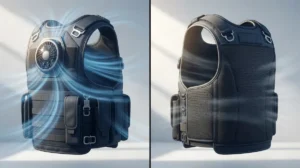
BluHalo’s inflatable lift system creates up to 1.5 inches of air gap between armor and body, significantly outperforming standard 8mm mesh spacers for heat dissipation during long shifts.
-
Proper fit is critical to ventilation effectiveness; armor that’s too tight collapses airflow channels and renders ventilation technology useless, so maintain snug fit with two-finger side clearance.
-
Research shows lift ventilation systems increase evaporative cooling by 15% and reduce thermal resistance by 9%, with measurable improvements in cognitive performance and reaction time during extended duty.
-
Active systems like BluHalo and Blufano offer on-demand cooling control, while passive mesh systems require no batteries or maintenance; combining both provides maximum protection for extreme heat environments.
-
Most modern lift ventilation systems are compatible with soft armor, plate carriers, and standard law enforcement vests, though verifying compatibility with your specific vest model before purchase is essential.
-
Heat buildup under body armor impairs job performance and increases heat-related illness risk; ventilation systems address this OSHA-recognized workplace hazard, making them a genuine safety investment not just comfort upgrade.
If you’ve ever finished a long shift soaked in sweat under your vest, you already know the struggle. Your body armor traps heat like a tiny oven strapped to your chest. That’s where a body armor lift ventilation system comes in, and honestly, it’s one of the best things to happen to daily gear in years. These systems create real breathing room between your skin and your armor, so trapped heat and sweat finally have somewhere to go.
In this friendly guide, we’ll walk through how lift ventilation actually works, compare inflatable versus mesh-style systems, and help you figure out which one fits your job best. Whether you’re patrolling the streets, running security details, or gearing up for a tactical op, staying cool isn’t just about comfort. It’s about staying sharp. Let’s dig in together.
What Is a Body Armor Lift Ventilation System?
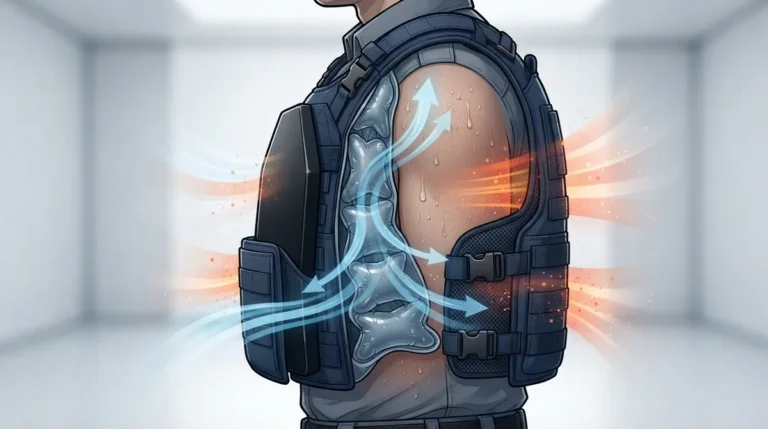
A body armor lift ventilation system is a garment or device worn between your skin and your vest. Its whole job is to physically lift your armor away from your body, even if it’s just by an inch or two. That small gap makes a huge difference, letting fresh air flow in and pushing hot, sticky air out.
Some systems use simple foam spacers or mesh channels. Others, like BluHalo, use an inflatable design that lifts your vest up to 1.5 inches off your body at the push of a button. That’s a serious gap compared to standard mesh, and it makes a noticeable difference on hot, humid shifts.
The “Oven Effect” Nobody Talks About Enough
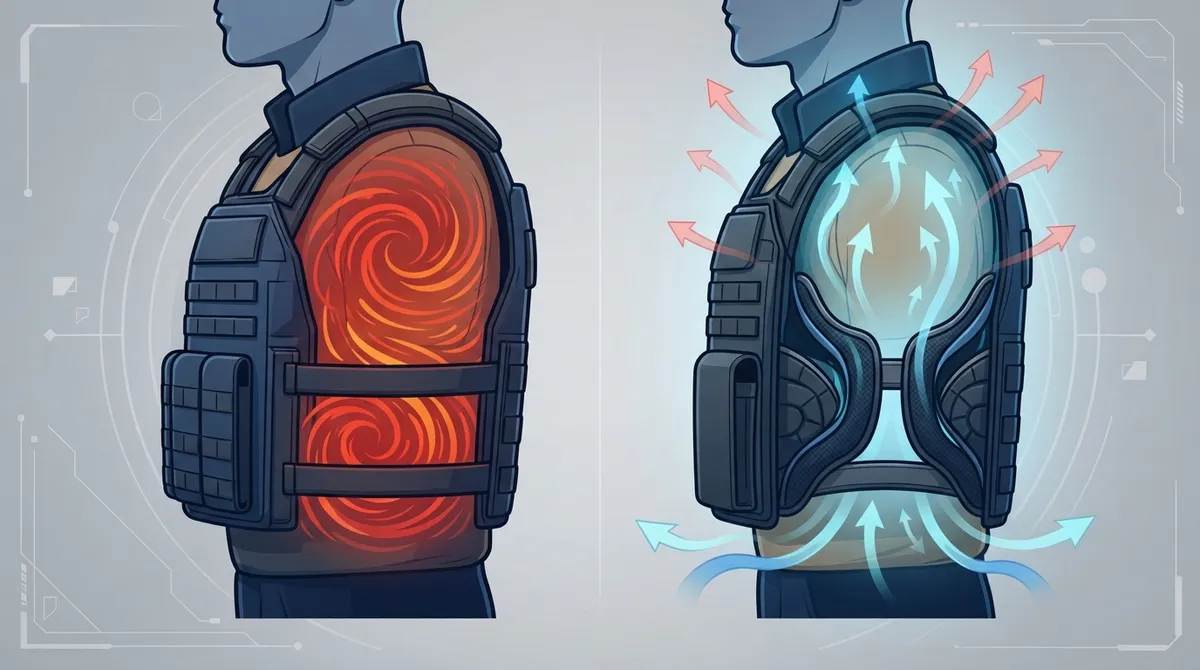
Ever notice how your vest feels like a heat trap after just an hour? That’s called the oven effect. Your armor blocks airflow, and your body heat and sweat just build up with nowhere to go. Research shows this buildup doesn’t just make you uncomfortable, it actually hurts your cognitive performance and reaction time on the job.
A lift system breaks this cycle. By creating that physical standoff gap, it lets moisture evaporate and heat escape instead of soaking into your uniform. It’s a small design change with a big impact on how you feel by hour eight of a twelve-hour shift.
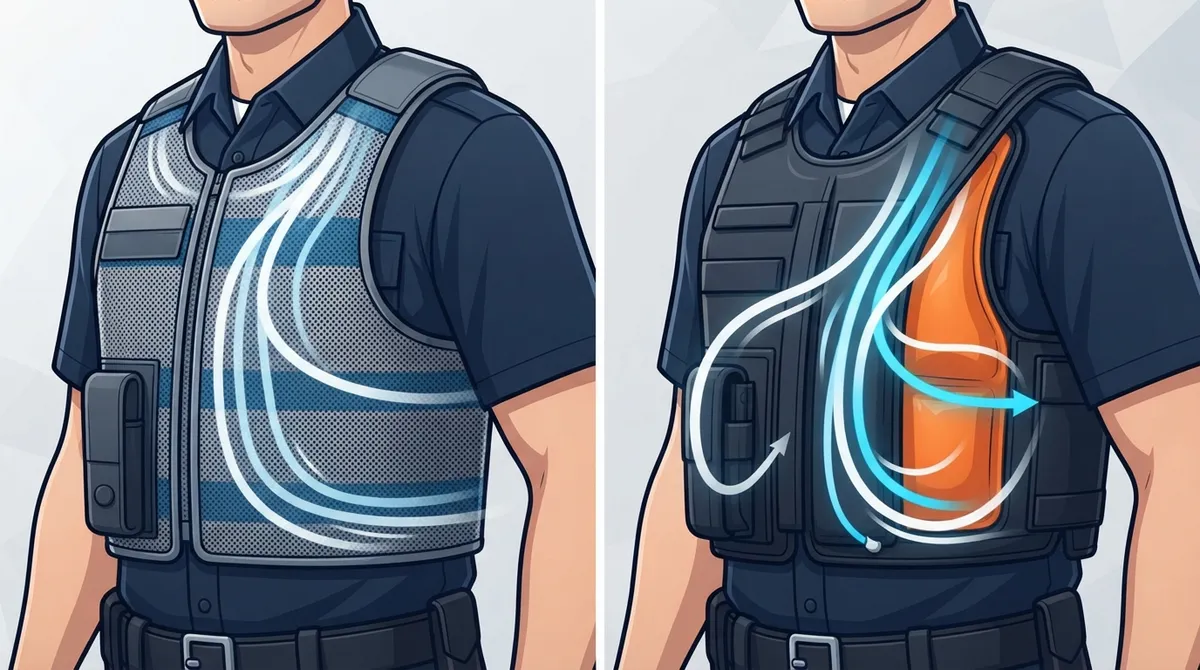
Passive vs. Active Lift Systems: What’s the Difference?
Not all ventilation systems work the same way. Broadly speaking, they fall into two camps: passive and active. Understanding the difference helps you pick the right one for your role.
- Passive systems use foam channels, mesh, or fixed spacers (often around 8mm thick) to create airflow without any power source.
- Active systems use fans or inflatable bladders to actively push air or lift the vest, giving you more control and stronger airflow.
- Passive options like the Maxx-Dri 4.0 are maintenance-free, with no batteries or moving parts to worry about.
- Active options like BluHalo and Blufano give you cooling-on-demand, letting you adjust airflow exactly when you need it most.
Both types have their place, but if you want serious lift and real cooling relief on demand, active systems tend to win out. Let’s compare them side by side.
Comparison Table: Inflatable Lift vs. Mesh Spacer Systems
| Feature | Inflatable Lift System (BluHalo) | Mesh Spacer System |
|---|---|---|
| Lift Height | Up to 1.5 inches when inflated | Fixed, typically around 8mm |
| Power Source | Manual pump, no batteries | None needed |
| Weight | Under 7 ounces | Varies, usually lightweight |
| Adjustability | Inflate/deflate on demand | Fixed, no adjustment |
| Profile When Not in Use | Lies flat when deflated | Always bulky |
| Maintenance | Minimal, wipe clean | None required |
As you can see, inflatable lift systems give you more control and a bigger air gap when you need it most. That’s a big win during long, hot shifts. If you want an even more active approach, fan-based systems like Blufano add continuous airflow on top of the lift concept.
How Does the BluHalo Lift Ventilation System Work?
BluHalo was actually designed by a Chicago police officer who got tired of sweating through every shift. It attaches to your clean vest with Velcro and sits flat and unnoticeable until you need it. When you’re ready for relief, a small pump inflates it, lifting your armor up to 1.5 inches off your body to create that cooling air gap.
Need to deflate it quickly? Just press a button and it flattens right back down. This makes it easy to use under any uniform without looking bulky or awkward. It’s built from double-layer, high-tensile polyethylene, so it holds up to daily wear and tear without falling apart.
Steps to Get the Most Out of Your Lift System
- Attach the ventilation vest securely to your body armor using the Velcro strips provided.
- Make sure your armor still fits snugly but not overly tight, since a too-tight fit can crush the air channels.
- Inflate the system using the pump whenever you feel heat building up during your shift.
- Adjust the fit as needed throughout the day to maintain steady airflow.
- Deflate it with the quick-release button when you’re off duty or need a low profile.
Getting this fit right matters more than people realize. Check out our guide on how to choose the right body armor ventilation vest for more tips on nailing that perfect fit.
Why Fit Matters More Than You Think
Here’s something a lot of folks miss. A vest that’s too tight collapses the airflow channels, no matter how good your ventilation system is. That fancy lift technology can’t do its job if your armor is squeezing it flat.
Think of it like a garden hose. If someone steps on it, water can’t flow no matter how strong your faucet is. Same idea here. You need just enough room for that gap to breathe. This is especially true for tactical teams wearing heavier plate carriers, where proper fit becomes even more critical.
Quick Fit Checklist
- Your armor should feel snug but allow you to take a full breath comfortably.
- You should be able to slide two fingers between your vest and body at the sides.
- Check that straps aren’t overly tightened, which can compress ventilation channels.
- Reassess fit if you’ve changed uniforms, added layers, or gained/lost weight.
Active Cooling: Meet the Blufano Fan System
While BluHalo focuses on lift and gap creation, Blufano takes things a step further with active airflow. It’s a self-contained fan unit with a patented air-redirect spout that slides under any body armor style. You can secure it with an optional strap for extra stability during active duty.
The best part? It runs anywhere from 8 to 32 hours depending on your fan setting, thanks to a built-in 10,000mAh power bank. That same power bank can charge your phone or radio too, which is a nice bonus during long shifts. It even has a forward-facing light for those low-visibility situations.
When to Choose Fan-Based Airflow Over Lift Alone
- If you work in extremely hot or humid climates where passive lift alone isn’t enough.
- If you need adjustable airflow intensity throughout a 12-hour shift.
- If you want a device that doubles as a backup power source for your phone or radio.
- If you’re in a role requiring extended outdoor exposure, like security or patrol work in summer heat.
Many officers actually combine both products for maximum comfort. You get the physical lift from BluHalo plus the continuous fan-powered airflow from Blufano. It’s like a one-two punch against heat buildup.
Who Benefits Most From Lift Ventilation Systems?
Honestly, almost anyone wearing body armor for long stretches benefits from better airflow. But some roles feel the heat more than others.
| Professional Group | Main Challenge | How Lift Ventilation Helps |
|---|---|---|
| Law Enforcement Officers | 12-hour shifts in patrol cars and on foot | Reduces sweat buildup, keeps focus sharp |
| Military Personnel | Extended missions in extreme heat | Prevents heat exhaustion during long deployments |
| Security Professionals | Standing posts for hours in varied climates | Improves comfort during static, low-movement duty |
| Tactical/SWAT Teams | Heavy plate carriers during high-intensity ops | Maintains peak physical performance under stress |
| Emergency Responders | Protective gear in extreme heat conditions | Helps prevent heat-related illness on scene |
Research backs this up too. A thermal manikin study on passive ventilation vests found they increased evaporative cooling potential by about 15% and reduced thermal resistance by 9% compared to wearing armor alone. That’s a real, measurable improvement, not just marketing talk.
Compatibility With Your Existing Gear
One question we hear a lot is whether these systems work with existing plate carriers or soft armor. Good news, most lift ventilation systems, including BluHalo and Blufano, are built to be compatible with a wide range of soft armor, plate carriers, and carrier-style vests common in law enforcement and EMS work.
That said, always double-check your specific vest model before buying. You can browse our full shop to see which options pair best with your gear, or check out real customer reviews to see how others have used these systems with their own armor setups.
Common Compatibility Questions
- Does it work with soft body armor as well as hard plate carriers? Yes, most systems attach with adjustable straps or Velcro that fit either type.
- Will it work under a uniform shirt? Most lift systems sit flat enough to wear discreetly under standard uniforms.
- Can I use it with older vest models? In most cases yes, though checking product specs first is always smart.
For more specifics, our guide to choosing the best police vest ventilation system breaks down compatibility by vest type in more detail.
Safety Standards and Why They Matter
When you’re choosing gear that goes under your body armor, safety and compliance matter. It’s smart to review Body Armor Standards to understand how your protective gear is tested and rated. Ventilation systems shouldn’t interfere with your armor’s protective capabilities, and reputable manufacturers design their products with this in mind.
Heat stress itself is a recognized workplace hazard too. The OSHA Heat Stress Guide outlines just how serious overheating can be for outdoor and physically demanding jobs, reinforcing why proper ventilation isn’t just a comfort upgrade. It’s a genuine safety measure for anyone working long hours in heavy gear.
Making the Right Choice for Your Role
So which system wins, inflatable lift or mesh spacer? Honestly, it depends on your daily grind. If you want maintenance-free simplicity, a passive mesh spacer might suit you fine. But if you want serious, adjustable lift with real cooling-on-demand, an active system like BluHalo pulls ahead.
And if you’re facing extreme heat regularly, pairing BluHalo’s lift technology with Blufano’s fan-powered airflow gives you the best of both worlds. Many of our customers do exactly this, especially those working long shifts in hot climates.
We’d love to help you find your perfect setup. Feel free to reach out to our team with any questions about which system fits your gear and your job best. You can also check out our videos to see these systems in action before you decide.
Wrapping It Up
Staying cool under body armor isn’t a luxury, it’s a genuine performance and safety necessity. A body armor lift ventilation system creates the breathing room your body desperately needs during long, hot shifts. Whether you choose an inflatable option like BluHalo, an active fan system like Blufano, or a combination of both, you’re investing in comfort that pays off every single day on the job.
Ready to experience the difference for yourself? Browse our full lineup and find the perfect ventilation solution for your gear today.
FAQs
Q: How does a body armor lift ventilation system work?
A: It creates a physical gap between your skin and your armor, letting fresh air flow in and heat escape. Systems like BluHalo use an inflatable design to lift the vest up to 1.5 inches, giving you a much bigger cooling gap than standard mesh.
Q: What is the difference between active and passive body armor ventilation vests?
A: Passive systems use foam or mesh spacers with no power needed, while active systems use fans or inflatable bladders for adjustable, on-demand airflow. Active options like BluHalo and Blufano give you more control when you really need to cool down.
Q: Do ventilation vests really keep body armor cooler?
A: Yes, studies show passive ventilation vests can boost evaporative cooling by around 15% and cut thermal resistance by 9% compared to wearing armor alone. That’s a real, measurable difference you can feel during a long shift.
Q: How much does a BluHalo ventilation vest lift body armor off the body?
A: BluHalo can lift your vest up to about 1.5 inches off your body when inflated. That’s a generous air gap that helps trapped heat and moisture escape fast, especially compared to fixed mesh spacers.
Q: Are ventilation vests compatible with all types of plate carriers?
A: Most modern lift ventilation systems, including BluHalo and Blufano, are designed to work with soft armor, plate carriers, and carrier-style vests common in law enforcement and EMS. It’s always smart to double-check your specific model before buying, though.