Key Takeaways
-
The Militaur vest uses premium 3D polyester mesh with large perforations to create a spacer layer between body armor and skin, maintaining airflow even under pressure unlike regular fabrics that compress and block ventilation.
-
Proper fit requires four-point adjustment (shoulder and side straps) and layering in correct order: undershirt, Militaur vest, then body armor—improper fitting eliminates the critical airflow gap needed for cooling.
-
Passive ventilation vests like Militaur work best for moderate heat and all-day wear but have limits in extreme heat or static positions; active fan systems like Blufano may be needed for high-intensity operations.
-
Regular users report reduced sweating, eliminated odor, no chafing, better weight distribution, and improved focus—benefits that directly impact job performance and safety by reducing heat-stress related fatigue and distraction.
-
The vest is purpose-built for law enforcement, military, security, and tactical professionals working 8-12 hour shifts, where heat stress poses real risks for heat exhaustion and heat stroke according to OSHA standards.
-
Wearing a moisture-wicking undershirt, checking fit before shifts, regular cleaning, and pairing with active systems on extreme heat days maximize the ventilation vest’s cooling effectiveness and longevity.
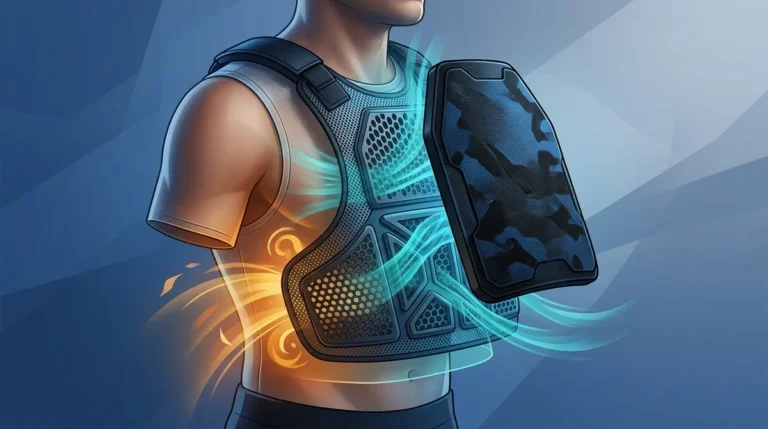
If you wear body armor every day, you already know the struggle. Heat builds up fast. Sweat soaks through your undershirt. By midday, you’re uncomfortable, distracted, and counting down the hours. The Militaur vest is one popular solution designed to tackle exactly this problem. It creates a spacer layer between your body armor and your undershirt, letting air flow freely and keeping you cooler throughout your shift.
In this guide, we’ll walk you through how the Militaur ventilation vest works, who it’s built for, how to get the best results from it, and how it compares to other body armor ventilation options available in 2026. Whether you’re a patrol officer, a security professional, or a tactical team member, understanding your cooling options can make a real difference in your performance and well-being.

What Is the Militaur Vest and How Does It Work
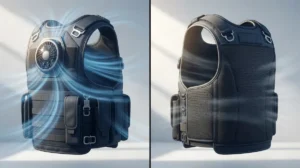
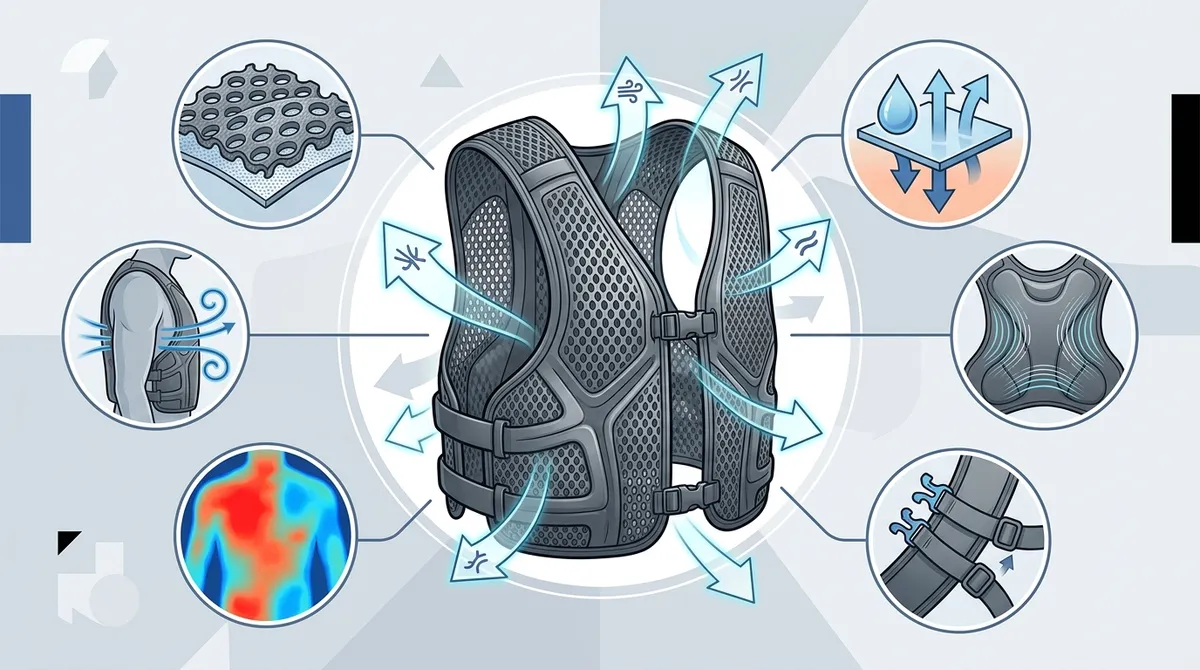
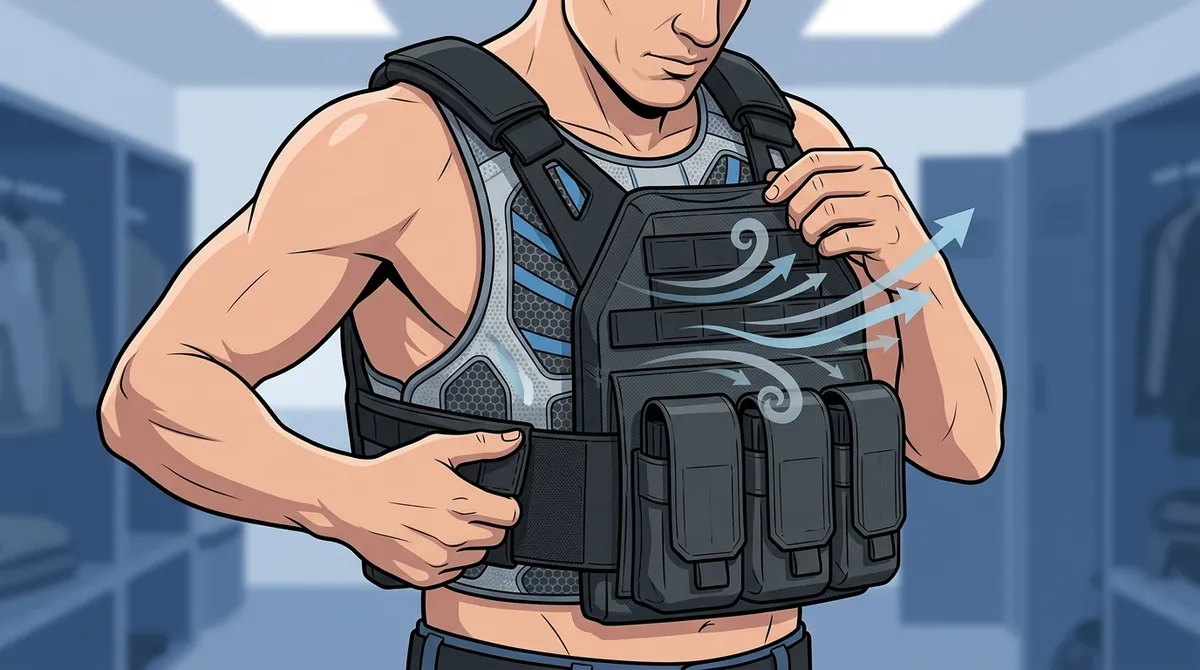
The Militaur vest is an adjustable, unisex garment made from premium 3D polyester mesh. It features extra-large perforations that allow air to move in every direction around your torso. Think of it like a breathable spacer that sits between your body and your armor, creating a gap where heat and moisture can escape instead of getting trapped against your skin.
Unlike standard fabrics that compress and block airflow, the 3D mesh structure holds its shape under pressure. This means even with heavy body armor sitting on top of it, the material keeps its open-cell structure and continues to allow airflow. The result is 360-degree ventilation that works all day, every day.
The vest includes front and back panels, two adjustable shoulder straps, two elastic side straps, and two removable elastic hook-and-loop straps. It also comes with eight round hook attachments that secure it to your carrier. According to body armor standards, comfort and wearability directly affect how consistently officers use their protective gear — and a cooler vest means you’re more likely to wear it properly every single day.

Who Should Use a Ventilation Vest Like the Militaur
Heat stress under body armor is a serious issue across several professions. The Militaur ventilation vest is built for anyone who wears protective gear for extended periods. Here’s a quick breakdown of who benefits most:
-
Law enforcement officers on patrol who wear soft body armor during long 8–12 hour shifts
-
Military personnel operating in hot climates with heavy tactical gear
-
Security professionals standing post for hours in varying weather conditions
-
SWAT and tactical teams running high-intensity operations with full armor kits
-
Emergency responders including hazmat teams who layer protective gear in extreme heat
The OSHA Heat Stress Guide confirms that workers in hot environments are at real risk for heat exhaustion and heat stroke. Adding ventilation under armor isn’t just a comfort upgrade — it’s a safety measure.
Key Features of the Militaur Ventilation Vest at a Glance
|
Feature |
Details |
|---|---|
|
Material |
Premium 3D polyester mesh with large perforations |
|
Fit |
Unisex, adjustable at 4 points (shoulders and side straps) |
|
Attachment |
8 round hook attachments + removable Velcro straps |
|
Ventilation Type |
Passive 360-degree airflow (no fan or battery required) |
|
Key Benefits |
Reduces sweat, cuts odor, prevents chafing, distributes armor weight |
|
Target Users |
Law enforcement, military, security, tactical teams |
How to Properly Fit and Wear the Militaur Vest
Getting the most out of your Militaur vest starts with a proper fit. A poorly adjusted vest won’t create the airflow gap you need, and it could shift around during movement. Here’s how to put it on correctly:
-
Put on your undershirt first. The Militaur vest goes directly over your undershirt, before your body armor or tactical carrier.
-
Position the front and back panels. Center the panels on your torso. The front panel should sit flat against your chest, and the back panel should cover your upper back area.
-
Adjust the shoulder straps. Use the shoulder strap adjusters to raise or lower the vest so it aligns with your torso. The vest should sit comfortably without sliding.
-
Tighten the elastic side straps. The two side straps (front and back) give you a snug, customized fit. Tighten them until the vest feels secure but not restrictive.
-
Attach the hook-and-loop straps to your carrier. Use the eight hook attachments and removable Velcro straps to secure the vest to your body armor carrier. This keeps everything in place during movement.
-
Put on your body armor over the top. Once the Militaur vest is secured, layer your armor on top. The 3D mesh will maintain its structure and create the spacer gap you need for airflow.
Want more tips on staying cool under gear? Check out this helpful guide on how to stay cool under body armor with smart ventilation.
Passive vs Active Ventilation: What’s the Difference
The Militaur vest uses passive ventilation. That means it relies on natural air movement, body movement, and evaporative cooling rather than any powered fan system. It’s simple, lightweight, and requires no batteries or charging. For many officers, that’s a great starting point.
However, passive systems have limits. On extremely hot days or during high-intensity activity, natural airflow alone may not be enough. That’s where active ventilation systems come in. These use battery-powered fans to push fresh air under your armor continuously, giving you consistent cooling even when you’re standing still in direct heat.
|
Ventilation Type |
How It Works |
Best For |
Limitation |
|---|---|---|---|
|
Passive (e.g., Militaur vest) |
Mesh spacer creates airflow gap |
Moderate heat, all-day wear |
Limited in extreme heat or static positions |
|
Active Fan System (e.g., Blufano) |
Battery-powered fan pushes air under armor |
Extreme heat, high-intensity ops |
Requires charging, slightly bulkier |
|
Inflatable Spacer (e.g., BluHalo vest) |
Inflated layer lifts armor off body |
On-demand cooling, discreet wear |
Requires pump for inflation |
If you’re looking for a more powerful cooling solution, Blufano is an active fan system that slides under any body armor style and delivers 8–32 hours of fan-driven airflow. It also includes a built-in 10,000mAh power bank that can charge your devices. For officers who need cooling on demand, BluHalo is another excellent option — a lightweight inflatable vest created by a Chicago police officer that lifts your armor up to 1.5 inches off your body when you need relief most.
Benefits You’ll Notice From Day One
Once you start wearing a ventilation vest like the Militaur regularly, the changes are hard to ignore. Here’s what most professionals report noticing right away:
-
Less sweating — the airflow gap allows moisture to evaporate instead of soaking into your undershirt
-
Reduced odor — less trapped sweat means less bacterial buildup and body odor after long shifts
-
No more chafing — the mesh creates a soft buffer between your skin and the rigid edges of your armor
-
Better weight distribution — the vest helps spread the load of your armor across more of your torso, reducing shoulder and back fatigue
-
Improved focus — when you’re not distracted by heat and discomfort, it’s easier to stay sharp on the job
These benefits are especially valuable for officers and soldiers dealing with heat stress while wearing body armor. Read more about preventing heat-related fatigue on duty here.
Comparing Ventilation Vest Options for Professionals in 2026
|
Product |
Cooling Method |
Battery Required |
Adjustability |
Best Use Case |
|---|---|---|---|---|
|
Militaur Ventilation Vest |
Passive mesh spacer |
No |
4-point adjustment |
Daily patrol, moderate heat |
|
BluHalo Vest |
Inflatable air gap |
No (manual pump) |
Velcro attachment, fits most |
On-demand cooling, discreet use |
|
Blufano Fan System |
Active fan airflow |
Yes (10,000mAh built-in) |
Universal fit with optional strap |
Extreme heat, extended missions |
When choosing the right vest, think about the conditions you work in most often. If your shifts are in moderate heat and you want a simple, low-maintenance option, a passive mesh vest is a solid choice. If you’re regularly working in high heat or need cooling while standing still, an active system like body armor cooling solutions available in 2026 may serve you better.
Tips for Getting the Most Out of Your Ventilation Vest
Even the best ventilation vest works better with a few smart habits. Here are some simple tips to maximize your comfort on the job:
-
Wear a moisture-wicking undershirt underneath your ventilation vest. This pulls sweat away from your skin faster and helps the evaporative cooling process work better.
-
Check your fit before every shift. A loose vest won’t create the proper spacer gap. Readjust the shoulder and side straps if needed.
-
Wash your vest regularly. The 3D mesh resists moisture absorption, but it still needs to be cleaned to prevent odor buildup over time.
-
Pair it with an active cooling system on extremely hot days. A ventilation vest plus a fan system gives you the best of both worlds.
Looking for more guidance on selecting the right gear? This article on how to choose the right body armor ventilation vest in 2026 is a great next step. You can also explore best vest cooling systems for a full comparison of what’s available right now.
Why Ventilation Under Body Armor Is More Important Than Ever
In 2026, heat management under body armor has become a mainstream conversation in law enforcement and military communities. Studies and officer reports consistently show that heat and discomfort lead to distraction, fatigue, and in extreme cases, heat-related illness. Wearing the right ventilation gear isn’t just about comfort — it’s about staying mission-ready.
Whether you choose a passive mesh solution like the Militaur vest, an inflatable option like BluHalo, or an active fan system like Blufano, the goal is the same: keep the air moving so you can keep doing your job at your best. Explore your options, read real user reviews, and check out available products at the ventilation vest shop to find what fits your needs.
Ready to find your perfect cooling solution? Reach out to our team — we’re happy to help you figure out the best option for your specific role, environment, and gear setup. You deserve to stay cool, focused, and comfortable out there.
FAQs
Q: What is the Militaur vest and how does it help with heat under body armor?
A: The Militaur vest is a 3D polyester mesh garment that creates a spacer layer between your body armor and your undershirt, allowing air to circulate freely around your torso. This helps reduce heat buildup, minimize sweating, and prevent chafing during long shifts — making your whole day a lot more bearable!
Q: Is the Militaur ventilation vest adjustable for different body types?
A: Yes, the Militaur vest features four points of adjustment — two shoulder straps and two elastic side straps — so you can dial in a comfortable, secure fit no matter your body shape. It also includes removable Velcro straps and eight hook attachments to keep it in place under your carrier.
Q: How does 3D mesh in the Militaur vest differ from regular fabric?
A: Regular fabrics compress under pressure and block airflow, but 3D mesh holds its open structure even when body armor is sitting on top of it. This keeps the ventilation gap open and working all day, giving you consistent 360-degree airflow rather than just in spots where armor doesn’t press down.
Q: Can I use the Militaur vest alongside an active fan cooling system?
A: Absolutely — in fact, pairing a passive mesh vest with an active fan system like Blufano is one of the best ways to maximize cooling on extremely hot days. The mesh creates the airflow gap while the fan pushes fresh air through it continuously for even better relief.
Q: Who is the Militaur ventilation vest designed for?
A: The Militaur vest is designed for anyone who wears body armor or tactical gear for extended periods — including law enforcement officers, military personnel, security professionals, SWAT teams, and emergency responders. If heat and sweat under your gear are slowing you down, a ventilation vest is a great place to start!