Key Takeaways
-
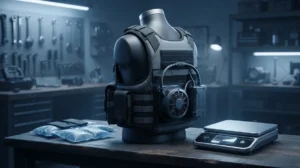
TacVent and similar passive systems can lower under-armor body surface temperatures by over 14.5°F without batteries, making them cost-effective solutions for everyday patrol officers working in moderate heat.
-
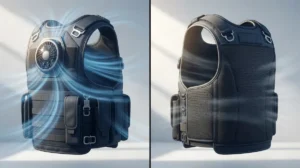
The BluHalo ventilation vest, designed by a Chicago police officer, inflates on demand to create a 1.5-inch air gap for $60, offering affordable on-demand cooling for 12-hour shifts in extreme heat.
-
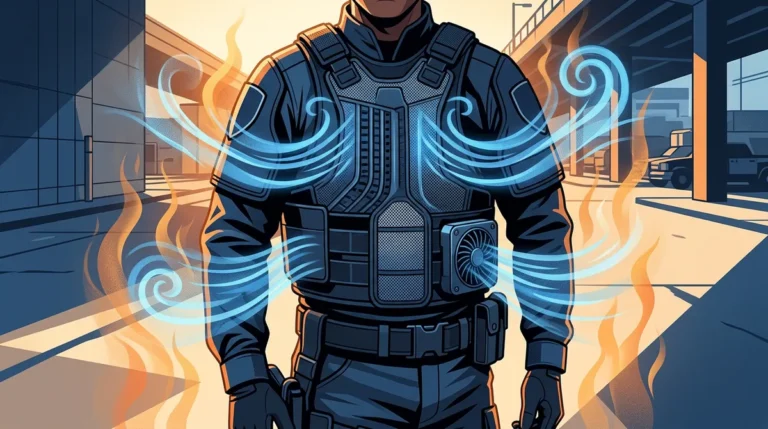
Active fan systems like Blufano provide 8-32 hours of continuous cooling with built-in 10,000mAh power banks and can be bundled with passive vests for maximum cooling performance during high-intensity operations.
-
Heat stress impairs physical performance and decision-making in law enforcement; modern cooling solutions are preventive safety measures, not comfort luxuries, for officers working extended shifts in hot conditions.
-
Layering multiple cooling solutions—combining passive ventilation vests with active fans, moisture-wicking base layers, and vehicle AC—provides superior heat management compared to using single products alone.
-
Most cooling vests are compatible with concealable, overt, and plate carrier body armor and attach via Velcro, making them adaptable across different law enforcement roles without requiring armor replacement.
If you’ve ever worn body armor through a long, hot shift, you know the struggle. Heat builds up fast. Sweat soaks through. Focus starts to slip. For law enforcement officers and other professionals who wear protective gear every day, staying cool isn’t a luxury — it’s a safety issue. The good news? Cool cop body armor air conditioning solutions have come a long way. Today, there are excellent options that keep airflow moving under your vest so you stay comfortable and sharp on the job.
Whether you’re a patrol officer, a SWAT team member, a security professional, or an emergency responder, this guide breaks down the nine best cooling solutions available in 2026. We’ll cover passive ventilation panels, active fan systems, and everything in between — so you can find the right fit for your needs and budget.
Why Body Armor Gets So Hot
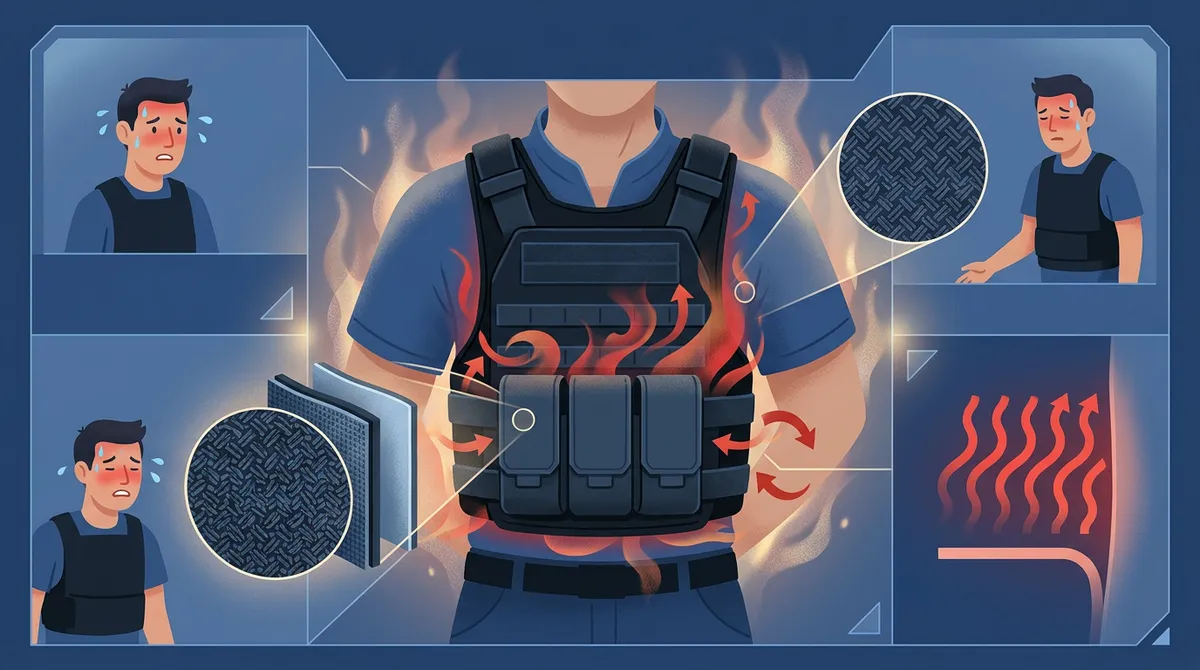
Body armor is designed to protect you, not breathe with you. Most vests press tightly against your torso, trapping heat and moisture between the vest and your body. There’s no airflow, and sweat has nowhere to go. According to the OSHA Heat Stress Guide, heat buildup can impair physical performance and decision-making — two things no officer can afford to lose.
The solution is simple in theory: create space between your body and the armor. When air can circulate, heat escapes and sweat evaporates. That’s exactly what modern body armor ventilation systems are designed to do.

Passive vs. Active Cooling: What’s the Difference?
Before we dive into the list, it helps to understand the two main types of cooling solutions available for body armor.
| Type | How It Works | Power Required | Best For |
|---|---|---|---|
| Passive Ventilation | Uses spacers, mesh, or channels to create airflow via breathing motion | None | Everyday patrol, long shifts |
| Active Fan Systems | Uses battery-powered fans to push or pull air under the armor | Battery/USB | Extreme heat, high-intensity ops |
| Phase Change Materials | Absorbs and releases heat using specialized materials | None | Short bursts of intense heat |
| Moisture-Wicking Liners | Pulls sweat away from the skin to keep you drier | None | General comfort improvement |
Both passive and active systems have their place. Many professionals layer multiple solutions together for maximum cooling relief. Now, let’s get into the list.

9 Best Cooling Solutions for Cop Body Armor
1. BluHalo Ventilation Vest
The BluHalo ventilation vest was created by a Chicago police officer who knew firsthand what overheating in body armor felt like. This lightweight vest weighs under 7 ounces and sits flat against the body when deflated. When you inflate it on demand, it lifts your vest up to 1.5 inches off your body, creating a cooling air gap that dramatically reduces heat and moisture buildup.
It attaches easily with Velcro and deflates with a single button press. Built from double-layer, high-strength polyethylene, BluHalo is durable enough for daily duty use. Officers wearing it during 12-hour shifts in 95-degree weather have reported significant comfort improvements. At just $60, it’s one of the most affordable cooling-on-demand solutions available. Check out the full BluHalo shop to learn more.
2. Blufano Active Fan System
For those who want next-level cooling, the Blufano is a game-changer. This self-contained, active airflow unit features a patented air-redirect spout that slides under any style of body armor. It runs for 8 to 32 hours depending on the fan setting, making it ideal for extended missions or long patrol shifts.
Blufano includes a built-in 10,000mAh power bank that powers the fan AND charges USB devices. It even has a forward-facing light for low-light situations. Officers who’ve used Blufano report faster cooling — especially when combined with a vehicle’s AC — reduced sweat, and better focus throughout the day. You can bundle the BluHalo vest and Blufano fan system together for a discount to maximize your under-armor cooling performance.
3. TacVent Corrugated Panel
TacVent uses a patented corrugated, perforated thermoplastic elastomer panel that sits between your body and your armor. It creates true space for airflow and has been shown to lower under-armor body surface temperatures by over 14.5°F. As a bonus, it also reduces blunt trauma by acting as a cushion. It’s a passive system, so no batteries needed.
4. Body Armor Vent EVAP Technology Panels
Body Armor Vent’s I.C.E. and B-24 panels use EVAP Technology™ with vertical air channels and horizontal vents. These draw in cool air and expel hot, humid air through your natural breathing motion. The effect is similar to how air conditioning works through evaporation and circulation — no electricity required.
5. Maxx-Dri Vest 3.0
The Maxx-Dri Vest 3.0 by 221B Tactical provides 360-degree separation between your body and your armor using 3D mesh spacers. Heat and moisture escape all around the torso, and the vest is adjustable for a custom fit. It works with both concealable and plate carrier setups, making it a versatile choice for different professionals.
6. Militaur Ventilation Vest
Similar to the Maxx-Dri, the Militaur Ventilation Vest uses a spacer mesh design to separate the body from armor and allow heat to escape. It’s lightweight, adjustable, and compatible with most body armor styles. It’s a solid passive option for officers and security professionals who need all-day comfort.
7. EVV™ Exchangeable Vest Ventilation
The EVV™ system from UARM uses a honeycomb mesh design that minimizes backface deformation while promoting airflow. It’s compatible with plate carriers and is a popular choice for military and law enforcement tactical units. The exchangeable design means you can swap panels in and out as needed.
8. ICEVENTS® Mesh Panels
ICEVENTS® panels use a mesh construction to create airflow channels under body armor. They’re lightweight, low-profile, and compatible with a wide range of carrier styles. They’re particularly popular with SWAT teams and tactical units who need cooling without adding bulk to their kit.
9. Armor Express AEVent Technology
Armor Express integrates AEVent technology directly into their carrier designs like the H3 and Traverse. Offset spacers built into the carrier create passive airflow and moisture-wicking performance right out of the box. This is a great option for officers purchasing new armor and wanting cooling built in from the start. Learn more about body armor standards and performance through the NIJ Body Armor Standards resource.

Feature Comparison: Top Cooling Solutions
| Product | Type | Temp Reduction | Battery Required | Fits Concealable |
|---|---|---|---|---|
| BluHalo Vest | Inflatable passive | Significant | No | Yes |
| Blufano Fan System | Active fan | High | Yes (built-in) | Yes |
| TacVent Panel | Passive spacer | 14.5°F+ | No | Yes |
| Maxx-Dri Vest 3.0 | Passive mesh | Moderate-High | No | Yes |
| AEVent (Armor Express) | Integrated passive | Moderate | No | Yes |
Who Needs Body Armor Cooling Solutions?
The short answer? Anyone who wears body armor in warm conditions. But here’s a closer look at who benefits most from cool cop body armor air conditioning solutions.
- Patrol officers working long shifts outdoors in summer heat
- SWAT and tactical teams wearing heavy plate carriers during high-intensity operations
- Military personnel deployed in hot climates with full tactical gear
- Security professionals who wear armor for extended periods in various environments
- Emergency responders like firefighters and hazmat teams dealing with extreme heat exposure
No matter what your role is, staying cool under your armor directly affects your focus, reaction time, and overall performance. Heat stress is a real risk, and it’s one that’s entirely preventable with the right gear.
How to Choose the Right Cooling Solution
With so many options available, picking the right one can feel overwhelming. Here’s a simple step-by-step approach to help you decide.
- Assess your environment. Are you working in extreme heat daily, or only occasionally? Active fan systems like Blufano are ideal for extreme conditions, while passive options work well for moderate climates.
- Consider your armor type. Make sure the solution you choose is compatible with your vest — concealable, overt, or plate carrier.
- Think about weight and bulk. Some solutions add noticeable bulk. If you need to stay low-profile, look for lightweight options like the BluHalo vest.
- Set your budget. Passive options tend to be more affordable. Active systems cost more but provide stronger cooling. Bundling products can offer the best value.
- Read reviews from fellow officers. Real-world feedback from people who wear armor every day is invaluable. Check out verified customer reviews to see what other professionals are saying.
Tips to Maximize Cooling Under Your Armor
A good ventilation system goes a long way, but a few extra habits can make a big difference too.
- Wear moisture-wicking base layers under your vest to pull sweat away from your skin
- Stay hydrated throughout your shift — dehydration makes heat stress worse
- Take advantage of AC during vehicle time to pre-cool your gear
- Combine a passive ventilation vest with an active fan system for layered cooling
- Check that your armor fits properly — a vest that’s too tight limits airflow
Want to see how these products work in real scenarios? The product videos on the BluHalo website show them in action, which can help you visualize the difference they make on a hot shift.
Materials That Make a Difference
| Material | Function | Common Use |
|---|---|---|
| Polyethylene channels | Creates rigid air gaps under armor | BluHalo, passive panels |
| 3D spacer mesh | Allows 360° airflow and moisture escape | Maxx-Dri, Militaur |
| Thermoplastic elastomer | Flexible, durable spacer with perforation | TacVent |
| Phase change materials (PCM) | Absorbs heat on demand | Advanced cooling liners |
| Moisture-wicking fabric | Pulls sweat away from skin | Integrated vest liners |
Conclusion
Staying cool under body armor is no longer a pipe dream. With the right cool cop body armor air conditioning solution — whether it’s a passive ventilation vest, an active fan system, or a combination of both — you can stay focused, comfortable, and safe through even the hottest shifts. The products we’ve covered here represent the best options available in 2026, with something for every type of officer, budget, and environment.
The BluHalo ventilation vest and the Blufano fan system stand out as top choices, offering innovative cooling technology designed by someone who’s been in your shoes. Whether you go with one or bundle both together, you’ll notice the difference from day one. To learn more or ask questions about which solution is right for you, feel free to get in touch with the BluHalo team — they’re here to help you stay cool and comfortable on the job.
FAQs
Q: What is the best ventilation vest for police body armor in 2026?
A: The BluHalo ventilation vest is one of the top-rated options for law enforcement in 2026. It was designed by a Chicago police officer, weighs under 7 ounces, and creates a cooling air gap by lifting your vest up to 1.5 inches off your body — giving you real, on-demand relief during hot shifts!
Q: How much can a ventilation vest lower the temperature under body armor?
A: Products like TacVent have been shown to lower under-armor body surface temperatures by over 14.5°F through passive ventilation alone. Active systems like the Blufano fan unit can provide even greater cooling, especially when used alongside a vehicle’s air conditioning.
Q: Can ventilation vests be used with concealable body armor?
A: Absolutely! Most ventilation vests, including the BluHalo, are designed to work with concealable vests, overt carriers, and plate carriers. They’re slim, low-profile, and easy to attach with Velcro — so they fit right into your existing setup without any fuss.
Q: What is the difference between passive and active body armor cooling?
A: Passive cooling uses spacers, mesh, or channels to create airflow through your natural body movement — no batteries needed. Active cooling uses battery-powered fans, like the Blufano, to push fresh air under your armor for stronger, continuous cooling. Many officers use both together for the best results!
Q: Do ventilation vests help reduce blunt trauma from body armor?
A: Some ventilation panels, like TacVent’s corrugated thermoplastic elastomer panel, are designed to also act as a cushion, helping to reduce blunt trauma from impacts. While their primary purpose is airflow and cooling, this added protection benefit is a nice bonus for officers in high-risk environments.