Key Takeaways
-
Heat buildup under body armor significantly reduces focus and performance; tactical ventilation systems address this by creating air gaps that lower skin temperature by at least 14.5°F and improve operational effectiveness.
-
Combining active and passive ventilation systems (like BluHalo inflatable vests paired with Blufano fan units) delivers superior cooling performance by tackling heat from multiple angles simultaneously.
-
Inflatable ventilation vests like BluHalo create on-demand air gaps up to 1.5 inches off your body with minimal weight (under 7 oz) and can be deflated instantly when not needed.
-
Moisture-wicking underlayers paired with ventilation systems double comfort by pulling sweat away from skin and toward evaporation surfaces, preventing heat stress and skin infections.
-
Anti-microbial and anti-fungal materials in modern ventilation systems reduce bacterial growth, skin rashes, and gear degradation while extending equipment lifespan.
-
Proper hydration integrated with ventilation systems is critical for heat stress management; establishing hydration routines alongside gear setup ensures optimal core temperature regulation during long shifts.
If you wear body armor for a living, you already know the struggle. Heat builds up fast. Sweat soaks through your uniform. By hour three of a twelve-hour shift, you’re distracted, uncomfortable, and running hot. That’s not just annoying — it can affect your focus and performance when it matters most.
The good news? Tactical comfort solutions have come a long way in 2026. Today’s ventilation technology is smarter, lighter, and more effective than ever. Whether you’re a patrol officer, a soldier on deployment, or a security professional pulling long shifts, there’s a solution designed for your specific needs.
According to the OSHA Heat Stress Guide, heat exposure is a serious occupational hazard — and that risk is amplified when you’re wearing body armor. This guide breaks down 12 of the best tactical comfort solutions available right now, so you can stay cool, dry, and focused no matter what the day throws at you.
Why Tactical Comfort Solutions Matter for Body Armor Wearers
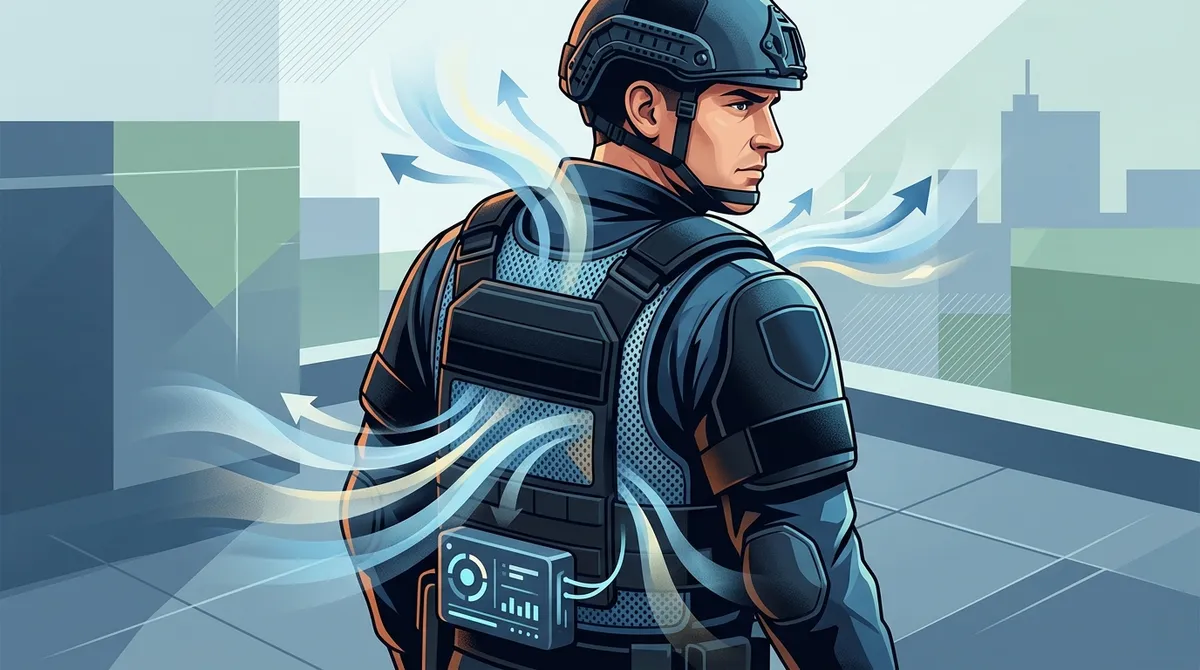
Body armor traps heat against your body. There’s no way around it. The panels sit close to your skin, blocking natural airflow and creating a greenhouse effect under your vest. Over time, this leads to heat fatigue, skin irritation, and reduced performance.
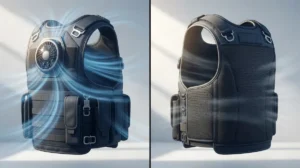
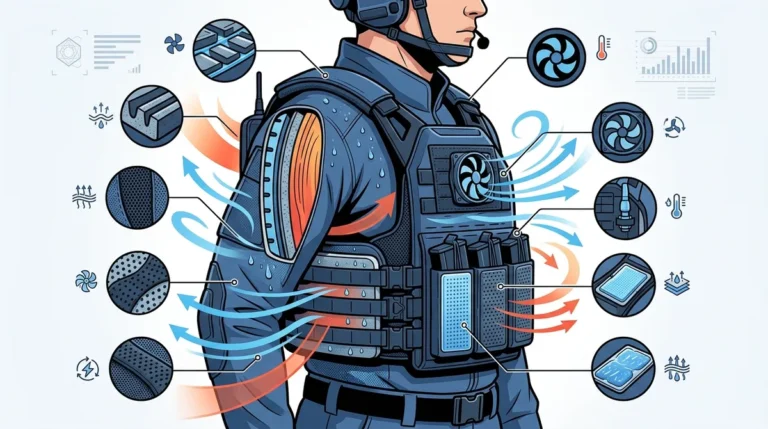
The right vest ventilation system changes everything. By creating airflow between your body and your armor, you reduce moisture buildup, lower your skin temperature, and stay more comfortable throughout your entire shift. That comfort translates directly into better focus and safer performance on the job.
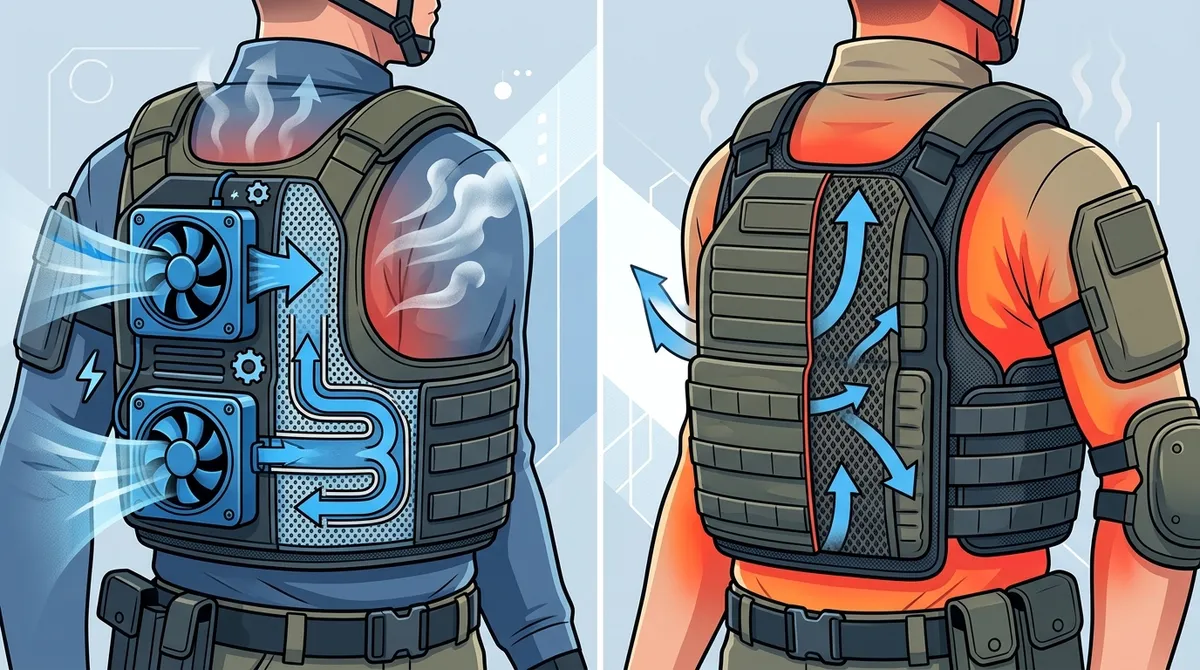
Active vs. Passive Ventilation: What’s the Difference?
Before we dive into the list, it helps to understand the two main types of ventilation systems used in tactical comfort solutions today.
| Feature | Active Ventilation | Passive Ventilation |
|---|---|---|
| How It Works | Uses fans to circulate fresh air | Creates physical gaps for natural airflow |
| Power Source | Battery-powered | No power needed |
| Cooling Duration | 8–32 hours (battery dependent) | Continuous while worn |
| Weight Added | Slightly heavier | Very lightweight |
| Best For | High-heat, extended operations | Daily patrol and moderate climates |
Both systems have their place in a professional’s gear kit. Many officers and tactical teams find that combining both approaches delivers the best results. You can learn more about your options by visiting the best vest cooling systems guide for a deeper comparison.

12 Tactical Comfort Solutions for Body Armor in 2026
1. Inflatable Ventilation Vests (On-Demand Cooling)
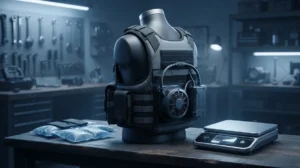
Inflatable ventilation vests like the BluHalo are a game-changer. This innovative vest was created by a Chicago police officer who understood the problem firsthand. It inflates with a small pump to lift your armor up to 1.5 inches off your body, creating an instant air gap. When you don’t need it, simply deflate it with a button and it lies completely flat. It weighs less than 7 ounces — you’ll barely notice it’s there.
2. Fan-Driven Active Cooling Units
For serious heat management, fan-driven cooling units are hard to beat. The Blufano is a self-contained active airflow system with a patented air-redirect spout that slides under any style of body armor. With adjustable fan settings, it delivers 8 to 32 hours of continuous cooling on a single charge. It also includes a built-in 10,000mAh power bank, so you can charge your other devices while staying cool on duty.
3. Perforated Thermoplastic Panels
Passive ventilation panels made from thermoplastic elastomer use corrugated, perforated designs to allow unobstructed heat flow. These panels sit between your body and your armor, creating physical pathways for air to move. They require no power and add very little weight to your setup. Products using this design have been shown to lower body surface temperatures by at least 14.5 degrees.
4. Dual-Chambered 360-Degree Ventilation Designs
Some of the most advanced tactical comfort solutions use dual-chambered designs that provide full 360-degree separation between your body and your armor. This approach ensures airflow reaches your front, back, and sides simultaneously. Lab-certified testing has shown that designs like the Maxx-Dri Vest 4.0 can also reduce backface deformation by 9.9%, adding a safety benefit alongside comfort. You can read more about these innovations in our body armor ventilation breakdown.
5. Quick-Mount Rapid Attachment Systems
Time matters in tactical situations. Quick-mount ventilation systems let you attach, remove, or transfer your cooling system between vests in seconds. These systems are ideal for SWAT teams and tactical units who need to switch gear fast without sacrificing comfort or performance during high-intensity operations.
6. Adjustable Hook-and-Loop (Velcro) Closure Systems
A great ventilation system needs to fit right to work right. Adjustable hook-and-loop closure systems allow you to customize the fit for your body type and armor configuration. This prevents the ventilation system from shifting during movement, which keeps airflow consistent throughout your shift. Most modern systems, including BluHalo, use this approach for a secure and adaptable fit.
7. Anti-Microbial and Anti-Fungal Ventilation Materials
Sweat creates more than just discomfort — it creates an environment where bacteria and fungi can thrive. Modern tactical comfort solutions increasingly incorporate anti-microbial and anti-fungal properties into their materials. This reduces the risk of skin rashes, infections, and unpleasant odors. It also extends the lifespan of your ventilation system by preventing degradation from moisture and biological buildup.
8. Moisture-Wicking Underlayers
Pairing your ventilation vest with a high-quality moisture-wicking underlayer doubles your comfort. These garments pull sweat away from your skin and move it toward the outer surface where it can evaporate or be absorbed. When combined with an active or passive ventilation system, moisture-wicking underlayers keep you drier and more comfortable all day long.
9. Ergonomic Weight Distribution Systems
Physical discomfort from body armor isn’t just about heat — it’s also about weight and pressure. Ergonomic weight distribution systems built into modern armor carriers help spread the load more evenly across your torso and shoulders. When your gear fits better and sits more comfortably, you experience less fatigue over long shifts.
10. Integrated Hydration Management
Staying hydrated is a critical part of managing heat stress. According to Body Armor Standards research, heat stress under armor is a well-documented challenge that impacts performance and safety. Integrating hydration systems like built-in hydration bladder pockets into your tactical vest setup ensures you can drink water without breaking your workflow. Proper hydration works hand-in-hand with ventilation to keep your core temperature down.
11. Cooling Towels and Phase-Change Materials
For supplemental cooling, phase-change material (PCM) inserts and cooling towels offer an easy, lightweight option. PCM inserts absorb body heat and release it slowly, providing a few hours of passive cooling. These can be placed inside vest pouches or worn at pulse points for maximum effect. They’re a great backup option when battery-powered systems aren’t practical.
12. Bundle Systems for Maximum Cooling Performance
The most effective tactical comfort solution? Use multiple systems together. Combining an inflatable ventilation vest like BluHalo with a fan-driven unit like Blufano creates a layered cooling approach that tackles heat from multiple angles. BluHalo lifts your armor to create airflow space while Blufano actively circulates fresh air into that space. You can visit the BluHalo shop to explore bundle options that bring both products together at a discount.
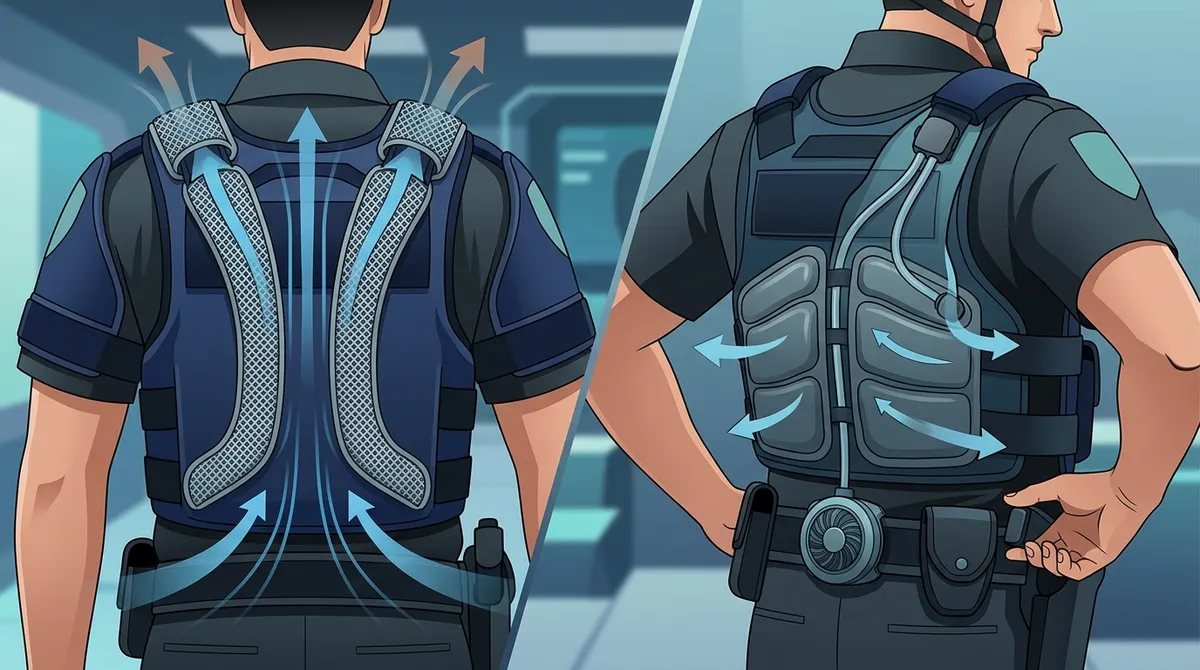
Comparing the Top Tactical Comfort Solutions
| Solution | Type | Weight | Cooling Duration | Best For |
|---|---|---|---|---|
| BluHalo Ventilation Vest | Passive/Inflatable | Under 7 oz | Continuous | Daily patrol, long shifts |
| Blufano Fan System | Active (Fan-driven) | Moderate | 8–32 hours | High-heat operations |
| Thermoplastic Panels | Passive | Very light | Continuous | All-day wear |
| PCM Inserts | Supplemental | Light | 2–4 hours | Short missions, backup |
| Bundle (BluHalo + Blufano) | Active + Passive | Combined | 8–32 hours | Maximum comfort |
What to Look for When Choosing a Tactical Comfort Solution
Not every ventilation solution fits every situation. Here are the key factors to consider when making your choice:
- Shift length: Longer shifts demand more durable, longer-lasting cooling systems.
- Climate and environment: High-heat climates benefit most from active fan systems.
- Armor compatibility: Make sure your ventilation system fits your specific armor carrier.
- Weight restrictions: Lighter is better for extended wear and high-mobility situations.
- Maintenance requirements: Anti-microbial materials reduce cleaning frequency and extend gear life.
If you’re unsure where to start, check out our guide on how to choose the right body armor ventilation vest in 2026 for a step-by-step breakdown.
Real-World Performance Data
| Metric | Result | Source |
|---|---|---|
| Air gap created by BluHalo | Up to 1.5 inches | BluHalo product data |
| Body surface temperature reduction | At least 14.5°F | TacVent lab testing |
| Backface deformation reduction | 9.9% | N.I.J. certified lab testing |
| Continuous cooling duration (Blufano) | 8–32 hours | Blufano product specs |
| BluHalo system weight | Under 7 oz | BluHalo product data |
Tips for Getting the Most Out of Your Ventilation System
Once you’ve chosen your tactical comfort solution, a few simple habits will help you get the most out of it:
- Attach your ventilation system before your shift starts. Don’t wait until you’re already hot and sweaty.
- Use a moisture-wicking base layer underneath. This works with your ventilation system to move sweat away faster.
- Stay hydrated throughout your shift. Ventilation helps, but hydration is still your first line of defense against heat.
- Clean your ventilation gear regularly. Anti-microbial materials help, but a quick wipe-down after each shift keeps things fresh.
- Adjust your system for the day’s conditions. On hotter days, use higher fan settings or inflate your vest more fully for maximum airflow.
For more expert tips on staying safe and cool under armor, visit our guide on how to prevent heat stress while wearing body armor.
Who Benefits Most from These Tactical Comfort Solutions?
These solutions are built for the people who need them most. Law enforcement officers working 12-hour patrol shifts in summer heat. Military personnel on extended deployments in high-temperature environments. Security professionals and protective detail specialists who wear armor day in and day out. SWAT and tactical teams who need peak physical performance during high-intensity operations. Even emergency responders and hazmat teams working in extreme conditions can benefit from advanced vest ventilation.
If you wear body armor as part of your job, tactical comfort solutions aren’t a luxury — they’re a necessity. Check out real reviews from officers and professionals who have already made the switch to see how much of a difference it makes.
Final Thoughts
Heat under body armor is a real problem, and it deserves a real solution. The 12 tactical comfort solutions in this guide cover everything from simple passive ventilation panels to powerful fan-driven systems and smart combination bundles. Whatever your role, your climate, or your shift length, there’s a solution here that fits your needs.
The best place to start is with proven, purpose-built products designed specifically for the challenges you face on the job. From lightweight inflatable vests to high-capacity active cooling systems, today’s technology makes it easier than ever to stay cool, dry, and focused while wearing body armor.
Ready to find the right tactical comfort solution for your situation? Get in touch with the BluHalo team to get personalized recommendations, ask questions, or learn more about bundling options that give you the best cooling performance for the best value.
FAQs
Q: What are the best tactical comfort solutions for law enforcement officers?
A: The best solutions for law enforcement combine passive and active ventilation systems. Products like the BluHalo inflatable ventilation vest and the Blufano fan system work together to lift armor off the body and circulate fresh air, keeping officers cool and comfortable during long patrol shifts.
Q: How do ventilation vests reduce heat stress under body armor?
A: Ventilation vests create a physical air gap between your skin and your armor panels, which allows trapped heat and moisture to escape instead of building up. Some systems, like thermoplastic passive panels, have been shown to lower body surface temperatures by at least 14.5 degrees — that’s a huge relief on a hot day!
Q: Can ventilation vests be used with different body armor carriers?
A: Yes! Most modern ventilation systems, including BluHalo and Blufano, are designed to be compatible with a wide range of body armor styles and carriers. The adjustable hook-and-loop closures and flexible attachment systems make it easy to fit them to almost any setup.
Q: How much weight does a ventilation system add to body armor?
A: Most ventilation systems are designed to be as lightweight as possible. The BluHalo, for example, weighs less than 7 ounces and lies completely flat when not in use. You’ll barely notice the extra weight, but you’ll definitely notice the cooling difference!
Q: What is the difference between active and passive body armor ventilation?
A: Passive ventilation uses physical structures like corrugated panels or inflatable air gaps to create space for natural airflow — no batteries needed. Active ventilation uses battery-powered fans to actively push fresh air under your armor, delivering stronger and more consistent cooling for 8 to 32 hours depending on the setting.