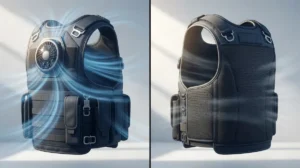
Key Takeaways
-
Passive cooling gear can reduce body surface temperature by at least 14.5°F using spacer materials and mesh structures, requiring no batteries while remaining lightweight and silent for duty use.
-
Active cooling systems like Blufano deliver 8-32 hours of fan-driven cooling with built-in power banks, making them essential for SWAT teams, tactical units, and extreme heat environments where passive systems fall short.
-
Combining passive and active cooling—pairing an inflatable spacer vest (BluHalo) with a fan system (Blufano)—creates maximum thermal relief by using natural airflow enhanced by powered cooling for superior comfort on long shifts.
-
Passive cooling works best for patrol officers on standard 8-hour shifts in hot climates where stealth is important, while active systems are required for 12+ hour shifts, high-intensity operations, or enclosed environments.
-
Proper ventilation vests reduce heat stress, fatigue, chafing, and distractions by improving focus and alertness, directly supporting officer safety and decision-making during demanding duty shifts.
-
When selecting cooling gear, verify compatibility with your existing body armor, consider your shift length and noise requirements for tactical situations, and explore bundle options for better value than individual products.
If you wear body armor for a living, you already know the struggle. Heat builds up fast. Sweat soaks through your uniform. And by hour four of an eight-hour shift, you’re not just uncomfortable — you’re distracted. That’s a real problem when your job demands full focus. The good news? law enforcement cooling gear has come a long way, and in 2026, officers have more options than ever to beat the heat under their vests.
But here’s where it gets interesting: not all cooling gear works the same way. There are two main approaches — passive and active cooling. Passive systems use spacers, mesh materials, and structural separation to create airflow naturally. Active systems use fans or cooling packs to push fresh air under your armor. Both have real benefits. Both have trade-offs. And choosing the wrong one for your situation can leave you just as miserable as before.
This guide breaks it all down in plain language so you can make the best choice for your comfort, your budget, and your duty requirements. Let’s dive in.
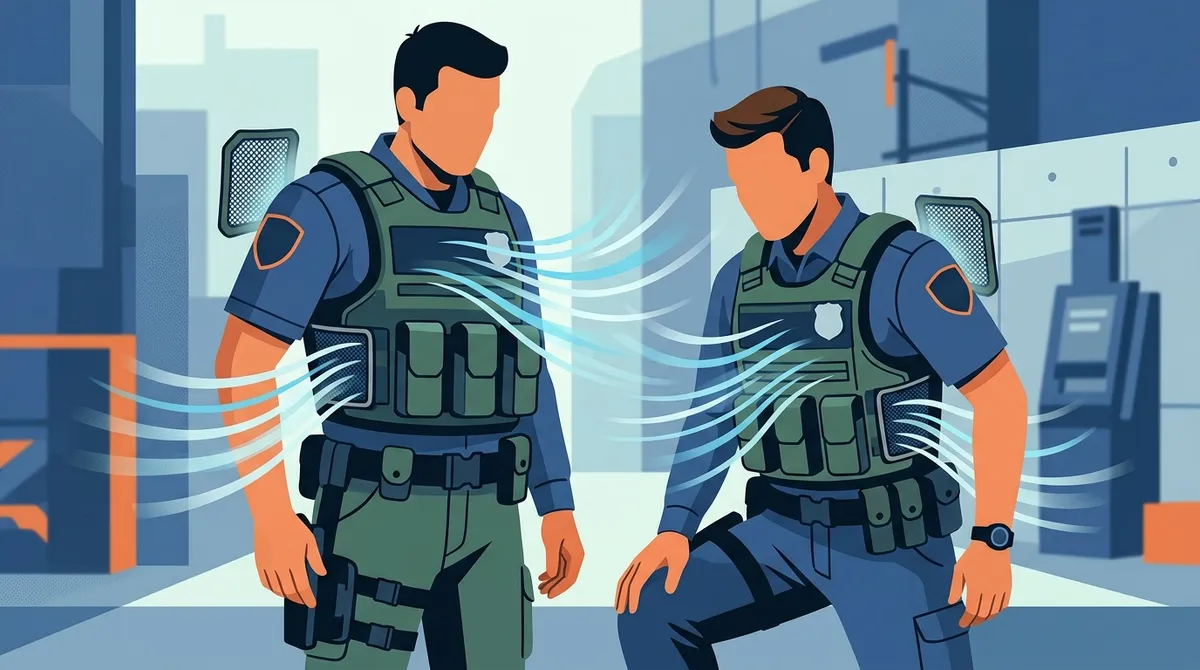
What Is Passive Law Enforcement Cooling Gear?
Passive cooling gear doesn’t use any power source. Instead, it creates physical separation between your body armor and your skin. That gap — even a small one — allows air to circulate naturally, reducing heat buildup and sweat accumulation.
Think of it like lifting the lid on a pot. Just a little space changes everything. Products like the Maxx-Dri Vest 3.0 and MILITAUR Adjustable Ventilation Vest use spacer materials and mesh structures to hold your vest off your body. TacVent, for example, uses a patented corrugated panel made from hypoallergenic thermoplastic elastomer. In testing, this approach has been shown to lower body surface temperatures by at least 14.5°F. That’s a significant difference during a long hot shift.
Passive vests are also popular because they’re lightweight, silent, and don’t need batteries or charging. You just put them on and they work. For officers who want a simple, no-fuss solution, passive gear is a solid starting point. You can learn more about how these systems work at a basic level by reading what is vest ventilation and why you need it.
Benefits of Passive Cooling
- No batteries or charging required
- Lightweight and low-profile under armor
- Reduces chafing and distributes armor weight more evenly
- Compatible with most plate carriers and ballistic vests
- Quiet operation — no fan noise during sensitive situations
Drawbacks of Passive Cooling
- Limited cooling power in extreme heat
- Depends on ambient airflow — less effective indoors or in still air
- No active sweat or moisture management
- May not be enough for high-intensity operations or SWAT work

What Is Active Law Enforcement Cooling Gear?
Active cooling gear takes things a step further. These systems use battery-powered fans, cooling packs, or phase-change materials to actively push cool air under your armor or absorb excess body heat. Instead of relying on natural airflow, they create it.
Products like the Blue Stone Safety Air Flow Police Vest combine dual fans with cooling packs that last up to 4 hours each, designed specifically to support a full 8-hour shift. These systems plug into standard power banks for extended use, making them practical for long patrol shifts. The INUTEQ Respire® ventilation system, which features body-mapped air channels, is another example of where this technology is heading in 2026.
Active systems are especially valuable for officers working in extreme heat, enclosed environments, or during high-intensity incidents. According to the OSHA Heat Stress Guide, heat stress is a serious occupational hazard, and anything that reduces core temperature and moisture buildup directly supports officer safety and decision-making.
Curious about the best active options on the market? Check out this helpful breakdown of best vest cooling systems and how to beat the heat in body armor.
Benefits of Active Cooling
- Actively moves air regardless of ambient conditions
- Fan-driven systems cool faster and more consistently
- Cooling packs provide targeted temperature reduction
- Ideal for SWAT, tactical units, and high-intensity operations
- Some units include USB charging ports and built-in lights
Drawbacks of Active Cooling
- Requires charging or battery management
- Slightly heavier than passive-only options
- Fan noise can be an issue in stealth or close-contact situations
- Higher upfront cost
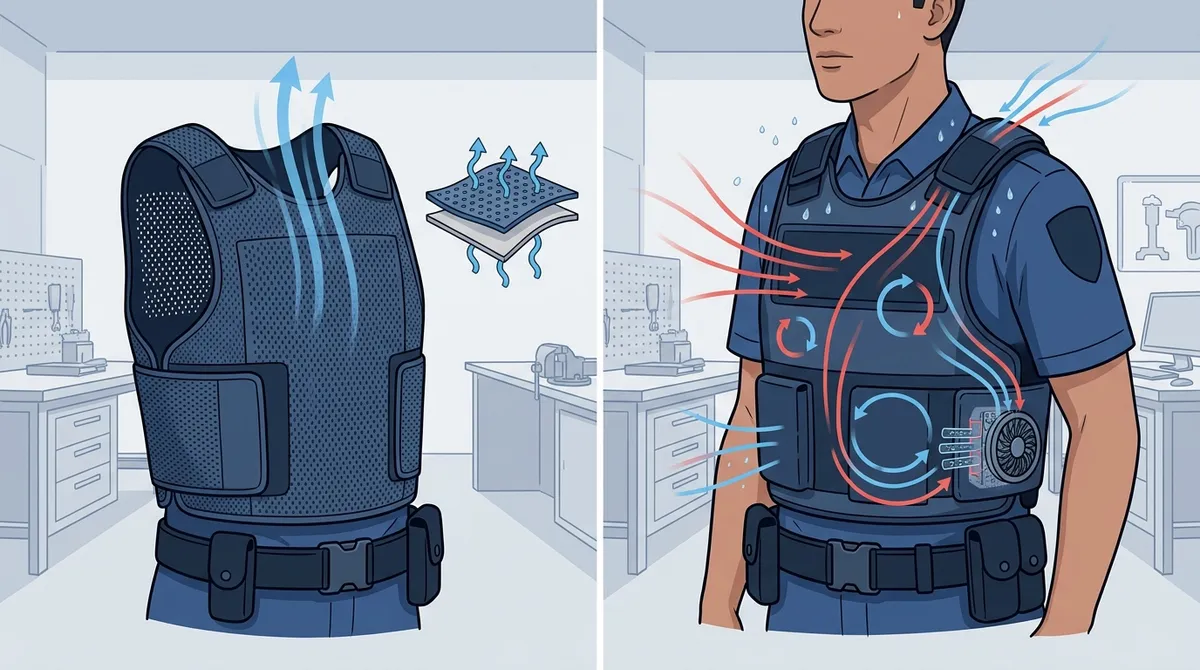
Side-by-Side Comparison: Passive vs. Active Cooling
Here’s a quick overview to help you compare both approaches at a glance. Understanding these differences is key to choosing the right law enforcement cooling gear for your specific role and environment.
| Feature | Passive Cooling Gear | Active Cooling Gear |
|---|---|---|
| Power Source | None required | Battery / power bank |
| Cooling Method | Structural separation / mesh | Fans, cooling packs, air channels |
| Temperature Reduction | Up to 14.5°F (TacVent data) | Consistent active cooling |
| Shift Coverage | All-day passive | 4–32 hours depending on system |
| Weight | Very light | Slightly heavier |
| Noise Level | Silent | Low fan noise |
| Best For | Patrol, general duty, hot climates | SWAT, high-intensity, extreme heat |
| Price Range | Lower cost | Moderate to higher cost |

Meet BluHalo and Blufano: The Best of Both Worlds
Here’s where things get exciting. BluHalo has developed two products that give officers a choice — or better yet, let them combine both approaches for maximum comfort.
The BluHalo ventilation vest is a passive-style inflatable vest worn under body armor. It was created by a Chicago police officer who was tired of sweating through long, hot shifts. When inflated, it lifts your vest up to 1.5 inches off your body, creating an air gap that dramatically reduces heat and moisture buildup. It weighs under 7 ounces, sits completely flat when deflated, and attaches to your vest with Velcro. It’s cooling-on-demand — inflate when you need it, deflate when you don’t.
Then there’s Blufano, the active fan system that slides under any style of body armor and delivers adjustable fan-driven airflow for 8 to 32 hours depending on your settings. It features a built-in 10,000mAh power bank that powers the fan and can charge USB devices. It also includes a forward-facing light for low-light situations — making it a true all-in-one duty companion.
Many officers are bundling both together for a complete cooling system. The BluHalo creates the separation and air gap while Blufano actively pushes fresh air through it. The result? A dramatic improvement in comfort during even the most brutal shifts. Body armor standards matter too — check out NIJ Body Armor Standards to ensure your gear remains compliant while you add cooling solutions.
Which Type of Cooling Gear Is Right for You?
The answer depends on your role, your environment, and how much heat you’re dealing with daily. Here’s a simple guide to help you decide.
| Your Role | Recommended Gear Type | Best Product Match |
|---|---|---|
| Patrol Officer (daily shifts) | Passive or combination | BluHalo vest alone or bundled |
| SWAT / Tactical Unit | Active cooling system | Blufano + BluHalo bundle |
| Security Professional | Passive with fan upgrade option | BluHalo or Blufano individually |
| Military / Deployed | Active cooling, long battery life | Blufano (8–32 hour operation) |
| Emergency Responder | Active cooling for extreme heat | Blufano with USB charging |
How to Choose the Right Law Enforcement Cooling Gear: A Step-by-Step Approach
Choosing the right cooling gear doesn’t have to be complicated. Follow these steps and you’ll land on the right solution quickly.
- Identify your heat problem. Is it primarily sweating, trapped heat, or both? This determines whether passive separation or active airflow (or both) is your priority.
- Consider your shift length. For 8-hour shifts, a passive vest may be enough. For 12+ hours or extreme conditions, active systems like Blufano offer the battery life you need.
- Check compatibility with your body armor. Most quality ventilation vests work under plate carriers and soft armor. Still, confirm fit before purchasing.
- Think about noise requirements. If stealth matters in your role (narcotics, undercover, SWAT), a quiet passive vest may suit sensitive operations better than a fan system.
- Set a budget and explore bundles. Individual products are great, but bundling BluHalo and Blufano together offers maximum cooling at a better value.
For more detailed guidance tailored to your specific needs, visit how to choose the right body armor ventilation vest in 2026.
Real Benefits Officers Notice Right Away
Whether you choose passive, active, or a combination, officers using ventilation vests consistently report the same improvements. Here’s what you can expect once you start using proper law enforcement cooling gear under your armor.
| Benefit | Why It Matters |
|---|---|
| Less sweat accumulation | Reduces rashes, chafing, and odor during long shifts |
| Lower skin surface temperature | Reduces fatigue and heat stress risk |
| Better focus and alertness | Less discomfort means fewer distractions on duty |
| More even armor weight distribution | Reduces pressure points and back strain |
| Improved morale | Officers who are comfortable perform better |
You can read real officer experiences on the BluHalo reviews page — the feedback from professionals in the field speaks for itself. If you want even more information before deciding, the guide to preventing heat stress while wearing body armor is a great next read.
The Verdict: Which Approach Wins?
Honestly? There’s no single winner — it depends on you. Passive cooling is perfect for officers who want lightweight, always-on relief without any charging or maintenance. Active cooling is the go-to for high-intensity roles, extreme climates, or anyone who wants maximum performance from their gear.
But if we had to pick the smartest approach for most law enforcement professionals in 2026, it’s the combination strategy. Pair a passive separation vest with an active fan system and you get the best of both worlds — natural airflow enhanced by powered cooling. That’s exactly what the BluHalo and Blufano bundle delivers, and why so many officers are making the switch.
You deserve to be comfortable doing one of the hardest jobs out there. Don’t let heat be the thing that slows you down. Ready to find the right solution for your situation? Get in touch with the BluHalo team and we’ll help you choose the perfect cooling setup for your duty requirements.
FAQs
Q: What is the best law enforcement cooling gear for long patrol shifts?
A: For most patrol officers, a combination of passive and active cooling works best. The BluHalo inflatable vest creates an air gap under your armor, while the Blufano fan system actively pushes cool air through it — together they’re a powerhouse for 8 to 12-hour shifts. If you want a simpler option, the BluHalo alone is lightweight, quiet, and delivers real relief on hot days.
Q: How do ventilation vests reduce heat stress under body armor?
A: Ventilation vests work by creating a physical separation between your body and your armor, allowing air to circulate and carry away heat and moisture. Some systems, like the BluHalo, lift the vest up to 1.5 inches off your body when inflated, while active systems like Blufano use fans to continuously push fresh air into that gap. Research shows this approach can lower body surface temperatures by over 14°F — that’s a game-changer on a hot shift!
Q: Can ventilation vests be used with any type of body armor?
A: Most quality ventilation vests, including BluHalo and Blufano, are designed to work under a wide range of body armor styles — including soft ballistic vests, plate carriers, and tactical carrier systems. It’s always a good idea to confirm fit with your specific armor before purchasing, but these products are built with compatibility in mind for everyday law enforcement use.
Q: How long does the Blufano fan system run on a single charge?
A: Blufano is built for serious duty use — it runs for 8 to 32 hours on a single charge depending on your fan speed setting, thanks to its built-in 10,000mAh power bank. That’s enough to cover multiple shifts without needing a recharge, making it a reliable companion for officers who need consistent cooling throughout the day.
Q: Is active or passive cooling gear better for SWAT and tactical units?
A: For high-intensity tactical work, active cooling gear generally wins because it provides consistent airflow regardless of body movement or ambient conditions. That said, the best setup for SWAT teams is often a combination — using a passive spacer vest like BluHalo together with an active system like Blufano delivers maximum thermal relief without compromising mobility or adding unnecessary bulk.