Key Takeaways
-
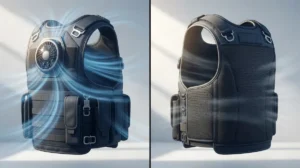
Heat stress under body armor impairs decision-making and increases heat exhaustion risk; OSHA data confirms prolonged high-temperature exposure is a genuine duty hazard that ventilation systems directly address.
-
Passive ventilation vests like BluHalo create air gaps under armor with minimal weight (under 7 oz), while active fan-driven systems offer 8-32 hour runtime for high-heat operations—choose based on shift length and environment.
-
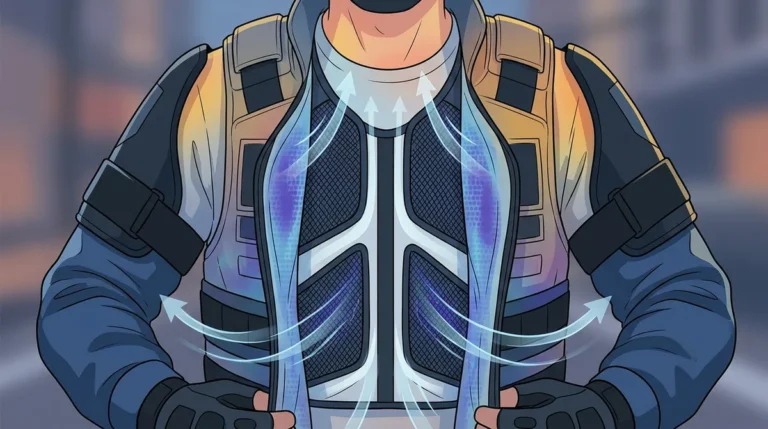
Key ventilation features to prioritize: full front/back airflow coverage, anti-microbial materials, moisture-wicking construction, secure fit, compatibility with existing NIJ Level IIIA carriers, and rapid don/doff capability.
-
Pair ventilation gear with moisture-wicking base layers, keep systems clean, and use consistently for maximum benefit; active systems require nightly charging to ensure full runtime availability.
-
Products like Maxx-Dri reduce surface temperature by 23°F in testing, and bundling passive vests with active fan systems provides both low-profile comfort and on-demand cooling for extended duty shifts.
-
Ventilation solutions add negligible weight to loadouts while delivering dramatic comfort improvements for patrol officers, SWAT teams, EMS/fire personnel, and security professionals in 8-12+ hour shifts.
If you wear body armor or heavy protective gear for work, you already know the struggle. Heat builds up fast. Sweat soaks through. And after a few hours, discomfort starts affecting your focus. For emergency responders, this isn’t just uncomfortable — it can be dangerous. Choosing the right emergency responder gear means thinking beyond ballistic protection. It means thinking about thermal management, airflow, and moisture control too.
In 2026, more departments and agencies are recognizing that cooling technology is just as critical as protective gear itself. Heat stress is a real threat on duty. According to the OSHA Heat Stress Guide, prolonged exposure to high temperatures under heavy gear significantly increases risk of heat exhaustion and impaired decision-making. The good news? There are smart, practical solutions available right now that make a real difference.
This guide walks you through everything you need to know about selecting ventilation-focused emergency responder gear — so you can stay protected, comfortable, and mission-ready all shift long.
Why Ventilation Matters in Emergency Responder Gear
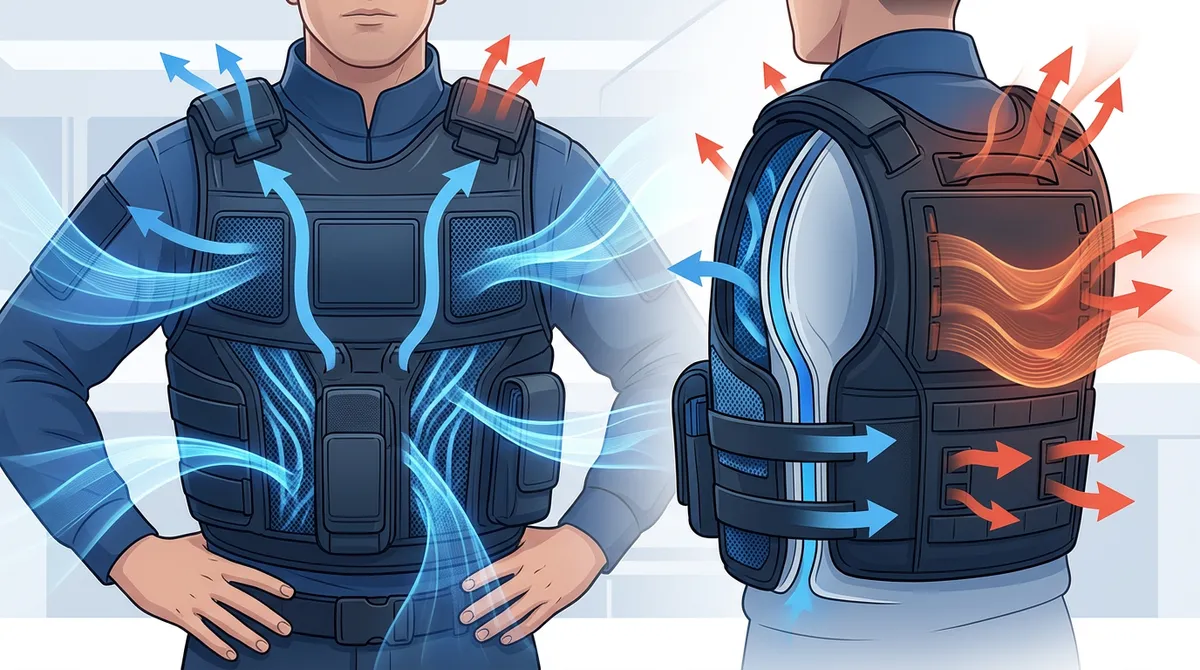
Body armor does an incredible job of stopping threats. But it also traps heat against your body. The dense ballistic materials used in NIJ Level IIIA vests — the standard for most law enforcement and rescue task force (RTF) responders — create a barrier that blocks airflow completely. You’re essentially wearing an insulating layer over your core all day.
This leads to a predictable chain of problems. Body temperature rises. Sweat soaks your uniform. Fatigue sets in faster. Skin irritation and rashes become regular issues. Over time, the weight and heat of body armor can cause real neck and back strain too. That’s why ventilation isn’t a luxury add-on — it’s a necessity for anyone who wears protective gear for extended periods.
The Body Armor Standards from NIJ focus on ballistic performance, but smart agencies and officers are now pairing compliant armor with dedicated ventilation systems to address thermal performance as well.
Key Features to Look for in Ventilation Gear
Not all ventilation solutions are created equal. Here’s what really matters when you’re evaluating options for your setup:
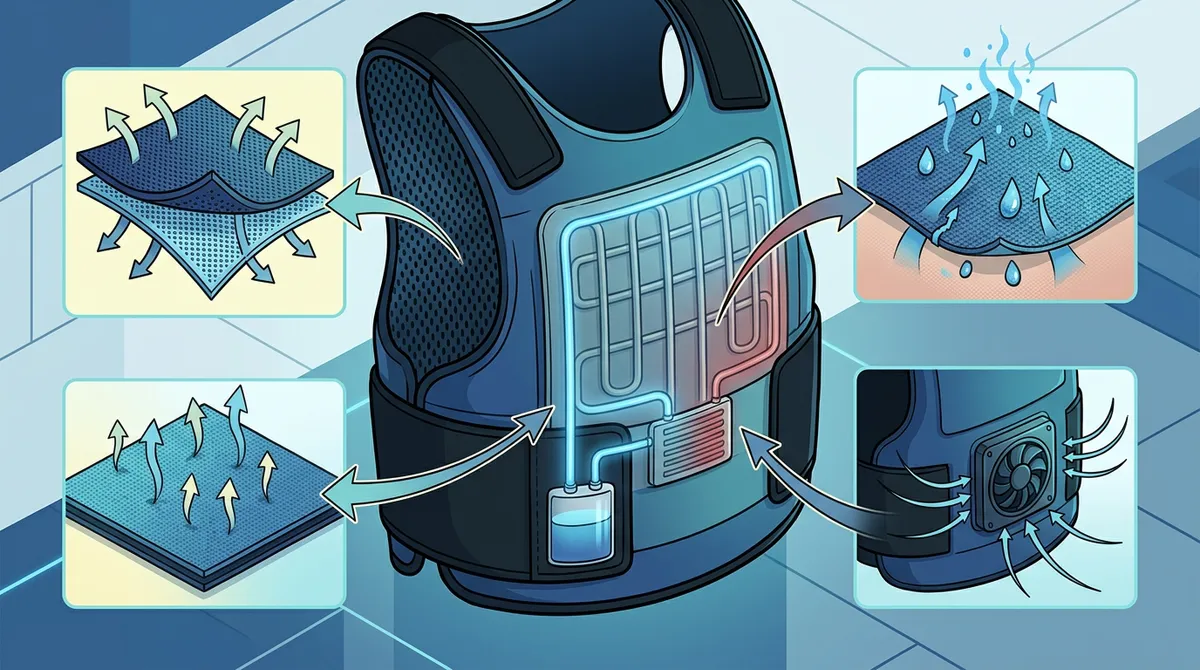
- Airflow coverage: Look for full front and back panel coverage so air circulates across your entire torso, not just one section.
- Anti-microbial properties: Since ventilation gear sits close to your skin all shift, materials that resist bacteria and odor buildup are a must.
- Moisture-wicking construction: The vest should pull sweat away from your body, not just sit between you and your armor.
- Secure fit: Gear that shifts around under body armor is annoying and distracting. Look for stay-put grip technology or adjustable straps.
- Compatibility: Your ventilation system needs to work with your existing ballistic carrier, whether that’s a plate carrier, soft armor vest, or an RTF-style setup.
- Ease of use: Rapid don/doff capability matters. If it takes five minutes to put on or take off, you won’t use it consistently.
Passive vs. Active Ventilation Systems
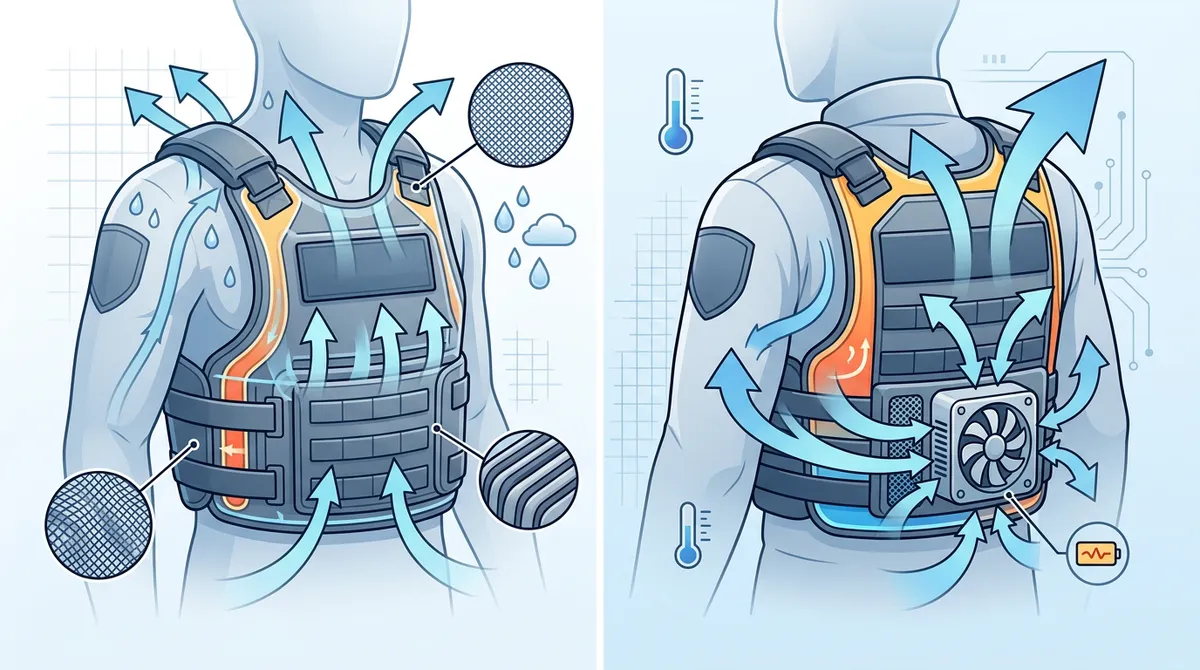
When shopping for ventilation gear, you’ll encounter two main types: passive and active systems. Both have real benefits depending on your role and environment.
| Feature | Passive Ventilation Vest | Active Fan-Driven System |
|---|---|---|
| How it works | Creates air gap using 3D structure | Uses fan to actively circulate fresh air |
| Battery required | No | Yes |
| Best for | All-day patrol, low-profile needs | High-heat operations, vehicle duty |
| Cooling intensity | Moderate | High |
| Weight | Very light | Slightly heavier due to battery |
| Maintenance | Minimal | Requires charging |
Passive vests like the BluHalo ventilation vest are ideal for officers and responders who need discreet, lightweight cooling that works all day without batteries. Active systems like the Blufano fan-driven cooling unit step things up by continuously pushing fresh air under your armor for more intense cooling relief — especially useful in extreme heat or during vehicle operations where AC can help boost performance.
How to Choose the Right Ventilation Setup Step by Step
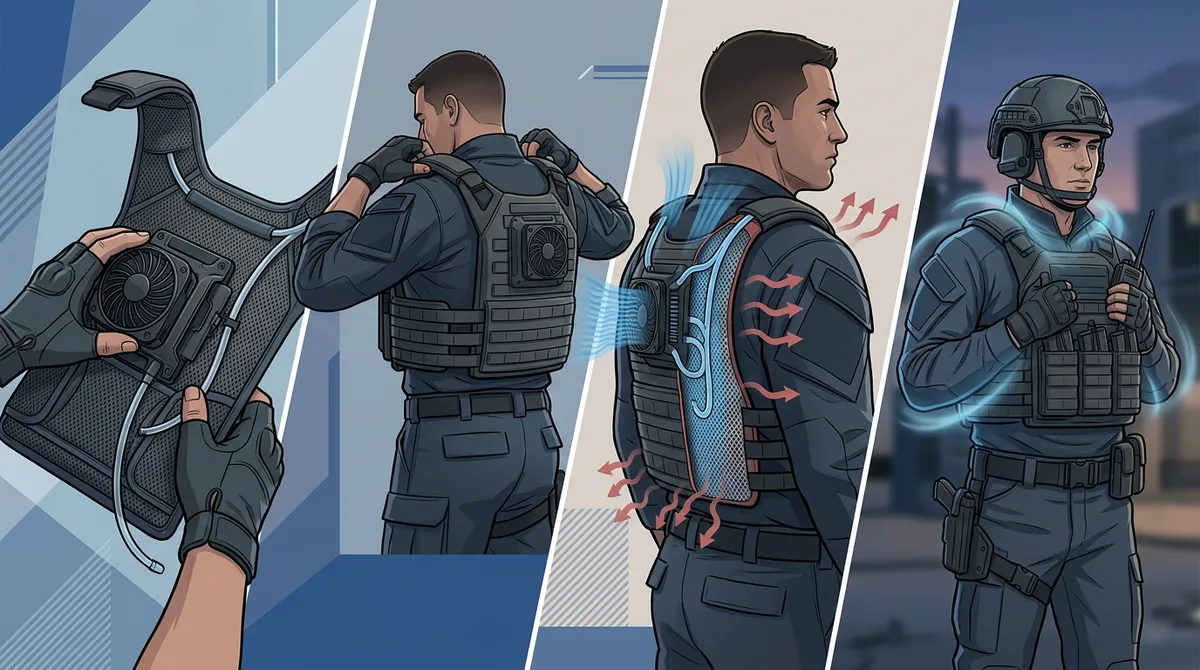
Picking the right gear doesn’t have to be complicated. Follow these steps to find what works best for your specific needs:
- Assess your environment. Are you working outdoors in direct sun, indoors in climate-controlled spaces, or a mix of both? High-heat outdoor environments benefit most from active fan-driven cooling. Mixed environments do well with passive vests.
- Check your armor compatibility. Confirm that any ventilation vest or system you choose is compatible with your current ballistic carrier. Most quality systems are designed to work with standard NIJ Level IIIA soft armor and plate carriers.
- Consider your shift length. For 8-hour shifts, a passive vest may be sufficient. For 12-hour or longer shifts in intense heat, an active system with extended battery life (like 8–32 hours of runtime) gives you sustained relief.
- Think about your role. SWAT operators in full kit benefit from different solutions than an EMS responder or patrol officer. High-output physical activity calls for maximum airflow. Stationary or vehicle-heavy roles may prioritize comfort over raw cooling power.
- Try before you commit. Read real user reviews from people in similar roles. Check out the customer reviews at BluHalo to see what officers and responders are saying about real-world comfort improvements.
Comparing Popular Emergency Responder Ventilation Options
Let’s look at some of the most talked-about ventilation solutions available for emergency responders in 2026.
| Product | Type | Key Feature | Best For |
|---|---|---|---|
| BluHalo Ventilation Vest | Passive (inflatable air gap) | Lifts armor 1.5 inches off body; under 7 oz | Daily patrol, low-profile comfort |
| Blufano Fan System | Active (fan-driven) | 8–32 hr runtime; 10,000mAh power bank; built-in light | High-heat operations, extended shifts |
| Maxx-Dri 4.0 | Passive (3D polymer) | Reduces surface temp by 23°F; triple-reinforced stitching | Patrol officers, warm climates |
| MILITAUR Ventilation Vest | Passive (structured panels) | Fully adjustable unisex design; hook attachments | Officers needing a customizable fit |
For the best overall value and performance, bundling the BluHalo vest with the Blufano fan system gives you both passive and active cooling in one setup. You get on-demand airflow when things heat up, and a lightweight passive layer for lower-intensity periods. You can explore both options at the BluHalo shop and check for bundle pricing.
Features That Set BluHalo Apart
BluHalo was created by a Chicago police officer who understood firsthand what it felt like to wear body armor in brutal summer heat. That real-world experience shaped every design decision. The BluHalo vest weighs under 7 ounces and sits completely flat and unobtrusive when deflated. When you need it, a small pump inflates it to create a 1.5-inch air gap between your body and your armor — giving heat and moisture a place to escape.
It attaches easily with Velcro, and a simple button press deflates it instantly when you need to go low-profile. Officers who’ve used it report significant comfort improvements even during 12-hour shifts in 95-degree heat. Built from double-layer high-strength polyethylene, it’s tough enough for daily duty use. Check out the BluHalo product videos to see exactly how it works in real conditions.
Understanding Gear Weight and Its Impact on Performance
Weight is a serious consideration for emergency responders. Every ounce matters when you’re already carrying a weapon, radio, medical kit, and body armor. Here’s a quick reference for typical gear weights in an RTF-style setup:
| Gear Item | Approximate Weight |
|---|---|
| NAR Responder Ballistic Vest (empty) | 9.1 lbs |
| RTF Responder Vest (empty) | 5 lbs 11 oz |
| Armor Insert (soft armor) | ~1 lb |
| BluHalo Ventilation Vest | Under 7 oz |
| Maxx-Dri 3.0 SL (6mm profile) | Very low (slim profile) |
As you can see, modern ventilation solutions add very little weight to your loadout. The comfort benefit far outweighs the minimal added weight. Anti-gravity weight distribution technology in some vest designs also helps reduce neck and back pain from wearing heavy armor over long shifts.
Tips for Getting the Most Out of Your Ventilation Gear
Owning great ventilation gear is only part of the equation. Here’s how to make sure you get maximum benefit every shift:
- Wear it every day. Your body adapts to wearing ventilation gear quickly. Consistency is key to getting the most out of it.
- Keep it clean. Wash your ventilation vest regularly following manufacturer instructions. Anti-microbial properties help, but regular cleaning maintains hygiene.
- Pre-cool when possible. If you have access to AC (like in a patrol vehicle), let the fan system run before you get out. It helps reduce your core temperature before heading into the heat.
- Pair with moisture-wicking base layers. Ventilation gear works best when paired with a good moisture-wicking undershirt. This pulls sweat away from your skin so the airflow can do its job.
- Charge active systems overnight. If you’re using a fan-driven system like Blufano, charge it fully before each shift to ensure you have maximum runtime available.
Who Benefits Most from Ventilation Emergency Responder Gear
Honestly, anyone who wears body armor benefits from better airflow. But some roles feel the impact most dramatically:
- Patrol officers spending 8–12 hours in a uniform and vest, especially during summer months
- SWAT and tactical teams wearing heavy full kits during high-output operations
- EMS and fire personnel layering protective gear over already-heavy equipment in hot conditions
- Security professionals standing post for long hours in outdoor or semi-outdoor environments
- Military personnel deployed in high-heat theaters wearing tactical plate carriers for extended missions
If any of these sound like you, visit the BluHalo website to learn more about how ventilation technology is changing comfort for everyday heroes in 2026. And if you have questions about which setup is right for your role, don’t hesitate to reach out to the BluHalo team — they’re happy to help you find the best fit for your specific situation.
Conclusion
Choosing the right emergency responder gear in 2026 means looking at the full picture — not just ballistic protection, but thermal comfort and airflow too. Heat stress is real, and it affects your performance, focus, and well-being on every shift. The great news is that lightweight, effective ventilation solutions are available right now that add almost nothing to your loadout while making a dramatic difference in comfort.
Whether you go with a passive inflatable vest like the BluHalo, an active fan-driven system like the Blufano, or bundle them together for maximum cooling power, you’re making an investment in your health and performance. You work hard to protect others — you deserve to feel your best while doing it. Get in touch with the BluHalo team today and take the first step toward a cooler, more comfortable shift.
FAQs
Q: What is the best ventilation vest for emergency responders wearing body armor?
A: The best choice depends on your role and environment! For low-profile, all-day comfort, the BluHalo ventilation vest is a fantastic option — it weighs under 7 ounces and creates a cooling air gap under your armor. For high-heat operations or extended shifts, pairing it with the Blufano fan-driven system gives you active airflow for up to 32 hours.
Q: Are ventilation vests compatible with NIJ Level IIIA ballistic carriers?
A: Yes! Most quality ventilation vests, including BluHalo, are designed to work with standard NIJ Level IIIA soft armor carriers as well as plate carriers and RTF-style vests. They attach easily using Velcro or straps and don’t interfere with the protective performance of your armor.
Q: Do ventilation vests really reduce heat stress for first responders?
A: Absolutely — and the data backs it up. Products like Maxx-Dri have been shown to reduce surface temperatures by up to 23°F in certified testing. Officers using BluHalo consistently report major comfort improvements on long, hot shifts. Reducing heat buildup under body armor directly lowers your risk of heat fatigue and keeps you sharper on duty.
Q: How much do ventilation vests add to my gear loadout weight?
A: Very little! The BluHalo ventilation vest weighs under 7 ounces — that’s less than most water bottles. Passive ventilation vests are designed to add minimal weight while delivering maximum comfort benefit, so you really won’t notice the added load on your belt or carrier.
Q: Can I use a ventilation vest with an RTF Responder Vest that has medical kit attachments?
A: Yes, in most cases ventilation systems can be used alongside RTF-style vests that include PALS/MOLLE attachments for medical kits like tourniquets and chest seals. Slim-profile passive vests like BluHalo sit directly against the body under the armor, leaving your outer carrier attachments completely unaffected. If you’re unsure about your specific setup, reach out to the BluHalo team for personalized guidance!