Key Takeaways
-
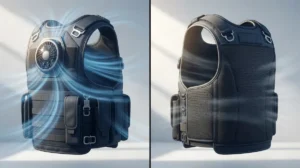
Use active ventilation systems that create an air gap between your body and body armor, allowing continuous air circulation and dramatically reducing heat buildup.
-
Wear moisture-wicking base layers made from synthetic fabrics to pull sweat away from skin and help maintain a cooler microclimate under your protective gear.
-
Practice pre-hydration by drinking water consistently before and during shifts, aiming for clear urine and taking frequent small sips instead of large amounts at once.
-
Learn and recognize early heat stress warning signs like heavy sweating, headaches, muscle cramps, and fatigue to prevent serious health risks.
-
Schedule physically demanding tasks during cooler parts of the day (early morning or late evening) and take regular breaks in air-conditioned spaces when possible.
-
Combine multiple cooling strategies like ventilation systems, moisture management, and pre-cooling techniques for maximum heat stress protection
If you wear body armor for work, you know the struggle all too well. The weight presses down on your shoulders, and within minutes, you feel trapped in your own personal sauna. Sweat pools against your back, heat builds up under the vest, and by mid-shift, you’re exhausted before the real work even begins. Heat stress isn’t just uncomfortable—it’s dangerous. When your body can’t cool itself properly, you risk fatigue, reduced focus, and even serious health emergencies. But here’s the good news: preventing heat stress while wearing protective gear is absolutely possible with the right approach and equipment.
Understanding how to keep your body cool under body armor changes everything about your workday. Whether you’re a police officer on patrol, a security professional standing post, or a tactical team member heading into high-intensity situations, staying cool helps you perform better and feel better. This guide walks you through practical strategies that actually work when you’re wearing heavy protective equipment day after day.
Heat stress happens when your body absorbs more heat than it can release. Normally, your body cools itself through sweating and air circulation across your skin. But when you’re wearing body armor, that natural cooling system gets blocked. The vest traps heat and moisture against your torso, creating a microclimate that just keeps getting hotter. According to the OSHA Heat Stress Guide, this trapped heat significantly increases your risk of heat-related illness, especially during extended shifts in warm environments.

Understanding Heat Stress and Body Armor
Body armor creates unique cooling challenges that regular workers don’t face. The protective materials in your vest are designed to stop bullets, which means they’re thick, dense, and not breathable. This design saves lives, but it also creates a barrier that prevents air from reaching your skin. As you move and work, your body generates metabolic heat. That heat needs somewhere to go, but your vest acts like a thermal blanket, holding everything in.
The Body Armor Standards focus on protection, which is absolutely critical for your safety. However, standard armor doesn’t address the comfort and cooling needs of the person wearing it for 8, 10, or even 12-hour shifts. Research shows that cooling vests with advanced airflow systems reduce heat strain markers like heart rate variability and perceived discomfort, particularly after the first hour of continuous wear.
Temperature regulation becomes even more challenging in summer months or hot climates. When outdoor temperatures climb above 85°F, and you add body armor on top, your core body temperature can rise to dangerous levels. Construction workers in similar conditions experience significant heat stress, and studies confirm that ventilation systems dramatically improve comfort and safety during prolonged exposure to heat.
Recognizing Heat Stress Warning Signs
Knowing the early warning signs of heat stress can prevent serious problems before they escalate. Your body sends clear signals when it’s struggling to cool down, and paying attention to these symptoms keeps you safe.
Early symptoms include:
-
Heavy sweating or suddenly stopping sweating
-
Headache or dizziness
-
Muscle cramps in your legs, arms, or stomach
-
Unusual fatigue or weakness
-
Nausea or upset stomach
If you notice these signs in yourself or a colleague, it’s time to take action. Move to a cooler area, remove or loosen your vest if possible, and drink water. Don’t ignore these symptoms—they’re your body’s way of saying it needs help managing heat.
More serious warning signs require immediate attention and medical care. These include confusion, slurred speech, hot dry skin, rapid heartbeat, or loss of consciousness. Heat exhaustion can progress to heat stroke quickly, especially when you’re physically active while wearing gear that restricts cooling.
Proven Strategies for Cooling Under Body Armor
Effective heat stress prevention requires a multi-layered approach. No single strategy solves everything, but combining several techniques creates powerful protection against dangerous heat buildup.
Active Ventilation Systems
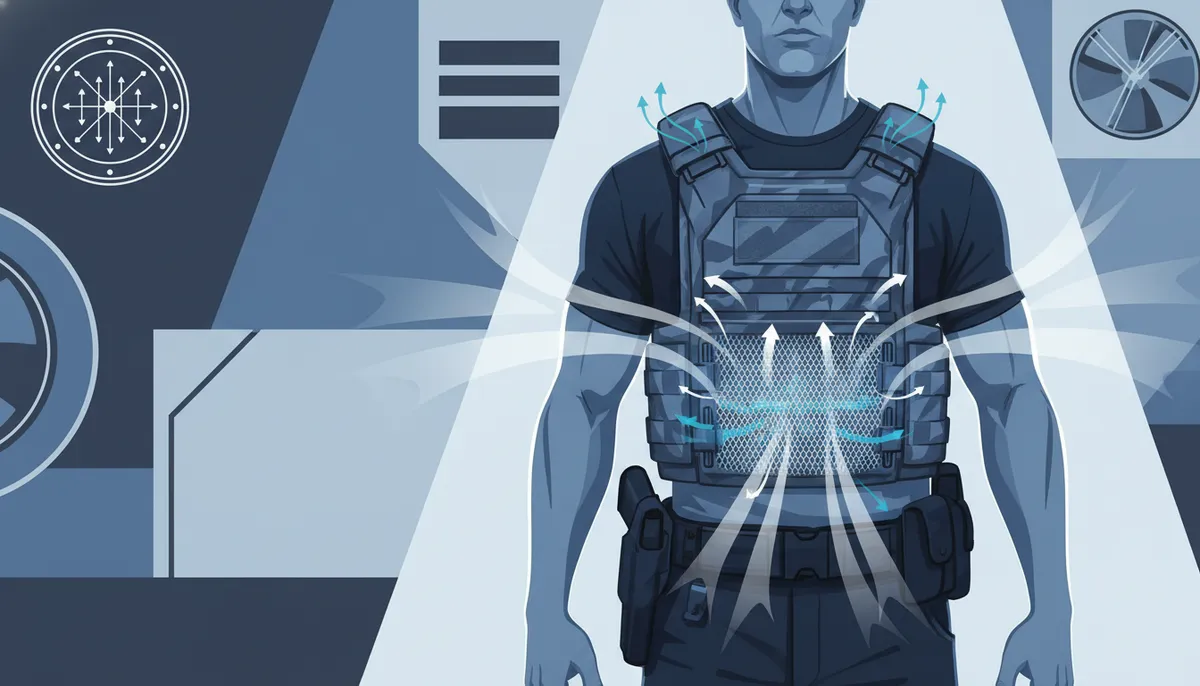
Active ventilation represents the most effective advancement in body armor cooling technology. These systems create airflow between your body and your vest, mimicking the natural cooling process that body armor normally blocks. Instead of just absorbing heat like passive cooling methods, active ventilation continuously moves air to carry heat away from your body.
BluHalo offers a lightweight ventilation vest that creates an air gap between your body and armor. Weighing less than 7 ounces, it inflates to lift your vest about 1.5 inches off your torso, allowing air circulation underneath. Officers report significant comfort improvements during 12-hour shifts in 95-degree weather, with one Chicago police officer noting it “makes a huge difference on hot days.”
|
Cooling Method |
Duration |
Weight |
Recharge Required |
|---|---|---|---|
|
Active Ventilation (Fan Systems) |
8-32 hours |
Varies |
Battery recharge |
|
Phase Change Materials |
1-3 hours |
2-5 lbs |
Freezer regeneration |
|
Evaporative Cooling |
2-6 hours |
1-3 lbs |
Water soaking |
|
Ice/Gel Packs |
Under 1 hour |
3-6 lbs |
Freezer regeneration |
For more intensive cooling needs, Blufano provides an advanced fan system that actively circulates fresh air beneath your armor. This self-contained unit delivers adjustable airflow for extended periods, with testimonials highlighting faster cooling and reduced sweat during hot shifts. One officer described it as “next-level comfort” that helps maintain focus during demanding days.
Moisture Management Techniques
Managing sweat is just as important as managing heat. When moisture gets trapped against your skin under body armor, it creates a hot, uncomfortable environment that accelerates heat stress. Moisture-wicking base layers made from synthetic fabrics pull sweat away from your skin and spread it across a larger surface area where it can evaporate more easily.
Choose base layers specifically designed for high-heat conditions. Look for materials like polyester or specialized athletic fabrics rather than cotton, which holds moisture. These technical fabrics dry quickly and help maintain a more comfortable microclimate under your vest. Many officers find that changing their base layer mid-shift, if possible, provides noticeable relief during particularly hot days.
Hydration and Pre-Cooling
Proper hydration starts before you even put your vest on. Drinking water throughout your shift is essential, but pre-hydrating in the hours before work prepares your body for the heat stress ahead. Aim for clear or light-colored urine as a sign of good hydration.
During your shift, drink water regularly—don’t wait until you feel thirsty. Thirst is actually a late indicator of dehydration. Keep a water bottle accessible and take frequent small sips rather than chugging large amounts at once. Sports drinks can help replace electrolytes lost through heavy sweating, especially during extended shifts in extreme heat.
Pre-cooling your body before starting work provides a buffer against heat buildup. Some tactical teams spend time in air-conditioned vehicles or spaces before operations. Others use cold towels on their neck and wrists to lower their starting body temperature. These techniques give your body a cooling reserve to draw from once heat stress begins.

Environmental and Behavioral Modifications
How you approach your work environment makes a significant difference in heat stress prevention. Small changes in behavior and awareness can reduce heat exposure without compromising your effectiveness or safety.
Schedule Adjustments
When possible, schedule the most physically demanding tasks during cooler parts of the day. Early morning and late evening shifts naturally expose you to less environmental heat. If you’re planning operations or activities that require heavy exertion, timing them outside peak heat hours (typically 10 AM to 4 PM) reduces overall heat stress.
Break frequency matters tremendously. Research shows that cooling interventions work best during rest periods. Taking regular breaks in air-conditioned spaces, even for just 5-10 minutes, allows your body to offload accumulated heat. During these breaks, loosening or temporarily removing your vest (when safe to do so) accelerates cooling.
Shade and Shelter Utilization
Make strategic use of shade whenever available. Standing in direct sunlight while wearing body armor adds radiant heat on top of the metabolic heat you’re already generating. Positioning yourself in shaded areas during stationary tasks or observation posts can reduce your total heat load by 10-15 degrees.
Vehicle air conditioning provides powerful cooling opportunities. Officers who spend time in their patrol cars between calls can use the AC to lower their core temperature. Some position their vehicle vents to direct cold air toward their torso, creating a makeshift cooling system that complements other strategies.
Equipment Considerations and Upgrades
The equipment you choose directly impacts your heat stress risk. Modern technology offers solutions that weren’t available even a few years ago, and upgrading your cooling gear can transform your comfort and safety.
Comparing Cooling Technologies
Different cooling technologies serve different needs. Phase change materials (PCM) absorb heat as they transition from solid to liquid, providing effective cooling for 1-3 hours. These work well for shorter missions or as supplemental cooling during breaks. However, they require freezer access for regeneration and add several pounds to your load.
Evaporative cooling vests use water evaporation to draw heat away from your body. They’re lightweight and effective in low-humidity environments but lose effectiveness as humidity increases. In humid climates, the water can’t evaporate efficiently, limiting cooling power.
Active ventilation systems like those offered by BluHalo provide the longest-lasting and most adaptable cooling solution. They work in any climate, require only battery recharging rather than freezer access, and don’t add significant weight. The airflow continues working throughout your entire shift, not just for the first hour or two.
|
Feature |
Active Ventilation |
Phase Change Materials |
Evaporative Cooling |
|---|---|---|---|
|
Climate Effectiveness |
All climates |
All climates |
Low humidity only |
|
Operational Duration |
8-32 hours |
1-3 hours |
2-6 hours |
|
Maintenance |
Battery charging |
Freezer access needed |
Water access needed |
|
Weight Added |
Minimal (under 1 lb) |
Moderate (2-5 lbs) |
Light (1-3 lbs) |
Bundling Solutions for Maximum Protection
Combining different cooling strategies often provides better results than relying on any single method. Many professionals pair active ventilation with moisture-wicking base layers and aggressive hydration protocols. This layered approach addresses multiple heat stress mechanisms simultaneously.
The BluHalo shop offers bundle options that pair ventilation vests with fan systems at discounted prices. These combinations maximize cooling performance by creating both an air gap and active circulation under body armor. Officers who use bundled systems report the most dramatic improvements in comfort during extended shifts.
Building a Heat Safety Culture
Individual actions matter, but organizational culture determines whether heat stress prevention becomes routine or remains an afterthought. Departments and teams that prioritize cooling create safer working conditions for everyone.
Leadership sets the tone for heat safety. When supervisors model good hydration habits, take cooling breaks, and use ventilation equipment, team members feel encouraged to do the same. Some departments have implemented mandatory cooling breaks during extreme heat events, recognizing that heat stress prevention improves performance and reduces liability.
Buddy systems help catch heat stress before it becomes dangerous. Training team members to recognize symptoms in each other creates redundant safety checks. Partners can remind each other to drink water, suggest breaks when someone looks overheated, and monitor each other for behavioral changes that might indicate heat exhaustion.
Equipment standardization makes cooling more accessible. When departments provide or subsidize ventilation vests and cooling gear, usage rates increase dramatically. Making these tools part of standard issue—just like body armor itself—sends a clear message that heat stress prevention is a priority, not an optional luxury.
Seasonal Planning and Preparation
Heat stress prevention requires different strategies across different seasons and climates. Planning ahead for hot weather periods ensures you have the right equipment and protocols in place before temperatures spike.
Summer Readiness
As temperatures climb into summer, reassess your cooling equipment and strategies. Check that ventilation systems have fresh batteries, base layers are in good condition, and you have access to adequate hydration sources. Some officers keep extra base layers in their vehicles for mid-shift changes during particularly brutal heat waves.
Monitor weather forecasts and heat indices. When extreme heat is predicted, adjust your approach proactively. This might mean starting your shift extra-hydrated, bringing additional water, or planning more frequent cooling breaks. Heat indices above 95°F create high-risk conditions that require enhanced precautions.
Year-Round Awareness
Heat stress isn’t just a summer problem. Indoor environments, heated vehicles, and metabolic heat from physical exertion can create dangerous conditions even in cooler months. Wearing body armor in a heated building during winter can still lead to significant heat buildup, especially during training or physical activities.
Maintain your cooling equipment year-round so it’s ready when needed. Store ventilation devices properly, keep batteries charged, and ensure everything functions correctly. Testing your cooling gear during training or lower-stress situations helps you understand how it works before you need it during critical moments.
Real-World Application and Testimonials
The most compelling evidence for heat stress prevention strategies comes from professionals who use them daily. Officers across the country have discovered that proper ventilation equipment transforms their work experience in measurable ways.
A Chicago police officer who developed BluHalo after experiencing firsthand the discomfort of wearing body armor in summer heat found that creating an air gap between vest and body made 12-hour shifts manageable again. User reviews consistently highlight reduced sweating, improved focus, and dramatically better comfort during extended periods in hot conditions.
Tactical team members report that active ventilation allows them to maintain peak performance during high-intensity operations. One SWAT officer noted that staying cool helped him think more clearly during long standoffs in summer heat, emphasizing that comfort directly translates to operational effectiveness.
Security professionals working outdoor posts in hot climates describe ventilation systems as “game-changers” that make their jobs sustainable. The ability to stay cool without constant breaks means they can maintain their posts effectively while protecting their health.
Taking Action Against Heat Stress
Heat stress prevention while wearing body armor isn’t about suffering through discomfort or accepting dangerous heat buildup as inevitable. Modern ventilation technology, smart hydration practices, and environmental awareness give you powerful tools to stay cool and safe throughout your shift.
Start by assessing your current approach. Are you experiencing heat-related symptoms? Do you struggle with excessive sweating or fatigue during hot weather? These signs indicate you need better cooling strategies. Consider your work environment, shift length, and typical heat exposure to determine which solutions fit your needs.
Active ventilation systems provide the most reliable, long-lasting cooling for professionals who wear body armor daily. The technology has evolved specifically to address the unique challenges you face, offering lightweight, effective solutions that work in any climate and throughout your entire shift. Thousands of officers, security professionals, and tactical team members have already discovered the difference that proper ventilation makes.
Your health and performance matter too much to ignore heat stress. Taking steps to stay cool isn’t just about comfort—it’s about maintaining the focus, energy, and decision-making ability that your job demands. When you’re not fighting heat exhaustion, you can concentrate on what really matters: doing your job effectively and getting home safely at the end of every shift.
Ready to experience the difference that professional-grade ventilation makes? Explore the complete line of cooling solutions designed specifically for body armor at BluHalo’s shop and discover how everyday heroes stay cool under pressure. Your comfort and safety deserve the same attention you give to everything else in your protective equipment loadout. Contact the BluHalo team to find the perfect cooling solution for your specific needs and working conditions.
FAQs
Q: How does wearing body armor increase heat stress risk?
A: Body armor creates a barrier that prevents air from reaching your skin and traps heat and moisture against your torso. The thick, protective materials block your body’s natural cooling system, causing heat buildup that can lead to exhaustion, reduced focus, and dangerous heat-related illness during extended wear.
Q: What’s the most effective way to stay cool under body armor?
A: Active ventilation systems provide the most reliable cooling by creating airflow between your body and vest. These lightweight devices circulate air continuously throughout your shift, working in any climate without needing freezer access or frequent recharging. They’re far more effective than passive cooling methods for extended wear.
Q: How much water should I drink while wearing body armor in hot weather?
A: Drink water regularly throughout your shift—about 8 ounces every 15-20 minutes during hot conditions. Don’t wait until you feel thirsty, as this indicates you’re already becoming dehydrated. Pre-hydrate before your shift and monitor your urine color to ensure you’re maintaining proper hydration levels.
Q: Can I use regular cooling vests under body armor?
A: While some cooling vests work under armor, many add significant weight and require frequent regeneration in freezers. Phase change and gel pack vests typically cool for only 1-3 hours before needing recharge. Active ventilation systems designed specifically for body armor provide longer-lasting cooling without the weight or maintenance challenges.
Q: What are the early warning signs of heat stress I should watch for?
A: Early heat stress symptoms include heavy sweating (or suddenly stopping sweating), headache, dizziness, muscle cramps, unusual fatigue, and nausea. If you notice these signs, move to a cooler area immediately, loosen your vest if safe to do so, and drink water. Don’t ignore these warnings—they indicate your body needs help managing heat.