Key Takeaways
-
Heat stress reduces alertness and decision-making speed in EMS professionals; proper tactical vest cooling solutions are a safety issue, not a luxury, because body armor blocks natural heat release through sweat evaporation.
-
Match cooling technology to your specific environment: passive mesh for mild climates, fan-driven systems for high-exertion/extreme heat, evaporative cooling for dry climates, and phase-change materials for short heat bursts.
-
Choose low-profile, lightweight cooling solutions under 10 oz that maintain your body armor’s structural integrity and don’t interfere with movement or equipment access during long shifts.
-
Active fan systems like the Blufano provide 8–32 hour runtime and work in any climate, making them essential for 12-hour EMS shifts in extreme heat where passive mesh ventilation alone is insufficient.
-
Combine moisture-wicking fabrics and perforated panels with airflow solutions to manage sweat evaporation effectively; trapping sweat against skin negates cooling benefits and causes discomfort.
-
Use a layered approach: start with a passive ventilation vest as your base, then add an active fan system for high-exertion calls or extreme heat to maintain performance and safety throughout your shift.
If you work in emergency medical services, you already know the struggle. You’re suited up in body armor or a load-bearing vest, running calls back to back, and the heat just keeps building. Your gear doesn’t breathe. Sweat soaks through. And before long, that trapped heat isn’t just uncomfortable — it’s slowing you down and draining your focus. Finding the right EMS tactical vest cooling solutions isn’t a luxury. It’s a safety issue.
The good news? There are real, effective ways to manage heat under your vest. But there are also plenty of mistakes that EMS professionals make when choosing or using these solutions. Getting it wrong can mean wasted money, poor comfort, or worse — gear that doesn’t perform when you need it most. Let’s walk through the 8 most common mistakes so you can skip the trial and error and get straight to staying cool.
Why Heat Management Matters for EMS Professionals
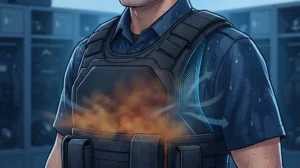
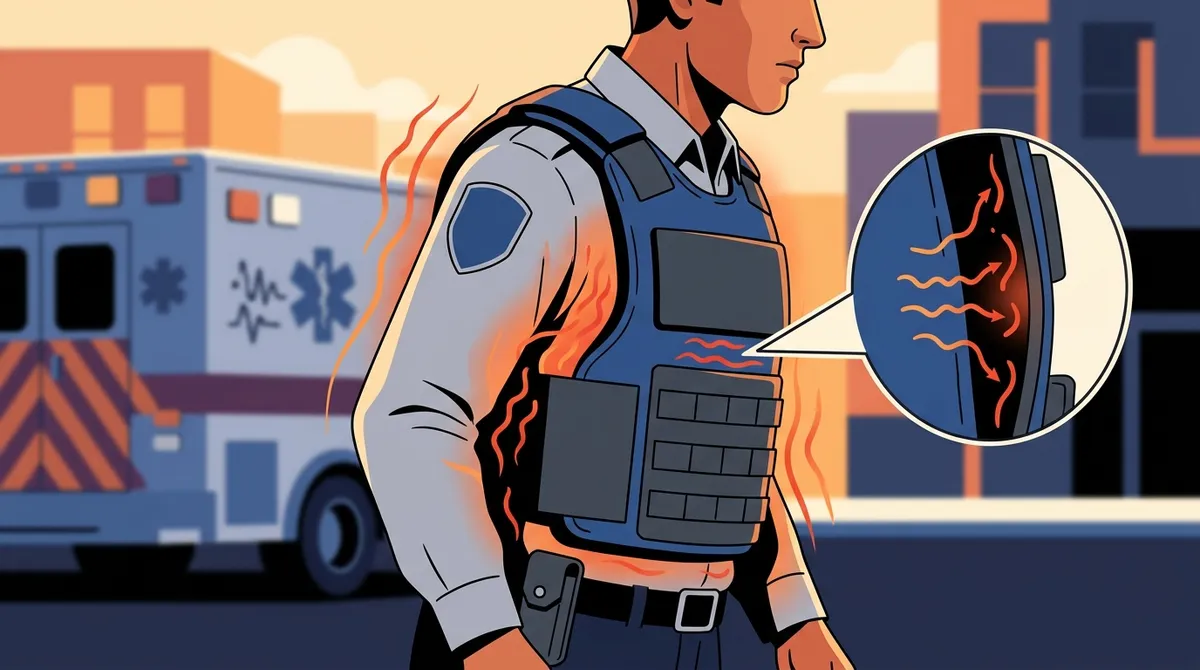
Heat stress is a real operational risk. According to the OSHA Heat Stress Guide, elevated body temperature reduces alertness, decision-making speed, and physical performance — all things EMS crews can’t afford to lose. Wearing a tactical vest or plate carrier makes this significantly worse because the gear blocks your body’s natural ability to release heat through sweat evaporation.
That’s why EMS body armor ventilation solutions have become such a hot topic in 2026. More responders are discovering that the right under-vest cooling system can make a 12-hour shift feel dramatically more manageable. But not all solutions are created equal — and mistakes in choosing or using them are common.
Mistake 1: Ignoring the Type of Cooling Technology
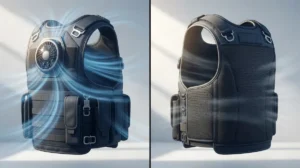
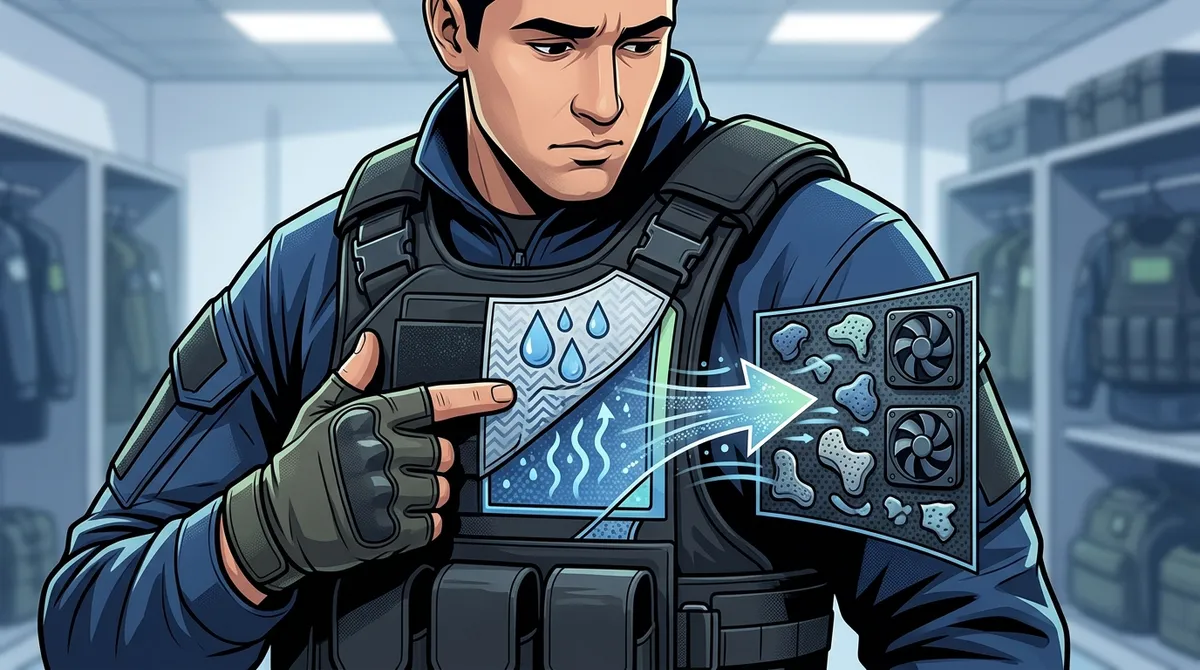
Not all EMS tactical vest cooling solutions work the same way. There are four main approaches: passive mesh/spacer designs, fan-driven active airflow, evaporative cooling, and phase-change materials (PCM). Each has strengths and trade-offs.
| Cooling Type | How It Works | Best For | Key Drawback |
|---|---|---|---|
| Passive Mesh/Spacer | Creates air gap for convection | Light duty, mild climates | Less effective in extreme heat |
| Fan-Driven Active | Circulates fresh air under vest | Long shifts, high exertion | Requires battery power |
| Evaporative Cooling | Uses moisture evaporation | Dry, hot climates | Less effective in humidity |
| Phase-Change Materials | Absorbs body heat into material | Short, intense bursts of heat | Requires recharging/freezing |
If you skip this research step and just grab whatever looks popular, you might end up with a solution that simply doesn’t match your environment or shift demands. Take the time to understand which technology fits your real-world needs. Check out how ventilation compares to phase-change cooling vests for a deeper breakdown.
Mistake 2: Choosing Style Over Compatibility
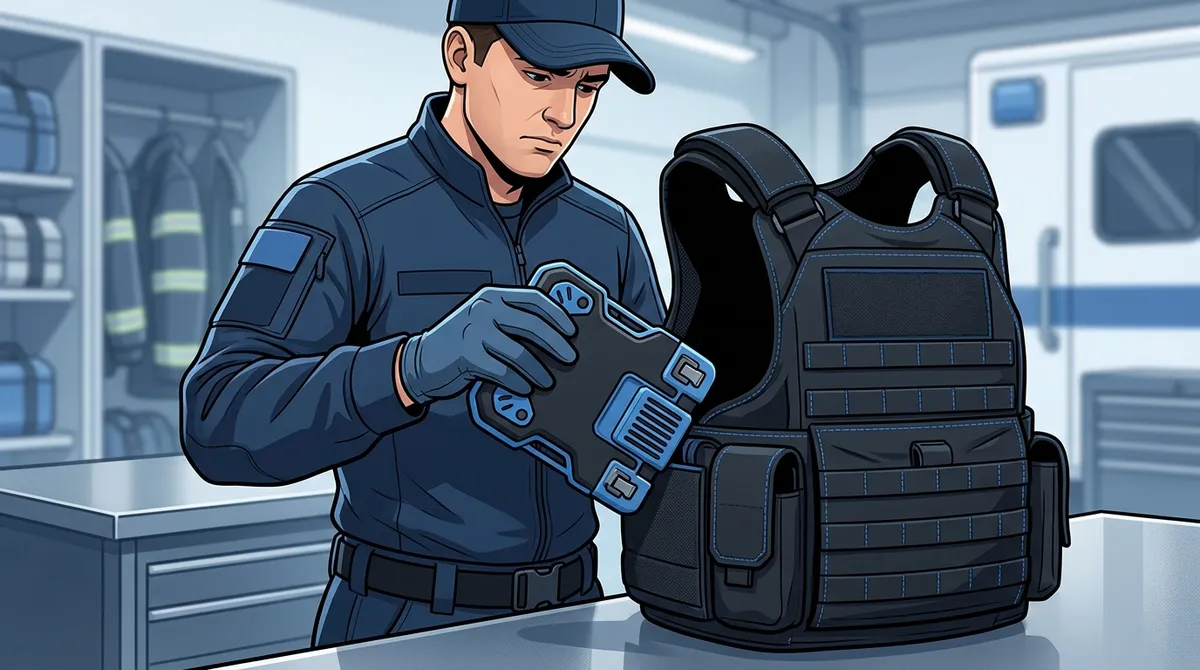
It’s tempting to pick a cooling solution based on reviews alone without checking if it actually fits under your specific vest. Many EMS vests and plate carriers have unique internal profiles. A bulky insert might bunch up, restrict your movement, or interfere with armor plates. Body Armor Standards remind us that protective gear must maintain its structural integrity — meaning your cooling layer can’t compromise your protection.
Always check the product’s profile thickness and design before buying. The best EMS tactical vest cooling solutions are built to be low-profile and compatible with a wide range of carrier styles. BluHalo’s ventilation vest, for example, inflates on demand to create a cooling air gap and deflates flat when not needed — making it remarkably easy to wear under virtually any body armor without sacrificing comfort or protection.

Mistake 3: Skipping Active Airflow When You Need It Most
Passive mesh vests are a good starting point, but they have limits. In high-exertion situations or genuinely hot climates, passive convection simply isn’t enough to move heat away from your body at the rate you’re generating it. This is where an active fan system makes a real difference.
The Blufano fan system is designed specifically for this scenario. It uses a patented air-redirect spout that slides under any body armor style and delivers adjustable fan-driven airflow for 8 to 32 hours, depending on your setting. That range of runtime makes it perfect for long EMS shifts where you can’t always stop to recharge. It even includes a built-in 10,000mAh power bank so you can charge your other USB devices at the same time.
Want to understand how these systems compare? Read more about passive vs. active tactical vest ventilation to help you decide which approach fits your situation best.
Mistake 4: Overlooking Moisture Management
Cooling and moisture management are two sides of the same coin. If your vest traps sweat against your skin, you’ll feel hot, itchy, and uncomfortable no matter how much airflow you have. Many EMS responders focus on temperature without thinking about sweat control.
Look for solutions that combine airflow with moisture-wicking fabrics or perforated liners. These materials help sweat evaporate faster, reducing skin irritation during long shifts. Here’s what good moisture management looks like in practice:
- 3D mesh spacer layers that pull moisture away from skin
- Perforated panels that allow airflow channels to stay open
- Lightweight, breathable fabric blends that don’t trap heat
- Low-friction surfaces that reduce chafing during active movement
Explore the best moisture-wicking vests for body armor comfort in 2026 to find options that tackle both sweat and heat together.
Mistake 5: Not Matching the Solution to Your Shift Length
A cooling solution that works great for a 4-hour patrol might be completely inadequate for a 12-hour EMS shift. This is a mistake a lot of people make — they test a product on a short day and love it, then find it falls short during a marathon shift in peak summer heat.
When evaluating EMS tactical vest cooling solutions, always consider runtime, recharge needs, and whether the product can keep up with your longest shifts. Active systems with longer battery life are generally worth the extra investment for full-day operations. The Blufano’s 8–32 hour runtime range means you can dial in the airflow level to stretch battery life when needed, or crank it up when heat is at its worst.
Mistake 6: Forgetting About Weight and Bulk
EMS responders already carry a lot. Adding a heavy, bulky cooling system to your setup is a real trade-off that many people regret after the fact. Extra weight adds fatigue over a long shift, and excessive bulk can interfere with reaching equipment or moving quickly through tight spaces.
| Feature | What to Look For | Red Flags |
|---|---|---|
| Weight | Under 10 oz for passive systems | Anything over 1 lb for under-vest use |
| Profile | Low-profile, flat when deflated | Rigid inserts that can’t compress |
| Attachment | Simple Velcro or strap-based | Complex mounting systems |
| Pack Size | Compact enough to stow off-duty | Large external units with limited portability |
The BluHalo vest weighs under 7 ounces and sits completely flat when not inflated, making it one of the most weight-friendly options on the market. That’s the kind of lightweight design that makes a real difference by the end of a long, hot shift. Learn more about how to choose the right body armor ventilation vest in 2026.
Mistake 7: Ignoring Climate and Environment
Your climate matters a lot when choosing an EMS tactical vest cooling solution. Evaporative cooling works beautifully in dry desert heat but loses most of its effectiveness in a humid Southern summer. PCM vests are great for short-duration heat spikes but won’t keep you cool all shift. Fan-based ventilation tends to be the most climate-flexible option because it actively moves air regardless of ambient humidity.
Consider these key environmental factors before purchasing:
- Humidity levels: High humidity kills evaporative cooling effectiveness.
- Average shift temperature: Mild climates may only need passive solutions.
- Outdoor vs. indoor exposure: Indoor EMS calls in air conditioning need different solutions than outdoor rescues in summer heat.
- Sun exposure: Direct sun dramatically increases vest surface temperature, requiring stronger active cooling.
Read about how to choose gear for hot climates to dial in the right approach for your specific region and season.
Mistake 8: Treating Cooling as an Optional Add-On
Perhaps the biggest mistake of all: thinking that cooling under your tactical vest is a nice-to-have rather than a core part of your gear setup. Heat stress is not a minor inconvenience. It reduces your alertness, slows your physical response, and can escalate into a genuine medical emergency if ignored during extreme conditions.
One body-armor ventilation product reported surface temperatures 23°F cooler than a control group — that’s a meaningful thermal difference that could have a real impact on how you feel and perform over a full shift. Investing in proper EMS tactical vest cooling solutions is an investment in your performance, safety, and long-term wellbeing.
Here’s a quick comparison of cooling performance across common solution types:
| Solution Type | Temperature Reduction Potential | Runtime | Maintenance Needed |
|---|---|---|---|
| Passive Mesh Spacer | Moderate | Unlimited (no power) | Low — wash and wear |
| Fan-Driven Active (e.g., Blufano) | High | 8–32 hours per charge | Low — regular charging |
| Evaporative Cooling | Moderate–High (dry climates) | 2–4 hours per soak | Medium — requires wetting |
| Phase-Change Material (PCM) | High (short bursts) | 1–3 hours | High — requires freezing/recharging |
Don’t wait until you’re red-faced and exhausted mid-shift to take this seriously. Check out how to prevent heat stress while wearing body armor and start building a proactive approach to thermal management today.
Building the Right EMS Tactical Vest Cooling Setup
The best approach for most EMS professionals is a layered one. Start with a well-fitting, low-profile ventilation vest like the BluHalo to create a passive air gap and reduce direct vest-to-skin contact. Then add an active system like the Blufano fan unit when you’re working in extreme heat or back-to-back high-exertion calls. Together, these two solutions provide layered, flexible cooling that adapts to whatever your shift throws at you.
You can also bundle both products together at a discount for maximum cooling performance. For more ideas on building out your gear, browse the full BluHalo product shop or read the best vest cooling systems guide for a comprehensive overview.
What to Look for When Shopping
Before you make a purchase, run through this quick checklist to make sure you’re getting the right solution:
- Does it fit under your specific vest or plate carrier without shifting plates or reducing protection?
- Is the weight and profile acceptable for your full shift duration?
- Does the cooling technology match your climate and humidity level?
- Is the runtime long enough for your longest shifts?
- Are there real user reviews from EMS or tactical professionals, not just general consumers?
Taking 10 minutes to answer these questions before buying can save you a lot of frustration. You can also read genuine user reviews from law enforcement, EMS, and military personnel who have tested these products in real-world conditions.
Conclusion
Staying cool under your EMS tactical vest isn’t just about comfort — it’s about staying sharp, staying safe, and performing your best when people need you most. The 8 mistakes covered here are all avoidable with a little planning and the right information. Whether you go with a passive spacer design, an active fan system, or a combination of both, the most important thing is that you actually invest in a proper solution instead of pushing through the heat and hoping for the best.
Ready to find the EMS tactical vest cooling solution that fits your needs? Reach out to the BluHalo team — we’re happy to help you figure out the best setup for your gear, your climate, and your shift demands. Your comfort and safety are worth it.
FAQs
Q: What is an EMS tactical vest cooling solution?
A: An EMS tactical vest cooling solution is any wearable system designed to reduce heat buildup under body armor or load-bearing vests worn by emergency medical responders. These range from passive mesh spacers that create an air gap, to active fan-driven systems like the Blufano that circulate fresh air beneath the vest for hours at a time. The goal is to keep you cooler, drier, and more alert during demanding shifts.
Q: Are fan-based cooling vests better than mesh ventilation vests for EMS use?
A: It really depends on your climate and workload! Fan-based systems like the Blufano deliver stronger, consistent cooling and work well in both humid and dry conditions, making them ideal for high-exertion or extreme-heat scenarios. Mesh/spacer vests like the BluHalo are lightweight and require no power, making them a great base layer — and many professionals use both together for the best results.
Q: How long do tactical vest cooling solutions stay effective?
A: Runtime varies by technology: active fan systems like the Blufano can run 8–32 hours depending on the fan speed setting, while phase-change material vests typically last 1–3 hours before needing to be recharged or refrozen. Passive mesh spacers have no time limit since they require no power — they work as long as you’re wearing them.
Q: Do EMS tactical cooling vests fit under plate carriers and body armor?
A: Yes! The best solutions are specifically designed to fit under standard body armor and plate carriers without interfering with protective panels or limiting your movement. Products like the BluHalo inflate to create a cooling gap and deflate completely flat, so they sit discreetly under your gear without adding noticeable bulk.
Q: Are ventilation vests worth it for emergency medical responders?
A: Absolutely — and it’s not just about comfort. Heat stress is a documented safety and performance risk, and proper ventilation under your vest can meaningfully reduce fatigue, improve focus, and help you respond more effectively when it matters most. Many EMS professionals who try a quality cooling vest say they can’t imagine going back to working without one.